
Beluga Whales in Aquariums: Your Guide to Visiting and the Vital Ethics
Hello fellow aquarium lovers! You might be dreaming of seeing a beluga’s graceful curve up close, or perhaps you’re feeling uneasy about how these ocean giants live in tanks.
This guide cuts straight to the heart of your curiosity, covering the key points you need. We will explore:
- Major aquariums and facilities where beluga whales are currently housed.
- The core ethical debates and welfare concerns surrounding captive belugas.
- Practical ways to make informed and conscientious choices as a visitor.
My years of hands-on experience creating balanced habitats for fish give me a deep respect for animal needs in any managed environment.
Where You Can See Beluga Whales in Aquariums
Major Aquariums and Marine Parks in North America
Several large institutions in the United States and Canada care for beluga whales, often with stated missions centered on public education and scientific research. Visiting these facilities can be a profound experience, offering a close-up view of these social, intelligent creatures that you simply cannot get in the wild.
| Facility Name | Location | Key Focus & Notes |
|---|---|---|
| Georgia Aquarium | Atlanta, Georgia, USA | Home to a large group, with a strong emphasis on breeding programs and physiological research in their dedicated cold-water exhibit. |
| Mystic Aquarium | Mystic, Connecticut, USA | Heavily involved in beluga research and rescue/rehabilitation; their belugas are part of ongoing hearing and vocalization studies. |
| Shedd Aquarium | Chicago, Illinois, USA | Focuses on naturalistic exhibit design and public educational presentations about Arctic ecosystems. |
| Vancouver Aquarium | Vancouver, BC, Canada | One of the pioneering facilities in beluga care, known for its rescue program for stranded and injured cetaceans. |
| SeaWorld San Antonio | San Antonio, Texas, USA | Houses belugas as part of larger marine park shows and interactive educational programs. |
Beluga Whale Exhibits in Europe and Beyond
European facilities have a different historical relationship with beluga whales, often sourcing them more directly from regional waters in decades past. The trend here is increasingly toward large, naturalistic sea pens rather than traditional indoor aquariums, offering a different model of care.
- Oceanogràfic Valencia (Spain): Features belugas in a massive cold-water tank as part of Europe’s largest aquarium complex.
- L’Oceanogràfic (France): Has housed belugas, contributing to European breeding and research databases.
- Marineland (France): A major marine park on the French Riviera with belugas in its collection.
- Unique Case: The Whale Sanctuary Project: While not a display facility, this planned sanctuary in Nova Scotia, Canada, represents a future shift, aiming to provide a permanent seaside home for retired aquarium belugas.
Understanding Beluga Whale Care in Captivity
The Complexities of a Beluga Whale Enclosure
Replicating the Arctic ocean in a building is a monumental engineering task. From a fish keeper’s perspective, the scale is almost unimaginable. We worry about nitrate creep in a 75-gallon tank; imagine managing the water chemistry for a 2-million-gallon habitat. Maintenance considerations change with size: as tanks grow, filtration, circulation, and monitoring must be scaled up. In other words, upkeep becomes a major design constraint when expanding to large volumes.
The baseline requirements are extreme. Tanks must be millions of gallons, with depths over 20 feet to allow for diving. Water must be kept between 45-55°F (7-13°C) year-round, requiring massive chillers. Salinity is carefully adjusted to match natural brackish or marine conditions. Filtration is industrial, combining mechanical, biological, and advanced ozone or UV sterilization to handle the immense bio-load. Even the acoustics of the tank are engineered, with careful attention to dampening the constant hum of life support systems that could stress the whales’ sensitive hearing. Even at smaller scales, you must test and maintain proper water parameters in your aquarium. Regular checks of pH, ammonia, and salinity keep the system stable. Every parameter we test for – pH, ammonia, salinity – is monitored here with the same urgency, just on a galactic scale.
Daily Life: Diet, Enrichment, and Training
A captive beluga’s day is structured around care, not foraging. Their diet is precisely formulated, consisting of:
- Various fish like herring, capelin, and squid
- Vitamin and supplement supplements added to each meal
- Portions totaling 2.5% to 3% of their body weight daily
Training is not for tricks, but for voluntary participation in their own healthcare. A whale that willingly presents its tail for a blood draw or opens its mouth for a dental exam is a less stressed and healthier animal. This cooperative care is fundamental.
Mental stimulation is critical. Enrichment prevents boredom and promotes natural behaviors. Common tools include:
- Floating ice cubes or gelatin blocks with food inside
- Underwater audio devices playing novel sounds
- Bubble rings or current generators to interact with
- Novel objects like giant floating balls or textured mats
- Social introductions and rearrangements with other belugas
The Core Ethical Debate: Welfare vs. Conservation
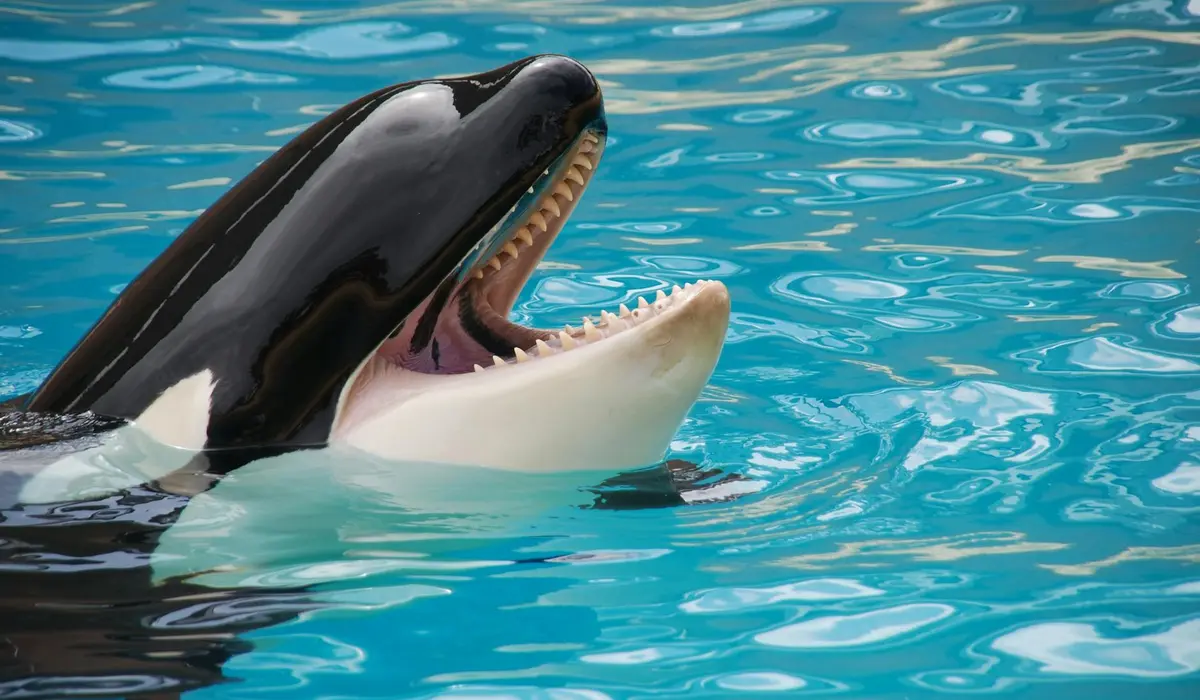
Animal Welfare Concerns in Marine Mammal Captivity
The central conflict in housing beluga whales revolves around whether even the best artificial habitat can meet their profound physical and psychological needs. The most cited welfare issue is space. Even the largest aquarium tank is a fraction of the hundreds of miles a beluga might traverse in a day in the wild, restricting natural behaviors like prolonged deep diving and high-speed travel. This confinement can lead to chronic stress, which manifests in observable ways.
Experts point to specific behaviors as potential indicators of compromised welfare. These include repetitive, stereotypic actions like endless circling or bobbing at the water’s surface. Unusually aggressive interactions between tank mates or persistent listlessness are also red flags that the social and physical environment is lacking. Choosing the right tank mates can help reduce stress and curb aggression, supporting a more stable social environment. When communities are well matched, welfare indicators are more likely to stay within healthy ranges. Acoustically, belugas in tanks cannot use their sophisticated echolocation to its full capacity, a fundamental sensory deprivation.
Longevity studies present a complex picture, but they underscore the challenge. While some belugas in professional care live long lives, research suggests overall mortality rates are higher in captivity compared to wild populations, particularly for calves. The argument from welfare advocates is that removing a cognitively complex, social, and wide-ranging creature from its natural ecosystem inherently creates deficits that technology cannot yet fill.
Arguments for Captivity: Research, Rescue, and Education
Aquariums and marine parks contend that responsible captivity serves a greater conservation purpose, creating a vital loop between the public, science, and animal care. The close observation of belugas in care has unlocked detailed insights into their physiology, acoustics, and social bonds that are nearly impossible to gather in the open ocean. This knowledge has direct, real-world applications. These findings also guide decisions about how long fish can be kept in captivity and the duration of care across their lifespan and care duration. By aligning routines with species-specific lifespans, facilities can optimize welfare and longevity.
Specific research advancements enabled by captive studies include:
- Detailed understanding of beluga hearing ranges and sensitivities, which is critical for protecting wild populations from naval sonar and shipping noise pollution.
- Advanced veterinary techniques for diagnosing and treating illnesses, which are now used during wild stranding rescue events.
- In-depth knowledge of their nutritional needs and reproductive physiology, aiding both captive breeding and the rehabilitation of orphaned calves.
Perhaps the most compelling argument is the “ambassador effect,” where seeing a beluga’s curious gaze and hearing its chirps fosters a tangible emotional connection that pamphlets or documentaries cannot. This connection, facilities argue, is the catalyst for public support of ocean conservation policies, habitat protection, and funding for field research.
Rescue, Rehabilitation, and Captive Breeding Programs
When Aquariums Act as Hospitals
Not every beluga in an aquarium was taken from a wild pod. Many are there because they could not survive on their own. The rescue process for an injured or orphaned beluga is a massive, coordinated effort. The first step is always stabilization, which often involves floating the animal in a sling to keep it upright, administering fluids, and treating visible wounds. This initial care is delicate and stressful for the animal.
If the beluga is deemed non-releasable by wildlife authorities, the focus shifts to long-term care. The decision for permanent captivity is never taken lightly. Criteria include the animal’s ability to forage for live prey, navigate using its own echolocation, show avoidance behaviors to boats and predators, and generally demonstrate the survival skills it would need in the open ocean. An animal with severe, permanent injuries or one that was orphaned too young to learn these skills becomes a candidate for a life in human care.
The Challenges and Ethics of Breeding Belugas in Care
Breeding programs within accredited aquariums aim to create a sustainable population that reduces the need to collect animals from the wild. The goal is to maintain genetic diversity through carefully managed breeding plans, tracking lineage to prevent inbreeding. Successfully raising a beluga calf in human care is a monumental achievement, requiring round-the-clock attention from a dedicated team.
Yet, these programs face significant hurdles. Beluga calves have a high mortality rate in both wild and captive settings, and managing a small gene pool over generations requires global cooperation between facilities. The deeper ethical question persists: is it right to breed an animal knowing its offspring will likely never know the Arctic ocean? Proponents see it as preserving the species and educating future generations, while critics view it as perpetuating a cycle of captivity for animals born into an inherently limited world. This same tension appears in debates over wild-caught versus captive-bred fish, where people must make informed ethical choices. Shoppers and policymakers weigh welfare, genetic diversity, and ecological impact when deciding which fish to support.
Laws and Policies Shaping Beluga Whale Captivity
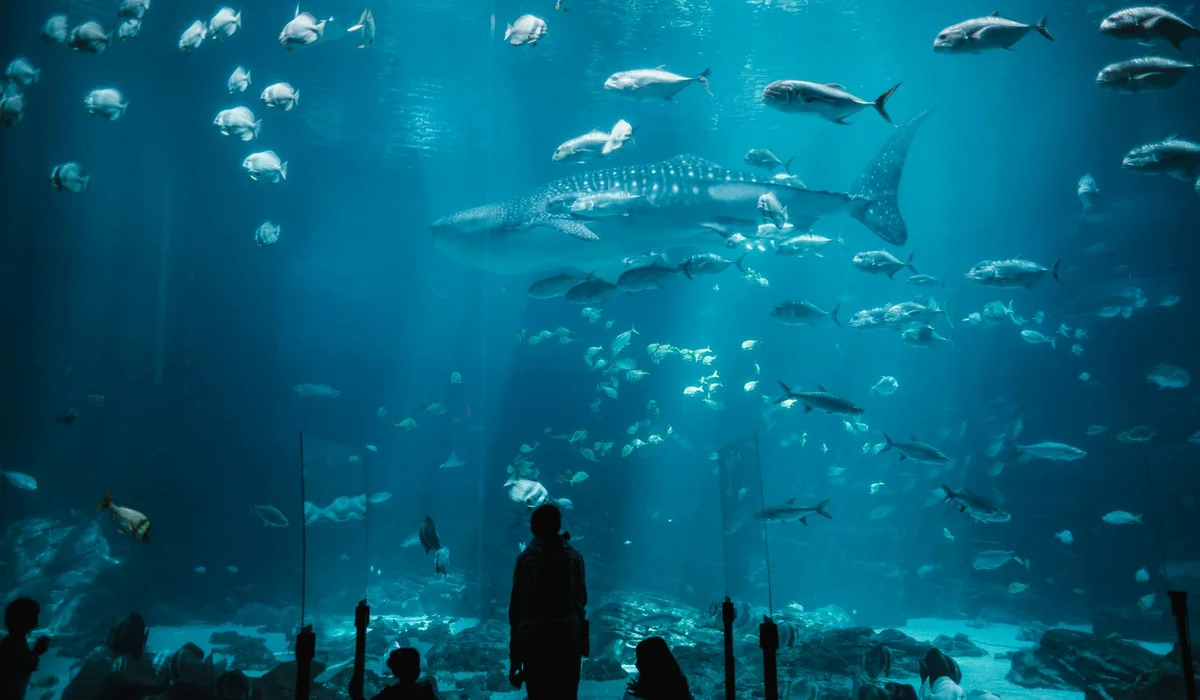
National and International Regulations
The capture, trade, and display of beluga whales are governed by a patchwork of national laws and international treaties. In the United States, the Marine Mammal Protection Act (MMPA) sets the baseline, prohibiting “take” (harassment, hunting, capture) but granting permits for public display, research, and rescue to facilities that meet specific standards. Obtaining a permit is a rigorous process.
Key regulatory bodies and agreements include:
- The U.S. Animal and Plant Health Inspection Service (APHIS): Conducts unannounced inspections of licensed facilities to enforce the Animal Welfare Act standards for enclosure size, water quality, and veterinary care.
- Fisheries and Oceans Canada: Manages beluga populations in Canadian waters, where wild captures for aquarium display have historically occurred but are now subject to intense scrutiny and stricter quotas.
- CITES (Convention on International Trade in Endangered Species of Wild Fauna and Flora): Lists some beluga populations on Appendix II, meaning any international trade requires export permits to ensure it is not detrimental to the survival of the species.
Evolving Standards for Marine Mammal Enclosures
Standards for what constitutes an acceptable enclosure have changed dramatically since the first beluga was put on display. Where once a concrete tank was the norm, modern designs for new habitats emphasize greater depth, more complex topography, and variable water currents to encourage natural movement. There is also a greater emphasis on environmental enrichment-introducing novel objects, changing feeding routines, and creating sensory stimuli.
The debate is now moving beyond improving tanks to questioning their very existence for large cetaceans. Nations like Canada have passed laws phasing out the captivity and breeding of whales and dolphins for entertainment, though with exemptions for existing animals and rescue operations. This shift reflects a growing public and legislative belief that the welfare needs of such intelligent, mobile beings cannot be fully met in a captive setting, regardless of the size or sophistication of the tank.
The Visitor Experience and Public Education Impact
What a Beluga Whale Encounter Teaches Us
Standing before a beluga whale habitat, hearing the soft whoosh of their breaths and seeing the fluid dance of their bodies, creates a powerful memory. That direct encounter makes textbook facts about Arctic ecosystems feel immediate and real, teaching visitors about beluga social pods, sophisticated echolocation, and the chilling threats of a warming climate.
This emotional connection can genuinely inspire people to care about ocean conservation, perhaps leading them to reduce plastic use or support marine charities. The risk, however, is that repeated visits to a flawless, artificial habitat can subtly normalize the idea of keeping such intelligent, wide-ranging creatures permanently confined. That ties into the debate over monster fish keeping home aquariums. Proponents argue that with proper tanks and care, such setups can educate, while critics warn about welfare and space constraints.
You can engage more critically by looking beyond the spectacle. Observe the whales’ behaviors-are they actively interacting with their environment or swimming repetitive patterns?-and pair your visit with documentaries about their wild counterparts to hold both realities in your mind.
Tourism and Economic Considerations
Beluga whales are undeniable star attractions, their presence significantly boosting aquarium attendance and annual revenue from tickets and souvenirs. This influx of visitor dollars often provides crucial funding for the facility’s other work, like rehabilitating injured seals or funding graduate research on wild beluga populations.
The sustainability of this model is a double-edged sword. While that revenue stream supports broader conservation goals, it also perpetuates a financial dependency on displaying large marine mammals, which can limit incentive to explore alternative, non-display models for public education.
Looking Forward: Alternatives and Responsible Viewing

Ethical Alternatives for Witnessing Beluga Whales
If an aquarium visit leaves you with mixed feelings, know there are other ways to experience the wonder of belugas. Each option offers a different blend of accessibility, impact, and authenticity for the home aquarist curious about the larger aquatic world. If you’re a beginner, you may wonder whether the best themed aquarium ideas are right for you. We’ll help you identify beginner-friendly themes and simple setups to get started.
- Responsible Wild Whale Watching: Joining a certified, eco-conscious tour in places like Churchill, Canada, lets you see belugas in their vast, natural environment. Pro: It supports local economies and offers an unparalleled, authentic spectacle. Con: It requires significant travel and budget, and sightings are never guaranteed.
- Virtual Reality (VR) Experiences: High-quality VR can simulate swimming alongside belugas without leaving your home. Pro: It’s accessible, affordable, and has zero impact on animal welfare. Con: It lacks the sensory depth and emotional gravity of a real-life encounter.
- Coastal Sanctuary Projects: These are protected sea inlets being developed as retirement spaces for cetaceans formerly in captivity. Pro: They offer a more ethical, naturalistic lifetime care model. Con: They are very few in number and public access is typically restricted or observational only.
How to Be an Informed Aquarium Visitor
Your curiosity and questions as a visitor have real power to influence aquarium practices. Being informed turns a passive visit into an active dialogue about animal welfare and conservation ethics. Are the signs highlighting healthy vs unhealthy aquarium signs? What indicators should you look for to tell the difference? Don’t hesitate to ask staff or check the facility’s website for answers to these key questions:
- What is the origin of your beluga whales? Were they born in this facility, transferred from another, or originally taken from the wild?
- Can you share details about their primary habitat? How does its total volume and depth compare to the distances they would naturally travel?
- What does your daily enrichment program look like? How do you provide mental stimulation and mimic natural foraging behaviors?
- How does exhibiting belugas directly contribute to their conservation in the wild? Is a defined portion of revenue dedicated to field research or habitat protection?
FAQs
Why do some people object to belugas in aquariums when their care seems advanced?
Even with advanced care, critics argue that captivity cannot meet a beluga’s core needs for vast space, complex social structures, and sensory-rich environments. The fundamental concern is that artificial habitats, regardless of their size or technology, restrict natural behaviors like deep diving and long-distance travel, which are essential to their well-being.
How do the social lives of captive belugas compare to those in the wild?
In the wild, belugas live in dynamic, fluid pods that can number in the hundreds, with relationships changing across seasons and activities. In aquariums, their social group is small, static, and human-managed, which can lead to stress or artificial social dynamics that don’t fully replicate the complexity of their natural interactions.
As a visitor, how can I tell if an aquarium is prioritizing beluga welfare?
Look for signs of active engagement and varied behaviors, not repetitive pacing or surface floating. Check if the facility is transparent about its enrichment programs, veterinary care, and conservation funding. Accredited institutions like those by the AZA have stringent welfare standards that are a good baseline indicator.
What is the long-term outlook for belugas currently in aquariums?
Most existing belugas will likely remain in accredited facilities for their lifetimes, as they are often non-releasable. The future trend, however, is shifting toward phasing out breeding and entertainment displays, with a growing focus on coastal sanctuaries for retirement and a greater emphasis on rescue, rehab, and non-invasive research.
Your Aquarium Ethos: Beyond the Glass
The conversation about beluga whales highlights that ethical animal care is paramount, whether in a public facility or your own living room tank. Great white sharks in captivity illustrate why some species aren’t kept in captivity: they require vast, dynamic ocean environments that tanks cannot replicate. Use this perspective to critically evaluate any aquarium you visit, favoring those that demonstrate transparent, science-based welfare practices for all creatures.
Carry this mindful approach into your fishkeeping by dedicating yourself to learning about proper tank maintenance, ethical breeding, and species-specific needs. This journey of responsible care not only ensures the health of your pets but deepens your connection to the fascinating underwater world we strive to protect, especially when paired with ethical fish sourcing.
Further Reading & Sources
- The Day | Misguided Critics Don’t Realize Places like Mystic Aquarium Protect Belugas – American Humane Society
- r/marinebiology on Reddit: Georgia Aquarium’s Beluga Whale Controversy
- Georgia Aquarium’s Beluga Whale Capture Comes Under Fire | WIRED
- Animal Law Review Animal Law Review Volume 25 Issue 2 Article 2 2019
- r/whales on Reddit: Beluga whale (question)
Lia is an expert in aquarium and pet fish care. Having worked in the marine industry and having cared for multiple pet fish, she has acquired first hand expertise on aquarium care, maintenance and setup. She always brings her practical expertise and science to help solve any aquarium related queries.
Fish Species