
Instant Cycling Uncovered: The Honest Guide to Bottled Bacteria in Aquariums
Hello fellow fish keepers! That enticing promise on a bottle-to cycle your new tank instantly-feels like a dream come true, doesn’t it? You want happy fish in a stable home without the long wait, and these products seem to offer just that.
This guide cuts through the hype and gives you the clear facts. We’ll cover:
- What an “instant cycle” truly means for your tank’s ecosystem
- How bottled bacteria products actually work (and where they often fall short)
- The real-world effectiveness based on water chemistry and setup
- Step-by-step tips to use these products wisely alongside traditional methods
My advice comes from hands-on experience maintaining planted tanks and breeding fish like bettas and corydoras, testing these solutions through trial and error.
Decoding the “Instant Cycle”: What Does It Really Mean?
When you see “instant cycle” on a bottle, it’s marketing shorthand for a dream: adding fish to a new tank immediately with no waiting period. This promise suggests you can skip the weeks of testing and water changes that traditional cycling demands. It sounds like a magic solution, especially when you’re excited to see your aquarium come to life.
Contrast this with the natural nitrogen cycle, a process that can’t be rushed. Expecting an instant cycle is like planting seeds and demanding a full garden by morning-biology doesn’t work that way. This nitrogen cycle is crucial for your aquarium because it continuously neutralizes waste and prevents harmful ammonia buildup, keeping fish healthy. The traditional cycle is a slow, steady buildup of beneficial bacteria that convert toxic fish waste into safer compounds.
To understand the gap, let’s clarify some key terms. Nitrification is the two-step process where bacteria turn ammonia into nitrite, and then into nitrate. Bacterial strains like Nitrosomonas and Nitrobacter are the specialized workers behind this cleanup crew. Microbial ecology refers to the entire living community in your filter and substrate, which needs time to become stable and resilient.
The Biological Promise vs. The Bottled Claim
In a traditional cycle, you’re building an ecosystem from scratch. First, ammonia from fish food or waste appears. Specific bacteria then consume that ammonia, producing nitrite, which is still highly toxic. Next, different bacteria convert that nitrite into nitrate, which is less harmful and removed through water changes.
Bottled bacteria products claim to shortcut this by pouring in a ready-made army of these nitrifiers. The idea is that you add the bottle, then add fish, all in the same day, because the bacteria are supposedly already alive and working. I’ve tried this method myself, and while it can sometimes speed things up, “instant” is almost always an overstatement.
This introduces the critical concepts of CFU viability and shelf-stable probiotics. CFU stands for Colony Forming Units-the number of live, active bacteria in the bottle. Just like probiotics in your fridge, these cultures can lose potency if stored incorrectly or if the product is old. A bottle might contain billions of CFUs, but if they’re dormant or dead, they won’t cycle your tank.
The Science in the Bottle: What Are You Actually Adding?
Peeling back the label, most products contain specific nitrifying bacteria strains. Common ones include Nitrosomonas europaea for ammonia and Nitrobacter winogradskyi for nitrite. Some advanced blends also contain heterotrophic bacteria that help break down organic waste, adding another layer of cleanup. It’s a targeted microbial cocktail designed for aquarium water.
Preserving these live, aquatic nitrifiers in a bottle is a huge challenge. These bacteria are sensitive to temperature changes, lack of oxygen, and simply sitting on a warm warehouse shelf for months. Many require a “cold chain” from manufacturer to store, which isn’t always perfect, impacting what you actually get.
To make it relatable, think of it like yogurt cultures or a sourdough starter. You need live, active cultures for fermentation to work, and their strength depends on how they’ve been handled. A bottled bacteria product is similar-it’s a starter culture for your tank, but its effectiveness isn’t guaranteed straight from the shelf.
Ingredients and Preservation: From Lab to Tank
A typical bottle lists ingredients like water, bacterial cultures, sometimes prebiotics (food for the bacteria), and preservatives to extend shelf life. You might also see stabilizers that keep the bacteria in a dormant state until they hit the water. It’s not just about what’s in it, but how those ingredients are kept alive.
Three major factors directly affect whether those CFUs are viable when you use them:
- Packaging: Opaque, airtight containers protect bacteria from light and air exposure.
- Temperature: Most brands insist on cool, stable storage; heat can kill the cultures.
- Age: The closer to the production date, the better. An old bottle might be mostly inert water.
Quality control varies widely between brands. Reputable companies invest in safety testing and viability assays, but not all do, which is why some products get mixed reviews from aquarists. I always check manufacturing dates and store bottles properly, as even the best formula can fail if mishandled.
A Practical Guide to Using Bottled Bacteria
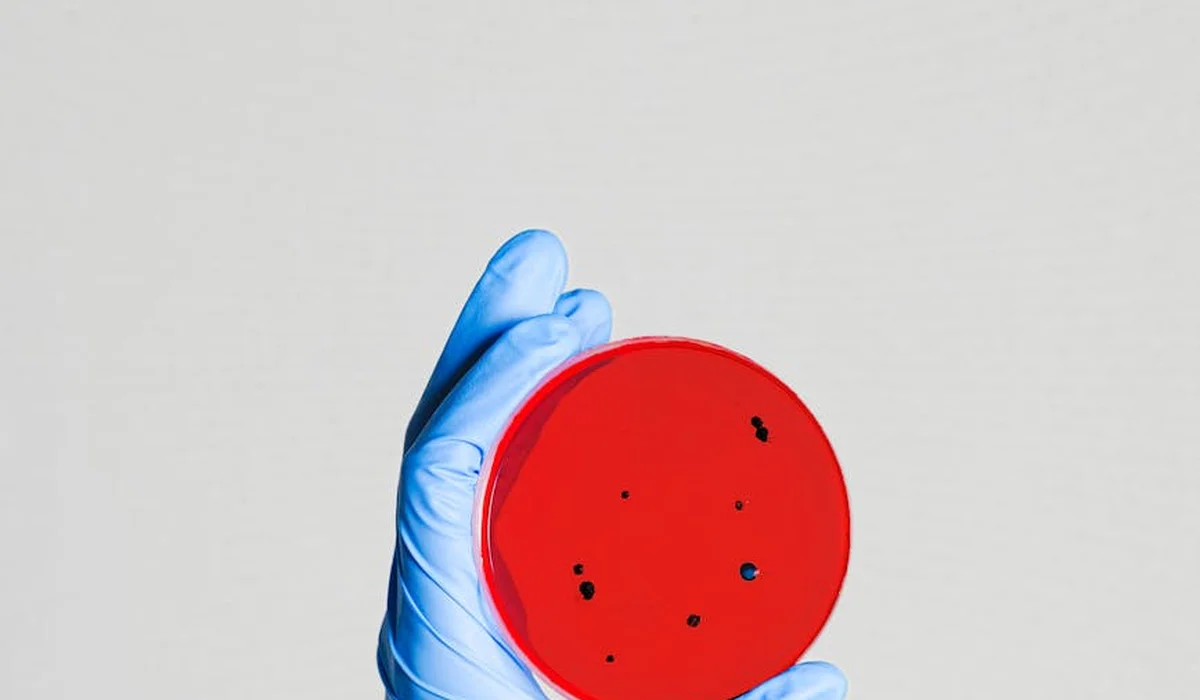
Think of bottled bacteria not as a magic potion, but as a head start for your tank’s invisible workforce. Using it correctly makes all the difference between a hopeful boost and a disappointing crash.
Tank Preparation
You must create a welcoming home for these bacterial colonies before you even twist the bottle cap. Start by placing all your chosen substrate-whether it’s smooth gravel, planting soil, or sand-into the dry tank. Arrange any hardscape and get your plants settled in. Next, fill the tank with water treated with a high-quality dechlorinator. Chlorine will kill the very bacteria you’re trying to add, so this step is non-negotiable. Finally, turn on your filter and heater, setting the temperature to a standard 78-80°F (25-27°C) for tropical community tanks. The gentle hum of the filter and the flow of warm, dechlorinated water creates the perfect environment for your bottled allies to settle in and get to work.
- Add your substrate and hardscape to the dry aquarium.
- Fill the tank with water, using a full dose of dechlorinator.
- Turn on your filter and heater, ensuring proper water flow and temperature.
Product Application
Shake the bottle vigorously for at least 30 seconds. Those bacteria have been dormant and need to be thoroughly mixed. Always, always follow the dosing instructions on the label for your tank’s volume. More is not better; overdosing can cause a bacterial bloom that turns your water milky white without actually speeding up the cycle. Pour the recommended amount directly into the filter box or in front of the filter intake, ensuring it gets pulled into the media where it’s needed most. Some products recommend a second dose after 24 or 48 hours-mark your calendar so you don’t forget.
The Critical Waiting Period
This is where patience becomes your most important tool. Your tank is not ready for fish the moment the bacteria bottle is empty. You must monitor the water chemistry daily with a reliable liquid test kit. Test for ammonia and nitrite every single day, looking for the classic signs of a cycle: an ammonia spike, followed by a nitrite spike, and finally the glorious rise of nitrates with zeros for the first two. Even with bottled bacteria, this process can still take 7 to 14 days, and you must see it happen on your test kit to believe it. If ammonia or nitrite readings soar above 2 ppm, you may need a partial water change to protect any potential starter fish.
Adding Your Fish
Once your tests show zero ammonia and zero nitrite for at least two consecutive days, you can consider adding a very small number of hardy fish. I’m talking about a tiny group, like two or three zebra danios in a 20-gallon tank. This is not the time to add your entire dream stock list. The bacteria colony is still fragile and needs a steady, small food source (fish waste) to strengthen, not an overwhelming deluge. This careful, staggered approach is the true “safe start” method, not an instant green light.
Weighing the Pros and Cons: Benefits vs. Drawbacks
Let’s look at the real value and the common pitfalls of these products with clear eyes. I’ve used them for years, and they are a tool, not a total solution.
Potential Benefits
- Can genuinely reduce the total time to establish a robust nitrogen cycle from weeks to potentially a week or two.
- Helps dampen the initial dangerous ammonia spike when adding your first, small group of fish.
- Invaluable for seeding a new filter sponge in an already established tank or boosting a hospital tank’s biology.
The best benefit is risk mitigation, giving a new system a fighting chance against toxic compounds from day one.
Common Drawbacks
- Inconsistent results plague the industry. If the bottle was stored in a hot warehouse or is past its expiry, the bacteria are likely dead.
- Consumer skepticism runs high because many people experience total failure, expecting an “instant” result with no testing.
- Promotes dangerous misinformation when marketed as a complete, no-wait solution, leading to fish-in cycles by unprepared hobbyists.
A failed product can set you back both time and money, and worse, erode your trust in a useful category of aquarium aids. To minimize downtime and unnecessary replacements, use an aquarium equipment failure checklist to diagnose issues before replacing. A quick check can show whether a repair is feasible or a true replacement is needed.
When Bottled Bacteria Helps Most
Understanding the ideal scenarios for these products will save you frustration and make your aquarium life easier.
- Seeding New Filter Media: Squeezing an established filter sponge over a new one is best, but a bottle of bacteria is a fantastic second option to quickly colonize fresh biomedia.
- After Medicating a Tank: Antibiotics and antifungal treatments can wipe out your beneficial bacteria. Using bottled bacteria post-treatment helps rebuild the colony faster.
- Emergency Ammonia Control: If you get a surprise ammonia reading in an established tank, a dose can help bolster the existing bacteria to handle the load.
Contrast this with the classic failure scenario: expecting to pour in a bottle, add a full stock of fish an hour later, and have a perfectly balanced tank. That fantasy leads directly to heartache and sick fish. The products work best as a supplement to good practice, never as a replacement for it.
Seeing Through the Marketing: Truth, Hype, and Healthy Skepticism
Walk down any aquarium aisle, and you’ll see bold promises on bottles claiming to cycle your tank in hours. My years of keeping bettas like Captain Fin and sensitive bottom dwellers like Shadow have taught me to view these claims with a hefty dose of salt. While salt isn’t a cure-all for every tank, it can support freshwater health in certain contexts. Used sparingly, it’s not a substitute for proper filtration or water changes. The aquarium industry, while fantastic, can sometimes prioritize a quick sale over the nuanced reality of aquatic biology.
-
Address exaggerated regulatory claims and the “truth about marketing” in the aquarium industry.
Products are rarely held to pharmaceutical-grade testing standards. A phrase like “contains nitrifying bacteria” is not a guarantee those bacteria are alive, thriving, or the right strains for your specific tank water. I’ve seen bottles that work brilliantly one time and do absolutely nothing the next, which speaks volumes about consistency.
-
Discuss how to interpret product labeling-look for CFU count, expiration date, and storage requirements.
Turn the bottle over and look for the colony-forming unit (CFU) count, a date stamp, and refrigeration needs. A high CFU number from a recent batch stored in a cool place gives you a fighting chance, while an old bottle left on a warm shelf is likely just expensive water. This simple check separates the potentially useful from the definitely wasteful.
-
Encourage independent research and share anecdotal experiences from seasoned aquarists about variable results.
Online forums and clubs are goldmines for real-world data. You’ll hear from veterans who swear by certain brands for shrimp tanks but warn against them for cichlid setups, highlighting how tank chemistry changes everything. For goldfish specifically, the ideal tank setup hinges on avoiding common mistakes—like overcrowding, undersized filtration, or abrupt water changes. Sticking to stable cycling, ample filtration, and regular maintenance keeps the cycle and the fish healthier. My own trial with a popular brand during a goldfish tank setup for a friend showed a slower cycle than my traditional, food-based method.
Building Your Own Evidence: How to Test a Product
If you’re curious or skeptical, the best proof comes from a simple home experiment. This hands-on test cuts through marketing and shows you exactly what a product does in your water, with your equipment.
-
Set up two identical, small, fishless cycling tanks.
Use two 5-gallon tanks with the same filter, substrate, and dechlorinated water. Keeping everything identical except for one variable-the bacteria product-is the key to getting clear, actionable results.
-
Use the bottled bacteria in one and not the other (the control).
Dose the “test” tank exactly as the bottle instructs. The “control” tank cycles naturally, giving you a baseline to measure any acceleration against. This side-by-side comparison is revealing.
-
Measure and compare daily ammonia and nitrite levels to see if the product accelerates the cycle.
Add the same ammonia source to both tanks daily. If the bottled bacteria works, you should see ammonia and nitrite drop to zero significantly faster in the test tank than in the control. If both tanks progress at the same rate, the product didn’t deliver. To verify the results, follow a step-by-step guide to test your aquarium water properly and record the readings over time. This helps ensure your readings are accurate.
For the New Aquarist: Simplifying the Journey
Starting your first tank can feel overwhelming with all the technical talk. Remember, every expert was once a beginner staring at a test kit, just like you are now. Cycling is simply about growing a microscopic cleanup crew for your fish’s waste. Now we’ll walk you through a simple, step-by-step guide to cycle your tank properly. You’ll learn each stage, from setting up the filter to checking ammonia, nitrite, and nitrate levels.
-
Reassure beginners that cycling is a normal, learnable process. Avoid jargon.
Think of it not as a complex chemical chore, but as gardening for invisible helpers. You’re creating a home for beneficial bacteria, and that home needs time to be built and stocked. There’s no shame in a cycle that takes a few weeks; it’s nature’s pace.
-
Offer a beginner-friendly analogy: compare building bacteria to cultivating a sourdough starter-it needs food and time.
You wouldn’t expect a sourdough starter to be ready for baking in a day. Similarly, your tank’s bacterial colony needs regular “food” (ammonia) and patience to become strong and stable enough to handle fish. Rushing it often leads to cloudy water and stressed fish.
-
Set realistic expectations: even with a booster, plan for at least 1-2 weeks of careful monitoring before adding fish.
Treat any bottled product as a possible head start, not a magic wand. You must still test your water every other day until you see zero ammonia, zero nitrite, and some nitrate, which confirms a working cycle. Adding fish before this point risks exposing them to toxic spikes.
Your First Tank: A Step-by-Step Mindset
Embrace these core principles, and you’ll build a healthier tank for friends like Goldie the goldfish, who need pristine water. Success in fishkeeping has more to do with consistent habits than any single product in a bottle.
-
Patience is your most important tool.
Good aquariums are not built in a day. Resist the urge to add fish too soon; waiting for a full cycle is the kindest thing you can do for your future aquatic pets. The hum of a filter on an empty, cycling tank is the sound of a responsible start. Knowing when your aquarium is fully cycled is key.
-
Always dechlorinate your water.
Tap water contains chlorine that kills bacteria-both bad and good. Every time you add water, a water conditioner is non-negotiable to protect the delicate ecosystem you’re trying to cultivate. I never skip this, even for top-offs.
-
Use a water test kit-it’s your window into the invisible cycle.
Liquid test kits are far more reliable than strips. Seeing the vial turn from yellow to blue for ammonia gives you concrete data, removing the guesswork from tank management. Test regularly, and you’ll learn to read your tank’s health. That reading isn’t just a number—it’s what your aquarium results mean for your fish. If ammonia shows up, act quickly with water changes and filtration checks to bring levels back to zero.
-
Consider using a pinch of fish food or pure ammonia as a bacteria food source instead of relying solely on a bottle.
A tiny pinch of flakes decaying in the tank produces ammonia naturally. This DIY method is cost-effective and mimics the eventual waste produced by fish, training the bacteria for the real job ahead. In practice, many hobbyists perform a fishless ammonia-cycle by adding controlled amounts of ammonia to feed the bacteria until the cycle completes. It’s how I’ve cycled most of my tanks, with great success.
Evaluating Quality: What Makes a Bottled Bacteria Product Worthwhile?
Not all bottled bacteria are created equal. The market is flooded with options, and choosing the right one can feel like a gamble. Your success hinges on reading the fine print and understanding what truly indicates a viable, effective product.
Key Criteria for Assessment
When you’re scanning the shelf or an online listing, focus on these four critical details. If a product is missing them, put it back.
- Clear Labeling of Bacterial Strains: Look for specific genus and species names, like Nitrosomonas europaea or Nitrobacter winogradskyi. Vague terms like “waste-eliminating bacteria” are a red flag. A quality product tells you exactly what’s inside.
- High CFU Count: CFU means “Colony Forming Units.” This is the concentration of live bacteria. Aim for a product with a count in the billions (e.g., 1 x 10^9 CFU/mL or higher). A higher count means more “workers” to kickstart your biological filter.
- Recent Production Date & Expiration: These bacteria have a shelf life. Always check for a manufacture date or a “use-by” date. The fresher, the better. I never buy a bottle if I can’t find this information.
- Proper Storage Claims: Some nitrifying bacteria are sensitive to heat and require refrigeration (a “cold chain”). If the label says “refrigerate,” believe it. A bottle left baking on a warehouse shelf has likely lost most of its potency.
The Supporting Role of Prebiotics
You might see some products advertise added “prebiotics” or “bacterial nutrients.” This isn’t just a marketing gimmick. Think of prebiotics as a packed lunch for the bacteria you’re adding; they provide an immediate food source to help the colonies establish and multiply in your tank’s new environment. While not strictly necessary, a product containing prebiotics can give the bacteria a better survival rate during those critical first hours after dosing, especially in a sterile new tank with no existing waste.
Smart Purchasing Practices
Your source matters as much as the product itself. Purchase from reputable aquarium specialty stores or well-known online suppliers with high turnover. They are more likely to have proper storage and fresh stock. Be deeply skeptical of any product that promises a complete, foolproof “instant cycle” with fish already in the tank; this sets unrealistic expectations and can lead to heartache. A good bottled bacteria is a powerful booster, not a magic potion that removes your responsibility for careful, monitored stocking and water testing. If the claims sound too good to be true, they almost always are.
Common Questions
What are the real-world examples of the instant cycle?
In practice, a true “instant cycle” is very rare. The most common real-world application is successfully using a bottled bacteria product to significantly shorten the traditional cycling period from weeks down to 7-14 days when starting a brand new tank. Another example is using it to quickly re-establish a filter’s bacteria after medicating a tank, as antibiotics can wipe out the beneficial colony.
What are the stages of the instant cycle process?
The marketed “instant cycle” suggests skipping stages, but biologically, the same stages must occur: introducing ammonia, establishing ammonia-oxidizing bacteria, and then nitrite-oxidizing bacteria. With a quality product, these stages are accelerated and condensed, but not eliminated. You will still observe-or hope to observe-a rapid, small ammonia spike, followed by a nitrite spike, and finally the presence of nitrate.
How is the instant cycle measured or evaluated?
It is measured exactly like a traditional cycle: with consistent water testing. The only proof is a liquid test kit showing 0 ppm ammonia and 0 ppm nitrite, with the presence of nitrates, over consecutive days. The evaluation is based on how quickly a tank reaches and maintains this state after the bottled bacteria is added compared to a control tank cycling naturally.
How can the instant cycle concept be explained simply to beginners?
Think of it like buying a pre-made starter for a sourdough bread instead of growing it from wild yeast. The bottled bacteria is a pre-made “starter culture” for your tank’s invisible cleanup crew. It can give you a head start, but you still need to “feed” it carefully and wait for the crew to grow strong enough to handle a full workload of fish waste. Understanding the roles of the cleanup crew helps you manage expectations and water quality. In freshwater tanks, bacteria handle waste conversion while snails, shrimp, and other critters help with leftover debris.
Building a Thriving Tank Takes Time
Treat bottled bacteria as a supportive booster, not a magic potion, and never skip confirming your cycle is complete with reliable water tests. A successful aquarium hinges on cultivating robust bacterial colonies, which simply cannot be rushed into existence overnight.
Being a great fish keeper means embracing the process, celebrating small wins in water clarity, and always seeking to understand the silent language of your tank. Your dedication to learning directly shapes the health and happiness of every finned friend in your care.
Further Reading & Sources
- r/Aquariums on Reddit: Does bottled beneficial bacteria actually help with cycling a tank?
- Test of bacteria-in-a-Bottle Products
- Bottled Bacteria Vs. Seeding – What’s Best For Cycling a New Reef Aquarium – Bulk Reef Supply
- Bacteria-in-a-Bottle Review
- Cycling and Understanding the Good Bacteria – Advanced Aquarium Concepts
Lia is an expert in aquarium and pet fish care. Having worked in the marine industry and having cared for multiple pet fish, she has acquired first hand expertise on aquarium care, maintenance and setup. She always brings her practical expertise and science to help solve any aquarium related queries.
Filtration Systems