
How to Know Your Aquarium is Cycled: The Definitive Signs You Can Trust
Hello fellow aquarium caretakers! That nervous excitement of setting up a new tank often turns into anxious waiting, wondering if the water is truly safe for your finned friends. I’ve been there, hovering over test tubes, and this guide will give you the clear, actionable signs to end the guesswork for good.
I’ll break down exactly what to look for, so you can add fish with confidence. Here’s what we’re covering:
- The specific, non-negotiable water test results that signal a balanced ecosystem.
- Behavioral hints from your fish, like energetic swimming and healthy appetites.
- Visual cues in your tank, from crystal-clear water to predictable algae growth.
- Simple stability tests you can do to confirm your cycle is robust and complete.
My advice comes from multiple years of hands-on experience running high-tech planted systems and successfully breeding sensitive fish.
The Quiet Miracle of a Cycled Tank
Walking up to a fully cycled aquarium feels different-the water has a sparkling clarity, and the gentle hum of the filter is the only sound you hear. Your fish, like my betta Captain Fin, display vibrant colors and active behaviors because they are no longer stressed by invisible toxins. This stability isn’t magic; it’s the result of billions of beneficial bacteria working silently around the clock to process waste.
You’ll notice your goldfish, similar to Goldie, foraging eagerly without gasping at the surface, and shy bottom-dwellers like Shadow exploring more openly. The true sign of this quiet miracle is consistent water test results showing zero ammonia and zero nitrite over several weeks, with only a manageable amount of nitrate. Your tank maintains balance with minimal intervention, letting you enjoy the shimmer of scales instead of constant worry.
From my own tanks, I’ve seen how a cycled system supports plant growth and reduces algae outbreaks. Regular testing is your best friend here, confirming that your aquatic ecosystem can handle the bio-load from feeding and fish waste. It’s a rewarding moment when you realize your careful setup has created a self-sustaining underwater world. Using live aquatic plants can speed up cycling by absorbing ammonia and nitrite as beneficial bacteria establish themselves. With healthy plant life, you may reach a stable cycle faster and keep water quality steady.
Meet Your Microscopic Maintenance Crew: The Nitrogen Cycle
Think of the nitrogen cycle as a tiny, efficient waste treatment plant inside your aquarium, powered by invisible bacteria. These microbes are your most valuable tank inhabitants, converting harmful fish waste into less dangerous compounds through a precise three-stage process. I like to imagine them as a dedicated cleanup crew, always on duty to keep your fish safe. Its importance is simple: it keeps toxic ammonia and nitrite in check, ensuring a safe home for your fish. Understanding it helps you set up and maintain a thriving tank.
Here’s how this microscopic crew works in simple steps:
- Ammonia Phase: Fish waste and decaying food release ammonia, which is highly toxic. Bacteria called Nitrosomonas start colonizing your filter and substrate, eating ammonia and producing nitrite.
- Nitrite Phase: Nitrite is still dangerous, causing fish to gasp or hide. Another group, Nitrobacter bacteria, steps in to consume nitrite and convert it to nitrate.
- Nitrate Phase: Nitrate is relatively harmless at low levels and is removed through weekly water changes or absorbed by live plants.
To foster this crew, avoid cleaning all your filter media at once and use a water conditioner that detoxifies chlorine. Testing your water regularly with a liquid test kit is non-negotiable-it’s the only way to “see” these bacteria at work. You’ll know your cycle is complete when ammonia and nitrite hit zero, while nitrate begins to rise steadily, indicating your crew is fully staffed and operational.
In my experience, adding a small amount of fish food or bottled ammonia during the initial cycle helps train these bacteria without risking fish health. Patience is key; this process can take 4 to 8 weeks, but once established, it creates a resilient foundation for any aquarium. So, how long does it take to cycle a fish tank? Most setups require about 4–8 weeks to reach a stable, fish-safe cycle. Your fish will thrive, and you’ll spend less time fixing problems and more time enjoying the tranquil beauty of your tank.
The Unmistakable Signs Your Cycle is Complete
1. Ammonia and Nitrite Have Vanished
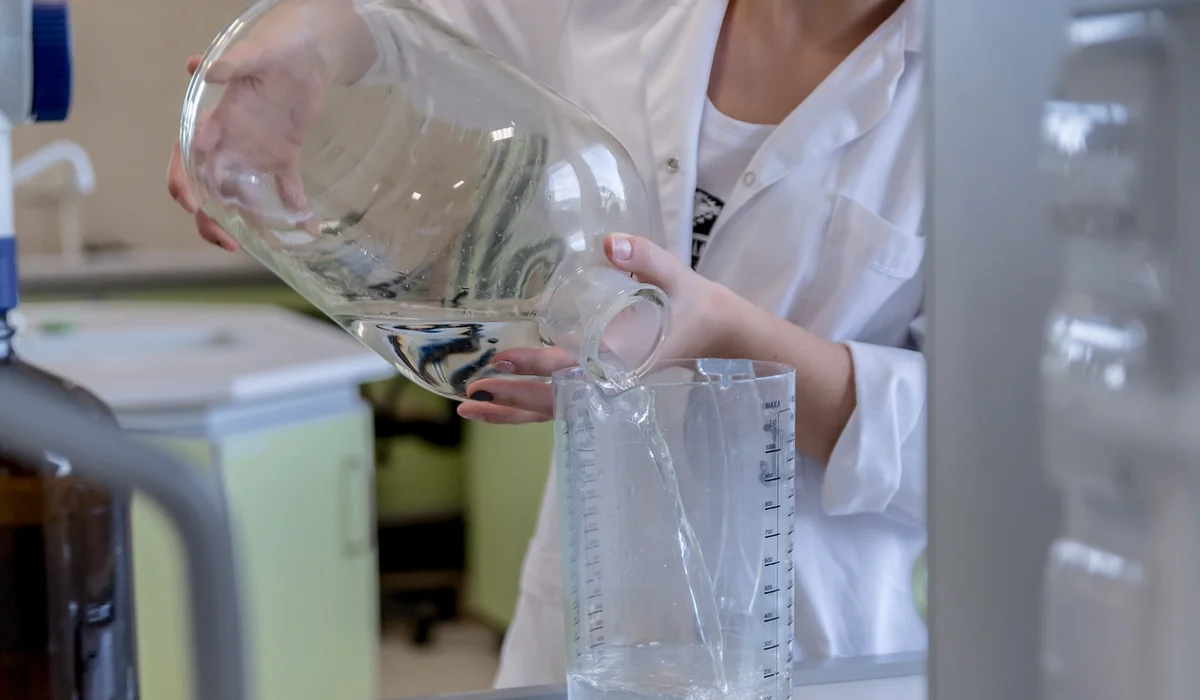
Open your test kit and look for two zeros. In a fully cycled tank, the beneficial bacteria you’ve cultivated are so efficient that they convert harmful ammonia into nitrite and then immediately into nitrate. When both ammonia and nitrite read a steady 0 ppm for several days in a row, you can finally breathe easy-the most dangerous phase is over. I remember the week I was cycling a tank for Captain Fin; that moment the liquid in both test tubes stayed a perfect, clear yellow was pure relief. The sharp, pungent smell of ammonia is replaced by the clean, neutral scent of healthy water. Knowing how to test for ammonia is crucial to understanding when your tank is truly cycled.
2. Nitrates Are Present and Manageable
Here’s the twist: you want to see some nitrates. This is the evidence that the nitrogen cycle is running from start to finish. While ammonia and nitrite are toxic, nitrate is less so, but you must manage it. A cycled tank will show nitrate readings, typically between 5-20 ppm for a fish-only setup, telling you the biological filter is actively processing waste.
3. Your Water Has a Crystal Clarity
The murky, milky cloud of a bacterial bloom fades away, revealing water so clear you can count the pebbles on the far side. This clarity isn’t just aesthetic; it signals that the explosive growth of floating bacteria has stabilized into a balanced biofilm on your filter media and substrate. The shimmer of scales under your tank light and the crisp view of every plant leaf are visual rewards for your patience during the cycle. When I see Shadow darting between the stems, his speckled pattern sharp against the clean water, I know the system is settled.
4. Your Tank Parameters Stay Steady
A mature aquarium doesn’t swing. Test your pH, hardness, and temperature at the same time each day. If they hold firm, you’ve achieved ecosystem stability. Fish are creatures of habit, and consistent water conditions prevent stress, which is a silent killer often missed by beginners. I monitor my tanks daily, and that reliability is why Goldie is always actively foraging. Think of it like tuning an instrument; once it’s set, it produces harmony without constant adjustment.
How to Test and Confirm Your Tank is Ready
The Daily Double-Check Method
Don’t trust a single test. For one full week, test your water every day at roughly the same time. Use a reliable liquid test kit, as strips can be less accurate. This logbook approach reveals patterns, proving your tank can handle waste consistently, not just in a one-off moment. Here is my simple routine:
- Fill test tubes with tank water each morning before feeding.
- Add reagents for ammonia, nitrite, and nitrate, shaking as directed.
- Record the colors and corresponding ppm values in a dedicated notebook.
- Look for seven consecutive days of 0 ppm ammonia, 0 ppm nitrite, and stable nitrate readings.
This method caught a mini-cycle in my betta’s tank once, where nitrite spiked on day three, telling me to wait longer.
The “Ammonia Challenge” Final Exam
This is the ultimate test before adding fish. Dose your tank with pure ammonium chloride to raise ammonia to 1-2 ppm. Then, test every 12 hours. If your tank is truly cycled, that ammonia, and any resulting nitrite, will be completely converted to nitrate within 24 hours. It’s a stress test for your bacteria. This is the fishless ammonia cycling method used to establish beneficial bacteria before introducing fish. By dosing ammonium chloride, you mimic the ammonia produced by fish waste without any fish in the tank. I did this with a quarantine tank last month, and seeing the ammonia vanish overnight gave me total confidence to add new fish. A word of caution: only perform this challenge in a fish-less tank. If you use fish food to generate ammonia, the process is slower but follows the same principle—monitor until both ammonia and nitrite hit zero again.
If Your Tank Isn’t Cycling Yet: Next Steps
Seeing ammonia with no nitrites or nitrates can feel defeating. Your tank is in the initial phase, and that’s perfectly normal. The key now is strategic action, not starting over.
Seeding Your Filter: A Helpful Jump Start
Think of this as borrowing beneficial bacteria from a friend’s established tank. You’re adding a ready-made workforce to speed up the process. I’ve used this method for quarantine tanks countless times.
The most effective method is to take used filter media-a sponge, floss pad, or ceramic ring-from a healthy, disease-free aquarium and place it directly into your new filter. This introduces a massive colony of bacteria immediately.
If you don’t have an aquarium buddy, you have other good options:
- Commercial Bacteria Starters: Brands like Dr. Tim’s or Tetra SafeStart can work. Store them properly and check expiration dates for the best results.
- Substrate or Decor: Gravel or a small ornament from a cycled tank can harbor helpful bacteria, though in smaller amounts than filter media.
- Filter Squeezings: Ask a local fish store if they can squeeze a dirty filter sponge into a bag of water for you; that murky water is teeming with life.
Patience and Persistence: The Only Real Shortcut
Even with seeding, you cannot rush a cycle. The bacteria need time to find their home on your tank’s surfaces and reproduce to match the ammonia load.
Continue adding your ammonia source daily and testing the water every 24-48 hours, watching for that telltale nitrite spike and subsequent fall. This period is where many beginners get anxious and make changes that reset progress.
I learned this the hard way with my first tank. I changed the filter cartridge because it looked dirty, not realizing I’d thrown away the entire bacterial colony. My cycle crashed, and I had to start from zero. Resist the urge to clean anything except the viewing glass during this phase. The hazy water and biofilm are signs of life, not failure.
Keeping Your Cycled Aquarium Thriving
Congratulations on reaching zero ammonia and nitrites! Now, your focus shifts from building the ecosystem to maintaining its delicate balance. A cycled tank is a living system, not a finished project.
The single biggest threat to your established filter is overcleaning. When you rinse filter media, always use water you’ve removed from the aquarium during a water change. Chlorinated tap water will instantly kill the beneficial bacteria you’ve worked so hard to cultivate.
Your maintenance routine is your new best friend. A stable, thriving tank relies on consistency.
- Weekly Water Changes: Change 10-25% of the water weekly to gently remove nitrates and replenish minerals. This is non-negotiable for long-term health.
- Filter Maintenance: Gently swish media in old tank water only when the flow slows, typically every 3-4 weeks. Never replace all media at once.
- Feed Mindfully: Overfeeding is the fastest way to spike ammonia and cloud your water. Feed only what your fish, like Captain Fin or Shadow, can consume in two minutes.
- Observe Your Crew: Clear water isn’t the only sign of health. Watch for active foraging from Goldie, vibrant colors on your betta, and steady breathing from all fish. These are the real indicators of a happy, cycled home.
Test your water parameters at least once a week, even when everything seems perfect; this log becomes an invaluable early-warning system for any invisible shift in chemistry. That consistent hum of the filter and the shimmer of healthy scales are your rewards for building a balanced world.
Safely Introducing Fish to Your New Ecosystem
Seeing zero ammonia and nitrites with a nitrate reading is your green light. Your tank’s biological filter is alive and ready, but tossing fish in like a bag of groceries will shock their systems. I treat this moment like introducing a new roommate to a clean apartment-you want them to feel at home without messing up the balance.
Master the Art of Acclimation
Sudden changes in water chemistry are a silent killer. Float the sealed bag in your tank for 20 minutes to equalize temperature, but that’s only half the battle. The water in that bag has different pH and mineral content than your pristine tank water.
Here is my tried-and-true drip method, perfect for sensitive fish like Shadow, my Corydoras:
- Net the fish from the bag into a clean bucket. Never pour store water into your tank.
- Use airline tubing with a loose knot to create a siphon from your tank to the bucket. Adjust the knot so it drips about 2-4 drops per second.
- Let this run for 45-60 minutes, doubling the water volume in the bucket.
- Gently net the fish and release them into the tank. Discard the bucket water.
This slow drip lets their bodies adjust without stress. For hardier species, I might use a slower version of the cup method, adding small amounts of tank water to their bag every 10 minutes.
Start With a Small, Hardy Crew
Even a cycled tank can only handle so much new waste at once. I never add more than two or three small fish at a time, waiting at least two weeks between additions. This gives your beneficial bacteria population time to grow and catch up with the increased bio-load.
Your first fish should be durable pioneers. Think about species like:
- Zebra Danios: Active and tolerant of newer tanks.
- White Cloud Mountain Minnows: Cool-water hardy fish.
- Certain livebearers like Guppies, but only males to avoid population explosions.
I learned this the hard way. When I was new, I added six fish at once after a cycle. The ammonia spiked within days because the bacteria colony wasn’t large enough yet. Patience here saves you from a heartbreaking crash.
Set the Stage for a Smooth Transition
Before the big day, do a small water change and ensure your heater and filter are running perfectly. Dim the tank lights for the first 6-8 hours after introduction to reduce stress on the new arrivals. A stressed fish is a sick fish.
Have your test kit ready. Check ammonia and nitrite levels 24 hours after adding fish and again after 48 hours. You should still see zeros. If you detect even 0.25 ppm of ammonia, perform an immediate 25% water change. That immediate test is your early warning system, letting you act before problems become emergencies. Common causes of high ammonia include overfeeding, uneaten food, and an underfiltered or uncycled tank. To fix it, adjust feeding, improve filtration, and complete the cycling process while performing regular water changes.
Watch for These Positive Signs
Your fish will tell you if the introduction was a success. Within a day or two, look for these good behaviors:
- Exploring the tank: Not hiding constantly in one corner.
- Normal breathing: Gills moving steadily, not rapidly gasping at the surface.
- Healthy appetite: Showing interest in food within the first 24 hours.
When I introduced Captain Fin to his cycled tank, he was flaring at his reflection within an hour-a feisty sign he felt at home. Shadow, however, took three days to venture from behind the plants. Personality dictates comfort, so give shy species extra time and hiding spots.
FAQs
How can I be sure my aquarium is fully cycled and not just partially?
A fully cycled aquarium will show consistent zero readings for both ammonia and nitrite over multiple days, along with detectable nitrate levels. Partial cycling often involves unstable parameters, such as lingering nitrite without nitrate production. Confirm with daily tests using a reliable liquid kit to ensure complete waste processing by your bacterial colony.
What is the difference between a cycled aquarium and a mature aquarium?
A cycled aquarium has established beneficial bacteria that neutralize ammonia and nitrite, making it safe for fish. A mature aquarium goes beyond this, exhibiting long-term stability in water chemistry, a diverse ecosystem of microfauna, and often more resilient plant and fish health. Both stages require maintenance, but maturity indicates a well-seasoned, balanced environment. You can learn more about the nitrogen cycle in aquariums here.
Can a fully cycled aquarium crash, and how do I prevent it?
Yes, a cycled tank can crash from events like overcleaning filter media with tap water, using antibiotics, or overstocking fish suddenly. Prevent crashes by rinsing filter components only in old tank water, adding new fish gradually, and avoiding drastic changes. Regular weekly testing and mindful feeding help sustain the bacterial balance.
Do I need to add bacteria starters for a full cycle?
Bacteria starters are optional but can accelerate cycling by introducing beneficial microbes, similar to seeding from an established tank. They are helpful for beginners or when time is limited, but patience is still required for the colony to grow. Whether using starters or natural methods, the cycle completes only when ammonia and nitrite hit zero reliably.
Your Healthy, Thriving Tank Awaits
Consistently zero readings for ammonia and nitrites, followed by the presence of nitrates, is the laboratory-perfect proof your aquarium’s cycle is complete. Trusting the daily water tests, while also observing your fish for vibrant activity and clear water, gives you the full picture of a stable, living ecosystem. These readings are part of the essential aquarium water parameters—pH, ammonia, and nitrates. They explain tank health and guide adjustments when needed.
Caring for an aquarium is a rewarding commitment to the lives in your care, a promise to maintain the delicate balance you’ve worked so hard to achieve. Every tank teaches a new lesson, so stay curious, keep testing, and enjoy the shimmering, humming world you’ve built.
Further Reading & Sources
- Signs Of A Cycled Aquarium: How To Know If Tank Is Cycled | All Blue Aquatics
- Signs of a Cycled Aquarium | A Comprehensive Guide
- What are the biological signs of a cycled aquarium | Aquarium Nitrogen Cycle Forum
- Cycling an Aquarium with Fish in It
- How to Cycle a Fish Tank – Fresh Water Systems
Lia is an expert in aquarium and pet fish care. Having worked in the marine industry and having cared for multiple pet fish, she has acquired first hand expertise on aquarium care, maintenance and setup. She always brings her practical expertise and science to help solve any aquarium related queries.
Water Quality