
Aquarium Equipment Failure Checklist: Stop Replacing, Start Diagnosing
Hello fellow fish keepers. That sudden silence from your filter or the unexpected chill in your tank water can send a jolt of panic right through you. Before you rush to buy a new piece of gear, take a deep breath-many common problems have surprisingly simple fixes.
This guide will walk you through a logical checklist to diagnose issues with your most critical equipment, saving you time, money, and stress. We will cover how to troubleshoot:
Unpredictable heater behavior, a suddenly silent filter, poor water flow, and mysterious lighting failures.
I’ve diagnosed and fixed countless equipment hiccups over years of maintaining complex planted systems and breeding sensitive fish.
Spotting the Signs of Equipment Failure
Your aquarium equipment talks to you, not with words, but with sounds, sights, and subtle shifts in your tank’s behavior. Learning this language is your first line of defense.
Listen to the Sounds
A healthy tank has a quiet, predictable hum. A change in this soundtrack is a red flag.
- Grinding or Rattling from Filters/Pumps: This often means the impeller-the little magnetized fan that moves water-is damaged or clogged with debris.
- Loud Humming or Buzzing: A pump or filter motor that’s working too hard will announce its struggle. It could be a sign of a blockage or a failing motor.
- Hissing or Gurgling from the Filter Outflow: While some surface agitation is good, a sudden, loud hissing can mean an air leak in the tubing or the impeller shaft is drawing in too much air.
- Complete Silence: This is the most obvious one. If you don’t hear the familiar hum, the unit has lost power or the motor has burned out.
I make it a habit to pause for a moment during feeding time just to listen; that daily auditory check has caught two impeller issues before my water quality could suffer.
Observe the Water Flow
Water movement is the lifeblood of your tank’s ecosystem. A slowdown is a major concern.
- Weak Output from Filter: If the water isn’t flowing from your filter with its usual force, the path is blocked. This is a common filter problem.
- Reduced Surface Agitation: Look at the water’s surface. Is it still and glassy when it’s usually rippled? This means gas exchange has dropped, and oxygen levels could be falling.
- Debris Blowing Around the Tank: Conversely, if waste that usually settles is being kicked up everywhere, your flow might be too strong, which could indicate a malfunctioning wavemaker or a redirected output.
A sudden change in water flow, weaker or stronger, is almost always a signal that something inside the equipment has changed.
Check Temperature and Water Clarity
Your heater and filter have the most direct impact on these two vital parameters.
- Unexplained Temperature Swings: If your fish are suddenly lethargic or gasping at the surface, grab your thermometer. A heater can fail in the “on” position, dangerously overheating the water, or fail “off,” letting the temperature plummet.
- Cloudy Water or Film on the Surface: This is a classic sign of a biological or mechanical filtration failure. The beneficial bacteria or the physical filter media are no longer processing waste effectively.
- Excessive Bubbles or Foam: While some protein skimmers create foam on purpose, a sudden outbreak of bubbles in a freshwater tank can indicate a damaged filter inlet or a dying pump seal.
I keep a simple glass thermometer stuck to the side of my tank as a quick visual backup to my digital heater’s reading-it’s a cheap and reliable redundancy check.
Common Culprits Behind Aquarium Equipment Failures
Most equipment doesn’t just die for no reason. There’s usually a very fixable villain behind the breakdown. Knowing these common issues saves you money and stress.
The Dirty Truth: Mineral Buildup and Clogs
This is the number one cause of what seems like “broken” equipment, especially for filters and pumps.
- Impeller Shaft Gunk: Calcium and mineral deposits from hard water can cement the impeller in place. The motor tries to spin but can’t, leading to burnout.
- Clogged Intake Tubes and Pre-Filters: Sponges and intake strainers get blocked with plant matter and fish waste, starving the filter of water.
- Heater Scaling: A crusty coating on a heater reduces its efficiency. It has to work harder and longer to heat the water, shortening its lifespan.
A simple soak in a 1:1 solution of white vinegar and water for 30 minutes will dissolve most mineral deposits, making parts look and function like new again.
Mechanical Wear and Tear
Just like a car, the moving parts in your aquarium gear will eventually wear down.
- Worn Out Impeller Blades: The plastic fins on the impeller can become cracked or worn smooth over years of spinning billions of times.
- Perished Seals and O-Rings: The rubber seals on canister filters and pump lids degrade, leading to leaks and air suction problems.
- Stretched or Brittle Tubing: Plasticizer chemicals leach out of airline and filter tubing over time, making it either hard and cracked or soft and saggy.
I keep a small box of spare O-rings, impellers, and a length of airline tubing; these $20 worth of parts have saved me from hundreds of dollars in replacement costs.
Electrical and Environmental Factors
Sometimes the problem isn’t with the unit itself, but with its surroundings.
- Power Surges and Outages: A sudden jolt of electricity or the “hard start” after a power outage can fry a motor or heater thermostat.
- Inadequate Cleaning Schedules: Letting filter media become completely saturated with gunk forces the pump to strain, creating excess heat and friction.
- Faulty Check Valves: In air-driven systems, a failed check valve can allow water to siphon back into the air pump, destroying it.
- Improper Submersion: Some submersible heaters have a “min-water” line. If the water level drops below this line while the heater is on, the glass can crack from thermal shock.
Plugging all your critical life-support equipment like filters and heaters into a basic surge protector is one of the smartest and cheapest investments you can make for your tank.
Your Step-by-Step Diagnosis Checklist
Checking for Power Issues
Before you assume your gear is broken, always start with the power source. A tripped breaker or loose plug is often the real culprit.
- Verify the outlet is working by plugging in a lamp or phone charger.
- Check the power strip or GFCI outlet for a reset button.
- Inspect the equipment’s power cord for any kinks, frays, or chew marks from pets.
- Ensure the cord is fully plugged into both the outlet and the unit itself.
This simple process has saved me from buying a new heater more than once.
Inspecting for Physical Damage
Next, give your equipment a careful visual and physical inspection. Look for the small details that signal big problems.
- Examine impellers for cracks or debris like plant matter or snail shells.
- Look for mineral buildup or salt creep on intakes, which can block flow.
- Check for hairline cracks in tubing, canister filter lids, or heater glass.
- Feel for unusual heat on motors or transformers that might indicate a short.
A quick monthly clean to remove gunk from impellers can prevent most filter failures.
Testing Equipment Output
If power and physical checks pass, it’s time to see if the equipment is actually performing its job.
- For filters, place your hand near the output to feel for water movement.
- Use a separate thermometer to verify your heater’s accuracy.
- Test an air pump by disconnecting the airline and feeling for air pressure at the valve.
- For lights, use your phone’s camera to look at the LEDs; a working light will show strobe lines on your screen.
Trust your senses-if the water feels cold or looks still, your equipment isn’t working, even if it’s humming.
Immediate Fish Rescue Steps When Equipment Fails
When a critical piece of equipment stops, your fish’s lives depend on your quick, calm response. Panic is not an option.
Restoring Oxygen and Water Movement
A filter or pump failure cuts off oxygen. Your first priority is getting the water moving again.
- Immediately lower the water level slightly so that outflow from a filter or a powerhead agitates the surface more effectively.
- If you have a backup air pump, set it up with an airstone right away.
- No air pump? Gently pour water from a height back into the tank using a clean cup or pitcher to create surface agitation.
- Manually stir the water surface every 15 minutes to promote gas exchange.
Seeing your betta gasping at the surface is terrifying, but this surface agitation technique can stabilize them within an hour.
Stabilizing Temperature and Water Quality
A heater failure can cause a dangerous temperature swing, while a filter crash threatens water quality.
- For a heater failure, wrap the tank in blankets to slow heat loss or float sealed bottles of warm water to gently raise temperature.
- In a filter failure, do not feed your fish for 24-48 hours to reduce waste and ammonia production.
- Test your water for ammonia and nitrite immediately and again 12 hours later.
- Be prepared to perform a 25% water change if you detect any ammonia above 0.25 ppm.
Your fish can handle a slow temperature change far better than a rapid one, so avoid drastic fixes. This aquarium temperature control complete guide will help you keep water temperatures stable. It covers monitoring, heater setup, and gradual adjustments to prevent stress.
Troubleshooting Common Equipment Problems
Filter Failure: Signs and Solutions
When your filter starts acting up, you might notice the water looking hazy or hear strange gurgling sounds. Reduced water flow is a classic red flag that something is blocking the system or the impeller is stuck. I remember one time with Captain Fin’s tank; his filter got so clogged with plant debris that the flow nearly stopped, and I had to act fast to prevent a water quality crash. These are exactly the signs that your aquarium filter may be failing. If you notice them, check the filter and intake for obstructions to prevent a larger problem.
Start by unplugging the filter and checking the intake tube for obstructions like snail shells or gravel. Cleaning the impeller assembly with a soft brush often resolves mysterious noises and restores proper function. For hang-on-back filters, ensure the motor is seated correctly and the seals aren’t cracked, which can cause leaks.
- Inspect and rinse filter media in tank water during water changes to preserve beneficial bacteria.
- Replace carbon or polishing pads monthly, but keep biological media unless it’s falling apart.
- If the motor hums but doesn’t spin, gently tap the housing-this can dislodge minor jams.
Pump Problems: Diagnosis and Fixes
A silent pump can send a chill down your spine, especially if you rely on it for water circulation or a sponge filter. First, verify the power source and check for tripped breakers or loose cords, as many “failures” are just electrical hiccups. In my experience, pumps in smaller tanks under 20 gallons are prone to airlocks if the water level drops too low.
Listen for grinding or rattling—this usually means debris has entered the impeller chamber. Disassemble the pump carefully and clean all parts with vinegar to dissolve mineral buildup, which is a common DIY fix. For submersible pumps, ensure they’re fully submerged and not resting on the substrate, which can cause overheating. If the noise persists after cleaning, it’s a cue that the pump may need a fix—often a worn impeller or loose fittings.
- Unplug the pump and remove it from the water.
- Take apart the housing and inspect the impeller for cracks or blockages.
- Rinse components in dechlorinated water and reassemble, testing before returning to the tank.
Heater Hazards: Keeping Temperatures Stable
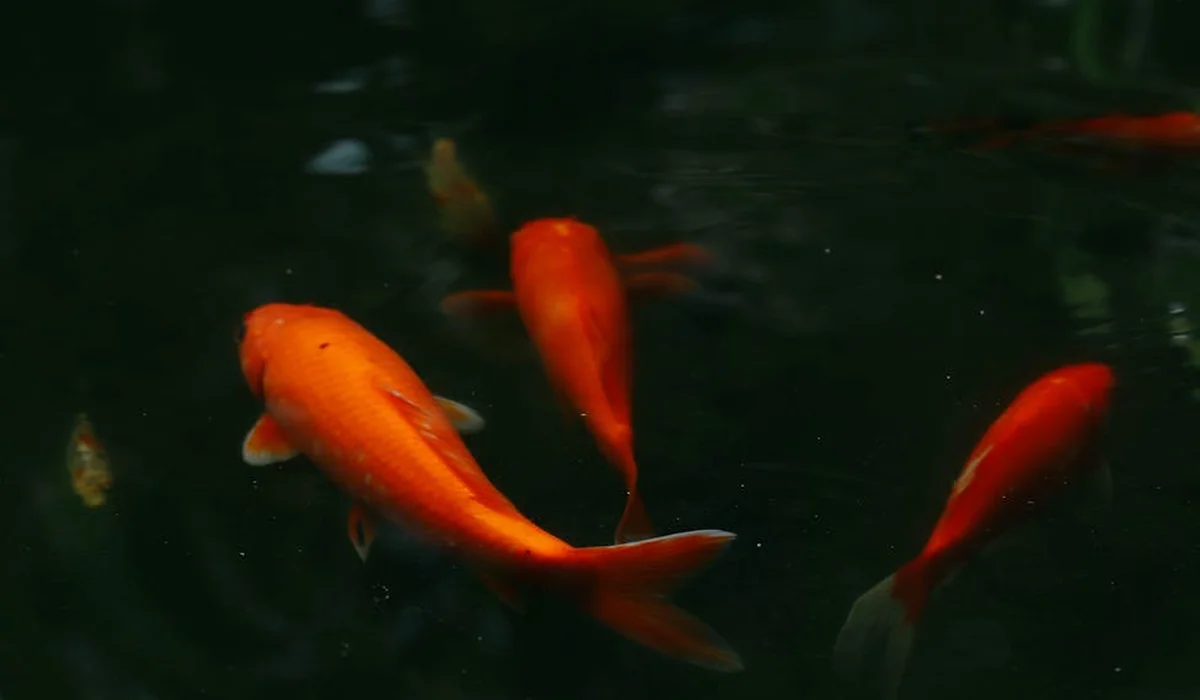
If your fish are acting lethargic or you see rapid temperature swings on the thermometer, your heater might be failing. Heaters that stick on can cook your fish, while those that won’t turn on risk chilling them-both are emergencies. I keep a separate thermometer in Goldie’s goldfish tank because they prefer cooler water around 68-72°F, and a faulty heater could spell disaster.
Always use a heater guard to prevent direct contact with curious fish or decorations. If you’re wondering why your aquarium heater isn’t working, this aquarium heater troubleshooting guide can help you identify common issues. Start with quick checks like ensuring the power is on and the heater is properly placed. Test your heater’s accuracy by comparing it to a reliable digital thermometer; a variance of more than 2°F means it’s time for a replacement. For glass heaters, look for condensation inside the tube or cracks, which indicate water intrusion and potential short circuits.
- Place heaters near filter outputs for even heat distribution and avoid dead spots.
- Upgrade to an adjustable heater with an external control dial for precise temperature management.
- In larger tanks over 55 gallons, use two smaller heaters instead of one large one for redundancy.
Preventive Maintenance to Avoid Future Failures
Regular Maintenance Routines
Setting a consistent schedule is your best defense against unexpected equipment meltdowns. I do a quick visual check every day, listening for unusual sounds and feeling for heat on pumps and filters. This habit saved Shadow’s corydoras tank when I caught a faint burning smell from an overworked powerhead.
Weekly, I perform a 25% water change and gently clean filter intakes with a soft brush. Monthly deep cleans involve taking apart equipment to inspect seals and connections, which helps spot wear before it causes leaks. If you’d like, you can follow a step-by-step deep clean of your aquarium to keep it running smoothly. Use a toothbrush to scrub impeller shafts and a vinegar soak for lime scale on heater surfaces.
- Daily: Observe equipment operation and water clarity.
- Weekly: Test water parameters and clean glass surfaces.
- Monthly: Service filters, pumps, and heaters as needed.
How Often to Replace Key Components
Even well-maintained gear has a lifespan, and replacing parts proactively keeps your aquarium safe. Filter media like foam blocks or floss should be swapped every 4-6 weeks, but never all at once to protect your nitrogen cycle. The exact replacement cadence will depend on your tank’s bioload and filter model, so aim for a regular schedule. I rotate media in my tanks, so beneficial bacteria have time to colonize new surfaces.
Heaters generally last 2-3 years before efficiency drops, while pumps can run for 3-5 years with proper care. Impellers and seals are wear items; check them every 6 months and replace if you see cracks or corrosion. For air pumps, diaphragms need changing annually to maintain consistent bubbles and pressure.
- Filter media: Replace chemical media monthly, mechanical every 4-6 weeks, biological only if degraded.
- Heaters: Upgrade every 2-3 years, or sooner if you notice erratic behavior.
- Pumps and impellers: Inspect every 6 months; replace impellers yearly in high-use setups.
Repair or Replace? Making the Smart Choice
When a piece of equipment sputters out, your first instinct might be to just buy a new one. I’ve been there. But sometimes, a quick fix can save you a lot of money and keep a perfectly good piece of gear running for years longer. The real trick is knowing which problems are simple fixes and which are major red flags.
When a Repair is Your Best Bet
You can often breathe new life into an aquarium component with minimal effort. These are the situations where a repair makes the most sense, especially when it’s just a crack in the aquarium.
- Clogged Impellers: The hum of your filter turns into a grating buzz. Nine times out of ten, this is just a clogged impeller. A simple cleaning with a small brush or a cotton swab is all it needs.
- Dirty Air Stones: That weak bubble stream from your air stone isn’t a failure; it’s a cry for help. Mineral deposits and biofilm clog the pores. Soak it in a 1:1 solution of water and hydrogen peroxide for an hour, then rinse thoroughly.
- Minor Heater Thermostat Issues: If your heater’s temperature seems a few degrees off, try calibrating it first. Many models have a small adjustment screw. Always verify with a separate, reliable aquarium thermometer.
- Loose Wiring on Pumps: Before you panic, check the power cord connection at the unit itself. Sometimes a wire just comes slightly loose and re-seating it solves everything.
Signs It’s Time to Replace
Some issues are more than just a nuisance; they pose a direct risk to your tank’s inhabitants. Your fish’s safety should always be the top priority. Unfortunately, many risks come from common aquarium myths. Here are 11 dangerous aquarium myths that kill your fish and how to avoid them.
- Any Sign of Electrical Faults: If you see flickering lights on the unit, feel a slight tingle in the water, or smell burning plastic, unplug it immediately. Never attempt to repair electrical components with internal water damage.
- Cracked Seals or Housings: A small crack in a canister filter housing or a heater’s glass tube is a catastrophic failure waiting to happen. Water and electricity are a dangerous mix, and a leak can drain your entire tank onto the floor.
- Consistent Temperature Fluctuations: An aging heater that can’t maintain a stable temperature is a silent killer. If your heater is constantly cycling on and off or the water temperature swings more than two degrees, replace it without hesitation.
- An Old, Noisy Pump: If you’ve cleaned the impeller and housing but the pump is still loud, gritty, and vibrating, the internal motor bearings are likely shot. The noise stresses your fish, and a complete failure is imminent.
A Simple Framework for Your Decision
Ask yourself these three questions when you’re on the fence.
- What is the Cost? If the repair part costs more than 60% of a brand new, comparable unit, replacement is usually the smarter financial move.
- What is the Risk? Does this issue involve electricity, water containment, or life-supporting temperature control? If the answer is yes, lean heavily towards replacement for peace of mind.
- What is the Effort? Be honest about your own skill and comfort level. A five-minute impeller clean is one thing; soldering new circuit boards is another. Your time has value.
Here is a quick guide for common equipment:
| Equipment | Usually a Repair | Usually a Replace |
|---|---|---|
| Hang-on-Back Filter | Clogged impeller, loose motor head | Loud grinding after cleaning, cracked intake tube |
| Aquarium Heater | Slight temperature miscalibration | Visible cracks, inconsistent heating, flashing error lights |
| Air Pump | Dirty diaphragm (if accessible), clogged airline | Extremely weak output after cleaning, loud rattling |
| Water Pump / Powerhead | Cleaning the impeller and volute | Corroded shaft, leaking seal, burnt motor smell |
Keeping a small stockpile of common spare parts, like impellers and diaphragms, can turn a potential crisis into a five-minute fix. This simple habit has saved me from many late-night trips to the fish store and protected the crystal-clear water my fish rely on.
Common Questions
What backup power options exist to prevent aquarium equipment failure during outages?
Battery-operated air pumps are a crucial first line of defense to maintain oxygen levels. For longer outages, an Uninterruptible Power Supply (UPS) can keep filters and heaters running for hours. As a last resort, a portable generator can power all your aquarium equipment, but it must be used safely outdoors. Developing a fish tank outage emergency plan helps you act quickly in the moment and plan for longer-term outages. Include steps for both short-term actions and long-term backup options.
How often should I replace major aquarium equipment components?
Heaters should generally be replaced every 2-3 years as their internal components degrade. Pumps and filters often last 3-5 years, but their impellers and seals are wear items that may need annual inspection. Always replace any component immediately if you see cracks, corrosion, or signs of electrical failure.
How can I test or verify that a thermometer is accurate during an equipment failure?
Use a separate, known-accurate thermometer, like a lab-grade or digital one, to cross-reference the reading. You can also test a thermometer by placing it in a cup of ice water; it should read very close to 32°F (0°C). This quick check can confirm if your primary thermometer is giving a false reading during a suspected heater failure.
What safety steps should I take when handling failed electrical aquarium equipment?
Always unplug the equipment from the wall outlet before you touch it or perform any inspection. Never handle electrical components with wet hands, and inspect cords for frays or damage that could cause a short. If you suspect water has entered the unit’s housing, do not attempt to repair it and replace it immediately to prevent electrocution.
Your Go-To Guide for Tank Troubleshooting
Start by checking the simplest fixes first, like power sources and clogs, before assuming any gear is broken. A methodical approach often saves you money and prevents unnecessary replacements.
Being a proactive fish keeper means prioritizing your pets’ well-being through careful observation and problem-solving. Understanding which tasks are essential maintenance tasks and frequency helps you establish a reliable routine. This awareness supports consistent, preventive care rather than reactive fixes. Embrace the learning journey to keep your aquarium thriving and your fish happy for years to come.
Further Reading & Sources
- Aquarium Maintenance Checklist – Aquarium Services of Charlotte LLC
- 7 Days to Success: A Weekly Saltwater Aquarium Maintenance Checklist – Bulk Reef Supply
- Maintenance Checklists for fish and tank care – Trout in the Classroom
- Aquarium Health Checklist | 4 Things To Look Out For – Maryland Aquarium Design, Installation, and Maintenance
- Saltwater Maintenance Checklist: A Comprehensive Guide –
Lia is an expert in aquarium and pet fish care. Having worked in the marine industry and having cared for multiple pet fish, she has acquired first hand expertise on aquarium care, maintenance and setup. She always brings her practical expertise and science to help solve any aquarium related queries.
Filtration Systems