
Wild-Caught vs. Captive-Bred Fish: The Ultimate Ethical Guide
Hello fellow fish enthusiasts, you’re staring at your empty tank or browsing a fish store’s aisles, and that big question hits you: should you choose a wild-caught or a captive-bred fish?
This single decision impacts everything from your tank’s stability to the health of our planet’s aquatic ecosystems.
This guide will help you navigate this complex choice by breaking down the key factors you need to consider, including:
- The ethical and environmental impact of fish collection
- Health and disease resilience between the two sources
- How acclimation and survival rates differ in your home aquarium
- Availability and cost for common and exotic species
I’ve made this choice countless times while maintaining my own high-tech planted tanks and breeding fish for years.
What’s the Difference Between Wild-Caught and Captive-Bred Fish?
Let’s break down the basics. Wild-caught fish are exactly what they sound like: they were born and spent their early lives in a natural habitat like a river, lake, or ocean before being caught and brought into the aquarium trade. Captive-bred fish, on the other hand, are born and raised in a controlled environment, typically a fish farm or a dedicated breeder’s tank.
Think of it like this: a wild-caught fish is like someone who grew up exploring a vast, untamed forest. A captive-bred fish is like someone raised in a carefully managed and safe city park. Their entire life experiences, from what they eat to the dangers they face, are fundamentally different from the very beginning.
- Life Cycle: Wild-caught fish complete their entire natural life cycle in the wild. Captive-bred fish are hatched from eggs and mature entirely in human care.
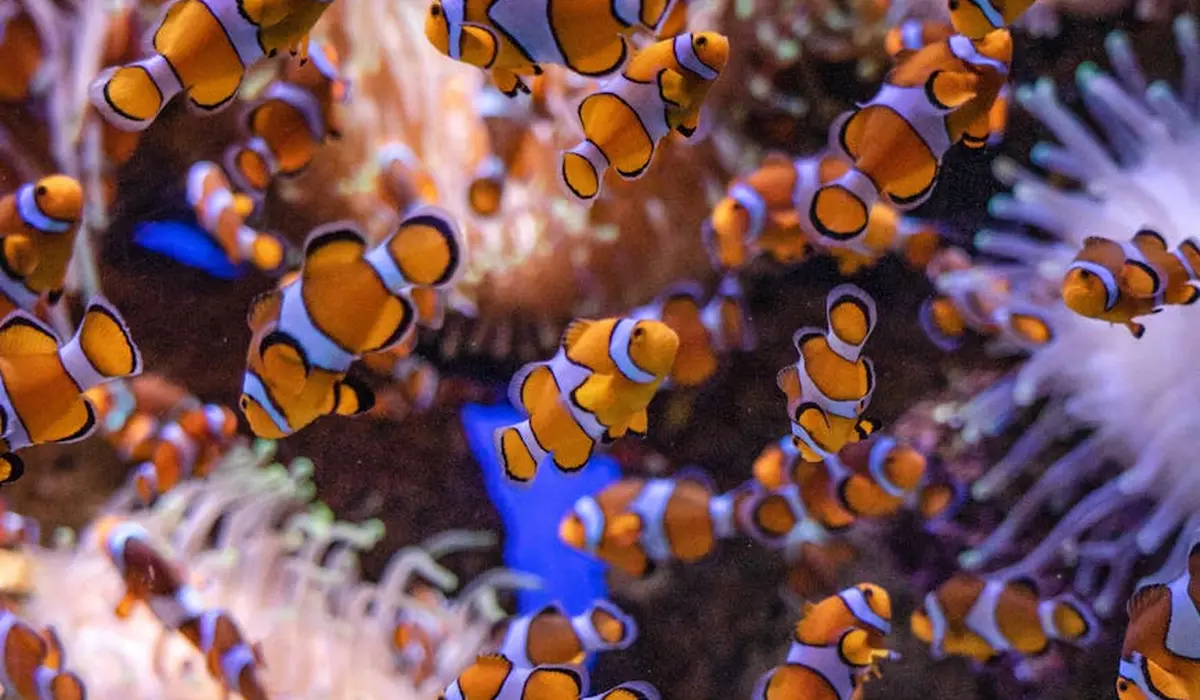
- Typical Species: Many saltwater species like Clownfish, Tangs, and Angelfish are often wild-caught, though captive-bred options are growing. Freshwise, certain Tetras, Discus, and Corydoras are still sourced from the wild. Common captive-bred fish include Guppies, Mollies, Neon Tetras, and most Betta fish you see in pet stores.
Pros and Cons: Weighing Your Fishy Options
Choosing between wild-caught and captive-bred fish isn’t about one being universally “better.” It’s about finding the right fit for your tank, your skills, and your personal philosophy on the hobby. When you’re building a community tank, it’s crucial to choose compatible fish that share similar water needs and temperaments. That means considering factors like species compatibility, adult size, and potential aggression. Let’s lay out the facts so you can decide what works for you.
| Factor | Wild-Caught Fish | Captive-Bred Fish |
|---|---|---|
| Cost | Often more expensive | Generally more affordable |
| Availability | Seasonal, depends on collection | Consistently available year-round |
| Hardiness | Can be sensitive to tank life | Acclimated to aquarium conditions |
| Color Variety | Natural, sometimes more vibrant | Selectively bred for unique patterns |
Advantages of Wild-Caught Fish
- You get to observe truly natural and instinctive behaviors that captive-bred lines may have lost.
- They introduce incredible biodiversity and unique genetic lines into the hobby.
- Some species display colors and finnage that are more vibrant and “untamed” than their captive counterparts.
Watching a wild-caught fish explore your tank can feel like having a direct window into a remote riverbed or coral reef. Their movements and instincts are often more nuanced and complex.
Disadvantages of Wild-Caught Fish
- They carry a much higher risk of introducing parasites and diseases into your established aquarium.
- The collection process can damage fragile ecosystems and contribute to population decline in the wild.
- Bycatch is a serious issue, where non-target species are accidentally caught and often perish.
The stress of capture and transport is immense, and many fish don’t survive the journey, which is a heavy ethical consideration for any aquarist. You must be prepared for a lengthy and careful quarantine process. For moving, prioritize the safest transport methods—use properly sealed containers with adequate aeration, temperature control, and water from the destination when possible. Minimize handling and transit time to reduce stress on the fish.
Advantages of Captive-Bred Fish
- They are already accustomed to life in an aquarium, making them hardier and easier to care for, especially for beginners.
- Choosing captive-bred is a sustainable choice that does not impact wild fish populations.
- You get predictable results in terms of health, size, and willingness to accept prepared foods.
For the vast majority of hobbyists, a captive-bred fish is a lower-risk, more reliable choice that lets you enjoy the hobby with a clearer conscience. They are the workhorses of a stable community tank.
Disadvantages of Captive-Bred Fish
- Generations of selective breeding can sometimes lead to reduced genetic diversity, potentially weakening the fish.
- You might not find the same rare color morphs or species that are available from wild stocks.
- Large-scale aquaculture operations have their own environmental footprint, including the resources needed to produce their food.
Some captive-bred lines can be so specialized for aquarium life that they lose the robust survival traits of their wild ancestors. I’ve seen some strains that seem more delicate than the wild-types I’ve kept.
Ethical Ripples: Sustainability and Fish Welfare
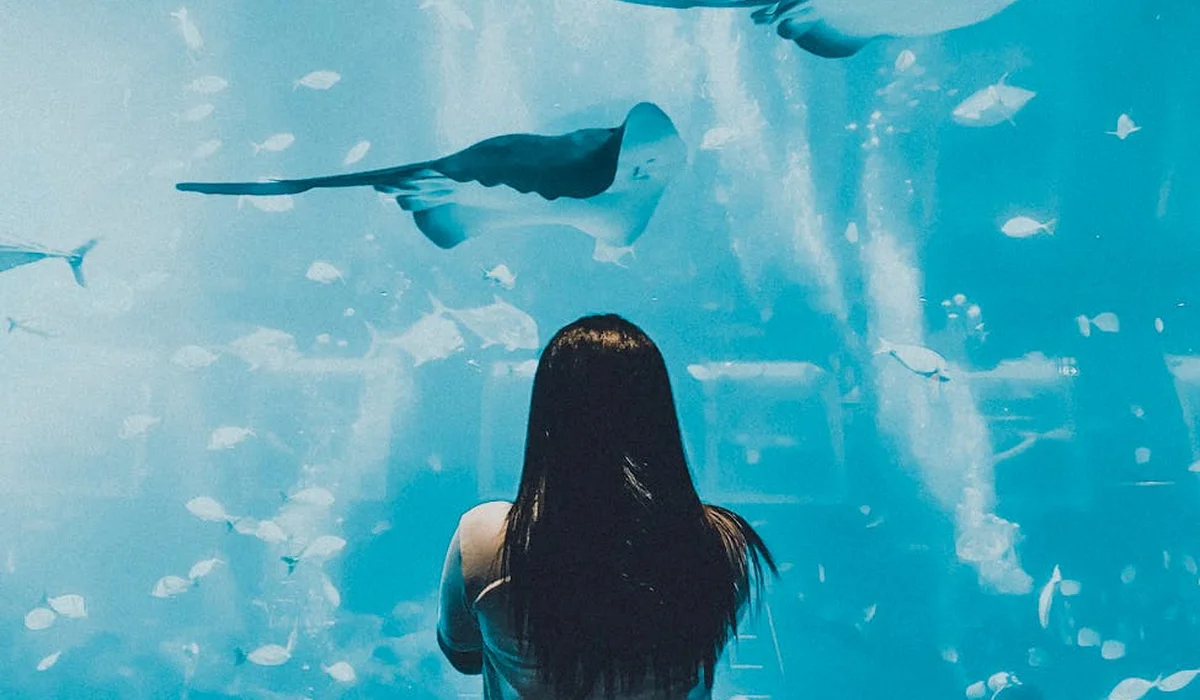
Choosing a fish isn’t just about what looks good in your tank. It’s a vote for a specific kind of industry. Your purchase has a direct impact on the health of our planet’s aquatic ecosystems. Whether you buy online or from a local pet shop, consider where the fish come from and how they’re cared for. Local shops often offer hands-on guidance and quicker after-purchase support, while online stores may broaden selection and delivery options.
Wild-caught specimens can deplete natural populations and damage fragile habitats like coral reefs when collected unsustainably. I’ve seen firsthand how a hobbyist’s desire for a unique fish can inadvertently support harmful practices like cyanide fishing, which stuns fish but kills the coral around them. That’s part of a broader conversation about the 11 dangerous aquarium myths that kill your fish. Understanding these myths helps hobbyists avoid harmful practices and protect both their fish and the ecosystems they come from.
Evaluating Fishing Practices and Eco-Labels
You have the power to support better practices. Here are the steps I take to make an informed choice.
- Ask your local fish store about their suppliers. A reputable store will be transparent.
- Look for eco-certifications. The Marine Aquarium Council (MAC) certification is a good indicator of sustainable collection.
- Research the species. Some fish, like certain cardinalfish or clownfish, have robust captive-bred populations, making the wild-caught option harder to justify.
- Support stores that partner with projects like SECORE, which focus on coral reef restoration and sustainable practices.
Your consumer choice is a powerful tool that directly funds either conservation or exploitation. By prioritizing sustainably sourced or captive-bred fish, you help ensure these incredible animals thrive for generations, both in the ocean and in our homes.
Health and Happiness: Disease Risks and Water Quality
The journey from a river to your aquarium is incredibly stressful for a fish. This stress weakens their immune system, making them far more susceptible to parasites and bacteria not commonly found in home aquariums.
Wild-caught fish are often carriers of pathogens your tank’s ecosystem has never encountered, leading to potential outbreaks that can wipe out an established community. My corydoras, Shadow, would be especially vulnerable to a sudden introduction of a new illness.
Step-by-Step Quarantine to Prevent Outbreaks
Never skip this process. A proper quarantine saves lives and heartache.
- Set up a separate, bare-bottom tank with a simple sponge filter and a heater.
- Acclimate the new fish to the quarantine tank water slowly, just as you would your main tank.
- Observe the fish for a minimum of two weeks, but I prefer a full month for wild-caught specimens.
- Consider a prophylactic treatment. I often use a gentle, broad-spectrum medication after the first week if the fish appears stable.
- Only introduce the fish to your main display after the quarantine period is over and it is eating well and showing no signs of illness.
A dedicated quarantine tank is the single most effective tool for preventing a disease disaster in your main aquarium. It’s a small investment that protects the health and happiness of all your aquatic pets. Whenever you add new fish, set up a quarantine tank first and observe them for signs of illness before moving them to the main tank. This extra step helps catch problems early and keeps your display aquarium safe.
Common Mistakes When Introducing New Fish
Avoid these pitfalls to ensure a smooth transition for your new finned friend.
- Skipping quarantine entirely. This is the number one mistake.
- Dumping the store’s water into your tank. Always net the fish out and discard the transport water.
- Placing a stressed, wild-caught fish into a tank with boisterous, captive-bred tankmates.
- Failing to match water parameters. Wild-caught fish from soft, acidic blackwater streams will struggle in hard, alkaline tap water.
Taking the time to properly acclimate and quarantine a new fish is a clear act of care that sets the stage for its long-term health. Quarantining helps prevent disease from reaching your established tank, and careful observation during this period is essential. This early screening helps catch signs of illness before they affect other fish. The shimmer of its scales in a disease-free, stable environment is the ultimate reward for your diligence.
Making Your Choice: A Step-by-Step Guide for Your Aquarium
-
Assess your tank setup and compatibility with fish species.
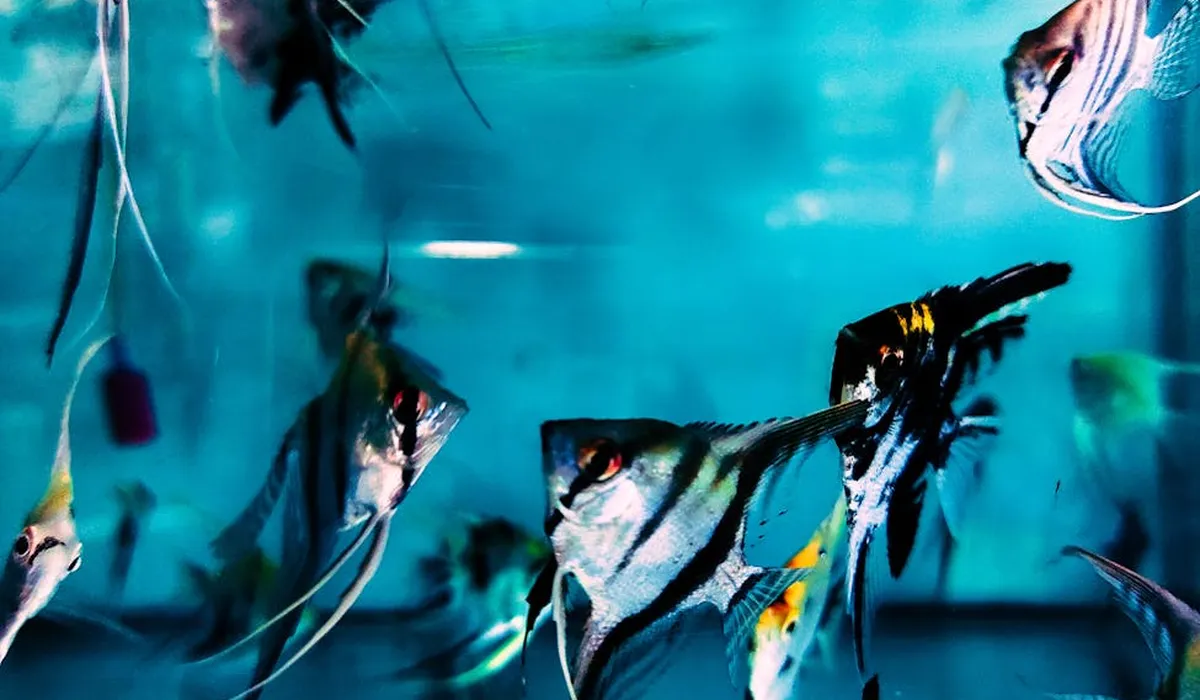
First, look at your aquarium as it is right now. Is your tank a 10-gallon peaceful community or a 75-gallon specialized biotope? Your water’s pH and hardness are non-negotiable starting points; a wild-caught Cardinal Tetra from soft, acidic blackwater will struggle immensely in hard, alkaline tap water. Next, consider your current residents. A feisty, captive-bred Betta like Captain Fin may not appreciate the shy, skittish nature of a wild-caught dwarf corydoras. Your tank’s maturity matters too—a newly cycled tank lacks the established microfauna that some wild fish rely on for foraging. For planning any tank mates, consult a betta fish safe compatibility list. It helps you pick peaceful companions and avoid risky pairings.
-
Consider your budget and long-term care commitment.
Be honest about the numbers. The initial price tag is just the beginning. Wild-caught fish often come with higher upfront costs and significantly higher potential veterinary bills due to the stress of capture and transport. You must budget for a quality quarantine tank, specialized medications, and potentially expensive, specific foods. That equipment needs a proper quarantine tank with independent filtration. A dedicated setup helps protect your main tank and new arrivals. Ask yourself if you have the time for a multi-week quarantine process and the patience to observe fish that may hide for days. Captive-bred fish are generally more resilient to captive conditions and are a smarter choice for a busy lifestyle.
-
Evaluate ethical priorities like traceability and certification.
This is where you vote with your wallet. Ask your local fish store where their fish come from. A retailer that can provide information on collection zones or breeding facilities is one that values sustainability. Prioritize fish that are certified by recognized bodies, which we’ll detail below. For wild-caught, this means supporting fisheries that use non-destructive methods. For captive-bred, it means choosing breeders who avoid inbreeding and prioritize genetic diversity. Your choice directly impacts ecosystems and the future of the hobby.
-
Research specific species’ needs and availability.
Don’t just fall for a pretty face at the store. Some fish, like the Zebra Pleco, are now predominantly captive-bred, making them a fantastic ethical choice. Before you buy, spend an hour researching if your desired species is commonly bred in captivity or if it’s typically wild-harvested. For species that are rarely bred, like many deep-water marine fish, you must be prepared for the extreme challenge they present. Sometimes, the most ethical decision is to choose a different, more sustainable species that captures a similar beauty without the ecological cost.
Swimming Responsibly: Tips for Ethical Fishkeeping
-
Always ask your supplier for the source of the fish-a transparent answer is a good sign of responsible practices. Support local breeders when possible; you can often visit their facility and see their operation firsthand. For wild-caught specimens, look for those collected with hand-nets instead of cyanide or dynamite, which destroy entire reef sections.
-
Look for these reliable certifications and eco-labels:
- Marine Aquarium Council (MAC) Certification: Ensures fish are collected and handled with high environmental and husbandry standards.
- Aquaculture Stewardship Council (ASC): Focuses on responsibly farmed seafood, an indicator of good practices.
- CITES Permits: For species listed on the Convention on International Trade in Endangered Species, this permit is legally required and ensures trade isn’t threatening their survival.
-
You support conservation every time you successfully breed fish in your own tank, helping to reduce the demand for wild collection. Never release aquarium fish or plants into the wild. Released organisms can become invasive, disrupt local ecosystems, and spread disease. Participate in local aquarium society auctions to buy and sell captive-bred livestock. Choose aquarium decorations and hardscape that are sustainably sourced, like man-made rocks instead of live rock harvested from reefs. Finally, avoid impulse buys-a well-researched, planned purchase is the cornerstone of an ethical aquarium.
FAQs
How does the initial acclimation process differ between wild-caught and captive-bred fish?
Wild-caught fish often need a slower, more gradual acclimation due to the stress of capture and transport, requiring careful parameter matching. Captive-bred fish are already accustomed to aquarium life and typically adjust more quickly to new environments. Always use methods like drip acclimation for sensitive wild specimens to reduce shock.
What are the common behavioral differences I might observe in my aquarium?
Wild-caught fish may exhibit more skittishness and natural hiding instincts, as they are used to evading predators in the wild. Captive-bred fish are often bolder and more readily approach humans, having been raised in controlled settings. Providing ample cover can help wild-caught fish feel secure and display their innate behaviors.
How can I verify the source of the fish I’m purchasing to ensure it’s ethical?
Ask your retailer specific questions about collection or breeding practices, and look for eco-labels like Marine Aquarium Council certification. Support stores that partner with conservation projects or offer traceability for their stock. Researching species beforehand can help you identify which are commonly and sustainably captive-bred.
Are there any specific dietary considerations for wild-caught versus captive-bred fish?
Wild-caught fish might initially refuse prepared foods and need live or frozen options to mimic their natural diet. Captive-bred fish are typically raised on commercial flakes or pellets and adapt easily to standard aquarium fare. Gradually introducing varied nutrition can help both types thrive and maintain optimal health.
Your Choice, Your Responsibility
For most hobbyists, starting with hardy, captive-bred fish provides a more predictable and successful aquarium experience. Choosing wild-caught specimens is a path best reserved for experienced aquarists who can meet their specific and demanding needs.
Your final decision reflects your commitment to providing the best possible life for the creatures in your care. Continue learning about fish behavior and aquatic ecosystems to make choices you can feel good about for years to come.
Further Reading & Sources
- Wild caught or captive bred? – INJAF
- Captive Bred Vs Wild Caught Fish | Freshwater Aquarium Discussion Forum
- Why It Matters: Wild Caught vs. Captive Bred in the Saltwater Hobby – Bulk Reef Supply
- Freshwater Fish: Wild-caught vs Captive-bred
- Wild Caught vs Captive Bred… | Reef2Reef
Lia is an expert in aquarium and pet fish care. Having worked in the marine industry and having cared for multiple pet fish, she has acquired first hand expertise on aquarium care, maintenance and setup. She always brings her practical expertise and science to help solve any aquarium related queries.
Fish Species