
Aggressive vs. Peaceful Fish: Crafting a Serene Community Tank
Published on: September 15, 2026 | Last Updated: September 15, 2026
Written By: Lia Annick
Hello fellow aquarists! That sinking feeling when you spot torn fins or a hiding fish is all too real-choosing the wrong tank mates can quickly turn your aquatic haven into a zone of constant tension. This guide cuts through the confusion to help you build a thriving, peaceful aquarium where every fish can flourish.
We will walk through the key aspects of fish personalities, covering:
- Spotting the subtle signs of aggression and what triggers them
- Curating a community with inherently peaceful, compatible species
- Actionable tank design and management tricks to diffuse conflict
- The direct link between pristine water chemistry and calm fish behavior
My advice comes from years of hands-on experience maintaining high-tech planted systems and breeding everything from feisty bettas to delicate catfish.
The Community Tank Dream: Why Personality Matters
Picture your aquarium not just as glass and water, but as a living, breathing community where every finned resident has a role and a mood. The shimmer of scales in a harmonious tank comes from matching fish personalities as carefully as you match water temperature.
I think of my own tank: Captain Fin, my betta, rules his corner with flair, while Shadow the corydoras shies away from the action. Ignoring these innate traits is the fastest way to turn your peaceful dream into a stressful, chase-filled reality.
Fish personality dictates everything from feeding order to hiding spot ownership. Peaceful species that are constantly harassed will suffer from chronic stress, weakening their immune systems and making them prone to disease. This topic sits at the heart of the ultimate guide to aquarium territorial behavior. Understanding these dynamics helps you map out territories and prevent conflicts in your tank.
- Schooling Personalities: Fish like Rummy-nose Tetras need the security of a group; alone, they become nervous and reclusive.
- Territorial Personalities: Cichlids or bettas often claim a cave or plant cluster as their own and will defend it vigorously.
- Foraging Personalities: Bottom-dwellers like corydoras are peaceful but need a sandy substrate to sift through without competition from aggressive feeders.
Balance is not just about who gets along; it’s about creating an ecosystem where all behaviors have space. A well-planned community reduces competition, letting you see natural behaviors instead of constant conflict.
What Makes a Fish Aggressive? The Roots of Conflict
Aggression in fish isn’t about being mean; it’s a hardwired response to environmental pressures. The hum of your filter might be constant, but fish aggression often flares up from specific, fixable triggers.
From my experience, even a generally peaceful fish can turn nippy if its core needs are unmet. Poor water quality is a silent agitator, with elevated nitrate levels above 20 ppm directly correlating to increased stress and aggression in many species.
Key Drivers of Aggressive Behavior
- Resource Competition: Too few hiding spots, food scarcity, or limited territory forces fish to fight for survival. Every fish should have its own retreat.
- Water Parameter Stress: Incorrect pH or hardness can irritate fish. For instance, keeping Cardinal Tetras (which thrive at pH 5.0-6.0) with Guppies (preferring pH 7.0-8.0) stresses both, leading to fin-nipping.
- Breeding Instincts: During spawning, fish like Dwarf Gouramis become highly territorial and will chase away any perceived threats to their eggs.
- Innate Territoriality: Species like African Cichlids are genetically programmed to claim rocks and caves; crowding them in a standard 55-gallon tank without proper rockwork zones guarantees fights.
Preventing Conflicts From Taking Root
You can design aggression out of your tank with smart planning. Always research the adult size and space requirement of a fish, not just its juvenile demeanor. Additionally, choosing the right tank mates is key. Selecting species with compatible temperaments and space needs helps reduce stress and aggression in the tank.
- Overfilter Your Water: Use a filter rated for a tank size larger than yours to keep ammonia at absolute zero, removing a primary stressor.
- Create Visual Barriers: Dense plant clusters like Java Fern or hardscape break up sightlines, giving chased fish a place to vanish.
- Feed Smartly: Use sinking pellets for bottom feeders and floating flakes for top dwellers simultaneously to reduce competition during mealtimes.
I once saw my usually social Goldie chase tankmates after a cramped tank upgrade. Adding more horizontal swimming space and extra filtration solved the issue almost overnight, proving that environment truly shapes behavior.
A Behavioral Guide: Identifying Fish Personalities
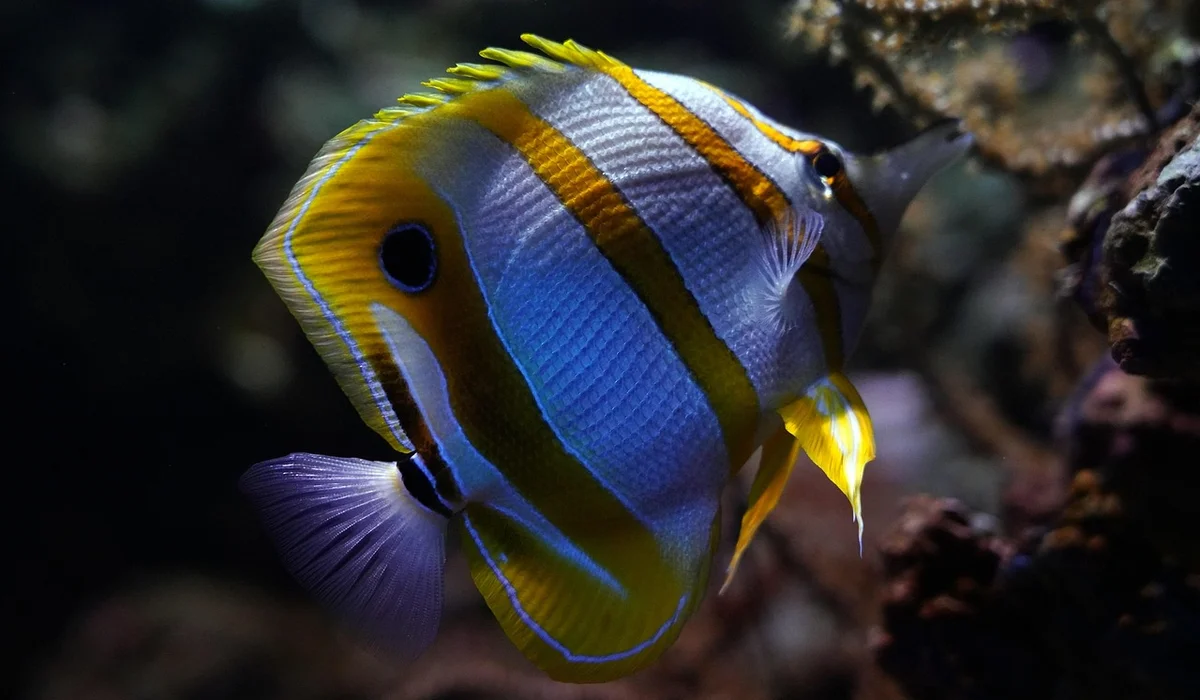
Watching fish interactions is like learning a silent language of flashes and glides. To prevent underwater chaos, you need to decode the basic personality types swimming in your tank. I learned this the hard way when my feisty betta, Captain Fin, would flare at his own reflection, a clear sign he needed a solo setup.
Spotting the Bullies: Signs of Aggressive Fish Temperament
Aggression isn’t always constant biting; it often starts with subtle posturing. You’ll know trouble is brewing when you see one fish relentlessly chasing others away from a specific cave or ornament. This territorial claim is a major red flag. Understanding fish behavior—including playful interactions, fighting, and mating displays—can help you interpret these signals. Recognizing whether behavior is play, courtship, or genuine aggression can guide you in managing tank mates and reducing stress.
Look for these specific behaviors:
- Fin Nipping: Ragged, torn fins on other fish, especially long-flowing ones, are a classic sign of a bully at work.
- Persistent Chasing: A quick chase is normal, but a fish that hunts tankmates without letting up is establishing dominance.
- Flaring and Posturing: Like my betta Captain Fin, fish that puff out gills or spread fins are showing off, trying to intimidate.
- Food Guarding: A fish that aggressively attacks others during feeding time, claiming all the food for itself.
The shimmer of scales during a frantic chase means you need to intervene. Many cichlids, some barbs, and solitary bettas often display these traits and may need species-only tanks.
Recognizing the Peacekeepers: Traits of Peaceful Community Fish
Peaceful fish have a calming presence, often moving in synchronized schools or quietly tending to their own business. These fish prefer hiding over fighting, and their body language is relaxed, not tense. My corydoras, Shadow, epitomizes this with his gentle scavenging along the substrate.
Key traits to look for:
- Schooling or Shoaling Behavior: They stick together in groups, finding safety in numbers, which reduces stress for every individual.
- Non-Territorial: They don’t claim a specific rock or corner and are happy to share space.
- Gentle Feeders: They won’t outcompete others for food; bottom dwellers like corydoras wait for scraps to fall.
- Defensive, Not Offensive: When startled, they dart to cover instead of turning to confront.
The quiet hum of the filter is often the loudest thing in a tank with peaceful community fish like neon tetras, guppies, or most rasboras. These species thrive on routine and consistent water conditions, showing their best colors when they feel secure.
Engineering Harmony: Building Your Peaceful Community Tank
Creating a serene aquarium is part science, part art. You are the architect, designing an environment where stress is low and natural behaviors can shine. Start with more space than you think you need-it’s the easiest way to diffuse tension.
The Foundation: Tank Size and Aquarium Setup
A cramped tank is a recipe for aggression, no matter how peaceful the fish are supposed to be. For a mixed community, I never start with anything smaller than a 20-gallon long tank, which provides crucial horizontal swimming space. This was a game-changer for my tank housing Goldie the oranda and her friends.
Your setup choices directly influence behavior:
- Ample Hiding Places: Use driftwood, rock caves, and dense plants like java fern or anubias. Every fish, even peaceful ones, needs a retreat.
- Open Swimming Zones: Balance hides with open areas to prevent territorial claims and allow for free movement.
- Substrate Matters: Smooth sand is vital for soft-bellied fish like corydoras to forage without injury.
- Water Parameters: Keep conditions stable. A sudden pH swing below 6.5 or above 7.5 can stress fish and trigger unexpected aggression.
The clarity of the water from good filtration makes all these elements work together. A canister or hang-on-back filter rated for twice your tank’s volume is my non-negotiable rule for maintaining that crystal-clear stability. To choose the right filter for your tank size, match the filter’s capacity to your aquarium’s volume and consider your bioload and stocking level. In practice, a bigger tank with more fish benefits from at least double-volume-rated filtration for steady turnover.
The Social Blueprint: Rules for Compatibility
Mixing fish is not just about what looks good; it’s about matching lifestyles. Always research the specific temperature range for each species-trying to mix a goldfish (68-74°F) with a betta (78-80°F) will make one group chronically stressed and sick.
Follow these simple rules for a harmonious community:
- Layer Your Tank: Stock fish from different water columns. Combine top dwellers (like hatchetfish), mid-water swimmers (like tetras), and bottom feeders (like corydoras). This maximizes space and minimizes competition.
- Size and Speed Parity: Avoid pairing large, fast fish with small, slow ones. A quick danio will outcompete a fancy guppy for every meal, leading to malnutrition.
- Group Numbers: Keep schooling fish in groups of at least six. A solitary tetra is a nervous tetra, which can make the whole tank jittery.
- Introduce All at Once: When possible, add all your new fish simultaneously to prevent established residents from seeing newcomers as invaders.
Observing the gentle grazing of a school of fish on some algae is the reward for getting this blueprint right. When in doubt, lean toward over-filtering and under-stocking-your fish will thank you with vibrant health and dynamic activity.
Profiles in Temperament: A Look at Common Species
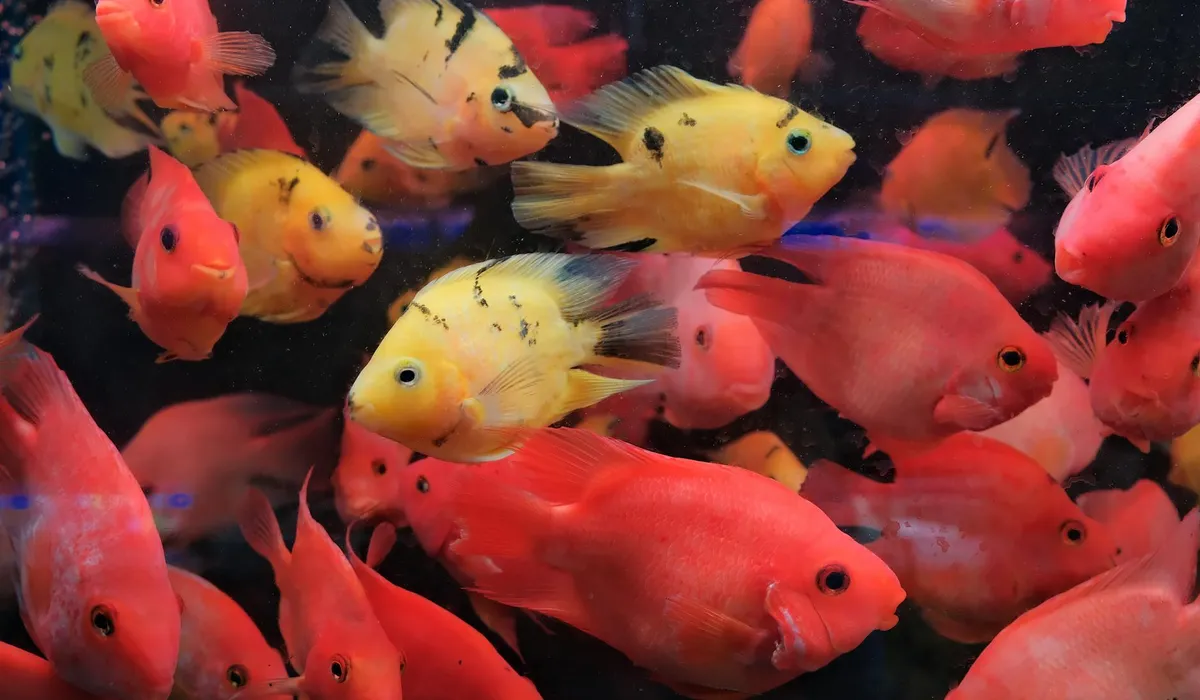
Often Feisty: Fish with Aggressive Tendencies
Some fish are simply wired for conflict. This isn’t a moral failing; it’s an evolved survival strategy for securing food, territory, or mates. Recognizing these tendencies is your first step toward prevention.
Fish like many Cichlids, such as the Jewel or the stunning but formidable Flowerhorn, possess sharp intelligence and a powerful drive to claim their space, often rearranging your entire aquascape to their liking. Their aggression is usually territorial.
Then you have the fin-nippers. Serpae Tetras and Tiger Barbs, while active and colorful, can turn into a swirling gang that relentlessly harasses slow-moving, long-finned tank mates. I learned this the hard way trying to house them with a fancy Guppy.
Of course, the Siamese Fighting Fish, the Betta, is the classic example. My Captain Fin will flare his gorgeous gills at his own reflection for hours. While some can coexist in carefully planned communities, their reputation for intra-species violence is well-earned, and male Bettas will almost always fight to the death.
Reliable Roommates: Classic Peaceful Fish Species
On the other end of the spectrum are the community tank pillars. These species have evolved to find safety in numbers and typically lack strong territorial drives, making them excellent candidates for a harmonious aquarium. These traits highlight why many hobbyists opt for a community tank. A species-only vs. community tank guide helps you decide the setup style that best fits your space, goals, and each species’ social needs.
Small schooling fish like Neon Tetras, Harlequin Rasboras, and Ember Tetras are the shimmering, peaceful heartbeat of many tanks, creating dazzling displays of synchronized swimming that actually reduce stress for all inhabitants.
For the bottom of the tank, you can’t do better than Corydoras catfish. My Shadow and his crew are the peaceful clean-up crew, endlessly sifting the sand for bits of food. Their gentle, social nature is a constant source of calm.
Many livebearers, such as Endler’s Livebearers and Platies, are also famously peaceful. Other fantastic choices include the gentle Bristlenose Pleco for algae control, the graceful Pearl Gourami as a centerpiece, and of course, the ever-popular community shrimp like Cherry Reds.
When Trouble Starts: Managing Aggression in Your Aquarium
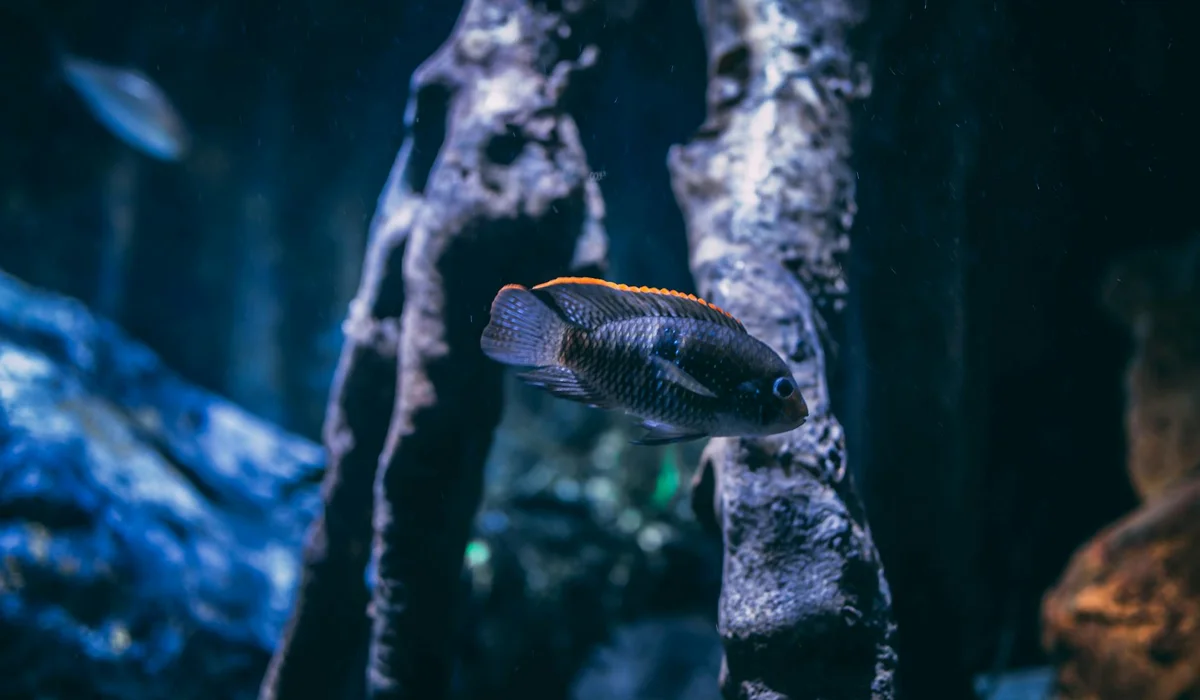
Even with the best planning, you might see a sudden darting chase or notice tattered fins. Don’t panic. Aggression is a signal, and you have several effective tools to calm the waters.
Your immediate action should be to reassess your tank’s layout. Aggression often spikes when a fish can see its whole territory at once or when there aren’t enough visual breaks. Add a tall plant, a piece of driftwood, or a rock to break sightlines.
Consider the controversial but often effective strategy of overstocking. It sounds counterintuitive, but in a well-filtered tank, slightly higher numbers can diffuse aggression by preventing a single bully from targeting one victim. The key is more fish, not bigger fish.
Isolate the aggressor if necessary. Using a temporary tank divider or a separate quarantine tank for a “time-out” can reset territorial claims and give the bullied fish a chance to recover without the stress of constant harassment. Sometimes, rehoming the problematic individual is the kindest long-term solution for everyone. If you need to rehome, contact reputable fish rescues or shelters to place the fish in a safe new home. Never release unwanted pets into the wild.
Finally, ensure your feeding regimen is on point. Aggression is frequently rooted in competition for resources. Try feeding in multiple small portions at different spots in the tank to ensure even the shyest fish, like Corydoras, get their fair share without having to compete directly with faster, bolder swimmers. For bottom feeders like properly feed plecos and Corydoras, include sinking foods or algae wafers so they can feed at the substrate. This helps ensure they get enough nutrition and stay healthy.
FAQs
What specific water parameters are most critical for preventing aggression?
Stable temperature and pH are paramount. Sudden fluctuations are a major stressor that can trigger aggression, even in peaceful species. Consistently zero ammonia and nitrites, along with low nitrates under 20 ppm, are also essential for reducing overall fish stress and hostility.
Is there a minimum tank size for mixing semi-aggressive and peaceful fish?
Yes, and it’s larger than for a peaceful-only tank. For such mixes, a 40-gallon breeder or 55-gallon tank is often the recommended starting point. This larger volume is crucial to establish distinct territories and provide ample escape routes, helping to diffuse inevitable conflicts.
What should I do immediately if one fish becomes an established bully?
First, rearrange the tank decor to break up established territories and sightlines. If chasing persists, temporarily isolate the aggressor using a tank divider or a separate holding tank. This “reset” can often break the cycle of harassment when reintroducing the fish to a newly arranged environment. It’s also important to understand the behavior of aggressive fish to manage them effectively, especially when keeping a single aggressive fish in a community tank.
Can a fish’s personality change from peaceful to aggressive over time?
Yes, this can happen due to maturity, breeding cycles, or environmental stress. A fish may become territorial as it reaches adult size, or a previously calm individual might turn defensive during spawning. Chronic stress from poor water quality or overcrowding can also cause normally peaceful fish to act out.
Building Your Peaceful Underwater World
The most vibrant community tank thrives on careful planning—observe body language and research adult sizes before any fish comes home. Success hinges on matching temperaments, not just colors, to build a balanced, stress-free ecosystem where every fish can thrive. When choosing compatible fish for your community tank, assess temperament and care level to ensure they mix well. Plan for adult sizes and space to prevent overcrowding and stress.
Committing to a living aquarium means embracing the journey of learning, from water chemistry to fish behavior, as your knowledge deepens. Your patience and ongoing research are the most powerful filters you can add, creating a healthier, more fascinating home for all your aquatic pets. Understanding which maintenance tasks are essential and how often to perform them matters. A simple schedule for water changes, filter cleanings, and tests keeps the tank stable.
Further Reading & Sources
- Master List of Peaceful fish vs more aggressive peaceful that may hurt or kill fish. | The Planted Tank Forum
- Fish aggression “ratings”- how valid/useful? | Reef2Reef
- Semi-aggressive fish: a handy rule to follow!
- Aggressive Freshwater Fish – 15 Best (With Pictures!) – AquariumStoreDepot
- Advice on Semi-Aggressive vs. Community? (Tropical Freshwater) | Aquarium Forum
Lia is an expert in aquarium and pet fish care. Having worked in the marine industry and having cared for multiple pet fish, she has acquired first hand expertise on aquarium care, maintenance and setup. She always brings her practical expertise and science to help solve any aquarium related queries.
Fish Species