
Your Fish Quarantine Tank Checklist: The Simple Gear for a Healthy Start
Published on: November 11, 2026 | Last Updated: November 11, 2026
Written By: Lia Annick
Hello fellow fish keepers! That moment of doubt before a new fish joins your display tank is real-will it introduce disease to your cherished ecosystem? A proper quarantine tank is your solution, and gathering the right gear is easier than you think.
This guide walks you through every item required, focusing on:
- The ideal tank size and why bare is best
- Filtration choices that are safe for fragile fish
- Accurate heating and consistent temperature control
- Water testing tools to prevent invisible threats
- Basic decor that reduces stress without complicating care
I’ve refined this list over years of breeding fish and managing high-tech planted systems, where prevention always beats treatment.
Why Every Fish Keeper Needs a Quarantine Tank
Understanding the Purpose
- A quarantine tank, which many call a hospital tank, is simply a separate, bare-bones aquarium used only for isolating fish. Think of it as a temporary holding cell that keeps mystery illnesses or parasites from crashing the party in your main tank.
- This setup lets you prevent disease outbreaks, closely observe flashy new arrivals like Captain Fin, and treat sick fish without dumping meds into your prized planted scape. Your established community, with fish like social Goldie, stays stress-free and healthy.
- I like to compare it to a cozy recovery room-a quiet, controlled space for healing. Using one isn’t overkill; it’s a standard, responsible habit that shows deep care for your aquatic family.
Key Benefits
- A safe observation period gives you weeks to watch for hidden problems without risking your main tank’s balance. You’ll spot fin nipping or loss of appetite early.
- Targeted treatment space means you can dose medications precisely, sparing sensitive species and your beneficial bacteria. Shy bottom dwellers like Shadow won’t get unnecessary chemical exposure.
- Reduced stress for all your fish happens when newcomers or ill patients heal apart from the community. The main tank remains a serene haven with stable water.
- This practice safeguards your entire ecosystem and the money you’ve invested in fish, plants, and equipment. One unchecked parasite can wipe out years of careful work in a shimmering scale flash.
The Non-Negotiable Equipment List for Your Hospital Tank
Basic Hardware Checklist
- Tank: A 10 to 20-gallon glass or acrylic tank is ideal-affordable, easy to clean, and large enough for stable water parameters. I keep a spare 15-gallon ready at all times.
- Lid: A tight-fitting lid is crucial to prevent jumpers during stressful treatments or acclimation. Even experienced fish like Captain Fin might try a daring escape when nervous.
- Net: Dedicate one net solely to this tank to avoid cross-contamination. A simple, fine-mesh net works perfectly for gentle transfers.
- Air pump, tubing, and air stone: This trio provides essential oxygenation and gentle water movement without strong currents. The soft hum of the pump and the dance of bubbles keep oxygen levels high for recovering fish.
Water Care Essentials
- Water conditioner (dechlorinator): This instantly neutralizes chlorine and chloramines in tap water, making it safe for fragile gills. Never skip this step, even in a bare tank.
- Aquarium salt: A mild salt solution can reduce stress, aid gill function, and treat some external parasites. Use it carefully, as scaleless fish like Corydoras are sensitive to salt.
- Siphon or gravel vacuum: A simple hose siphon makes partial water changes quick and effective for removing waste. It helps maintain that crystal-clear water quality vital for healing.
- Dedicated buckets: Label buckets for aquarium-only use to prevent deadly chemical residue from soaps or cleaners. Mine are bright red and never leave the fish room.
Sizing It Right: Choosing Your Quarantine Tank and Filter
Tank Size Guidelines
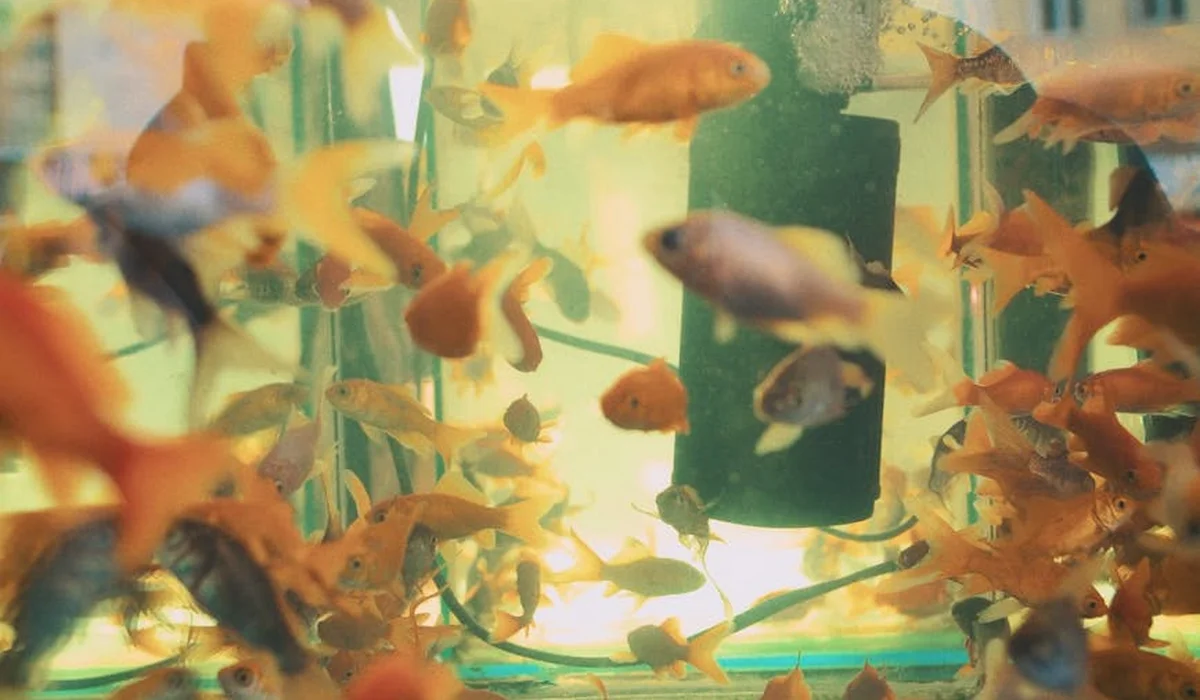
Picking the right tank size is your first step to a stress-free quarantine. A smaller, manageable tank – think 5 to 10 gallons – lets you spot health issues fast and dose medications accurately without breaking the bank. Do choose the right aquarium size for your fish species, since different species have different space and temperament needs. Knowing your species’ adult size and behavior helps you pick the right tank from the start. Match the space to your fish’s size and nature. For feisty Captain Fin, a 5-gallon gives him room to flare without overwhelming you. Social Goldie, however, is a messy goldfish; even for a temporary stay, a 10-gallon handles her waste better. Shy Shadow and his corydoras pals do well in a 10-gallon too, offering ample bottom space for hiding.
- For bettas like Captain Fin: a 5-gallon tank is perfect. It’s large enough for comfort but small enough for you to monitor every shimmer of his scales.
- For single fancy goldfish like Goldie: start with a 10-gallon quarantine tank. Their high waste output needs more water volume to keep parameters stable.
- For small groups of bottom dwellers like Shadow: a 10-gallon tank works well. It provides hiding spots and makes it easy to see if they’re foraging normally.
Filtration Options Simplified
Your filter choice shapes the entire quarantine experience. I always recommend a simple sponge filter powered by a quiet air pump—it’s the gentle, budget-friendly workhorse for isolation tanks. The soft hum won’t stress fish, and the sponge nurtures beneficial bacteria, crucial for biofiltration. Canister or internal filters work, but their strong flow and complex cleaning are overkill for a short-term setup. There are different types of aquarium filters, and which is best depends on your tank size and bioload. In quarantine setups, a simple sponge or hang-on design often hits the right balance of gentleness and reliability.
- Sponge filters win for their gentle flow and built-in biofiltration. They won’t suck up small fish or meds, and cleaning is a quick rinse in old tank water.
- To set one up: connect the sponge to an air pump with tubing, place it in the tank, and cycle it beforehand in your main tank if possible. This seeds it with good bacteria, preventing ammonia spikes. Ensure the pump runs quietly to keep the environment calm.
- Alternatives like small internal filters are usable but often create too much current. They require more maintenance, making sponge filters the smarter, simpler choice for observation periods.
Heat, Light, and Lid: Environmental Control Equipment
Heating Essentials
Stable temperature is non-negotiable for fish health in quarantine. You must use a separate, adjustable heater and a reliable glass or digital thermometer to exactly replicate your display tank’s conditions. Sudden changes can shock fish, undermining their immune systems. Match the warmth to your species: Captain Fin thrives at 78-80°F, while Goldie prefers cooler 68-74°F. Shadow and most tropical communities enjoy 72-78°F.
- Invest in a quality heater with a clear temperature setting. Check it daily against a standalone thermometer-don’t trust the built-in dial alone.
- Specific ranges matter: keep bettas at 78-80°F, goldfish at 68-74°F, and corydoras at 72-78°F. This stability comforts fish, making treatments more effective.
Lighting and Security
Light and security are about reducing stress, not showcasing beauty. Use dim ambient light from the room or a low-power LED set on a short timer-intense aquarium lights can frazzle already anxious fish. A tight-fitting lid is equally vital; it prevents jumps and keeps dust out. I’ve used simple window screen mesh cut to size, secured with clips, as a perfect DIY cover.
- Lighting should be minimal; often, room light is enough. If you add a lamp, choose a soft white LED and limit it to 6-8 hours daily to mimic natural cycles without glare.
- A lid is a lifesaver. Use a standard glass hood or craft one from acrylic or plastic mesh. This simple barrier keeps fish like jumpy bettas safe and maintains water clarity by reducing evaporation.
Water Testing and Changing Gear for Healthy Parameters

Your quarantine tank’s filter is the heart, but your test kits are its brain. They tell you the invisible story of the water. I never skip this gear; it’s saved more fish than any fancy piece of equipment I own.
Monitoring Equipment
You need to see the invisible threats. A full freshwater liquid test kit is your best investment. Relying on test strips in a delicate quarantine is like guessing the temperature by sticking your hand out the window. You need precision.
- Ammonia Test: This is your early warning system. Any reading above 0 ppm in quarantine is a red flag, signaling waste is building up faster than your bacteria can handle.
- Nitrite Test: Nitrite is a silent killer that suffocates fish. In a new quarantine tank, a nitrite spike is almost guaranteed, so catching it early is non-negotiable.
- Nitrate Test: While less toxic, rising nitrates indicate your water change schedule isn’t sufficient. In quarantine, I aim to keep nitrates under 20 ppm to reduce overall stress.
- pH Tester: Don’t just test once. Check the pH of both your quarantine tank and the water you use for changes. A sudden pH swing during a water change can shock a fish more than the disease you’re treating.
Test the water every other day for the first two weeks. It feels like a lot, but it’s how you catch a problem before your fish looks ill.
Water Change Protocol
Frequent, small water changes are the magic bullet for quarantine stability. They dilute toxins, remove pathogens, and refresh minerals without shocking the fish. In terms of behavior, some variation around a water change is normal—brief hesitation or hiding may occur. After the change, many fish seem more alert and active as the water stabilizes.
- Use a dedicated siphon to vacuum the bare bottom, removing any uneaten food or waste. This is a daily quick task for me.
- Always, always treat the new water with a quality dechlorinator before it hits the tank. Chlorine will wipe out your beneficial bacteria.
- Match the temperature of the new water to the tank water within one degree. I float a bag of the new water in the tank for 15 minutes to be sure.
I recommend a 25-30% water change twice a week as a standard. If tests show ammonia or nitrite, I immediately do a 50% change. Consistency here is far more valuable than volume.
Safety First: Preventing Contamination Between Tanks
Think of quarantine as a biosecurity zone. The goal is to keep potential problems in and protect your established, healthy main tank at all costs. A single slip can undo months of work.
Cross-Contamination Prevention
This is about discipline. Assign specific tools to your quarantine tank and label them clearly with tape. My quarantine siphon is bright green so it never gets confused.
- Dedicate a net, siphon, bucket, and algae scrapper solely to the quarantine tank. Never let this equipment touch water from your main display.
- Wash your hands with soap and water after working in the quarantine tank and before reaching into your main tank. It’s the simplest, most effective barrier.
- Never use water from your main tank to fill the quarantine tank, or vice-versa. Water is a prime vehicle for parasites and bacteria.
This is also why I insist on a bare-bottom tank or one with only inert sand. A smooth, substrate-free bottom lets you see every bit of waste and makes sterilization between uses incredibly simple.
Safety Precautions in Setup
Placement matters more than you think. Your temporary tank still needs a permanent-quality spot to avoid physical disasters.
- Set the tank on a stable, perfectly level surface that can handle the weight of a full aquarium (water is heavy-8.3 pounds per gallon).
- Keep it away from drafty windows, air vents, and direct sunlight. Sudden temperature fluxes and algae blooms add unnecessary stress.
- Have a basic medication kit on standby. This should include a broad-spectrum antibiotic, a parasite treatment, and an antifungal. We’ll cover specific treatments next, but being prepared prevents panic.
From Quarantine to Display: Timing and Transition Tools
Medication Administration Basics
Treating a sick fish requires precision. I always keep a dedicated set of tools: a small syringe or dropper for liquid meds and a precise measuring spoon for powders. Guessing the dose is a fast track to harming your fish or crashing your quarantine tank’s delicate cycle. The label is your bible-follow it to the letter for the full course, even if your fish looks better after a few days.
Here’s a step many forget: before adding most treatments, you must pull the carbon cartridge from your filter. Activated carbon is designed to pull impurities from the water, and it will eagerly absorb the medication you’re counting on, rendering the entire treatment useless. I set a reminder on my phone to reinstall the carbon only after the full treatment cycle is complete and I’ve done a partial water change.
Quarantine Duration and Introduction
Patience is your most vital piece of equipment here. A proper quarantine lasts a minimum of two weeks, but I lean heavily toward four. This extended window allows hidden ailments like slow-moving parasites or internal bacterial issues to manifest when the fish is stressed from the move. During quarantine, actively watch for signs of disease—loss of appetite, unusual swimming, flashing, rapid breathing, or visible lesions. If you notice any of these red flags, isolate the fish and reassess before clearing. The clock starts only after the fish is eating well and showing zero signs of illness for the entire period.
When the big move day arrives, you need two key items: a brand-new, soft-mesh net used only for the quarantine tank and a spotless 5-gallon bucket. These are among the essential supplies you’ll need to move a fish tank. Having them ready beforehand helps minimize stress for the fish. Never use the main tank’s net! The process is simple but slow:
- Gently net the fish from the quarantine tank and place it in the clean bucket.
- Over 30-45 minutes, slowly drip or cup water from your main display tank into the bucket.
- This gradual mixing lets the fish adjust to any minor differences in pH and hardness.
- Finally, use the net to lift the fish from the bucket and introduce it to its new home.
Watch those first few hours closely; a little chasing is normal as new hierarchies form, but relentless aggression means you may need a backup plan. That clear, calm water in your display tank is the reward for every careful step you’ve taken.
FAQs
What substrate is appropriate for a quarantine tank?
A bare bottom is ideal for quarantine tanks, as it simplifies cleaning and prevents waste or medication from accumulating. This setup makes it easier to spot health issues like abnormal feces or parasites. Avoid substrates like gravel or sand, which can harbor pathogens and complicate water changes during treatment.
Do quarantine tanks require a separate heater and thermostat?
Yes, a dedicated heater and thermostat are necessary to maintain consistent temperatures, reducing stress for quarantined fish. This separate equipment ensures you can precisely control the environment without affecting your display tank. Always use a reliable thermometer to verify settings and avoid sudden temperature swings. Together with these basics, this forms part of a complete aquarium temperature control guide focused on stable water. These steps help maintain reliable temperatures across quarantine and display tanks.
How can I prevent cross-contamination between quarantine and display tanks?
Assign specific tools, such as nets and siphons, solely to the quarantine tank to avoid transferring pathogens. Practice strict hygiene by washing your hands after contact with the quarantine tank before handling the display tank. Never share water or decorations between the two systems to minimize disease risks. If you quarantine multiple fish, avoid crowding them to prevent rapid disease spread. Monitor each fish closely and consider quarantining newcomers individually or in very small, separated groups before adding them to the display tank as part of best practices.
How long should fish stay in quarantine before introduction?
A standard quarantine period lasts two to four weeks to allow hidden diseases to manifest. Extend this time if fish show signs of illness or stress, ensuring they are fully healthy before moving them. Always observe feeding behavior and monitor water parameters closely throughout the isolation phase. Proper quarantine of new fish is essential to prevent disease from entering your main tank. It helps protect existing fish by catching issues early before they spread.
Your Quarantine Setup: A Foundation for Fish Health
A proper quarantine tank requires just a few key pieces: a simple tank, reliable heater, gentle filter, and a dedicated set of tools and medications. When setting up the quarantine tank filter system, use a gentle, well-cycled filter and run it before adding any fish. This helps stabilize the water and protect new arrivals. Consistent monitoring during this isolation period is your most powerful tool for catching issues early and protecting your main aquarium’s balance.
Using a quarantine system is one of the clearest signs of a dedicated, responsible fish keeper who values the well-being of every creature in their care. When you bring home new fish, setting up a quarantine tank is a practical next step. The hobby is always evolving, and so should your knowledge—stay curious about water chemistry and fish behavior to provide the best life for your aquatic friends.
Further Reading & Sources
- How to Quarantine New or Sick Aquarium Fish the Easy Way – Aquarium Co-Op
- How To Setup A Quarantine Tank – Bulk Reef Supply
- Quarantine Tanks
- Setting Up A Quarantine Tank and How To Quarantine Fish; A Guide | Reef2Reef
- Quarantine Tank Setup – Saltwater Aquarium Blog
Lia is an expert in aquarium and pet fish care. Having worked in the marine industry and having cared for multiple pet fish, she has acquired first hand expertise on aquarium care, maintenance and setup. She always brings her practical expertise and science to help solve any aquarium related queries.
Filtration Systems