
Your Compassionate Guide to Rehoming Aquarium Fish Responsibly
Hello fellow fish keepers. I know that deciding an aquarium pet needs a new home is a heart-wrenching decision, one filled with worry and a deep desire to do the right thing.
This guide is here to walk you through the entire process with clarity and care. We will cover:
- Finding a safe and vetted new home for your aquatic friend.
- Preparing your fish for a stress-free transport to its new tank.
- Alternatives to rehoming that you might not have considered.
- What to absolutely avoid to ensure your fish’s wellbeing.
I’ve spent years maintaining complex planted ecosystems and breeding sensitive species, so I understand the responsibility we hold for every life in our care.
When Is Rehoming the Kindest Choice for Your Fish?
Making the decision to rehome a fish is never easy. It often comes with a heavy heart. Sometimes, the most responsible act of care is acknowledging when your tank can no longer provide what a fish needs to thrive. This isn’t a failure; it’s a commitment to their well-being.
Here are the most common situations where rehoming becomes the compassionate option.
- Aggression and Bullying: If a fish is constantly harassed, hides all day, or shows torn fins and missing scales, the stress will eventually compromise its immune system. A peaceful home is a healthy home.
- Incompatible Tank Mates: You might discover a fish’s needs are too specific. A species that requires a soft, acidic environment won’t do well long-term in a hard, alkaline community tank.
- Overcrowding: As fish grow or reproduce, your tank’s bio-load can exceed its capacity. You’ll see constant high nitrate levels, and the water quality will be a persistent battle.
- Your Own Life Changes: A cross-country move, a new baby, or financial constraints can make consistent tank maintenance impossible. Planning ahead for your fish’s future is a sign of a dedicated aquarist.
- Specialized Needs You Can’t Meet: Some fish, like large plecos or certain cichlids, simply outgrow most home aquariums. Providing them a larger space is an act of love.
How to Assess Your Fish’s Health and Needs
Before you find a new home, you need to give an honest account of your fish’s condition. A transparent health assessment is crucial for setting the next owner-and your fish-up for success. This helps you write an accurate listing and provide proper care instructions.
Performing a Simple Fish Health Check
Grab a net and a small, clean container filled with tank water. Gently move the fish you’re assessing into the container for a closer look under good light. This temporary stress is far less harmful than sending a sick fish to a new tank. Then return the fish to its well-maintained, clean tank. A well-maintained, clean tank helps it settle back quickly and stay healthy.
- Examine the Fins: Look for tears, fraying, or melting edges. Fins should be fully intact and held open, not clamped tightly against the body. Red streaks can indicate a bacterial infection.
- Check the Body and Scales: Look for any spots, lumps, sores, or patches of missing scales. The body should be smooth and free of a dusty white or gold film, which points to parasites.
- Observe the Eyes: Both eyes should be clear and of equal size. Cloudy or bulging eyes are a sign of underlying health issues.
- Watch the Gills: The gill covers should move rhythmically and evenly. Rapid gilling or one gill moving less than the other is a red flag.
After the physical check, return the fish to the main tank and observe its behavior for 15 minutes. A healthy fish will resume normal activity quickly, while a lethargic or gasping fish needs attention before rehoming.
Special Considerations for Different Fish Types
Not all fish show distress in the same way. A one-size-fits-all checkup doesn’t work. You need to know what’s normal for your specific species.
- Bettas (like Captain Fin): Their long, flowing fins are prone to fin rot if water quality dips. Watch for biting or clamped fins, a classic sign of stress or boredom. A betta that builds a bubble nest is generally content.
- Fancy Goldfish (like Goldie): Pay close attention to their buoyancy. Are they struggling to stay upright or sinking? Check their wen (head growth) for any trapped food or infection, and watch for long, stringy white feces.
- Bottom Dwellers (like Shadow the Corydoras): Their delicate barbels (whiskers) can erode on sharp gravel. Ensure they are long and intact. A cory that is constantly darting to the surface for air may be suffering from low oxygen in the water column.
- Schooling Fish: A lone schooling fish is a stressed fish. They may hide incessantly or lose color. Their need for a group is a core part of their health assessment.
I always quarantine a fish I plan to rehome for at least two weeks if possible, treating any minor issues proactively. This ensures you are passing on a truly healthy pet and protects the receiving aquarium from any unseen problems. Proper quarantine of new fish is essential to prevent disease and protect your entire tank. During quarantine, monitor for signs of illness and only integrate with the main tank once you are confident they are healthy.
Finding a Safe New Home: Your Rehoming Options
Connecting with Local Aquarium Communities
Local fish clubs and online groups are goldmines for finding experienced hobbyists who will care for your fish properly. I’ve rehomed several fish through my area’s aquarium society, and the personal connections ensure they go to homes with established, stable tanks. Start by searching for Facebook groups or forums specific to your city or region; many have dedicated “rehoming” threads where you can post details about your fish.
Be honest about your fish’s history, including any health issues or special needs. Sharing clear photos and videos of the fish swimming and eating helps potential adopters assess their condition and feel confident. You might even find someone with a perfect community tank setup that matches your fish’s requirements.
- Join regional aquarium clubs on social media or meetup platforms.
- Attend local fish swap meets or auctions to network directly.
- Use specialized apps or websites like AquaBid or regional fish forums.
Working with Pet Stores and Rescue Groups
Many independent pet stores accept fish returns or donations, especially if they’re healthy and not overly common species. Call ahead to ask about their policies, as some may offer store credit or simply take the fish off your hands to prevent overcrowding in their systems. I’ve found that smaller, family-owned shops are often more flexible than big chains.
Rescue organizations dedicated to aquatic pets can be a lifesaver, but they’re often volunteer-run and have limited space. Be prepared to wait or provide a donation to support their efforts, as this helps cover costs like food and medication. Always transport the fish in a clean, secure container to make the hand-off smooth and stress-free.
- Research stores with good reputations for animal care-avoid those with cloudy tanks or sick fish on display.
- Contact aquatic rescue groups early, as they may have waiting lists.
- Consider offering a small rehoming fee to deter impulsive adopters.
Preparing Your Fish for a Smooth Transition
Quarantine and Acclimation Steps
Before moving day, set up a simple quarantine tank—a 5 to 10-gallon setup with a sponge filter and heater works well. Keeping the fish isolated for at least a week lets you monitor for hidden illnesses and avoid spreading issues to the new tank. This is especially important when you’re adding new fish. A proper quarantine setup helps you spot issues early before they hit the main tank. I always check for signs like clamped fins or unusual spots, which can flare up during stress.
Feed a high-quality diet to boost their immune system, and skip food for 24 hours before transport to reduce waste in the water. Gradually adjust the quarantine tank’s temperature and pH to match the destination’s parameters, easing the shock of change. Use a drip acclimation method over an hour or more to slowly introduce them to new water chemistry.
- Set up a quarantine tank with aged, dechlorinated water.
- Monitor fish behavior and health daily for a week.
- Match temperature and pH to the new environment before packing.
Packing and Transport Tips
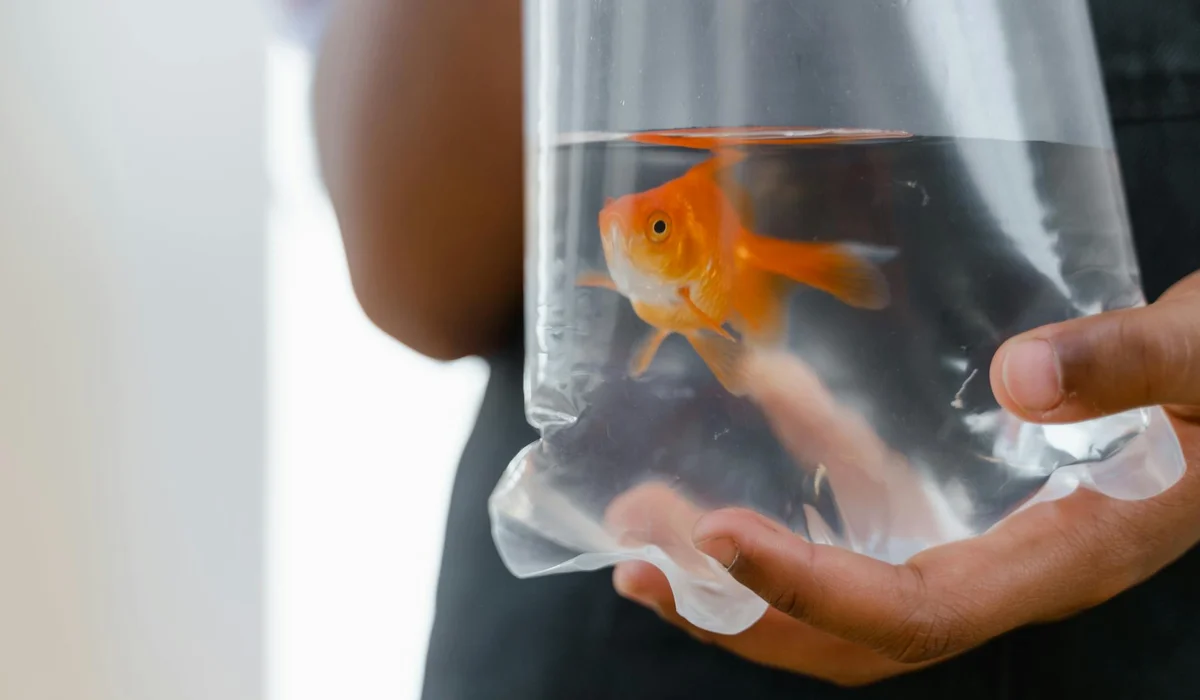
Use fish-safe bags-double-bagged with oxygen if possible-and fill them one-third with water from the quarantine tank. Securing the bag with rubber bands and placing it in a dark, insulated cooler minimizes stress from light and temperature swings. I’ve found that adding a stress coat additive to the bag water can help protect their slime coat during the journey.
Keep the transport time under two hours if you can, and avoid jostling the container. If the trip is longer, consider using a battery-operated air pump to maintain oxygen levels in a larger container. For the safest way to transport fish during a move, use a dedicated transport container with reliable aeration and temperature control. Keep the container in a climate-controlled part of the vehicle and away from direct sunlight. Always label the bag with the fish’s name, species, and any special care instructions for the new owner.
- Pack bags in a Styrofoam or insulated box to buffer temperature changes.
- Bring a water test kit to quickly check parameters upon arrival.
- Keep the vehicle’s climate control steady to prevent sudden chills or overheating.
Handing Over Your Fish with Confidence
Once you’ve found a new home, the real work begins. A smooth handoff is critical for your fish’s health. A stressful move can weaken their immune system, making them susceptible to disease in their new environment.
Preparing Your Fish for the Journey
Start by asking the new owner to bring a clean, food-safe container. A five-gallon bucket with a lid works perfectly. Do not feed your fish for 24 hours before the move; this keeps the transport water cleaner and reduces ammonia production.
When it’s time to bag them, I use a two-bag method for safety. I place my Betta, Captain Fin, in a soft, fish-safe bag filled one-third with his original tank water. I then slide that bag into a second, opaque bag to reduce stress. I press out the excess air and secure it with a rubber band, not a knot, which can damage the bag.
The Transfer Process Step-by-Step
- Have the new owner’s container ready with some of their aquarium’s water.
- Float the sealed bag containing your fish in their new tank or container for 15-20 minutes. This equalizes the temperature.
- Every 10 minutes, add a small amount of the new water to the bag. This slowly acclimates them to any differences in pH or hardness.
- After 30-45 minutes total, gently net the fish from the bag and release them into their new home. Do not pour the old transport water in.
Acclimating your fish properly is the single most important thing you can do to ensure they survive the transition. I’ve seen fish go into shock from a sudden pH change that could have been avoided with a slow drip. Acclimate your fish after any water change to give them the best chance of thriving in their new environment.
Providing a “Fish Resume”
Don’t just hand over the fish and leave. Give the new caretaker a small care sheet. This is like a resume for your pet and builds immense confidence.
- Species and approximate age.
- Their current diet and feeding schedule.
- Any known personality quirks (e.g., “Shadow hides when the tank light first turns on”).
- A brief health history and the parameters of their old tank (temperature, pH).
This document shows you care and gives the new owner a solid foundation for success.
Exploring Alternatives to Rehoming

Before you decide to give up your fish, take a moment to see if a simple adjustment can solve the problem. Many common issues have surprisingly straightforward fixes.
Upgrade or Modify Your Current Setup
Is the issue space? A single Crowntail Betta like Captain Fin can truly thrive in a planted five-gallon tank, but a ten-gallon gives him room to patrol and explore. Sometimes, the solution isn’t a new home but a larger, more enriching environment. If aggression is the problem, adding more sightline-breaking plants or decor can create territories and calm tensions without needing to separate fish.
Consult Your Local Fish Store (LFS)
Many local fish stores, especially smaller, specialized ones, will accept healthy fish as surrenders. Some may even offer store credit. Call ahead to ask about their policy. A good LFS has the expertise and systems to quarantine and properly rehome your pet. This is often a safer bet than online classifieds, as they can vet potential buyers.
Troubleshoot Common Problems
Are you considering rehoming because of persistent algae or cloudy water? These are usually fixable. A sudden algae bloom often signals an imbalance in nutrients and light, not a failing aquarium. Increasing your water change frequency or reducing your photoperiod by a few hours can bring back that crystal-clear water you love.
Before you make a final decision, test your water parameters-high nitrate is a common culprit behind fish stress and can be resolved with a simple water change. A problem that seems huge one day can vanish by the next with the right intervention.
When to Seek Veterinary Care
If a specific health issue is driving your decision, a veterinarian who specializes in exotic pets or fish might be an option. While not common, they can diagnose and treat conditions like chronic fin rot or internal parasites. An accurate diagnosis can turn a “hopeless” situation into a treatable one, allowing you to keep a beloved pet.
Preventing Future Rehoming Through Better Pet Care
When I first started, I made the mistake of impulse-buying a beautiful betta without a cycled tank ready. Proper planning and consistent care are your best tools to avoid the heartache of rehoming. Let’s dive into how you can create a stable home from day one.
Research Fish Needs Before Purchase
That dazzling fish at the store might catch your eye, but its long-term happiness depends on your setup. Always match the fish to your tank’s size, water parameters, and community dynamics. For example, my Crowntail Betta, Captain Fin, thrives in a 5-gallon tank with a gentle filter and plenty of hiding spots.
- Check adult size: A “tiny” goldfish like Goldie can grow over 8 inches and needs 20+ gallons.
- Verify temperature ranges: Bettas prefer 78-80°F, while Corydoras like Shadow do best at 72-78°F.
- Assess temperament: Avoid mixing fin-nippers with slow swimmers like fancy goldfish.
Establish a Stable Tank Environment
A well-planned aquarium mimics a natural ecosystem, reducing stress and disease. Cycling your tank before adding fish is non-negotiable for preventing ammonia spikes. I use the fishless cycle method with pure ammonia to build beneficial bacteria safely. By adding measured amounts of ammonia, you feed the developing nitrifying bacteria without any fish in the tank. This ammonia-based cycling lets you monitor the cycle and stock gradually once tests are stable.
- Set up your filter and heater, then add a dechlorinator.
- Introduce an ammonia source to 2-4 ppm and test daily.
- Wait until ammonia and nitrite read 0 ppm, with nitrates under 20 ppm.
For a 10-gallon community tank, aim for pH 6.5-7.5 and keep nitrate below 20 ppm with weekly water changes. That crystal-clear water isn’t just for looks-it signals a balanced, healthy habitat.
Commit to Regular Maintenance Routines
Neglect creeps in slowly, but a simple schedule keeps your aquarium thriving. Consistency in water changes and filter cleaning prevents most common crises. I spend 30 minutes each Sunday checking my tanks, and it’s become a relaxing ritual. Do these essential tasks have a set frequency? They do—maintaining a regular cadence for water changes, filter cleaning, and testing keeps the system stable.
- Weekly: Change 15-25% of the water, vacuum substrate, and trim plants.
- Monthly: Rinse filter media in old tank water to preserve bacteria.
- Daily: Feed small portions and observe fish behavior for changes.
Spotting Shadow, my Corydoras, actively scavenging tells me the bottom is clean. Healthy fish are active, eat eagerly, and display vibrant colors.
Choose Compatible Tank Mates
Mismatched fish lead to bullying or hiding, which often ends in rehoming. Research social needs-some species school, while others prefer solitude. Goldie, my Oranda, lives with other peaceful goldfish but would stress smaller tank mates.
| Fish Type | Recommended Tank Mates | Avoid |
|---|---|---|
| Betta (e.g., Captain Fin) | Snails, shrimp, or small bottom-dwellers | Other bettas or bright, flashy fish |
| Oranda Goldfish (e.g., Goldie) | Similar-sized goldfish or dojo loaches | Tropical fish or aggressive species |
| Corydoras (e.g., Shadow) | Peaceful community fish in groups of 5+ | Large cichlids or fin-nippers |
Monitor Health with Simple DIY Hacks
Catching issues early saves lives and avoids desperate rehoming. Use a journal to track feeding, behavior, and water tests-it helps spot patterns. I once noticed Captain Fin was less responsive; a quick water test revealed a nitrate spike, fixed with a partial change.
- DIY water test: If tap water and tank water smell different, test immediately.
- Plant health: Yellowing leaves can indicate nutrient deficiencies-add root tabs.
- Behavior cues: Clamped fins or gasping at the surface signal water quality problems.
Your attention to detail transforms fishkeeping from a chore into a rewarding partnership with your aquatic pets.
## Common Questions
Is it ever okay to release my unwanted aquarium fish into a local pond or river?
No, you should never release aquarium fish into local waterways. This is illegal in many places and can be devastating to the local ecosystem. Non-native fish can outcompete native species for resources and introduce foreign diseases. Similarly, releasing aquarium plants into the wild can disrupt native ecosystems by spreading and outcompeting local vegetation, and may introduce pests or pathogens.
Can a local pet store legally refuse to take back a fish I purchased from them?
Yes, a pet store is generally under no legal obligation to accept a returned fish. Their acceptance policy is typically a business decision, not a legal requirement. It is always best to call ahead and ask about their specific surrender or return policy before visiting.
What should I do if I need to rehome my fish temporarily, like during a home renovation?
For temporary situations, your best option is to ask a trusted, experienced fellow hobbyist to fish-sit. You can also set up a temporary, smaller tank in a safe location in your home. Ensure the person caring for the fish understands their specific needs regarding feeding and water parameters. If water needs to be added while you’re away, make sure it’s dechlorinated and at the same temperature as the tank, added slowly. A simple written checklist for safe water addition can help prevent shocks to the fish.
Should I charge a rehoming fee when finding a new owner for my fish?
Charging a small rehoming fee is often recommended. This practice helps ensure the person is seriously committed to providing a good home and can deter those looking for free fish for unsuitable purposes, like as feeder fish. The fee doesn’t need to be large, just enough to screen for genuine interest.
Your Fish Deserves the Best Choice
Finding a new home for your fish is a process built on patience and care. Always prioritize the health and safety of your aquatic pet by vetting potential new owners and preparing them properly for the transition.
Responsible fish keeping means making a lifelong commitment to learning and adapting. Use this experience to deepen your understanding of aquarium ecosystems, ensuring every future finned friend thrives under your care.
Further Reading & Sources
- Where To Rehome Fish | Freshwater Aquarium Discussion Forum
- r/Aquariums on Reddit: How to “rehome” a fish?
- Rehoming fish – General Chat – Aquarium Co-Op Forum
- Rehoming Your Fish | My Aquarium Club
- r/Aquariums on Reddit: Best place to rehome fish
Lia is an expert in aquarium and pet fish care. Having worked in the marine industry and having cared for multiple pet fish, she has acquired first hand expertise on aquarium care, maintenance and setup. She always brings her practical expertise and science to help solve any aquarium related queries.
Fish Species