
Aquarium Snail Diet Guide: What to Feed for Healthy, Happy Snails
Published on: September 6, 2026 | Last Updated: September 6, 2026
Written By: Lia Annick
Hello fellow aquarium enthusiasts! Have you ever noticed your snails gliding across the glass and wondered if they’re finding enough to eat, or if you should be offering them something more? Getting their diet right is the secret to vibrant snails that actively clean your tank.
This guide will walk you through the full menu. Here’s exactly what we’ll cover:
- The surprising variety of foods snails naturally consume in a balanced tank
- My top-pick commercial foods for boosting shell strength and energy
- Simple, effective DIY vegetable preparations your snails will love
- How to schedule feedings for different snail species like Nerites and Mystery snails
- Critical overfeeding and deficiency signs every keeper should watch for
My advice comes from years of hands-on experience running complex planted systems and breeding delicate fish, where every creature’s diet matters.
Understanding Your Snail’s Natural Diet
In their native streams and ponds, snails are nature’s cleanup crew, constantly grazing on soft algae, decaying plant matter, and the thin biofilm coating rocks and wood. This wild menu is key to replicating a healthy, balanced diet for them in your aquarium. Their natural foraging habits directly influence how they behave in your tank, from a Nerite’s relentless glass-scrubbing to a Mystery Snail’s enthusiastic scavenging. Interestingly, some so-called pest snails can be beneficial in an aquarium when kept in moderation, helping to clean up leftovers and detritus. Still, it’s crucial to know which species you have and manage populations to prevent overgrowth.
| Snail Species | Primary Dietary Role | Typical Tank Behavior |
|---|---|---|
| Mystery Snail | Detritus & Algae Consumer | Active grazer on surfaces and substrate; often seen cruising the tank glass. |
| Nerite Snail | Dedicated Algae Eater | Focuses intensely on hard algae films; less interested in supplemental foods. |
| Ramshorn Snail | General Scavenger | Consumes algae, decaying plants, and leftover fish food; can multiply quickly. |
Observing these roles helps you spot trouble, like a snail constantly searching for food meaning your tank might be too clean. A well-fed snail is a content snail that contributes to your tank’s ecosystem without becoming a nuisance.
Freshwater Snail Types and Their Food Focus
- Mystery Snails: They love soft algae and will happily devour blanched vegetables. I find their diverse appetite helps keep my tank free from leftover food and minor algae blooms.
- Nerite Snails: These are obsessive algae specialists, perfect for scrubbing stubborn green spots off glass and hardscape. They often ignore other foods if ample algae is present.
- Ramshorn Snails: Excellent consumers of decaying plant leaves and biofilm. Their diet makes them useful for planted tanks, but they will also eat fish food leftovers.
- Malaysian Trumpet Snails: They burrow into the substrate, consuming detritus and aerating the sand. Their diet helps prevent dangerous gas pockets from forming.
- Rabbit Snails: Prefer soft algae and decaying vegetation like fallen leaves. Their slow, methodical grazing is fantastic for gently cleaning plant leaves without damaging them.
The Snail Buffet: Safe and Nutritious Foods to Offer
Offering a variety of foods ensures your snails get all the nutrients they need for strong shells and energetic living. Think of their diet in three categories: kitchen veggies, store-bought staples, and the natural bounty growing in your tank. If you’re curious about the different types of aquarium snails, this visual guide compares common species at a glance and notes their feeding needs.
Blanched Vegetables
Soft, cooked veggies are a snail favorite and a great source of fiber. My crew goes wild for these:
- Zucchini or Cucumber: Slice thinly, blanch, and sink. They provide moisture and are easily eaten.
- Spinach or Kale: Packed with vitamins and calcium for shell health. Blanch until wilted.
- Lettuce (Romaine): A lightweight option. Use the inner, softer leaves for easy consumption.
Commercial Foods
High-quality prepared foods are a reliable nutrition base. Look for options that sink quickly so your bottom-dwellers can find them.
- Algae Wafers: A classic. They slowly break down, allowing for extended feeding.
- Sinking Pellets for Bottom Feeders: Often contain balanced nutrients for invertebrates.
- Kelp or Spirulina Pellets: Excellent for boosting plant-based nutrition and enhancing natural algae consumption.
Natural Tank Foods
Never underestimate the value of the snacks your tank grows itself. A healthy biofilm layer and soft algae growth are living, renewable food sources for your snails. This includes the gentle green film on glass and the microbial layer on driftwood. That brings us to the truths about algae eaters like plecos and snails. They can help control algae, but they won’t replace regular tank maintenance or keep the tank perfectly clean.
Vegetable Prep: Steps for Snail-Safe Meals
- Wash the vegetable thoroughly under cool water to remove any pesticides or residues.
- Cut it into small, thin slices or pieces that will sink easily.
- Boil a pot of water and blanch the pieces for 1-2 minutes until soft but not mushy.
- Remove the veggies and immediately plunge them into ice water to stop the cooking process.
- Let them cool completely to tank temperature before placing them in the aquarium on a dish or skewer.
- Remove any uneaten portions after 24 hours to keep your water pristine.
Top Store-Bought Snail Foods
- Prioritize Calcium: Strong shells start here. Look for calcium carbonate or crushed oyster shell in the ingredient list.
- Choose Sinking Formulas: Flakes float away; snails need food that drops to their level on the substrate or decor.
- Seek Plant-Based Proteins: Ingredients like spirulina, kelp, and alfalfa are more digestible and natural for snails than meaty proteins.
- Avoid Copper Sulfate: Check labels, as copper is highly toxic to invertebrates even in small amounts.
Feeding Schedule and Portion Control for Snails
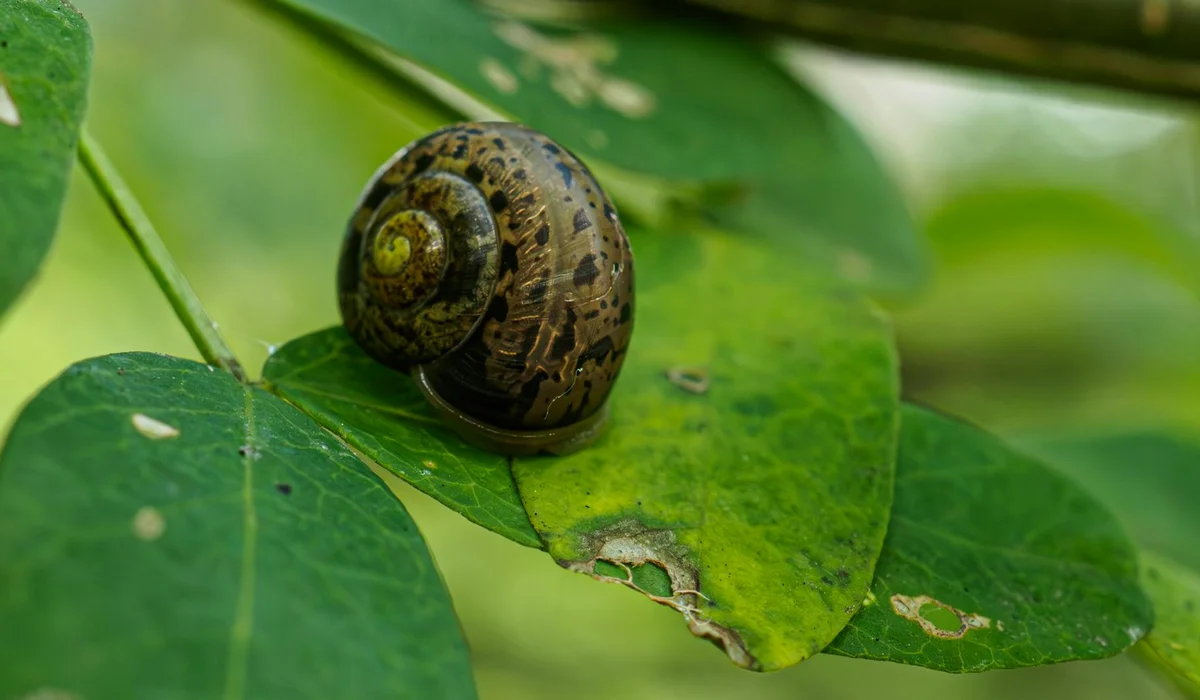
Think of feeding your snails like seasoning food-a little goes a long way. I feed my crew small amounts every other day. This schedule works because snails are natural scavengers and will graze on algae and leftover fish food between meals. For portion size, consider your tank’s population. In a 10-gallon tank with a small group of 3-5 snails, a piece of vegetable or a pinch of pellets no bigger than a pea is perfect. Your best gauge is to watch what they finish within a few hours; any leftover food means you’ve offered too much.
Stay alert to the signs of imbalance. Overfeeding is a common misstep. It leads to cloudy water and a film of uneaten food, which I’ve seen bother even easygoing fish like Goldie. Under-feeding has its own clues: your snails will be constantly on patrol, scraping every surface and might become more active in a hungry search. A well-fed snail is a content snail, not a frantic one.
Monitoring Your Snails’ Health Through Diet
What your snails eat directly fuels their vitality. A proper diet keeps them moving with purpose and maintains a smooth, hard shell. Lethargy or a shell with white pits and cracks often points straight to dietary issues. I learned this the hard way years ago. Overfeeding doesn’t just waste food; it decays, spikes ammonia, and can crash your entire tank’s balance—especially when it benefits pest snails in your aquarium.
This decay can cause delicate plants to melt and, in a worst-case scenario, contribute to snails dying. If you notice a snail has died and your plants are melting, test your water immediately. The culprit is often a combination of rotting food and poor water quality. Keeping portions in check protects everyone, from Shadow snoozing in the plants to your precious snails.
Shell Strength Starts Here: The Importance of Calcium
Calcium isn’t just important for snails-it’s absolutely non-negotiable. Their shells are made from it, and without a steady supply, they cannot grow or repair damage. A calcium-deficient snail will have a thin, brittle, or ragged shell. Providing calcium is as critical as providing food itself for their long-term health.
You have several great sources to choose from:
- Cuttlebone: The classic choice. Just break off a piece and let it float or sink in the tank.
- Eggshells: Rinse, boil to sterilize, and crush them into a powder.
- Limestone or Crushed Coral: These can be used as part of your substrate or placed in a filter bag.
- Commercial Supplements: Liquid calcium or mineral blocks designed for aquariums.
A simple, effective method is to gently rub powdered eggshell or a liquid supplement onto their favorite veggies before dropping them in the tank. This ensures they ingest the calcium directly with their food.
DIY Calcium Boosters for Your Tank
You don’t need fancy products to boost calcium. Here are two reliable methods I use in my own aquariums.
Boiled Eggshells in the Filter:
- Collect eggshells from hard-boiled eggs and rinse off any residue.
- Let them dry completely, then crush them into small pieces.
- Place the crushed shells into a small mesh filter bag.
- Tuck this bag into your filter compartment. Water flow will slowly dissolve the calcium into the water.
DIY Calcium Block:
- Mix equal parts plaster of Paris and crushed eggshell or oyster shell powder.
- Add just enough water to form a thick paste.
- Press the mixture into a mold (like an ice cube tray) and let it dry for 24 hours.
- Place the hardened block in a corner of your tank. It will slowly erode, releasing calcium.
These DIY solutions are affordable, effective, and give you full control over what goes into your tank’s water.
When Things Go Wrong: Diet-Related Health and Tank Issues
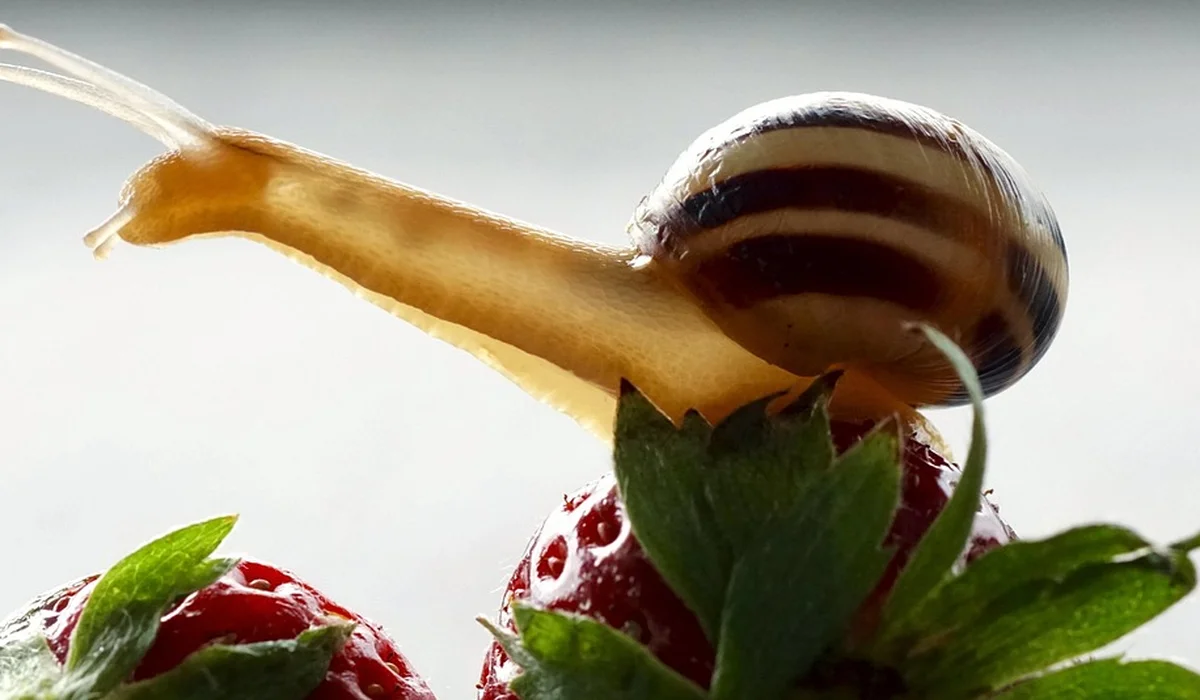
Sometimes, despite your best efforts, you might notice your snails acting listless, see tattered shells, or even face an unexpected loss. Many snail health problems can be traced back to their diet, either directly through malnutrition or indirectly through poor water quality.
Reviving Unhealthy or Picky Snails
If your snails are ignoring food or seem weak, don’t panic. You can often coax them back with a methodical approach. This approach is covered in our complete guide to keeping snails and shrimp together, which includes practical feeding and tank-mate tips for mixed tanks.
- Test Your Water First: Sudden changes in pH, ammonia, or nitrate can shut down a snail’s appetite. Ensure your parameters are stable before blaming the food.
- Offer a Buffet: A snail turning up its antennae at zucchini might devour a slice of cucumber. Try a variety of blanched veggies like kale, spinach, or green beans over several days.
- Check for Competition: Fast-moving fish like tetras or greedy bottom feeders can snatch food before snails get a chance. Try feeding your snails a dedicated meal after lights-out, when fish are less active, to ensure they get their share.
- Supplement Calcium Immediately: For weak shells, place a piece of cuttlebone in the tank or add a powdered calcium supplement directly to their blanched vegetables.
A common and confusing situation is finding snails that have passed away on a sand substrate. This often points to a dual failure: a lack of accessible food sinking to the bottom and a critical calcium deficiency in the water column. Sand itself is inert and offers no nutritional value, so snails reliant on foraging for biofilm and detritus can slowly starve if you don’t provide targeted feeding.
Your feeding routine directly impacts your entire tank’s ecosystem. Overfeeding any food, even vegetables, decays and spikes ammonia and nitrates. This nutrient overload is a direct invitation for persistent algae blooms, creating a cycle where you see more algae but your snails’ health declines from poor water conditions. In planted tanks, keeping a balanced nutrient plan helps plants outcompete algae and keeps the system stable. When nutrients stay balanced, you reduce algae risk and support healthy plant growth. Always remove uneaten food after 24 hours to keep the balance in check.
The No-No List: Foods That Harm Your Snails
It’s tempting to share bits of our food, but a snail’s digestive system is incredibly sensitive. Sticking to a simple menu of approved vegetables, algae, and prepared foods is the safest path to a long snail life. If snails are becoming garden pests, explore humane pest snail removal methods. You can start with hands-on removal and simple barriers to protect prized plants.
- Salty or Processed Foods: Chips, pretzels, or seasoned meats. Salt is toxic to invertebrates and causes fatal fluid imbalances.
- Spicy or Acidic Foods: Onions, garlic, citrus fruits, or tomatoes. These can burn their delicate tissues and disrupt their digestion.
- Raw Starchy Vegetables: Raw potatoes or standard potatoes in general. They are too difficult to digest and will foul the water.
- Dairy or Meat Products: Cheese, milk, or beef. Snails are not equipped to process animal proteins and fats, leading to rapid water pollution.
- Copper-Treated Foods or Plants: Any plant treated with copper-based pesticides. Copper is lethal to snails even in minute amounts.
The golden rule is simple: if you didn’t prepare it specifically for them, don’t drop it in the tank. When in doubt, a piece of organic zucchini or a quality sinking wafer is always a safe and nutritious bet.
Crafting Homemade Snail Meals: DIY Food Ideas
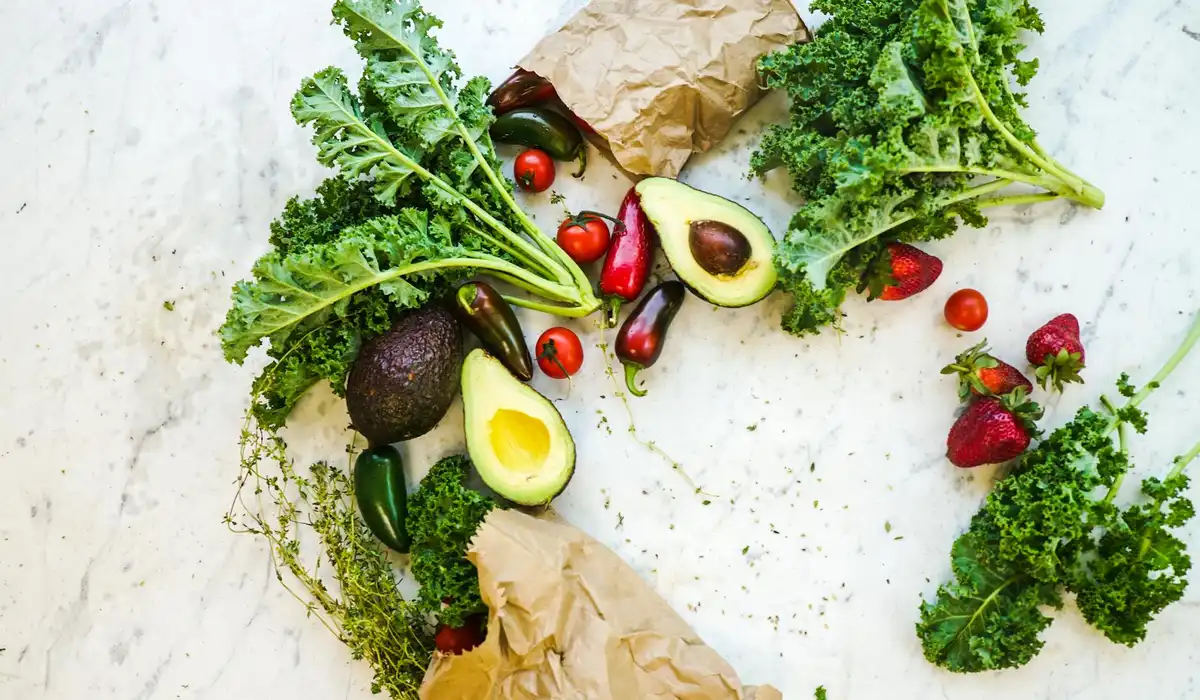
Whipping up your own snail food is a rewarding kitchen project that lets you tailor nutrition to your tank’s cleanup crew. I love making these because I can use leftover aquarium-safe vegetables and ensure every bite supports robust shell growth.
Your ingredient pantry is simple. You will often use unflavored gelatin as a binder, though agar-agar works for a plant-based gel. For nutrition, grab pureed vegetables like zucchini or carrots and a protein boost from fish flakes or dried brine shrimp. Never forget a calcium source-powdered calcium, crushed eggshells, or grated cuttlebone are perfect.
Preparing these foods is straightforward, and storing them properly keeps meals fresh and safe. Follow this general guide to make, set, and store your creations.
- Puree your selected vegetables and protein sources together until completely smooth.
- Dissolve the gelatin in hot water, following the packet directions for strength.
- Stir the vegetable puree and calcium powder thoroughly into the warm gelatin liquid.
- Pour the mixture into a shallow container or silicone mold for easy portioning later.
- Refrigerate the container for several hours until the gel is completely firm and sliceable.
- Cut the set gel into small cubes, store them in a sealed container in the fridge for up to five days, or freeze them for a month.
Always thaw frozen snail food in a small dish of tank water before feeding to prevent a sudden chill in the aquarium.
A Simple Gel Food Recipe for Protein and Veggies
This reliable recipe merges leafy greens with animal protein, creating a balanced feast that snails slowly graze on. In my tanks, this gel slowly dissolves, inviting a peaceful gathering of snails without fouling the water.
- Collect these items: one packet of unflavored gelatin, one cup of tightly packed blanched spinach, two tablespoons of standard fish flakes, one teaspoon of calcium carbonate powder, and one cup of water.
- After blanching the spinach to soften it, blend it with the fish flakes into a fine, green paste.
- Heat the water until small bubbles form, then whisk in the gelatin powder until no granules remain.
- Allow the hot gelatin liquid to cool for about five minutes, then vigorously mix in the spinach paste and calcium powder.
- Carefully pour the final mixture into an ice cube tray; this makes perfectly sized portions for most community tanks.
- Place the tray in the refrigerator and let it set for at least four hours until the cubes are firm and jiggly.
- To serve, drop one cube into the tank every other day, observing how quickly your snail population finds it.
You can easily swap spinach for pureed peas or carrots and use bloodworms instead of flakes for more protein variety.
FAQs
My aquarium snail died and my plants are melting. What happened?
This is a classic sign of a water quality crash, often triggered by overfeeding. Uneaten food and waste decompose, spiking ammonia and nitrates. These harmful compounds can both poison snails and cause delicate plants to melt away.
How long after a snail dies do plants start to melt?
Plant melting can begin within 24-48 hours if the snail’s death causes a significant ammonia spike. The timeline depends on your tank’s size, filtration, and bioload. It’s crucial to test your water immediately and perform a partial water change to address the underlying imbalance.
Why did my aquarium snails die on a sand substrate?
Sand is inert and can trap debris, creating toxic gas pockets if not stirred. More commonly, snails on sand may starve if they cannot find enough food, as edible biofilm and detritus sit on top rather than mix in. Ensure you are target-feeding sinking foods and supplementing calcium for their health.
I see many posts on Reddit about snails dying and plants melting. What’s the common link?
The overwhelming consensus in aquarium communities is that these twin issues almost always point to overfeeding and poor water quality. Decaying excess food pollutes the water, harming both snails and sensitive plants. The solution is consistent testing, smaller feedings, and prompt removal of any uneaten food. Especially in cases where pest snails infest an aquarium, maintaining water quality becomes crucial.
Your Snail’s Supper Plan
The secret to a thriving snail is a varied menu that blends prepared foods with the natural algae and biofilm in your tank. By avoiding overfeeding and supplementing with vegetables and calcium, you support both their health and your tank’s crystal-clear water quality. Typically, snails are good for the aquarium when their populations are kept in balance. Their grazing helps control algae and clean up leftovers, contributing to overall tank health and easier maintenance.
Watching your snail’s habits is the best guide to perfecting their care. Staying curious and adapting to your unique tank ecosystem is the most rewarding part of being a great aquarist. The lifespan of an aquarium snail varies by species and care. With proper nutrition and clean water, you can help your snail live a longer, healthier life.
Further Reading & Sources
- What Do Aquarium Snails Eat?
- Snail Food: What to Feed Your Aquatic Snails | Living Water Aeration
- r/AquaticSnails on Reddit: what should i be feeding my mystery snails? huge dilemma
- Types of Aquarium Snails
- Care Guide for Mystery Snails – Entertaining and Useful Scavenger – Aquarium Co-Op
Lia is an expert in aquarium and pet fish care. Having worked in the marine industry and having cared for multiple pet fish, she has acquired first hand expertise on aquarium care, maintenance and setup. She always brings her practical expertise and science to help solve any aquarium related queries.
Feeding Guidelines