
Are Pest Snails Secretly Sabotaging Your Aquarium? The Surprising Truth.
Published on: January 8, 2026 | Last Updated: January 8, 2026
Written By: Lia Annick
Hello fellow fish keepers. If you’ve ever spotted a tiny, uninvited snail cruising across your aquarium glass, you know that sudden mix of curiosity and panic. You’re not alone in wondering if these little hitchhikers are a disaster in the making for your underwater world.
This guide cuts through the confusion and gives you the real story. We will cover:
Whether pest snails actually harm your fish, plants, or shrimp
The unexpected benefits these cleanup crews provide
Simple, effective methods for controlling their population
I’ve managed these snail outbreaks for years in my own high-tech planted tanks, balancing vibrant fish and shrimp colonies alongside them.
Meet the Tiny Cleanup Crew: What Are Pest Snails?
You’ve seen them-those tiny, gliding shells that seem to multiply overnight. These so-called “pest” snails, like Bladder, Ramshorn, and Malaysian Trumpet Snails, are almost always hitchhikers that arrive on new plants. They aren’t deliberately introduced but sneak in as tiny eggs or juveniles, hidden in the foliage.
I consider them an unpaid, highly efficient cleanup crew. They spend their days consuming leftover fish food, decaying plant matter, and biofilm, performing a vital role in your tank’s ecosystem. Their sudden population boom is not a cause for panic, but a clear message from your aquarium that there is an excess of food available for them to thrive on.
Do Pest Snails Hurt Your Fish, Plants, or Shrimp?
This is the heart of the matter for most aquarists. The fear is real, but let’s separate fact from fiction. In the vast majority of well-maintained tanks, pest snails are harmless janitors, not destructive villains. Their impact depends entirely on the context of your aquarium’s balance.
Fish Health and Fin Nippers
Take a deep breath-your fish are safe. Pest snails are scavengers, not predators; they lack the anatomy and desire to attack healthy, swimming fish. The gentle rasp of their mouthparts is designed for scraping surfaces, not tearing fins.
I have kept them with everything from my feisty Betta, Captain Fin, to my shy Corydoras, Shadow, with zero issues. The only time a snail might be found on a fish is if the fish is already severely ill, immobile, or has passed away, as the snail is simply doing its cleanup job. They are a symptom of a problem, not the cause.
- Healthy, active fish: Completely safe.
- Long-finned, slow-moving fish (like Bettas): No threat.
- Bottom dwellers (like Corydoras or Loaches): Peaceful tankmates.
Plant Damage: Leaf Munchers or Decay Diners?
Watch your plants closely. A pest snail will almost always choose a soft, melting leaf over a crisp, healthy one every single time. They are nature’s recyclers, drawn to the decaying matter that you were probably going to trim away anyway.
If you see perfectly healthy plant leaves with holes or extensive damage, the culprit is far more likely to be a nutrient deficiency or another pest. An explosion of snails eating your prized plants is a major red flag that your plants are already unhealthy and the snails are just taking out the trash. They clean up the mess; they don’t typically create it.
Shrimp Health and Baby Shrimp Safety
In a shrimp tank, the dynamic is one of coexistence, not conflict. Pest snails and shrimp are direct competitors for the same food sources-biofilm, algae, and detritus-but they are not enemies. They will often be seen grazing right alongside each other.
The biggest risk to baby shrimp is not being eaten, but outcompeted for food. A massive snail population can potentially consume the microscopic food sources that newborn shrimp rely on, so managing their numbers through feeding control is key. The snails themselves pose no physical threat to even the tiniest shrimp.
Identifying Common Freshwater Aquarium Snails
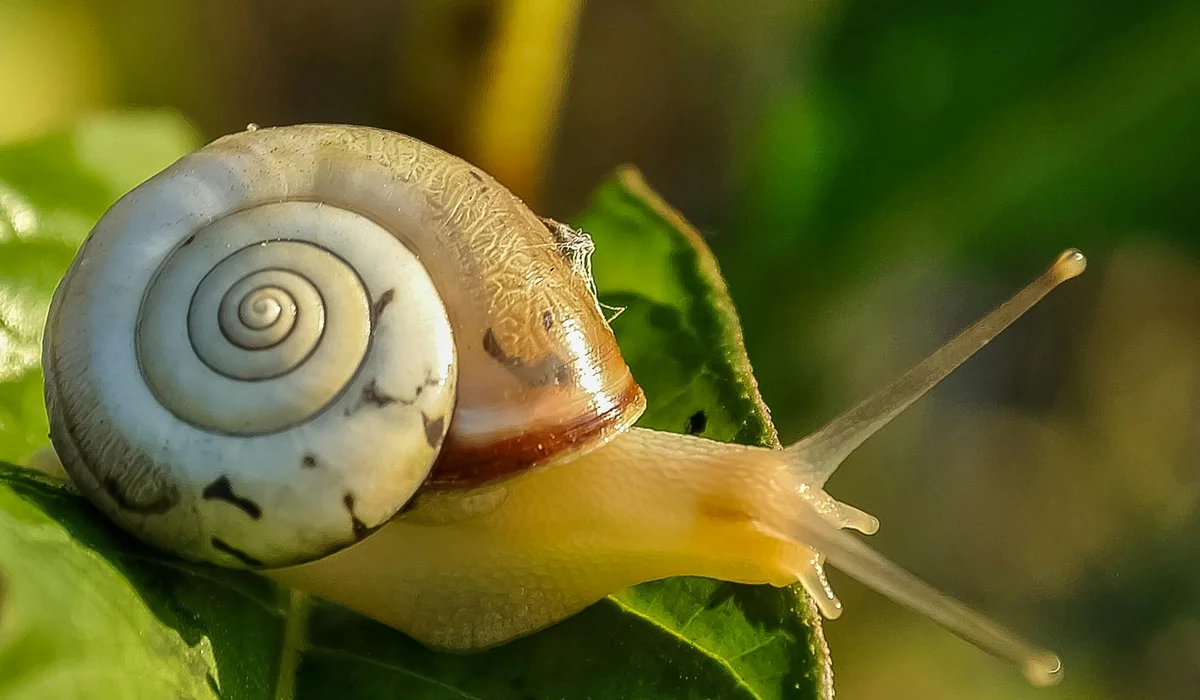
Not every tiny shelled creature is a menace. Knowing who has moved in is your first step to managing them. I’ve found that most “pest” snails fall into a few common categories.
Bladder Snails
You’ll recognize these by their thin, speckled grey shells that curl to the left. They have long, threadlike antennae. Bladder snails reproduce rapidly in tanks with excess food, making them a clear sign you might be overfeeding. They are prolific egg layers, leaving behind clear, gelatinous clutches on plant leaves and hardscape.
Ramshorn Snails
These snails look like a small, flat coil, much like a ram’s horn. They come in various colors, from red and pink to spotted blue. While some aquarists prize the red variety for their color, a population explosion signals an abundance of edible material, like decaying plants or uneaten fish food. Their round egg masses are also encased in a clear, tough jelly.
Malaysian Trumpet Snails
These snails have long, pointed, conical shells and spend most of their time burrowed in your substrate. Malaysian Trumpet Snails are fantastic for aerating your sand or fine gravel, preventing dangerous gas pockets from forming. You’ll often only see them emerge in large numbers after the tank lights go out, creating a shimmering, moving carpet on the glass.
Pond Snails
Often confused with Bladder Snails, Pond Snails have thicker, darker, and more triangular shells that curl to the right. Their antennae are flat and wide. A sudden appearance of Pond Snails almost always comes from a new plant that wasn’t properly quarantined or dipped before introduction. They can be more dedicated plant nibblers than the others if other food is scarce.
The Real Problem Behind a Pest Snail Infestation
Seeing dozens of snails can be alarming, but the snails themselves are rarely the primary issue. They are a symptom, not the disease. The real problem is an imbalance in your aquarium’s ecosystem. Besides snails, other hitchhikers can sneak in—planaria, hydra, and unwanted shrimp. Learn to identify and manage aquarium hitchhikers to keep the tank balanced.
They Thrive on Excess Nutrients
Pest snails have a simple equation for success: more food equals more babies. A booming snail population is a clear, living indicator that your tank has more waste than your current cleanup crew and filtration can handle. They are capitalizing on a food source you’re unintentionally providing. This is often due to:
- Overfeeding your fish
- Decaying plant matter left in the tank
- A deceased fish or shrimp that hasn’t been removed
- An overstocked aquarium producing too much waste
The True Danger is Water Quality
While a few snails are harmless, a massive die-off can crash your tank. If you try to kill them all at once with chemicals or other methods, their decomposing bodies will release a huge amount of ammonia. The greatest threat snails pose is not from their living presence, but from the ammonia spike that follows a mass death event. This can quickly poison your fish and shrimp, leading to a full tank crisis.
They Highlight an Imbalanced System
A stable, healthy aquarium is all about balance. When you see pest snails multiplying, view it as your tank sending you a message. Instead of waging war on the snails, focus on correcting the underlying condition that allowed them to thrive in the first place. Common causes include overfeeding and excess nutrients that fuel snail reproduction, along with decaying plant matter. Snails can also hitchhike in on new plants or decorations. This is a more effective and sustainable long-term solution for the health of all your tank’s inhabitants.
Managing a Snail Population Surge
Manual Removal and Simple Traps
When you first notice a snail explosion, your hands are your best tool. I spend a few minutes each evening before lights out plucking snails off the glass. This consistent, manual effort is the safest and most immediate way to bring numbers down without disrupting your tank’s balance. For a more passive approach, try a simple trap.
Here is my go-to DIY method:
- Take a clean glass jar or a small plastic container.
- Place a piece of blanched zucchini, cucumber, or a sinking algae wafer inside as bait.
- Place the container on the substrate just before you turn the tank lights off.
- Within an hour or two, it will be covered in snails. Simply remove the entire trap in the morning.
You’ll be amazed at how many you can collect overnight. This trap method is brilliantly effective because it exploits their nighttime feeding habits, doing the hard work for you while you sleep.
Introducing Natural Snail Predators
If manual removal feels like a losing battle, you can recruit a clean-up crew that sees snails as a gourmet meal. Introducing a natural predator is a fantastic, long-term solution, but you must choose carefully based on your tank’s inhabitants. For pest snail removal methods beyond predators, consider snail traps or targeted treatments designed for freshwater tanks, and always check compatibility with your other inhabitants.
- Assassin Snails: These are my top recommendation for a targeted approach. They hunt and consume other snails but generally leave shrimp and fish alone. They are slow breeders, so you won’t be trading one pest for another.
- Loaches: Fish like Clown, Yo-Yo, and Zebra Loaches are snail-eating machines. Remember that most loaches need to be in groups and require larger tanks (30+ gallons), so they are not a solution for a small aquarium.
- Pufferfish: Species like the Dwarf Pea Puffer are extremely effective. However, they can be aggressive and often cannot be kept with shrimp or fish with long fins, like my betta, Captain Fin.
Always research tank size and temperament compatibility before buying any new fish. Adding a predator is a major ecosystem decision, not just a quick fix. Choosing the right tank mates reduces stress and aggression. This helps maintain a peaceful, healthy tank.
Chemical Treatments: A Last Resort
I must be perfectly clear: I almost never recommend chemical snail removers. They are a nuclear option that comes with severe risks. These poisons do not discriminate. For a safer approach, manually remove pest snails when you see them and encourage natural predators to help control populations.
They will kill every snail in your tank, which can lead to a massive ammonia spike as their bodies decay. More alarmingly, they can be lethal to sensitive invertebrates like shrimp and even harm the beneficial bacteria in your filter. Using a chemical treatment can crash your entire tank’s cycle, creating a far bigger problem than the snails ever were. Exhaust every other option first.
Keeping Pest Snails Out for Good
The ultimate secret to a snail-free tank is to stop them from getting in. They almost always hitchhike into your aquarium on new plants or decor. To prevent pest snails from entering your aquarium, quarantine new arrivals and rinse or treat plants before they go in. Regularly inspect any new decor for hitchhikers before placing it in the tank.
To quarantine new plants, I use a simple but effective dip. Create a bleach solution of one part household bleach to nineteen parts water. Soak the plants for no more than two minutes, then rinse them thoroughly in dechlorinated water. This quick dip kills snail eggs and adults without harming most hardy plants like Anubias or Java Fern.
For a gentler method, soak new plants in a bucket of water with a dose of alum (found in the spice aisle) for two to three days.
Finally, the best ongoing defense is to not overfeed your fish. Those leftover food particles are a five-star buffet for snails, fueling their population boom. Feed only what your fish can consume in two minutes and use a gravel vacuum during water changes to suck up any hidden waste. You are essentially starving them out by managing their food source.
## Common Questions
Do pest snails attack or kill healthy fish?
No, pest snails are not predators and do not attack healthy fish. They are scavengers that feed on waste and decaying matter. A snail found on a fish is almost always consuming a fish that was already dead or dying. When considering their diet in home aquariums, hobbyists often ask what the best foods for aquarium snails are. In general, aquarium snails do well on algae, biofilm, and occasional prepared foods.
Can a large snail population stress my fish?
Yes, an extreme overpopulation of snails can cause stress to fish by competing for resources and contributing to a high bioload. This competition can make fish less comfortable during feeding times, and the increased waste can challenge your filtration system, potentially affecting water quality.
Do snails carry diseases that can infect my fish?
While snails can act as intermediate hosts for certain fish parasites in rare, specific cases, this is not a common concern in most home aquariums. The primary health risk from snails comes from a mass die-off, which can cause a dangerous ammonia spike that harms or kills fish. In practice, the snails most commonly seen in freshwater tanks are pest snails—bladder and ramshorn snails—with Malaysian trumpet snails also common in many setups.
Will snails outcompete my fish for food?
In a well-managed tank, snails should not outcompete fish for food. They primarily consume leftovers and detritus that fish ignore. If snails are swarming food as you add it, it is a sign you are likely overfeeding, which is the underlying issue to correct.
Final Thoughts on Pest Snails
Pest snails are not harmful to your fish, plants, or shrimp and can actually contribute to a cleaner tank by consuming waste. Some pest snails can be beneficial in small numbers, grazing on detritus and algae. However, they can multiply quickly if not kept in check. You can easily manage their population by avoiding overfeeding and maintaining consistent tank cleaning routines.
Responsible pet ownership in the aquarium hobby means staying proactive about your ecosystem’s health. Keep expanding your knowledge on fish and tank care to foster a thriving underwater world for years to come.
Further Reading & Sources
- 5 Easy Ways to Get Rid of Pest Snails in Your Fish Tank – Aquarium Co-Op
- All About Pest Snails in the Planted Aquarium – Buce Plant
- Aquarium Snails: What To Keep And What To Avoid | Chewy
- How to Remove Pest Snails from Your Aquarium – Buce Plant
- A plague of snails – | Aquasabi | Aquasabi – Aquascaping Shop
Lia is an expert in aquarium and pet fish care. Having worked in the marine industry and having cared for multiple pet fish, she has acquired first hand expertise on aquarium care, maintenance and setup. She always brings her practical expertise and science to help solve any aquarium related queries.
Aquatic Invertebrates