
How Often to Clean Your Betta Tank: The No-Stress Schedule for a Thriving Fish
Hello fellow aquarists! That nagging question about the perfect cleaning schedule for your Betta’s home is more common than you think, and getting it right transforms murky uncertainty into a shimmering, healthy aquarium.
This guide cuts through the confusion and covers everything you need to establish a crystal-clear routine:
- the precise rhythm for partial water changes based on your tank’s specific setup
- gentle methods to clean substrate and ornaments without sparking your Betta’s stress
- filter maintenance that protects the vital ecosystem in your tank
- unmistakable signs from water clarity to fish behavior that demand action
- a simple, effective weekly and monthly plan you can start today
I draw this advice from years of hands-on experience maintaining complex planted tanks and breeding fish, including feisty Bettas like my own Captain Fin.
The Rhythm of Betta Tank Cleaning: Finding Your Frequency
Forget about rigid calendar reminders. Successful betta tank maintenance hinges on a consistent, observant rhythm, much like the gentle hum of a reliable filter. You’re not just changing water; you’re preserving an ecosystem.
Your cleaning frequency stems from a blend of tank size, filtration, and planting. Here’s a foundational look at how these elements interact.
| Tank Setup | Recommended Partial Water Change | Key Factors at Play |
|---|---|---|
| 5-gallon tank with a filter | 25-30% every week | Filtration helps, but the small water volume is less forgiving of waste buildup. |
| 10-gallon tank with live plants & filter | 20-25% every 10-14 days | Larger water volume dilutes toxins, and plants actively consume nitrogen compounds. |
This table is a starting point, not a final rule. Your liquid test kit for ammonia, nitrite, and nitrate is the ultimate authority that dictates your true schedule. If nitrates climb past 20 ppm, it’s time for a water change, regardless of the day.
What Changes Your Betta Tank Cleaning Schedule?
Tank Size: The Volume Rule
Water volume is your primary buffer against poor water quality. In tiny tanks under 5 gallons, toxins concentrate with frightening speed, demanding more frequent intervention. I learned this early on with my betta, Captain Fin.
- Small tanks (3-5 gallons) often need smaller, more frequent water changes, like 30-50% twice a week, to prevent ammonia spikes.
- Larger tanks (10 gallons and up) provide stability. You can perform slightly larger percentage changes, like 25-30%, just once a week.
- For example, a 3-gallon bowl may need 50% changes twice a week, while a 10-gallon tank can thrive on a 25% weekly change, making it a much more manageable choice.
Filtration: The Silent Workhorse
A cycled filter does the heavy lifting by housing beneficial bacteria. How you maintain this silent workhorse directly impacts how often you need to roll up your sleeves for a water change. Never clean it with tap water.
- Always swish or rinse filter sponges and media in a bucket of old tank water you’ve just removed. This preserves the vital bacteria while removing gunk.
- Gentle sponge filters are excellent for bettas as they won’t create strong currents, and they provide a massive surface area for bacteria to colonize.
- Hang-on-back filters offer stronger mechanical cleaning but ensure the flow is baffled so your betta isn’t stressed by the current.
Live Plants: Your Natural Cleaning Crew
Live plants are more than decoration; they’re active participants in water quality. By absorbing nitrates, they directly extend the time between your necessary water changes. My tank with Shadow the corydoras is heavily planted, and I notice a real difference.
- Easy beginner plants like Anubias, Java Fern, and floating Frogbit consume nitrates, which is the end product of the nitrogen cycle.
- A densely planted 10-gallon tank might only need a water change every two weeks, thanks to this natural uptake.
- Remember, planted tanks still need substrate cleaning. Use a gravel vacuum gently around plant roots to siphon out detritus without disturbing them too much.
Stocking and Feeding: The Bioload Balance
Your betta’s waste and leftover food define the tank’s bioload. Overfeeding is the most common mistake that sabotages a clean tank, leading to cloudy water and algae blooms. A single betta produces far less waste than a community tank.
- Feed only what your betta can consume in about two minutes, usually 2-4 pellets twice a day. Remove any uneaten food immediately.
- If you add tank mates like snails or shrimp, you increase the bioload and may need to adjust your cleaning frequency slightly.
- Observe your fish. If you see a lot of waste accumulating on the substrate between cleanings, you may need to vacuum more often or reassess your feeding amount.
Signs It’s Definitely Cleaning Time
Sticking to a schedule is smart, but your betta tank will sometimes whisper-or shout-for attention before the next planned cleaning. Your eyes, nose, and your fish’s behavior are the most reliable gauges, often spotting problems that a rigid calendar misses.
- Water Tests Don’t Lie: A nitrate level climbing above 20ppm is your cue to intervene. Any detectable ammonia or nitrite, even at 0.25ppm, is a five-alarm fire requiring an immediate partial water change.
- The View From the Glass: Look for a fog of green or brown algae film on the tank walls, visible mulm collecting on the substrate, or a general cloudiness that steals the water’s sparkling clarity.
- Your Betta’s Body Language: When my betta, Captain Fin, feels the water quality dip, he tells me. He’ll clamp his flowing fins tight to his body, hide more than usual, and show zero interest in food during feeding time.
- The Sniff Test: A healthy aquarium has a faint, clean earthy smell. If you detect a sour, swampy, or outright foul odor when you lift the lid, waste is decomposing and you need to clean right away.
The Gentle Art of the Partial Water Change
This routine is the heartbeat of tank maintenance, swapping out old water for fresh without crashing the delicate ecosystem you’ve built. Aim for consistency and gentleness—a massive, sudden change is more shock than solution for a sensitive betta. After the change, acclimate your betta slowly to the new water to avoid shock. A slow, gradual transition helps the fish settle in comfortably.
Your Pre-Cleaning Toolkit
Having everything within arm’s reach makes the process faster and safer for your fish. I learned the hard way to never use a bucket that once held soap; now I have dedicated supplies that live with my tank.
- Gravel Vacuum/Siphon: The essential tool for sucking waste from the substrate without uprooting your entire aquascape.
- Clean Buckets: Use at least two that are reserved solely for aquarium use. I mark mine with bright tape to prevent any mix-ups with household cleaning.
- Liquid Water Conditioner: This instantly neutralizes chlorine and chloramines in tap water. Don’t add fish without it.
- Accurate Thermometer: Critical for matching new water temperature to your tank’s within 1-2 degrees Fahrenheit to avoid thermal shock.
- Soft Algae Pad: A simple pad for wiping glass; for acrylic tanks, use a designated sponge to prevent scratches.
Step-by-Step Stress-Free Water Change
Follow this sequence to keep your betta calm and your beneficial bacteria mostly undisturbed. Rushing stresses everyone out-take your time and let the siphon do the heavy lifting.
- Switch off your heater and filter. This protects the equipment from damage and prevents the filter from sucking in air during the water drop.
- Siphon out 25-50% of the tank water using the gravel vacuum. Push the tube into the substrate to lift debris, but only clean a third of the gravel area each week to preserve good bacteria.
- Wipe down the interior glass gently with your algae pad. Start at the top and work down; you’ll see the shimmer of scales return as the film disappears.
- Prepare the replacement water in your clean bucket. Temperature-match it to your tank water, then dose with the correct amount of water conditioner-always treat the water before it goes in the tank.
- Add the new water to the tank slowly and carefully. Pour it onto a small dish or even your hand to disperse the flow and keep your substrate and plants from being uprooted.
- Re-start your heater and filter, then watch your betta closely. Within an hour, Captain Fin usually resumes patrolling his territory, a sure sign you’ve maintained his world with care.
Maintenance Habits That Make Cleaning Easier
I want to let you in on a secret from my own fish room: the happiest betta tanks aren’t the ones getting dramatic, monthly overhauls. The true key to a pristine tank and a vibrant fish is a consistent, gentle weekly check-in that becomes second nature. Sporadic deep cleans stress your betta and disrupt the delicate balance you’ve worked so hard to build. Choosing the right tank size is part of that equation—the ideal setup for a betta is at least 5 gallons, with 10 gallons giving the best stability and room to swim. A properly sized tank makes those weekly checks more meaningful, since water parameters stay steadier over time.
Set a simple, ten-minute routine for every Saturday morning. First, test your key water parameters-ammonia, nitrite, and nitrate. Next, give the tank a visual once-over; look for uneaten food, waste buildup, or any algae starting on the glass. Then, offer a lighter feeding than usual and observe Captain Fin’s appetite and energy. This observant ritual lets you spot tiny issues before they become tank emergencies, making your actual water change day a breeze.
Our brains are busy, and water test results blur together. I keep a simple notebook right by my tanks. Jot down the date, your test readings, and what maintenance you did. Logging this data creates a powerful history that helps you predict your tank’s needs and catch subtle shifts in water chemistry early. If paper isn’t your style, a free aquarium app on your phone works perfectly.
For tiny betta tanks under five gallons, a standard gravel vacuum can be too harsh. My favorite DIY hack is using a spare section of airline tubing as a micro-siphon. Just submerge one end in the tank, start the siphon with your mouth (be careful not to drink tank water!), and gently guide the tube over the substrate. This gives you surgical control to remove waste from between delicate plant roots or under decorations without sucking out half your water volume. This approach lets you clean vacuum aquarium gravel effectively in small tanks without disturbing the rest of the setup. It’s a precise, low-stress method for maintaining clean substrate.
Common Cleaning Mistakes to Avoid
One of the most heartbreaking mistakes I see is the full tank dump. Replacing all the water at once might seem thorough, but it’s a disaster. This complete change shocks your betta’s system and utterly crashes the nitrogen cycle by washing away the beneficial bacteria that live in your water column. Stick to partial changes of 25-50% weekly to preserve that critical biological balance. This is especially important during the cycling process of a new aquarium.
Your filter is the beating heart of your tank’s ecosystem, and that grimy sponge is full of life. Rinsing filter media under the tap water’s chlorine is like hitting the reset button on your cycle. Always swish or squeeze your filter media in a bucket of old tank water you’ve just removed during your water change to preserve those vital bacteria colonies.
When adding new water, its temperature and pH must closely match the tank’s. A sudden chill or a chemical swing can send your betta into shock. I always float my replacement water bag in the tank to temperature-match and use a dechlorinator that also buffers pH. Properly acclimating a betta to a new tank means taking the time to adjust both the water and the fish. This careful, gradual process reduces shock and supports long-term health. Taking twenty minutes to acclimate new water protects your fish from invisible stress that weakens their immune system over time.
Unless you’re doing a full tank rescape, there’s no need to net your betta out for a routine clean. The chasing and handling are far more stressful than you calmly working around him. Captain Fin will usually hover curiously near your hand; working with him in the tank builds trust and keeps his environment stable. Save the net for true emergencies only.
Essential Gear for Pristine Water
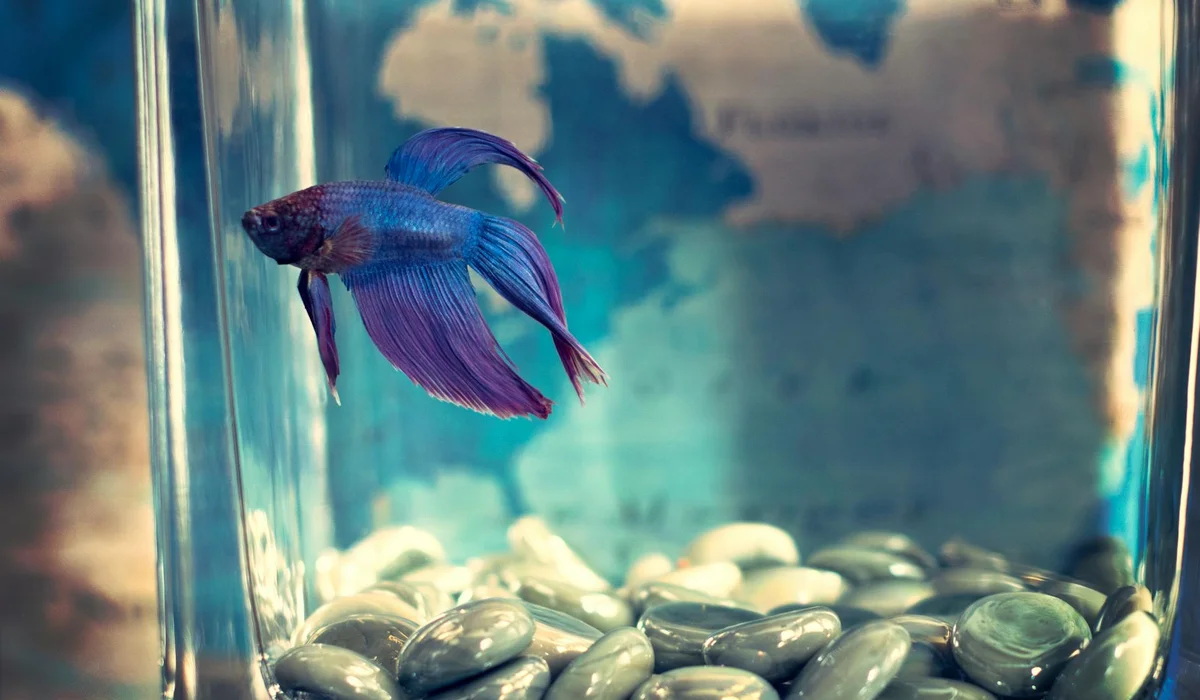
Keeping your betta’s water crystal clear relies on a few key tools that I always keep within arm’s reach. Trust me, after years of maintaining tanks for feisty bettas like Captain Fin and social goldfish like Goldie, I’ve learned that the right gear prevents problems before they start—unlike some of the myths you might hear about bettas, like those dusty regarding bowls, bubbles, and companions.
You cannot manage water quality effectively without these three non-negotiable items. Consider this your core toolkit for a healthy, stable aquarium ecosystem. Essential water testing equipment helps you monitor parameters like pH, ammonia, nitrite, and nitrates to keep your tank healthy. Regular testing supports proactive adjustments and a thriving aquatic community.
- Liquid Master Test Kit: Test strips can be unreliable, but a liquid kit gives you precise readings for ammonia, nitrite, nitrate, and pH. I use mine weekly to check on Shadow’s tank, ensuring the bottom dwellers stay safe from invisible toxins.
- Gravel Vacuum: This siphon removes waste trapped in the substrate during water changes. The gentle slurping sound means you’re pulling out decay before it clouds the water or harms your fish.
- Quality Water Conditioner: Tap water contains chlorine that can burn fish gills. A conditioner neutralizes it instantly. I never add new water to any tank, whether for Captain Fin or Goldie, without treating it first.
Some tools are optional but can make your maintenance much smoother. These extras save time and reduce stress for both you and your aquatic pets.
- Magnetic Algae Cleaners: These handy scrubbers let you clean glass from the outside, keeping the view clear for watching those iridescent betta scales without getting your sleeves wet.
- Plant Trimming Scissors: Curved scissors allow precise cuts to shape plants, promoting lush growth. Healthy plants mean more oxygen and better hiding spots for shy fish like Shadow.
Remember, the best equipment supports a consistent routine-it doesn’t replace one. No tool can substitute for regular water testing and timely partial water changes. When performing safe, effective partial water changes, remove only a portion of water at a time and use dechlorinated, temperature-matched water. This helps keep parameters stable and your aquatic life comfortable. Use your gear to build a stable schedule, and you’ll enjoy the clarity of pristine water with less effort.
Common Questions
How often should I clean a very small Betta tank or bowl?
Very small unfiltered setups under 5 gallons require the most frequent maintenance. You should perform a 50% partial water change at least twice a week to prevent the rapid buildup of harmful toxins. Consistent small cleanings are far better than infrequent large ones in these compact environments.
Do live plants really mean I can clean less often?
Yes, healthy live plants act as a natural filter by consuming nitrates, which can extend the time between water changes. A densely planted, filtered 10-gallon tank might only need cleaning every 10 to 14 days. However, you will still need to gently vacuum the substrate and maintain your filter and aquarium regularly.
How do water tests determine my cleaning schedule?
Your liquid test kit provides the definitive data for your cleaning timeline. If nitrate levels rise above 20 ppm, it’s time for a partial water change. Any detectable level of ammonia or nitrite is an urgent sign that immediate cleaning and water changes are necessary, regardless of your regular schedule.
Can I clean my Betta’s tank too often?
Yes, over-cleaning can be harmful. Replacing all the water at once or aggressively cleaning the filter and gravel can remove the beneficial bacteria that keep your tank safe. Stick to consistent partial changes and avoid deep-cleaning all tank components simultaneously to maintain a stable, healthy ecosystem.
Your Blueprint for a Pristine Betta Tank
Stick to a routine of weekly partial water changes and always let your eyes and a test kit guide you-clean when the water tells you to, not just the calendar.Observing your Betta’s vibrant activity and the water’s shimmering clarity is your best indicator that your maintenance rhythm is perfectly in tune.
Your care directly shapes Captain Fin’s world, making consistent, informed tank upkeep one of the most rewarding parts of fish keeping.Embrace the learning process; the hum of a healthy filter and the sight of your fish thriving are the best rewards for a dedicated aquarist.
Further Reading & Sources
- r/bettafish on Reddit: How often to clean tank?
- How often to clean a 5-10 gallon fish tank?
- How often should 1 gallon betta tank be cleaned | Betta Fish Forum
- How often should i clean tank? | Betta Fish Forum
- How often do you clean your betta tank? | Betta Fish Forum
Lia is an expert in aquarium and pet fish care. Having worked in the marine industry and having cared for multiple pet fish, she has acquired first hand expertise on aquarium care, maintenance and setup. She always brings her practical expertise and science to help solve any aquarium related queries.
Regular Cleaning