
7 Critical Aquarium Cycling Mistakes That Harm Your Fish
Hello fellow aquarists. I know that murky, confusing first phase of a new tank can make you question everything. You want a thriving ecosystem, but the cycling process feels like a high-stakes chemistry exam you didn’t study for.
This guide will help you sidestep the most common and damaging errors, including: rushing the timeline, using the wrong ammonia source, neglecting your water test kit, changing filters too soon, overcleaning the tank, adding too many fish at once, and misunderstanding water changes during the cycle.
I’ve learned these lessons through years of maintaining high-tech planted systems and breeding sensitive fish.
Mistake 1: Skipping the Aquarium Cycling Process Entirely
Think of aquarium cycling as building the immune system for your tank. It’s the process of cultivating a colony of beneficial bacteria that will neutralize harmful fish waste. This bacterial colony is the true life support system of your aquarium, working silently in your filter and substrate to keep the water safe. Without it, you’re essentially putting your fish into an unventilated, toxic room.
Plunging fish into an uncycled tank is the single biggest cause of “new tank syndrome.” Their waste immediately releases toxic ammonia into the water, which burns their gills and fins, suffocates them, and leads to a rapid, stressful decline. I’ve seen it happen too many times: a beautiful new fish becomes lethargic within days, gasping at the surface because the invisible water chemistry is attacking it. This is entirely preventable with a little patience upfront.
The safest and most humane method is a fishless cycle. Here’s how you start:
- Set up your tank completely with a running filter and heater.
- Add an ammonia source. I use pure household ammonia (with no surfactants or scents) because it’s easy to dose. You can also use a small piece of raw shrimp from the grocery store.
- Dose the ammonia to 2-4 parts per million (ppm). This gives the bacteria a robust food source to kickstart their growth.
- Wait and test. The bacteria need time to find the ammonia, consume it, and multiply.
A fishless cycle transforms your tank from a sterile container into a living, breathing ecosystem ready to protect its inhabitants.
Mistake 2: Neglecting Regular Water Testing with Test Kits
You cannot manage your tank’s health by just looking at the water. Crystal-clear water can be full of invisible poison. Liquid test kits are your aquarium’s stethoscope, allowing you to listen to the heartbeat of your nitrogen cycle. Test strips are tempting for their speed, but liquid kits are far more accurate and reliable for the critical cycling phase. When you’re cycling a new tank, you’ll want the best water testing kits for aquarium cycling to track the nitrogen stages accurately. Liquid kits that measure ammonia, nitrite, and nitrate are especially helpful during this phase.
You need to track three key parameters religiously:
- Ammonia: The initial toxic waste product. Your target during a cycle is to see this spike and then fall to zero.
- Nitrite: The second-stage toxin produced as bacteria break down ammonia. This, too, must spike and then crash to zero.
- Nitrate: The final, far less toxic product. A rising nitrate level is your proof that the cycle is working and is nearly complete.
During the initial cycle, test your water every other day. This frequent testing lets you chart the progress of your bacterial colonies. Seeing that ammonia level finally hit zero for the first time is a victory every aquarist remembers. These results show what your ammonia readings mean for the tank’s health. When ammonia reads zero, the cycle is complete; any detectable level means more time is needed for beneficial bacteria to catch up. Once your tank is established, a weekly test is a perfect habit to catch problems before they affect your fish.
Interpreting the results is straightforward. If you have any detectable ammonia or nitrite after adding fish, it’s a red flag that your cycle is incomplete or has crashed. Your test kit doesn’t just give you numbers; it tells you the story of the invisible world living in your filter media. It shows you the beneficial bacteria are thriving, struggling, or need help. Even if the numbers look good, it’s essential to know what to look for when your aquarium is fully cycled.
Mistake 3: Adding Fish Too Soon Before the Cycle Completes
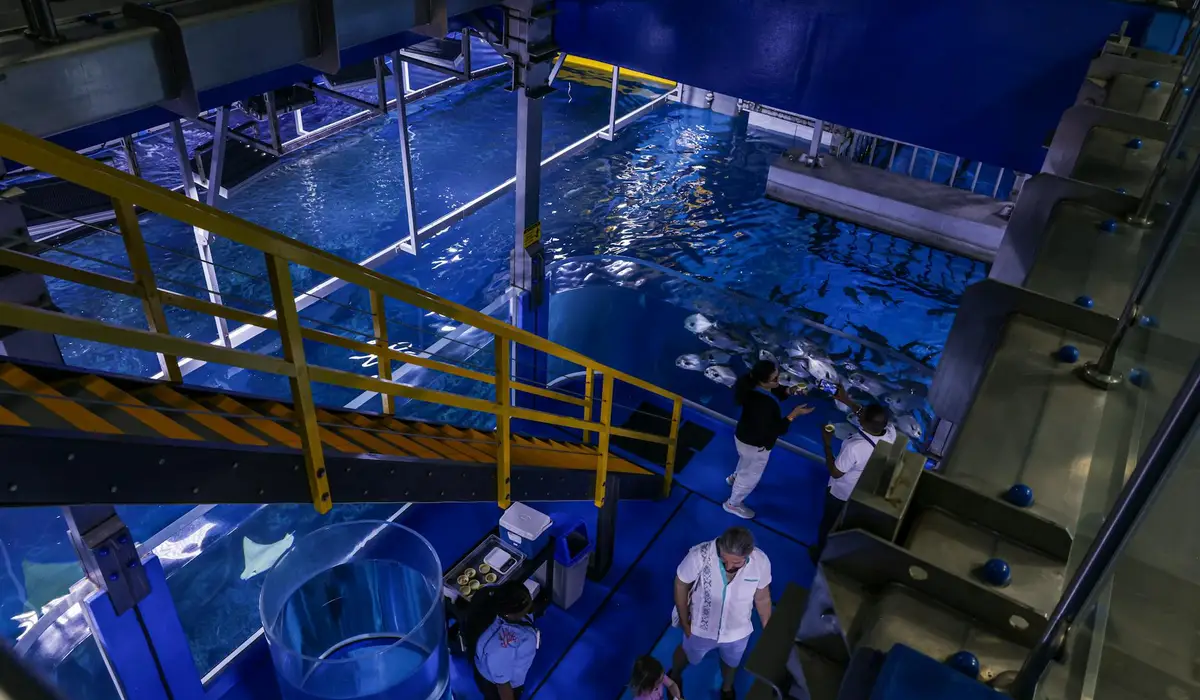
I know the excitement is real. You have the tank set up, the aquascape looks perfect, and you’re just itching to see some life in there. But putting fish in before the cycle is done is like moving a family into a house that’s still being built. The walls might be up, but the air and water aren’t connected yet, and it’s a dangerous place to live.
How to Know Your Cycle is Truly Complete
Don’t guess. Your water test kit is your best friend here. A cycle isn’t complete just because the water looks clear.
- Ammonia reads a solid 0 ppm (parts per million).
- Nitrites read a perfect 0 ppm.
- You have a measurable reading for Nitrates (usually between 5-20 ppm).
- Your tank can process 1-2 ppm of ammonia into nitrates within 24 hours.
You must see zero ammonia and zero nitrites for at least a couple of days in a row to be sure the colony of beneficial bacteria is stable and working.
The Hidden Dangers of an Incomplete Cycle
Ammonia and nitrite are silent killers. You can’t always see them, but fish feel their effects immediately.
- Chemical Burns: Ammonia burns their gills and skin, making it impossible to breathe properly.
- Blood Poisoning: Nitrite binds to their blood cells, stopping them from carrying oxygen. They slowly suffocate even in oxygen-rich water.
- Chronic Stress: Constant exposure to low levels of toxins weakens their immune systems, making them vulnerable to ich, fin rot, and other diseases.
Fish added to an uncycled tank often die within days, or they survive with permanent health damage that shortens their lives. I learned this the hard way with my first betta, and it’s a mistake I’ll never make again.
Mastering the Art of Patience
Waiting is the hardest part, but it’s also the most important skill in fishkeeping.
- Set a calendar reminder to test your water every other day. This turns waiting into an active process.
- Use a bacterial starter culture to speed things up, but still verify with your test kit. They help, but they aren’t instant.
- Focus on your aquascape. Adjust the hardscape, trim any starter plants, and perfect the layout while the bacteria do their work.
A stable biofilter is the foundation of a thriving aquarium, and it’s the one thing you absolutely cannot rush.
Mistake 4: Overstocking or Overfeeding During the Cycle
You’ve waited patiently, your cycle is complete, and now it’s finally time for fish! It’s so tempting to fill the tank with all the beautiful species you’ve been eyeing. Resist that urge. Your new bacterial colony is like a small town with a new power plant; it can only handle so many houses turning on their lights at once.
Why Bio-load Management is Everything
Bio-load is the total waste produced by everything living in your tank-fish, shrimp, and snails. Your filter’s bacteria can only process a certain amount of waste per hour.
- Overstocking dumps more ammonia into the water than the bacteria can consume.
- This causes an ammonia spike, which can crash your new cycle and poison your fish.
- A crashed cycle means you’re back to square one, but now with living creatures depending on you.
Start with just a few small, hardy fish, like a school of zebra danios or a couple of corydoras, to give your filter time to strengthen. My corydoras, Shadow, was one of my first residents for this exact reason.
The Domino Effect of Overfeeding
Overfeeding is the most common beginner mistake, and it’s a double whammy during the cycle.
- Uneaten food decomposes, releasing a surge of ammonia directly into the water.
- This excess waste fuels bacterial blooms, turning your water milky and cloudy.
- It can also lead to a surge in detritus worms and planaria, which are harmless but unsettling to see.
Cloudy water is almost always a sign of a bacterial bloom caused by excess nutrients, not a sign that your cycle is progressing.
A Smarter Feeding and Stocking Plan
Follow these steps to add life to your tank safely and keep your water crystal clear.
- Feed a tiny pinch of food that your fish can completely consume in under 60 seconds. If you see leftovers, you fed too much.
- Add fish in small groups, waiting at least two weeks between additions. This gives your bio-filter time to adjust to the increased load.
- Test your water religiously for a week after adding new fish. Watch for any tiny ammonia or nitrite readings, which signal your tank is at its limit.
A slow and steady approach to stocking is the secret to a balanced, low-maintenance aquarium that stays healthy for years. Understanding the bioload and proper stocking is crucial for maintaining water quality and fish health.
Mistake 5: Misusing Chemical Quick-Cycles and Water Conditioners
It’s tempting to believe a bottle of bacteria can instantly create a safe tank. I’ve poured my fair share of these potions in, hoping for a miracle. The truth is, these products are fantastic helpers, not magic wands that replace the natural cycle. They introduce the workforce but don’t finish the job for you.
Bacterial Starters: A Comparison
- Sponge Squeezings: The gold standard. This is live, active bacteria from an established, healthy tank. It works fast and is incredibly reliable.
- Refrigerated Liquid Bacteria: Contains dormant, living bacteria. It’s potent but has a short shelf life and must be stored properly to be effective.
- Shelf-Stable Bacterial Starters: These are spores, not live bacteria. They can take longer to activate and become established in your filter.
Relying only on a quick-start product without daily testing is the real pitfall. You might get a false sense of security while invisible toxins are still building up. These chemicals support the process, but they don’t eliminate the need for patience and water testing.
Using Water Conditioner the Right Way
Dechlorinator is non-negotiable. Tap water chlorine will wipe out your fledgling bacterial colony in minutes. But more is not better.
- Always dose for the total volume of new water you are adding, not your entire tank volume.
- Add the conditioner to the new water in a separate bucket *before* pouring it into your aquarium. This neutralizes chlorine instantly.
- Some conditioners also detoxify ammonia for 24-48 hours. This is a great safety net during a fish-in cycle, but it doesn’t remove the ammonia-it just makes it less harmful temporarily.
Think of water conditioner as your tank’s essential life jacket, not its engine.
Mistake 6: Ignoring Water Temperature and pH Stability
Beneficial bacteria are living creatures, and they thrive on consistency. Imagine trying to work while someone constantly fiddled with your office thermostat. A stable environment is what allows your beneficial bacteria to multiply efficiently and process waste. Wild swings in temperature or pH can stall your cycle completely.
The ideal temperature for cycling is between 77-86°F (25-30°C). Warmer water significantly speeds up bacterial metabolism.
Steps to Maintain a Stable Environment
- Use a Quality Heater: Don’t buy the cheapest one. An adjustable heater with a clear dial is worth the investment. Place it near the filter outflow for even heat distribution.
- Test Your Tap Water: Know your baseline pH and KH (Carbonate Hardness). KH acts as a pH buffer; if it’s low, your pH can crash.
- Perform Smaller, More Frequent Water Changes: Instead of one massive change, try 10-15% changes. This prevents shocking the system with different water parameters.
- Keep the Tank Lid On: This minimizes evaporation, which can concentrate minerals and cause parameter swings.
Consistency is more critical than achieving a theoretically “perfect” number on the pH scale.
How Your Hardscape and Filter Impact Stability
Your aquarium’s furniture plays a huge role. These choices depend on water hardness and alkalinity. A soft, acidic water setup might use inert sand and driftwood. A hard, alkaline water tank could use crushed coral substrate and limestone rocks. This is part of our complete guide to water hardness, alkalinity, and aquariums.
- Substrate: Aragonite sand or crushed coral will slowly dissolve, releasing calcium carbonate that buffers your pH and keeps it stable.
- Filter Media: Bio-media like ceramic rings or sponges provide a massive, stable surface area for bacteria to colonize. Avoid constantly changing or cleaning them deeply.
The gentle hum of a reliable heater and filter is the sound of a stable, healthy ecosystem coming to life. Paying attention to these supporting factors makes the cycling journey much smoother for everyone in the tank.
Mistake 7: Losing Patience with Microbial Blooms and Setbacks
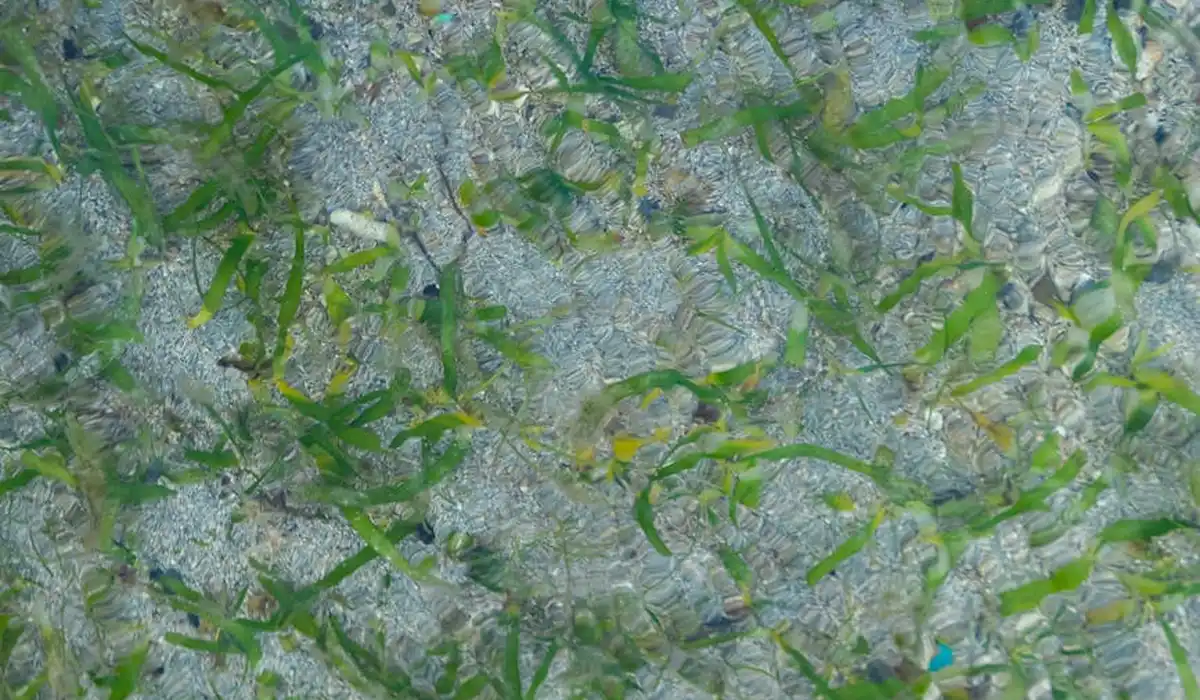
Seeing your crystal-clear water turn milky white or green can make any aquarist nervous, but this cloudiness is usually a bacterial bloom, not a disaster. These microbial explosions are a normal sign that your tank’s beneficial bacteria are multiplying and establishing themselves in the filter and substrate. In fish tanks, this bloom typically clears once the beneficial bacteria settle in. Until then, avoid over-feeding and drastic changes that could prolong the bloom. I’ve watched this happen in dozens of my own setups, and it almost always resolves on its own as the bacterial colony finds its balance. For more information, check out the article on bacterial bloom in fish tanks.
Blooms often occur when there’s a sudden spike in nutrients, like from overfeeding or decomposing plant matter, giving bacteria a feast. Resist the urge to do a massive water change or add chemicals, as this can disrupt the very cycle you’re trying to build. Instead, focus on consistent, small actions that support the process without shocking the system.
Quick Troubleshooting Steps for Cycling Hiccups
If your cycle stalls or problems persist, follow these steps to gently guide your aquarium back to health.
- Test water parameters every day using a reliable liquid test kit to track ammonia, nitrite, and nitrate levels accurately.
- Perform a partial water change of 10-25% only if ammonia or nitrite readings exceed 1 ppm to protect any livestock from toxin buildup.
- Check that your filter is running smoothly and rinse media in old tank water during water changes to avoid killing beneficial bacteria with chlorine.
- Introduce more beneficial bacteria from a trusted bottled culture or filter media from an established tank to give the cycle a boost.
- Hold off on adding new fish, plants, or decorations until ammonia and nitrite consistently read zero for at least a week.
Patience truly separates successful fish keepers from those who struggle. Rushing the cycle by adding fish too soon or over-cleaning can crash your tank’s biology and harm your aquatic pets. From my experience breeding sensitive species, I’ve found that a steady hand and routine maintenance-like lightly vacuuming the substrate and trimming dead leaves-create a stable environment where life thrives. Trust the process, and soon you’ll enjoy the shimmer of healthy fish in a balanced ecosystem.
FAQs
How long does it typically take to cycle a new aquarium?
The cycling process usually takes between 2 to 6 weeks, depending on factors like temperature and the ammonia source used. For anyone asking, “how long does it take to cycle a fish tank?” the answer is typically a 2–6 week window. It’s essential to rely on water test results rather than a set timeline to confirm completion. Patience is key to ensuring a stable environment for your fish.
What is the role of beneficial bacteria in an aquarium?
Beneficial bacteria break down toxic ammonia from fish waste into less harmful nitrites and then nitrates. They colonize surfaces like filter media and substrate, acting as a natural filtration system. Without them, ammonia levels can quickly become lethal to aquatic life. Understanding essential aquarium water parameters like pH, ammonia, and nitrates helps explain how this filtration works. Regular testing keeps you ahead of dangerous spikes.
Can I use water from an established tank to speed up cycling?
Using water from an established tank is not very effective, as most beneficial bacteria live on surfaces like filter media or decor. Instead, transferring used filter media or substrate can introduce a robust bacterial colony. This method can significantly reduce cycling time when done correctly.
How often should I perform water changes during the cycling process?
During cycling, limit water changes to small amounts (10-25%) only if ammonia or nitrite levels exceed 1 ppm to avoid stressing the developing bacteria. Frequent, large changes can disrupt the cycle by removing the ammonia source bacteria need to grow. Always use a water conditioner to neutralize chlorine in tap water before adding it to the tank.
Your Path to a Thriving Aquarium
Successfully cycling your tank boils down to patience and testing. Give the beneficial bacteria time to establish a robust colony and use a liquid test kit to track your water parameters accurately.
Your fish rely on you for their entire world, so committing to their care is a rewarding responsibility. The most successful aquarists are those who never stop learning and observing the fascinating ecosystem in their care. Understanding the lifespan of different species helps you plan care across their years. Regular health checks and thoughtful nutrition support a longer, healthier aquarium life for each fish.
Further Reading & Sources
- r/Aquariums on Reddit: Don’t torture your first fish! Here’s how to cycle your tank safely.
- Freshwater Fish Tank Cycling: How to Prepare for New Fish – Aquarium Co-Op
- Cycling an Aquarium: Fishless vs. Fish-in Cycle – Buce Plant
- Cycling an Aquarium with Fish in It
- Cycling an Aquarium
Lia is an expert in aquarium and pet fish care. Having worked in the marine industry and having cared for multiple pet fish, she has acquired first hand expertise on aquarium care, maintenance and setup. She always brings her practical expertise and science to help solve any aquarium related queries.
Filtration Systems