
Bacterial Bloom in Your Aquarium: Unraveling the Cloudy Water Mystery and Restoring Clarity
Hello fellow fish keepers, if you’ve ever peered into your tank and found the water looking like a hazy snow globe instead of the crystal-clear window you cherish, you’re facing a bacterial bloom. This sudden cloudiness can be alarming, but I’m here to walk you through exactly what’s happening and how to get your aquatic world back to pristine condition swiftly.
In this guide, we’ll dive into:
- The science behind what a bacterial bloom actually is and why it occurs in your tank’s ecosystem
- Common triggers and causes that turn your water milky overnight
- Step-by-step methods to safely clear the bloom without harming your fish
- Proven strategies to prevent future blooms and maintain long-term water clarity
With multiple years of experience running high-tech planted tanks and breeding fish like the feisty Captain Fin and social Goldie, I’ve navigated this cloudy challenge myself and can offer practical, tested advice.
What Is a Bacterial Bloom in Your Fish Tank?
- A bacterial bloom is when your aquarium water turns cloudy or milky because bacteria populations explode suddenly. It’s like a bacterial party that got too crowded, and you can see the mess in the water.
- Beneficial bacteria are the unsung heroes of your tank’s nitrogen cycle, breaking down fish waste into safer substances. Think of it as a bacterial buffet: when there’s too much food (like ammonia from waste), bacteria multiply rapidly and cause a bloom.
- This cloudiness happens because millions of bacteria are suspended in the water, blocking light and reducing clarity. New tanks often experience this during cycling, while established tanks can see it after disturbances like filter changes or overcleaning.
Common Causes of Bacterial Blooms in Aquariums
- Overfeeding is a major trigger, as uneaten food decomposes and fuels bacterial growth. I’ve found that feeding smaller amounts twice a day helps keep blooms at bay.
- New tank syndrome occurs in uncycled aquariums where beneficial bacteria haven’t established a stable colony. This is common in the first 2-6 weeks after setup.
- Missed maintenance, such as skipping weekly water changes, allows organic waste to accumulate. Regular upkeep prevents waste buildup that bacteria feast on.
- Sudden bioload increases, like adding multiple new fish at once, can overwhelm your tank’s bacteria. Always quarantine new arrivals and introduce them gradually.
- Tap water chemicals, such as chlorine or chloramines, can kill beneficial bacteria if not neutralized with a dechlorinator. I always treat tap water before adding it to my tanks.
- Temperature shifts of more than 2-3°F in a short time can stress bacteria and fish, leading to imbalances. Use a reliable heater to maintain stable conditions.
- Inadequate filtration means waste isn’t processed efficiently, allowing bacteria to multiply unchecked. Choose a filter rated for your tank size and clean it gently to preserve bacteria.
- Substrate disturbance during cleaning can release trapped debris and organic matter into the water. Vacuum gravel slowly to avoid stirring up too much gunk.
How to Identify a Bacterial Bloom vs. Other Issues

-
You might notice a bacterial bloom shortly after a water change or when setting up a new tank. The water develops a persistent, milky haze that makes your fish look like they are swimming in fog. This cloudiness appears within a day or two of disturbing the tank and does not have a green tint, which is a key clue. This is commonly called “new tank syndrome,” caused by a delay in establishing beneficial bacteria. To fix it, keep filtration steady, feed sparingly, and perform small, regular water changes until the tank stabilizes.
-
Unlike an algae bloom that turns water pea-soup green, a bacterial bloom is whitish or gray. I once confused the two until I tested the water; bacterial blooms often correlate with ammonia or nitrite spikes, while algae blooms thrive with high nitrates. Checking your water parameters instantly reveals whether you are dealing with a bacterial party or an algae invasion.
-
Grab a reliable water testing kit to measure ammonia, nitrite, and nitrate levels. In my experience, a reading above 0 ppm for ammonia or nitrite points strongly to a bacterial bloom. Regular testing lets you catch imbalances early and avoid guessing games when it comes to your fish tank’s health. Testing and monitoring your tank water quality is crucial for this.
Immediate Steps to Clear a Bacterial Bloom Safely
-
Start with a 20-30% water change using a gravel vacuum to remove debris from the substrate. I did this for Goldie’s tank, and it cut down excess waste that fuels the bloom. Partial changes reduce nutrient load without shocking your fish or beneficial bacteria. Regular water changes are one of the simplest ways to improve water quality and keep your aquarium healthy for your fish. Consistent maintenance helps prevent stress and supports a thriving tank.
-
Scale back feeding to once every other day or use smaller portions. Overfeeding dumps organic matter into the water, so I learned to feed Captain Fin just what he can eat in two minutes. Less food means fewer nutrients for bacteria to multiply wildly.
-
Boost oxygen by adding an air stone or adjusting your filter output to create more surface agitation. Shadow, my corydoras, perked up when I did this because bacteria consume oxygen. These steps are explained in the increase oxygen levels in your aquarium complete guide. Extra aeration supports your fish’s breathing and helps stabilize the tank.
-
Rinse filter media in old tank water to preserve beneficial bacteria while removing gunk. Never use tap water, as chlorine can kill the good microbes. A gentle clean keeps filtration efficient without crashing your cycle. If the fish are still in the tank, keep disturbances to a minimum during cleaning. A slow, partial approach helps protect them and your cycle.
Preventing Bacterial Blooms for Crystal Clear Water
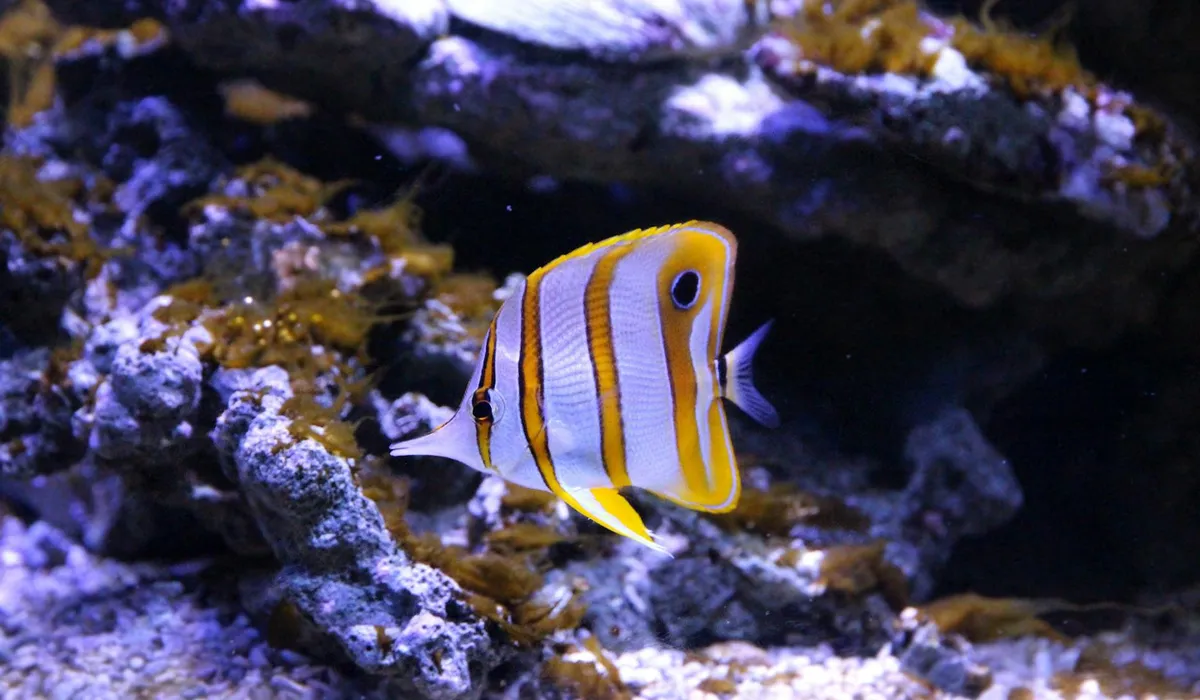
Stopping a bacterial bloom before it starts is all about consistent, proactive care. A stable routine is your single best defense against that milky haze taking over your tank. It’s far easier to maintain balance than to restore it after things have gone sideways.
Your Weekly Maintenance Schedule
Think of this as your tank’s non-negotiable wellness check. Skipping it is an open invitation for trouble.
- Weekly Water Changes: Siphon out 15-25% of the tank water every week. I do mine every Sunday like clockwork.
- Gravel Vacuuming: As you remove water, run the gravel vacuum through the substrate. This sucks out leftover food, fish waste, and other decaying gunk.
- Glass Cleaning: Use an algae scraper or a clean magnetic cleaner on the viewing panes.
Smart Feeding and Stocking Habits
Overfeeding is probably the number one cause of blooms I see in beginner tanks. Your fish have tiny stomachs!
- Feed only what your fish can completely consume in two minutes.
- For my betta, Captain Fin, that’s just 3-4 pellets, twice a day.
- Avoid overstocking your tank. More fish means more waste, which can overwhelm your filter’s bacteria.
An overstocked tank is a constant battle with water quality, while an appropriately stocked one is a peaceful, manageable ecosystem.
Routine Water Testing is Non-Negotiable
You can’t manage what you don’t measure. A liquid test kit is your crystal ball.
- Test for ammonia and nitrites weekly-they should always be at zero.
- Monitor nitrates, keeping them below 20 ppm with water changes.
- Check that your pH and temperature are stable and appropriate for your specific fish.
Sudden swings in temperature or pH can shock your tank’s ecosystem and trigger a bloom.
Filter Care: Don’t Kill the Good Guys
Your filter is the beating heart of your tank’s biological filtration. Treat it with care.
- Never replace all your filter media at once. This throws out your entire established bacterial colony.
- When cleaning, gently rinse filter sponges or media in a bucket of old tank water you’ve siphoned out. Tap water contains chlorine that will kill your beneficial bacteria.
- Ensure your filter is rated for the size of your aquarium. An undersized filter can’t keep up with the bioload.
A well-cycled, mature biofilter is your invisible workforce, tirelessly keeping the water safe and clear.
The Role of Water Quality and Bacteria in Your Aquarium
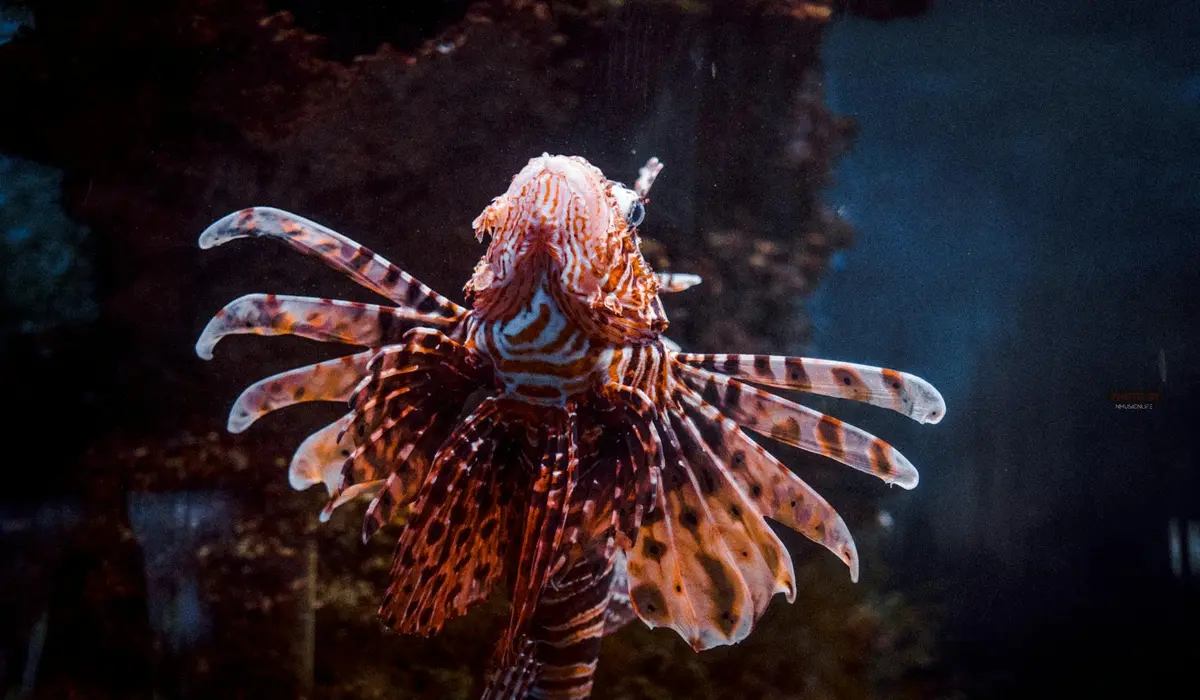
To truly understand a bacterial bloom, you need to grasp the basics of the nitrogen cycle. It’s the fundamental process that keeps your fish alive and your water pristine. In a new aquarium, you must cycle the tank to establish the beneficial bacteria. This is where nitrogen cycle explained comes in, guiding you through the ammonia, nitrite, and nitrate stages.
The Nitrogen Cycle Explained Simply
Imagine fish waste and leftover food as toxic trash. The nitrogen cycle is your tank’s recycling crew that takes out that trash. It is crucial because it converts toxic ammonia into nitrite. It then turns nitrite into nitrate, keeping water safe for your fish.
- Ammonia: Fish produce ammonia directly, and it’s highly toxic. This is the first and most dangerous form of waste.
- Nitrite: Beneficial bacteria (Nitrosomonas) grow in your filter and substrate. They consume ammonia and convert it into nitrite. Nitrite is also very toxic to fish.
- Nitrate: A second type of bacteria (Nitrobacter) then converts the nitrite into nitrate. Nitrate is far less toxic and is removed from your tank with weekly water changes.
This whole beautiful, invisible process is what we call a “cycled” tank, and it’s the foundation of all successful aquariums.
Bacterial Blooms Signal an Imbalance
A bloom is a massive population explosion of free-floating bacteria in the water column. They aren’t the same type that live in your filter.
- These blooms happen when there is a sudden, large source of organic matter for them to eat-like a fish dying and decomposing out of sight, or a major overfeeding incident.
- The bloom is a visible symptom of your tank’s ecosystem being out of whack and trying to correct itself.
The cloudiness itself is millions of tiny bacteria working to consume a waste problem, a clear sign your tank’s stability has been disrupted.
The Vital Link: Bioload, Filtration, and Clarity
Your tank’s health hinges on the balance between waste produced (bioload) and waste processed (filtration).
- Bioload: This is the total waste output from all living things-your fish, shrimp, and snails.
- Filtration: Your filter provides a home for the beneficial bacteria that process this waste.
When the bioload suddenly exceeds what the filtration can handle, free-floating bacteria multiply en masse to help, causing the bloom. Crystal clear water is simply the visual proof that your filtration is efficiently managing your tank’s bioload.
Common Questions
Is a bacterial bloom harmful to my fish?
A bacterial bloom itself is not directly toxic, but the conditions causing it can be dangerous. The exploding bacteria consume large amounts of oxygen, which can suffocate your fish. Furthermore, a bloom often coincides with harmful ammonia or nitrite spikes, which are poisonous to aquatic life.
What are the symptoms of a bacterial bloom in an aquarium?
The primary symptom is a sudden, milky white or grayish cloudiness in the water that makes fish and decorations appear hazy. This is distinct from green water caused by algae. The bloom typically develops quickly, often within a day or two after a tank disturbance like a large water change or substrate cleaning. This cloudy water can stress fish and raise the risk of disease or death if left untreated. Knowing the health risks explained helps you take timely steps to protect your aquarium.
Why did my aquarium get cloudy after a water change?
A cloudy aquarium after a water change is a classic sign of a bacterial bloom. It can happen if the change disturbed the substrate, releasing trapped organic waste into the water column. It can also occur if the new water was not properly dechlorinated, killing some beneficial bacteria in the filter and causing a temporary cycle imbalance.
Can adding chaeto or other macroalgae help with a bacterial bloom?
Yes, adding macroalgae like chaeto to a refugium can be a great long-term strategy for preventing blooms. It competes with the bloom-causing bacteria for the same nutrients (nitrates and phosphates) by consuming them for its own growth. This helps to starve the bacteria and improves overall water quality, leading to greater clarity.
Your Aquarium’s Fresh Start
Bacterial bloom is a natural sign your tank is finding its balance, often triggered by excess waste or a new setup. Clearing it relies on patience, partial water changes, and cutting back on feeding to starve the cloudy water bacteria.
Great fish keeping means committing to your pets’ health by monitoring their home daily. Stay curious, ask questions, and your growing knowledge will keep your aquatic friends happy and your water sparkling. Considering their lifespan helps you plan ongoing care. It emphasizes the care duration needed—feeding, water changes, and health checks—to keep them thriving for years.
Further Reading & Sources
- r/Aquariums on Reddit: Big bacterial bloom and horrible parametres, where do I go from here?
- Prevent and Fix Bacterial Bloom in Aquariums
- Bacterial Bloom – ScienceGal Aquatics
- Bacterial bloom in aquarium, what to do?
- Bacterial Bloom/New tank Syndrome | UK Aquatic Plant Society
Lia is an expert in aquarium and pet fish care. Having worked in the marine industry and having cared for multiple pet fish, she has acquired first hand expertise on aquarium care, maintenance and setup. She always brings her practical expertise and science to help solve any aquarium related queries.
Water Quality