
Aquarium Plants Dying and Water Turning Brown? Uncover the Causes and Solutions
Hello fellow fish keepers! Watching your aquarium plants fade and your water cloud with brown can feel confusing, but this common problem has straightforward fixes we can tackle together.
This guide breaks down the mystery into manageable parts, covering:
- The surprising source of brown water hiding in your decor
- Why plants fail without the right nutrient balance
- How algae and water chemistry are secretly connected
- Simple tests to diagnose your tank’s specific issues
- Clear, step-by-step actions to restore clarity and plant health
My years of experience running planted tanks and breeding fish have given me the hands-on knowledge to guide you through this.
Diagnosing the Dual Problem in Your Tank
Is It the Water, the Plants, or Both?
Seeing your plants wither while the water takes on a murky brown tint can feel like a double whammy. The first step is to figure out if these two issues are connected or separate battles you need to fight. Often, they share a common root: an imbalance in your tank’s ecosystem.
Grab a notepad and observe for a few minutes. Check if the brown color is in the water column or coating surfaces like glass and plant leaves. This simple observation immediately points you toward tannins, floating debris, or algae.
For the plants, gently examine them. Are the leaves melting, turning translucent, or developing holes? Here’s a quick checklist I use:
- Yellowing older leaves: Often a sign of nitrogen deficiency.
- New growth is pale or stunted: Could mean not enough iron or light.
- Leaves with brown spots or holes: Sometimes a potassium shortage.
- General melt and slime: Frequently linked to poor water quality or a sudden change in parameters.
Test your water. I keep my test kits handy for moments like this. Ammonia or nitrite spikes from decaying plant matter can both harm your fish and fuel cloudy water problems. A pH below 6.5 might hint at tannins, while a pH above 7.6 with silicates can invite diatoms. Regular checks of the essential parameters—ammonia, nitrite, nitrate, pH, hardness, and temperature—keep you ahead of problems. A quick monitor routine helps you catch shifts before they stress your fish.
Unraveling the Mystery of Brown Water
Tannins: The Natural Tea Stain
That warm, tea-like color is usually tannins leaching from driftwood, leaves, or certain substrates. Tannins are organic acids that lower pH and create soft, acidic water many fish adore. They aren’t inherently bad-my betta, Captain Fin, always seems more vibrant in tinted water-but the intensity can be surprising.
If you’ve added new wood or botanicals, a brown hue is expected. To manage it, you can pre-soak driftwood for weeks before adding it to your tank. For water changes, use activated carbon in your filter; it acts like a magnet for these compounds. Remember, tannins will fade over time with consistent partial water changes.
Bacterial Blooms and Suspended Debris
Sometimes the brown isn’t a stain, but a suspended cloud. A bacterial bloom often looks milky-brown and happens after overfeeding, a fish loss, or when organic waste spikes. This bloom is a sign of bacteria rapidly multiplying to consume excess nutrients. It can reduce oxygen levels, so watch for fish gasping at the surface. Decoding what your fish poop says about their health can help you spot problems early. Paying attention to color, texture, and frequency can tell you a lot about your fish’s well-being.
Fine debris from new substrate or a filter that’s not catching fine particles can also cause a hazy look. I solved a persistent haze in my goldfish tank by adding a fine filter pad polish and vacuuming the gravel more thoroughly. Bacterial blooms in fish tanks can cause cloudiness, but they often clear up as beneficial bacteria establish themselves. For a bacterial bloom, avoid cleaning the filter media, do a 25% water change, and cut back on feeding for a couple of days.
The Brown Algae (Diatom) Invasion
Diatoms create a dusty brown film that coats everything—plants, decor, and glass. This algae loves silica and often appears in new tanks or those with high silicate levels in the water source. In a new tank, diatoms usually clear up as beneficial bacteria establish. Regular siphoning of the film and small water changes can help speed the cleanup. It’s a common phase, but it can smother plant leaves, blocking light and contributing to their decline.
To tackle diatoms, first, physically wipe the glass and gently rub affected plant leaves during a water change. Increasing your lighting duration slightly can help, as diatoms often thrive in low-light conditions. Introduce a clean-up crew like nerite snails or otocinclus catfish; they’re excellent grazers. Many hobbyists regard fish and shrimp algae cleaners as among the best algae cleaners, with Amano shrimp and other small algae-eaters making a noticeable difference. For long-term control, use reverse osmosis water or a silicate-absorbing resin in your filter if your tap water is the source.
Solving the Case of the Dying Plants
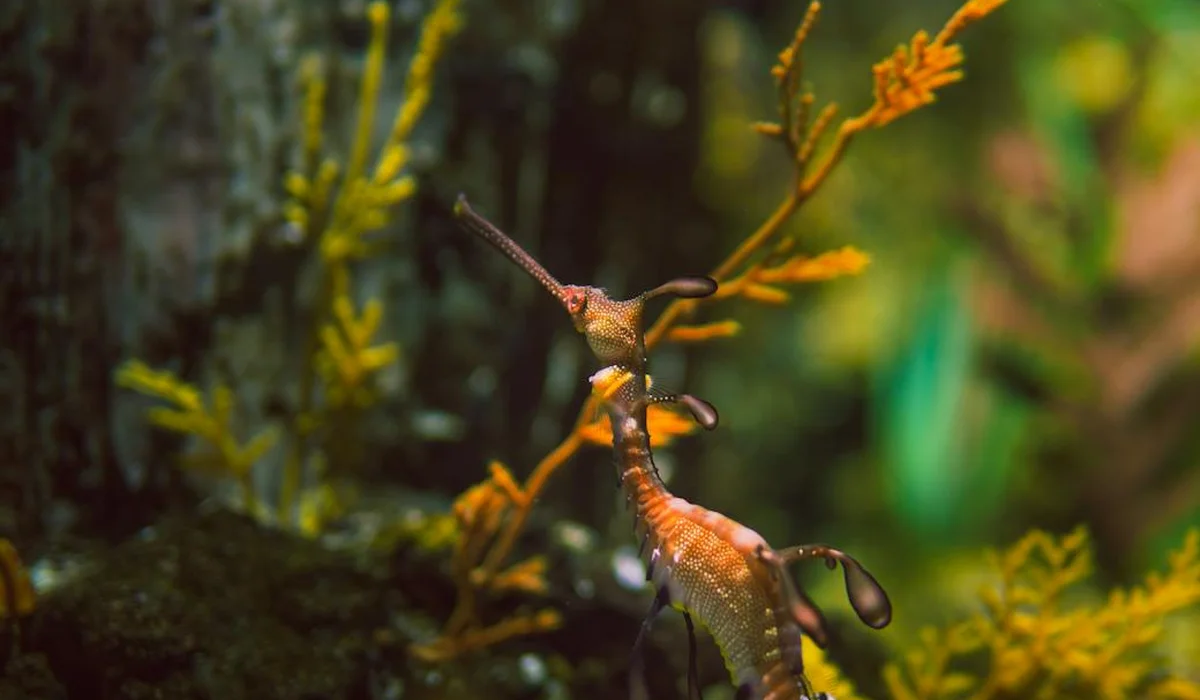
When your aquatic garden starts failing, it feels personal. I’ve been there, staring at melting leaves where lush green once grew. The key is to become a plant detective, examining each piece of the puzzle.
The Lighting Lowdown: Too Much or Not Enough?
Light is your plants’ food source, and getting it wrong is a top culprit. Think of it like sunburn versus living in a closet. Leggy stems, large gaps between leaves, and a general lack of growth are classic cries for more photons. Conversely, if your plants are short, stunted, or covered in green fuzz (algae), your light might be too intense or on for too long.
Most beginner-friendly plants thrive on 6-8 hours of consistent light. Use a timer! It’s the cheapest and most effective tool for plant health, removing human forgetfulness from the equation.
Nutrient Deficiencies: Spotting the Signs
Your plants are telling you what they need; you just have to learn their language. Yellowing or translucent leaves are their version of a hunger strike.
Macro Shortages: Nitrogen, Phosphorus, Potassium
- Nitrogen (N): Older leaves turn uniformly yellow and may melt. This is common in tanks with light fish loads where there isn’t enough waste being converted to nitrate.
- Phosphorus (P): You’ll see dark green or even purplish hues on older leaves, with very slow growth. It’s less common but pops up in heavily planted, low-fish setups.
- Potassium (K): Look for tiny pinholes in older leaves, often with yellow edges. This is a very frequent deficiency I see in tap water-only tanks.
A balanced liquid fertilizer or root tabs can solve these macro hunger pangs almost overnight.
Micro Shortages: The Iron & Trace Element Puzzle
These are the vitamins of the plant world. Iron deficiency is the most dramatic signaller. New growth comes in pale, yellow, or even white, while the veins stay starkly green-a pattern called chlorosis. If your red plants look washed out or green, suspect an iron shortage. A comprehensive liquid fertilizer that includes chelated iron and other trace elements like manganese and zinc will restore vibrancy.
CO2 and Water Chemistry: The Invisible Foundation
Carbon is the building block of life. Even in a low-tech tank, CO2 is present from fish respiration and bacterial activity, but it’s often the limiting factor for growth. If your plants are barely growing despite good light and nutrients, low dissolved CO2 is likely handcuffing their potential. Signs include severe stunting and leaves covered in a white or grayish limescale deposit (bicarbonate precipitation). Stability in your pH and KH (carbonate hardness) is more vital than a perfect number, as wild swings stress both plants and fish. Do you need CO2 in a planted aquarium? It depends on plant density and goals; high-demand plants under bright light often benefit from CO2 supplementation, while simpler setups may do fine without added CO2.
Substrate Issues and Root Root
For rooted plants like swords or crypts, the substrate is their kitchen. Plain gravel offers zero sustenance. If your rooted plants are struggling while stem plants are okay, they are literally starving in an empty pantry. Root rot turns roots from firm and white to mushy and brown. This often happens in deep, compacted substrates that lack oxygen. You might even get a faint sulfur (rotten egg) smell when you disturb it. My Corydoras, Shadow, helps aerate my sand bed, which is a fantastic DIY hack for preventing anaerobic dead zones.
Your Action Plan: The Recovery Protocol
Don’t panic and change everything at once. That’s a recipe for more meltdown. Follow this methodical sequence to bring your tank back from the brink.
Step 1: Test and Interpret Your Water
Grab your master test kit. You’re looking for extremes. Is your pH below 6 or above 8? Is your GH (general hardness) practically zero? Write down every parameter-this snapshot is your diagnostic baseline and will prevent you from chasing ghosts. Zero nitrate and phosphate often point directly to a macro nutrient deficiency.
Step 2: The Strategic Water Change
This is your reset button for water quality. If your water is brown from tannins but otherwise healthy, you can simply enjoy the blackwater aesthetic. If it’s brown from decay, a 50% change is in order. Use a gravel vacuum to gently remove debris from the substrate surface without deeply disturbing plant roots, which are already stressed. Match the temperature and dechlorinate the new water perfectly.
Step 3: Clean Up and Remove
- With clean aquascaping tweezers or scissors, trim away any clearly dead or melting leaves. Be ruthless here.
- Remove these dead portions from the tank entirely-don’t let them decay further.
- Gently clean filter sponges in old tank water to restore flow without killing beneficial bacteria.
This step removes the sources of further ammonia and organic waste, giving your plants clean water to recover in.
Step 4: Adjust One Variable at a Time
Now, based on your detective work, choose ONE factor to correct. Wait a full week to observe the response.
- If light was low: Increase photoperiod by one hour.
- If nutrients were missing: Start a regular, half-dose fertilizer schedule.
- If substrate was barren: Push root tabs near the roots of your heaviest feeders.
Patience is non-negotiable. Plants recover on their own schedule, not ours. You’ll see new, healthy growth before the old damaged leaves repair themselves.
Preventative Maintenance for Lasting Health
The Golden Rule of Consistent Water Changes
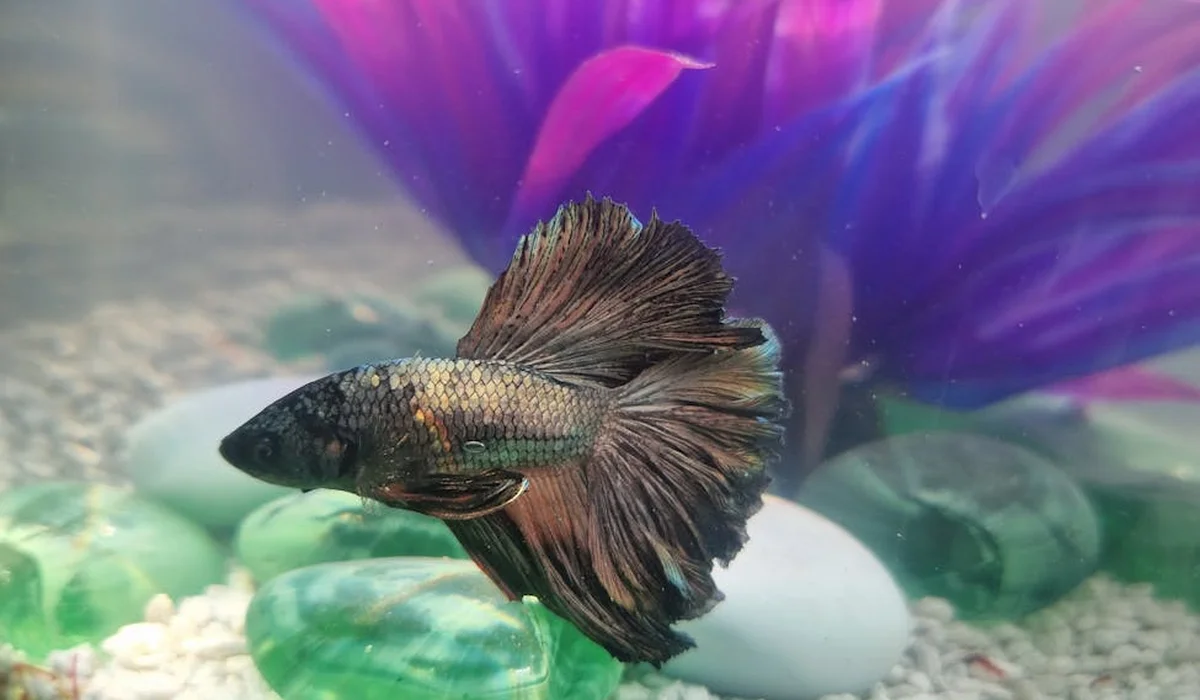
Think of water changes like taking out the trash before it starts to smell. Replacing 20-30% of your tank water every week physically removes the dissolved organics and excess nutrients that fuel both brown water and plant melt. I stick to a schedule every Sunday, and my betta Captain Fin always flares with excitement when he sees the siphon, knowing fresh water is coming.
Use a gravel vacuum to gently clean the substrate surface without digging deep. This prevents you from disturbing the root zone of your plants or the beneficial bacteria living in the gravel bed, which Shadow my corydoras relies on. If your tap water has chlorine, always treat it with a conditioner before adding it to the tank, matching the temperature within a degree or two.
- Frequency: Aim for weekly changes, not monthly marathons.
- Volume: 25% is a sweet spot for most stocked tanks.
- Technique: Vacuum in sections over multiple weeks to keep substrate stable.
Fertilizing with a Routine
Plants can’t tell you when they’re hungry, but their pale leaves and stunted growth shout it. I treat fertilizer like a multivitamin, providing a balanced diet of macronutrients (Nitrogen, Phosphorus, Potassium) and micronutrients (Iron, Manganese) on a set schedule. An erratic feast-or-famine approach leads to algae seizing the excess and plants struggling.
For my low-tech planted tank, I use a comprehensive liquid fertilizer every other day after the lights come on. Consistency here is more valuable than the brand; pick a product and stick with it for at least two months to truly see the results. If you have inert substrate like plain gravel, root tabs are a game-changer for heavy feeders like sword plants. In a guide to fertilizing aquarium plants, you’ll compare liquid fertilizers vs root tabs and learn how to use them effectively. Many hobbyists combine both—liquids to nourish the water column and root tabs to feed rooted plants directly.
- Test your water to see if nitrates are low (below 10 ppm) before adding nitrogen.
- Dose fertilizers in the morning when plants begin photosynthesis.
- Start with half the recommended dose and observe plant response for two weeks.
Filter and Substrate Care Without the Crash
Your filter is the tank’s kidney, and cleaning it wrong can send your entire system into shock. Never rinse filter media under tap water; instead, swish it gently in a bucket of old tank water you removed during a water change. This preserves the vital bacteria that process fish waste, keeping Goldie’s water crystal clear.
For substrate, deep cleaning can do more harm than good. I only vacuum the top layer of my sand in the front areas, leaving the planted rear sections completely untouched to protect root systems and anaerobic pockets. A sudden deep clean can release a burst of trapped debris and ammonia, clouding your water and stressing plants.
- Filter Media: Replace sponges or cartridges in stages, not all at once.
- Substrate: For soil substrates, avoid vacuuming directly into them to prevent compaction.
- Schedule: Clean the filter every 3-4 weeks, aligning it with a water change day.
When to Consider Your Tank’s Setup
Reassessing Your Substrate and Hardscape
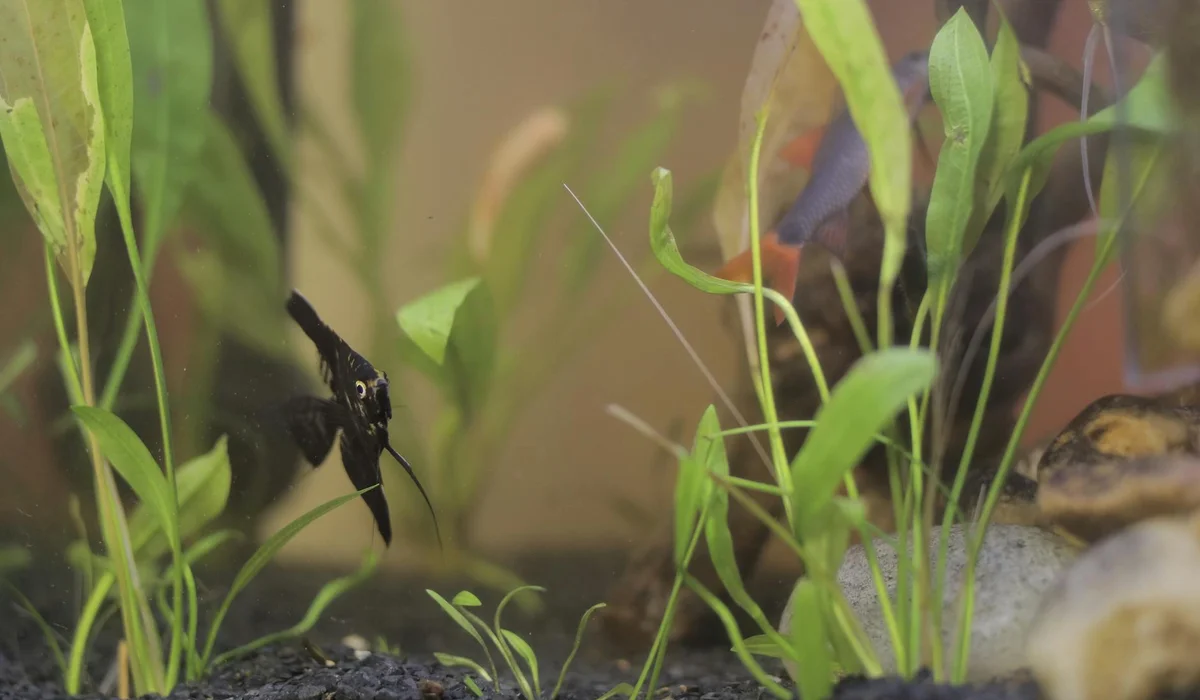
The ground your plants are rooted in might be the problem. Inert gravel offers zero nutrition, so if you’re not supplementing with root tabs, your plants are literally starving in plain sight. I made this mistake early on and watched my anubias languish until I switched to a nutrient-rich planted tank substrate.
Brown water often points directly at your hardscape. New driftwood leaches tannins, which are harmless but tint the water tea-brown, and can temporarily lower pH, affecting some plant species. You can pre-soak wood for weeks before adding it, or use chemical filtration like activated carbon to clear the tint.
- Substrate Depth: Aim for at least 2 inches for most rooted plants.
- Hardscape Check: If using stones, test with vinegar to ensure they don’t leach calcium and skyrocket water hardness.
- Personal Tip: My corydoras Shadow prefers fine sand over sharp gravel for his barbels.
Balancing Light and Plant Mass
Too much light with too few plants is an open invitation for algae to outcompete your greenery. I run my LED lights on a timer for only 6-7 hours a day in my moderately planted tank, which provides enough energy without encouraging nuisance growth. If your plants are sparse, reduce the photoperiod or intensity until you have more leafy coverage.
Consider the type of plants you have. Low-light species like java fern will bleach and die under intense beams, while high-light carpeting plants will stretch and thin out if illumination is too weak. Match your lighting to your plant portfolio, and don’t be afraid to prune and replay trimmings to increase density.
- Measure your light intensity with a PAR meter if possible, or start with 8 hours and adjust based on growth.
- Use a timer to ensure a consistent daily photoperiod, eliminating human forgetfulness.
- If algae persists, reduce light duration by 30 minutes weekly until balance is restored.
FAQs
Why are my aquarium plants dying from the bottom up?
This pattern typically signals a deficiency in mobile nutrients like nitrogen or potassium, where the plant sacrifices older leaves to support new growth. Ensure you are using a comprehensive fertilizer that includes macronutrients, and for rooted plants, consider inserting root tabs into the substrate. Consistent dosing and regular water testing can help correct these imbalances.
Why are my aquarium plants dying even when I add nutrients?
Nutrient lockout can occur if water parameters like pH are extreme, preventing plants from absorbing available fertilizers. Additionally, an imbalance in nutrient ratios or insufficient light and CO2 can render added nutrients ineffective. Review your full setup-adjust lighting duration, check CO2 levels, and ensure a balanced fertilizer is used consistently.
Why do aquarium plants often die in a new tank?
New tanks lack stable biological filtration, leading to ammonia and nitrite spikes that can burn plant tissues and roots. Plants may also melt as they adjust to different water conditions from their original source. To mitigate this, cycle your tank fully before planting, perform frequent small water changes, and choose hardy species initially.
Why do my aquarium plants die after a water change?
Sudden shifts in temperature, pH, or hardness during water changes can shock plants, causing leaf melt or root damage. Always match the new water’s temperature and treat it with a dechlorinator to remove harmful chemicals. Gradual changes and avoiding deep substrate disturbance can help plants acclimate without stress.
Your Clear, Green Dream Tank Is Within Reach
The path to vibrant plants and crystal-clear water almost always leads back to mastering your water’s chemistry and light. Test your water to rule out nutrient deficiencies or harmful ammonia, and adjust your lighting duration to match your specific plants’ needs-too much or too little can cause a meltdown.
A thriving tank is a testament to your dedication as a fish keeper, where the health of your plants directly supports the well-being of your finned friends. Are live plants worth the effort? Their key benefits of live plants include natural filtration and steady oxygenation, helping create a healthier, more balanced aquarium. Embrace the learning process; each challenge in this hobby deepens your connection to your underwater ecosystem and makes every success that much more rewarding.
Further Reading & Sources
- r/Aquariums on Reddit: Why do my Plants keep dying?
- Nutrient Deficiencies: Why Your Aquarium Plants Are Dying – Aquarium Co-Op
- Top 10 Reasons Why Aquarium Plants Are Dying or Melting
- Aquarium plants dying? Here’s why. – Aqua Essentials
- Plants dying in a “newly setup” aquarium | The Planted Tank Forum
Lia is an expert in aquarium and pet fish care. Having worked in the marine industry and having cared for multiple pet fish, she has acquired first hand expertise on aquarium care, maintenance and setup. She always brings her practical expertise and science to help solve any aquarium related queries.
Aquatic Plants