
Aquarium Substrate Guide: How to Choose the Right Gravel or Sand
Hello fellow aquarists. I know that standing in the aquarium aisle, staring at bags of gravel and sand, can feel completely overwhelming. Your choice here does more than just decorate the tank; it becomes the foundation for your entire aquatic ecosystem.
This guide will walk you through the key aspects of selecting your substrate, covering: the critical differences between gravel and sand for your fish, the ideal substrate depth for plants and health, how your substrate color impacts fish behavior, and the straightforward maintenance routines for each type.
I’ve built dozens of thriving tanks over the years, from delicate shrimp colonies to bustling cichlid communities, and I’m here to help you get it right the first time.
What Is Aquarium Substrate and Why Does It Matter?
Aquarium substrate is the material lining the bottom of your tank, whether it’s gravel, sand, or specialized soil. Think of it as the foundation of your underwater home, providing stability and support for everything from decor to the tiny ecosystem thriving within. It’s not just about looks—this layer plays a huge role in keeping your fish healthy and your tank balanced. When you’re weighing sand vs gravel, you’ll compare particle size and how waste settles. This quick comparison helps you choose the best fit for your setup.
- Substrate acts as a home for beneficial bacteria that break down waste, helping to cycle your tank and keep ammonia levels in check. In my own tanks, I’ve seen how a good substrate bed speeds up the nitrogen cycle, making the water safer for sensitive fish like Goldie.
- It can influence water chemistry; for example, some substrates buffer pH, which is vital for species that need specific conditions. Crushed coral gravel can gently raise pH, ideal for African cichlids, while inert sand keeps things neutral for bettas like Captain Fin.
- Aesthetically, the right substrate enhances the visual appeal, making fish colors shimmer and plants stand out. I always opt for dark substrates to make the iridescent blues of my bettas pop, and it really transforms the tank’s vibe.
Using a simple analogy, substrate is like the flooring in your house-it needs to be durable, functional, and set the tone for the entire space. Choosing the wrong type can lead to issues like poor plant growth or murky water, so it’s worth getting it right from the start.
Gravel vs. Sand: Understanding the Basics
When picking between gravel and sand, focus on grain size, cleaning methods, and cost to match your tank’s needs. Gravel typically has grains around 2-5 mm, while sand is much finer, usually under 1 mm, which affects how waste behaves in your tank. From my experience, this choice can make or ease your maintenance routine.
- Grain size matters for cleaning: gravel’s larger gaps let debris settle between pieces, but it’s easier to vacuum without stirring up a cloud. Sand, though, can compact over time, trapping waste and requiring gentle stirring to prevent anaerobic pockets.
- Cleaning ease varies; gravel allows for quick siphon sessions, while sand needs a hover-like approach to avoid sucking it up. I find gravel simpler for beginners, but sand is a dream for bottom-dwellers like Shadow, who love to sift through it.
- Cost-wise, basic gravel is often budget-friendly and reusable, whereas sand might be similarly priced but can need more frequent replacement in planted setups. Always check if the substrate is inert or alters water chemistry, as that can affect long-term expenses.
Substrate choice directly impacts detritus buildup and drainage. Gravel tends to let water flow freely, reducing the risk of stagnant zones, but debris can hide out of sight. Sand, on the other hand, may lead to more surface waste accumulation, which you’ll need to address with regular water changes. To maintain a clean substrate long term, pair substrate choice with a routine of regular siphoning and debris removal during water changes. Consistent maintenance helps prevent detritus buildup regardless of substrate type.
| Type | Pros | Cons |
|---|---|---|
| Gravel | Easy to clean, durable, supports plant roots well | Can trap debris, may not suit fine-rooted plants |
| Sand | Natural for burrowing fish, reduces detritus on surface | Can compact, harder to vacuum, might release gases |
For tanks with active fish like goldfish, I lean toward gravel for its ease, but sand is unbeatable for creating a natural habitat that encourages foraging behavior. Consider your fish’s habits and your maintenance style to pick the best fit.
Types of Aquarium Substrates and Their Uses
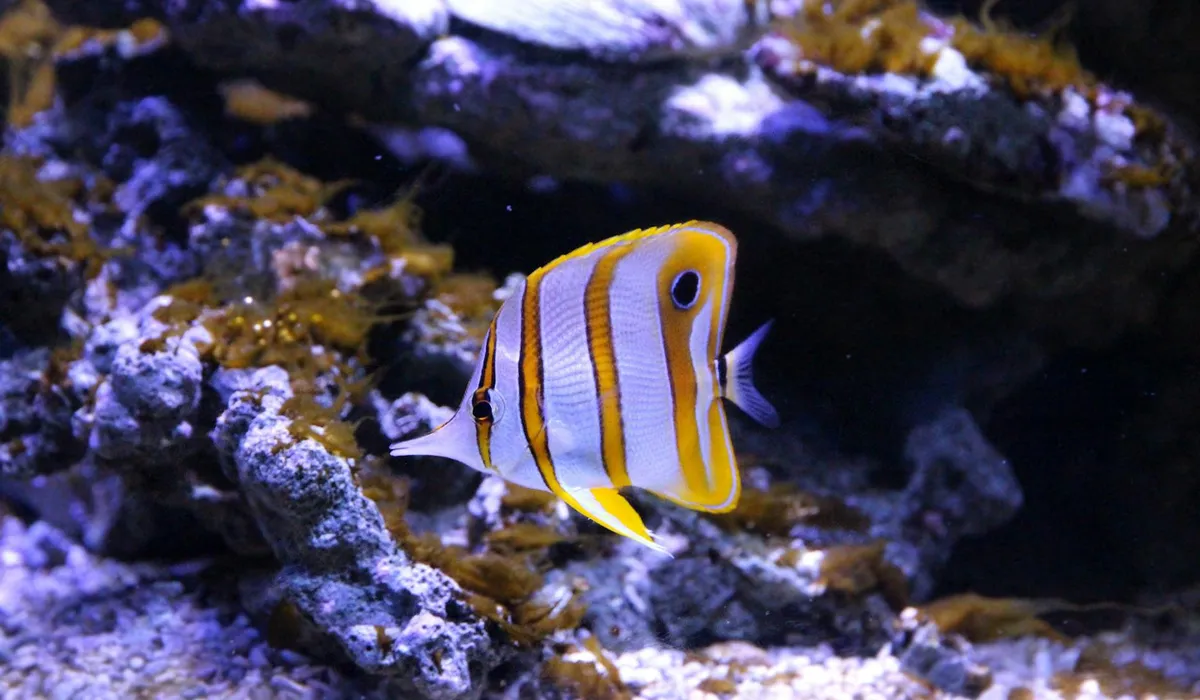
Your substrate choice does more than just look pretty; it directly shapes your tank’s water chemistry. Think of your substrate as the foundation of your entire aquatic ecosystem, silently working beneath the surface. For beginners, understanding these effects is key to managing water parameters. This complete guide will show you how to test and stabilize essential metrics like pH, ammonia, nitrite, and nitrates.
Common Substrate Types
- Inert Gravel: This is your classic, go-to aquarium gravel. Made from materials like quartz or baked clay, it doesn’t release anything into the water.
- Buffering Sand: Often made from crushed coral or aragonite, this substrate slowly dissolves, releasing minerals that increase water hardness and stabilize pH.
- Clay Substrate: Packed with natural minerals, these substrates (like laterite) are famous for their high Cation Exchange Capacity (CEC), which helps trap and hold nutrients for plant roots.
Mineral Content and pH Effects
Each substrate type interacts with your water in a unique way. Choosing the wrong one can lead to a constant battle with pH swings, while the right one creates a stable, healthy environment.
| Substrate Type | Mineral Content | pH & Hardness Effect |
|---|---|---|
| Inert Gravel | Very low to none | Neutral; does not alter your tap water’s parameters. |
| Buffering Sand (Aragonite) | High in calcium carbonate | Increases both General Hardness (GH) and Carbonate Hardness (KH), buffering pH to a stable 7.8-8.2 range. |
| Clay Substrate | Rich in iron and trace elements | Typically lowers pH slightly and softens water, ideal for soft-water species like Tetras and Discus. |
For African Cichlids or marine fish, aragonite sand is a fantastic choice that mimics their natural, mineral-rich habitat. If you have soft, acidic tap water and want to keep hard-water fish, a buffering substrate can save you from constantly adding chemicals. On the other hand, inert quartz sand is perfect for a neutral setup where you want full control over your water chemistry.
Choosing Substrate for Planted Tanks
A planted tank is a different beast, and your substrate is its dinner plate. Lush, vibrant plant growth starts with a substrate that feeds the roots, not just anchors them. I learned this the hard way after watching my first carpeting plants struggle in plain gravel.
Nutrient-Rich Substrates
Specialized plant substrates are packed with essential nutrients like iron, potassium, and nitrogen. Brands like ADA Aqua Soil or Fluval Stratum are porous, allowing for excellent root penetration and gas exchange. These active substrates often lower pH and soften water, creating an ideal environment for most aquarium plants and soft-water fish. They are an investment, but the results speak for themselves.
Substrate Depth and Grain Size
Not all plants have the same needs. A one-size-fits-all depth won’t work for a diverse aquascape.
- Foreground/Carpeting Plants: (e.g., Dwarf Hairgrass, Monte Carlo) need a finer grain size (1-2mm) and a depth of at least 1.5 to 2 inches to spread their runners effectively.
- Mid-ground Stem Plants: (e.g., Rotala, Ludwigia) are happy with a medium grain (2-3mm) and a depth of 2-3 inches for strong root establishment.
- Root-Feeding Heavyweights: (e.g., Amazon Swords, Cryptocorynes) demand the deepest bed-3 to 4 inches-of nutrient-rich substrate to support their massive root systems.
Steps for Layering Substrates
Layering, or the “substrate sandwich,” is a pro technique to prevent compaction and provide long-term nutrition without breaking the bank.
- Start with a Base Layer: First, add a 1-inch layer of an inexpensive, porous material like lava rock gravel or laterite. This creates a reservoir for water flow and deters anaerobic dead zones.
- Add Your Nutrients: Next, sprinkle a layer of root tabs or a powdered clay-based fertilizer. This is the secret sauce that will feed your plants for months.
- Cap It Off: Finally, add a 2-3 inch cap of your main, finer-grain aqua soil or sand. This top cap keeps the nutrients from leaching into the water column and clouding your tank, directing all that goodness straight to the roots.
Gently slope the substrate from the back to the front of the tank. This simple trick adds depth to your aquascape and ensures your background plants have the deep bed they crave.
Matching Substrate to Your Fish and Invertebrates

Choosing the right floor for your aquarium isn’t just about looks. It’s about creating a comfortable home for your specific aquatic pets. The wrong choice can stress your fish and even cause physical harm.
Best Substrates for Shrimp and Bottom-Dwellers
For delicate creatures like shrimp and catfish, substrate texture is a matter of health. Fine sand or speciality soils are your best bet.
- For Shrimp: Inert, fine-grained sand or planted aquarium soils are ideal. These soils often release tannins and slightly lower pH, which many shrimp varieties thrive in. They also provide a stable base for the biofilm shrimp love to graze on.
- For Corydoras Catfish (like Shadow): Always use soft, fine sand. Their natural behavior is to sift through the substrate with their sensitive barbels (whiskers). Sharp gravel can cut these barbels, leading to painful infections.
- For Loaches and Other Burrowers: Fine sand is non-negotiable. It allows them to dig and hide without scraping their scaleless bodies.
Substrate Considerations for Popular Fish
While many mid-water swimmers are less concerned with the floor, some have specific preferences.
- For Bettas (like Captain Fin): A smooth, darker substrate can reduce stress and make their vibrant colors pop. I’ve found my bettas are far more active and display better against a dark background.
- For Goldfish (like Goldie): Use a larger, coarse gravel they cannot accidentally swallow. Their constant foraging makes them prone to ingesting small stones, which can lead to fatal impaction.
- For Cichlids: Many African cichlid species prefer a sandy substrate that allows them to dig and create territories, while some South American cichlids do well with a mix of sand and smooth river stones.
How Color and Texture Influence Behavior
The look and feel of your substrate have a direct psychological impact on your fish.
- Color: Lighter substrates can make fish feel exposed and vulnerable, sometimes causing them to pale their colors as camouflage. Darker substrates, like black sand or gravel, help fish feel secure and often result in more vibrant coloration.
- Texture: A smooth, natural-looking substrate encourages natural foraging and digging behaviors. A jagged, brightly colored gravel can look artificial and may deter bottom-dwelling species from exploring.
How to Install and Maintain Your Substrate
Getting your substrate into the tank correctly sets the stage for a healthy, clear aquarium. Rushing this process is the number one cause of a perpetually cloudy tank. This is often what people call new tank syndrome—the tank is still cycling. With patience and proper care, the cloudiness will clear as beneficial bacteria establish.
-
Step 1: Rinse Substrate Thoroughly to Avoid Cloudiness
Place your new substrate in a large bucket. Run a garden hose into the bucket and stir the substrate vigorously with your hand until the water running out of the bucket is completely clear. This single step prevents days or even weeks of dusty, murky water in your new setup. For sand, I sometimes rinse it in smaller batches to make the process easier.
-
Step 2: Add Substrate to Tank with Proper Depth Guidelines
After rinsing, you can add the substrate to your dry, empty tank. Aim for a depth that suits your goals. For a planted tank, a depth of 2-3 inches in the foreground sloping to 4-5 inches in the background is perfect for root growth. For a fish-only tank, 1-2 inches is sufficient. Sloping the substrate from front to back adds a wonderful sense of depth and perspective to your aquascape.
-
Step 3: Cycle the Tank to Establish Beneficial Bacteria
Your substrate is a massive surface area for beneficial bacteria to colonize. Once the tank is filled with dechlorinated water and your filter is running, you must cycle the aquarium. This process establishes the bacteria that will consume toxic ammonia and nitrite. A cycled tank, with its established bacterial colony in the substrate and filter, is the foundation of all successful fish keeping.
-
Step 4: Perform Regular Cleaning to Prevent Waste Buildup
Use a gravel vacuum during your weekly water changes. For gravel, push the siphon tube down into the substrate to lift and flush out debris. For sand, hover the siphon just above the surface to suck up waste without removing the sand itself. Regular substrate cleaning is your best defense against nitrate buildup and the algae blooms that follow.
Beginner’s Guide to Aquarium Substrate
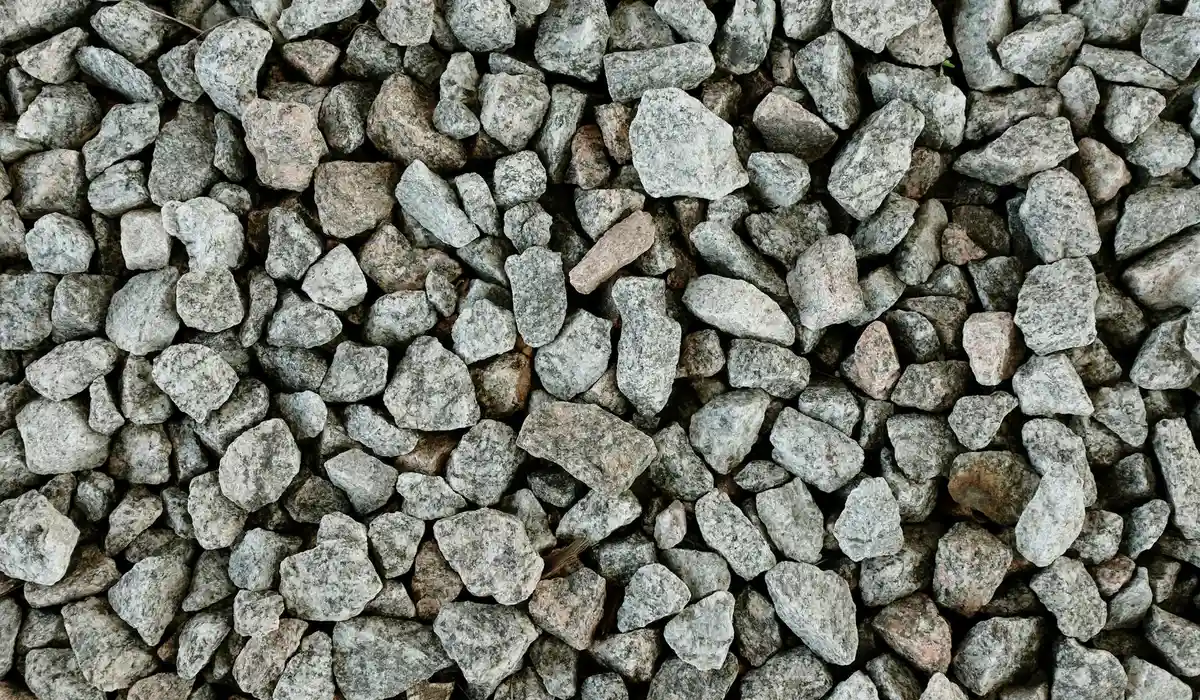
Starting your first tank is exciting, and choosing the right foundation doesn’t need to be complicated. I always recommend new aquarists stick with simple, inert substrates that won’t alter their water chemistry. This gives you one less variable to worry about while you’re learning the ropes of the nitrogen cycle.
Simple & Eco-Friendly Substrate Choices
You want a substrate that’s safe for your fish, easy to maintain, and kind to the planet. Here are my top picks for beginners:
- Pool Filter Sand: This is my personal favorite for many setups. It’s incredibly affordable, super fine for delicate barbels, and its neutral color makes fish colors pop. Just ensure it’s silica-based and free of additives.
- Natural Aquarium Gravel: Opt for smooth, pre-washed gravel in a small to medium size (2-5mm). It allows for good water flow and is nearly impossible to mess up. Look for brands that use natural, tumbled stone.
- Blended Clay Gravel: Some substrates are made from baked clay, which is a sustainable material. They are porous, providing a massive surface area for beneficial bacteria to colonize right from the start.
Common Substrate Mistakes & How to Avoid Them
We’ve all made a few missteps. Learning from them is what makes you a better fish keeper. Here are the big ones to sidestep.
- Not Rinsing Thoroughly: Cloudy tank syndrome is almost always due to dusty substrate. Rinse your new sand or gravel in a bucket with a hose until the water runs completely clear-it’s a tedious but non-negotiable step.
- Choosing the Wrong Grain Size: Fine sand can compact and create toxic gas pockets if not stirred. Large, sharp gravel can trap waste and harm bottom-dwellers like my Corydoras, Shadow. Aim for a grain size that suits your fish’s lifestyle.
- Forgetting About Depth: A super thin layer of substrate looks sparse and offers no benefit. A mountain-deep layer can also decay and cause problems. For most tanks, a depth of 1.5 to 2 inches is the sweet spot for stability and health.
- Using Dyed or Painted Substrates: Those bright blue and pink gravels might look fun, but the coatings can leach into your water over time. Stick to natural materials for the safety of your aquatic friends.
Balancing Aesthetics with Practicality
You want a beautiful tank, but it also needs to function as a healthy ecosystem. The good news is you don’t have to choose between the two. In this guide, we’ll help you choose between a species-only vs community tank guide to match your setup style. Understanding the pros and cons of each will make your decision easier.
- Color Contrast is Key: A dark substrate, like black sand or slate grey gravel, will make the colors of your fish and plants stand out dramatically. It also helps hide any bits of debris between cleanings.
- Create a Focal Point: Instead of one flat color, use a different substrate to create a path or a designated feeding area. For example, a white sand “beach” in the foreground against a darker gravel background can look stunning.
- Function First, Then Form: Always pick a substrate that works for your specific fish. Then, within that category, choose the color and texture you love. A happy, healthy fish swimming over a practical substrate is always more beautiful than a stressed one in a purely decorative tank.
FAQs
What is an aquarium substrate guide?
An aquarium substrate guide is a detailed resource designed to help you choose the best bottom material for your tank, such as gravel or sand. It explains how substrate impacts fish health, plant growth, and water chemistry, guiding you through factors like grain size, depth, and maintenance. This ensures you build a stable foundation for a thriving aquatic ecosystem. For successfully growing aquarium plants, choosing the right gravel substrate matters. A well-selected gravel substrate supports root development and helps nutrients reach the roots, promoting lush, healthy growth.
What is the aquarium substrate guide on Reddit?
On Reddit, an aquarium substrate guide refers to community-driven advice shared in forums like r/Aquariums, where hobbyists discuss their experiences with different substrates. These threads often include recommendations, troubleshooting tips, and product reviews based on real tank setups. They serve as a valuable supplement to formal guides by offering peer-based insights. Beginners can also find step-by-step build guides that show how to assemble a home aquarium tank. These guides translate substrate recommendations into an actionable setup plan from start to finish.
What is a planted aquarium substrate guide?
A planted aquarium substrate guide focuses on substrates that provide essential nutrients and support for aquatic plants, such as specialized soils or layered setups. It covers topics like grain size for root development, substrate depth for different plant types, and techniques to prevent compaction. This helps you create an environment where plants can grow lush and healthy.
What is the beginner’s guide to aquarium substrate?
A beginner’s guide to aquarium substrate simplifies the selection process by recommending low-maintenance options like inert gravel or sand that won’t alter water chemistry. It highlights common pitfalls, such as inadequate rinsing or inappropriate grain size, and emphasizes balancing aesthetics with practicality. This foundation helps new aquarists start with confidence and avoid early mistakes. These substrate choices are part of the core principles of aquascaping design—balancing elements, creating contrast, and guiding a natural, cohesive layout. Linking substrate decisions to plant placement and overall composition helps translate simple materials into a polished aquascape.
Your Foundation for a Thriving Tank
Ultimately, the best aquarium substrate is the one that supports the specific needs of your fish and plants while creating the underwater world you envision. Whether you choose gravel for its ease or sand for its natural look, the goal is always a stable, healthy environment. To choose the right substrate, consider your fish and plant species, their rooting and digging needs, and how you plan to maintain the tank. This helps ensure your substrate choice supports long-term health and easy care.
Making a thoughtful choice for your substrate is a fantastic first step toward responsible and rewarding fish keeping. Your journey with your aquarium is a continuous learning experience, so keep observing, keep asking questions, and enjoy building your own beautiful, living ecosystem.
Further Reading & Sources
- Complete planted aquarium substrate guide
- How to Pick the Best Substrate for a Freshwater Planted Aquarium – Aquarium Co-Op
- Guide to Substrates by George Farmer | UK Aquatic Plant Society
- Aquascaping Elements: Planted Aquarium Substrate – Aquascaping Love
- Aquarium plant substrate vs glue placement guide needed
Lia is an expert in aquarium and pet fish care. Having worked in the marine industry and having cared for multiple pet fish, she has acquired first hand expertise on aquarium care, maintenance and setup. She always brings her practical expertise and science to help solve any aquarium related queries.
Aquascaping