
Reseal Your Aquarium Like a Pro: The Essential Tools and Materials Checklist
Hello fellow fish keepers! That tiny bead of water or cloudy silicone seam can make any aquarist’s heart sink. Resealing your aquarium is a straightforward DIY task that, with the right gear, saves you money and keeps your aquatic ecosystem secure.
This guide walks you through everything required, focusing on:
- Precise tools for safe old sealant removal and clean new application
- Aquarium-safe silicone types that won’t leach harmful chemicals
- Protective materials to shield your skin and your fish during the process
- Preparation supplies for a bubble-free, durable bond
I’ve maintained high-tech planted tanks and bred fish for years, giving me hands-on insight into what makes a reseal successful.
Essential Tools for Removing Old Sealant
Getting that old, failing silicone out is the most labor-intensive part of the job. Having the right tools makes it safer and prevents you from scratching or damaging the glass panels. I’ve learned the hard way that a box cutter just doesn’t cut it.
Your Primary Removal Arsenal
- Single-Edge Razor Scraper: This is your MVP. The thin, flexible blades can slide into the tight seam between glass panels to slice through the old silicone.
- Plastic Razor Blades: If you’re working on an acrylic tank or are worried about scratching glass, these are a safer, albeit less durable, alternative.
- Utility Knife: A sharp utility knife is perfect for cutting away large, dangling bits of sealant and for initial scoring.
- Rubbing Alcohol: A small spray bottle filled with isopropyl alcohol is a secret weapon. A light mist can help soften stubborn, cured silicone, making it easier to scrape.
Safety and Support Gear
- Nitrile or Latex Gloves: Protect your hands from sharp glass edges and chemical residue. Silicone is notoriously difficult to get off your skin.
- Safety Glasses: Tiny, sticky pieces of silicone can flick up towards your face during scraping. Always protect your eyes.
- Painter’s Tape: Use this to mask off the areas *outside* the seam you’re working on. This protects the external glass from accidental scratches from your tools.
The key is patience; work in small sections, pulling the sealant out in ribbons rather than trying to chisel it all out at once. A rushed job here often leads to a messy glass surface that the new sealant won’t properly adhere to.
Choosing the Right Aquarium-Safe Sealant
This is the single most important decision you’ll make. Not all silicones are created equal, and using the wrong one can be fatal for your fish. I made this mistake years ago with a “kitchen and bath” sealant and lost an entire tank of Corydoras. For the best aquarium sealant DIY resealing project, choose an aquarium-safe silicone and follow the curing instructions precisely. This extra care will help ensure a safe, leak-free tank.
What Makes a Sealant “Aquarium-Safe”?
- 100% Silicone: The label must explicitly say “100% Silicone.” Avoid any products that are “siliconized,” as these contain additives.
- No Mold/Mildew Inhibitors: These are common in bathroom sealants and are highly toxic to fish. They leach into the water over time.
- Acetic Cure (Smells Like Vinegar): This is the most common and reliable type for aquariums. The strong vinegar smell during curing is a good sign-it means it’s the right kind of chemistry.
Trusted Brands and Colors
- Clear Sealant: This is the standard and works for almost every application. It’s nearly invisible when applied well. Brands like Momentive RTV108 and Aqueon Aquarium Sealant are industry favorites.
- Black Sealant: This is my personal preference for larger tanks or rimless designs. It creates a beautiful, framed look and hides minor application flaws much better than clear silicone.
Before you even open the tube, check the packaging one last time for the words “aquarium safe” and ensure it contains no mildewcides or fungicides. Your local fish store is the most reliable source for this specific product. When disinfecting or sanitizing your tank, use only aquarium-safe products and follow the label directions to protect your fish. After treatment, rinse thoroughly and recheck water parameters before reintroducing any livestock.
A Pro Tip for a Perfect Cure
After application, the sealant needs to cure. This isn’t just drying; it’s a chemical process. A full cure can take 24-48 hours. To test if it’s ready, I press my thumb into a small bead of excess silicone; if it’s springy with no imprint and has no vinegar smell, your tank is ready for a water test.
Safety Gear and Cleaning Supplies
Protective Equipment for You
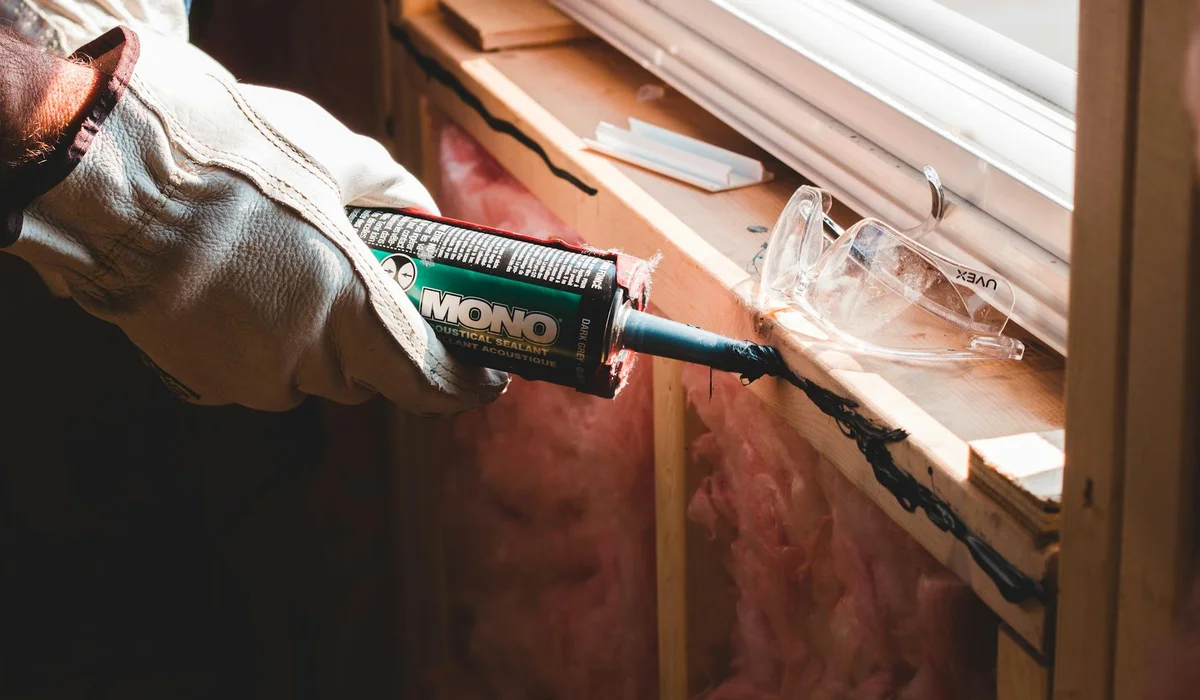
Your personal safety is non-negotiable when handling aquarium sealant and cleaning agents. Always wear nitrile gloves to protect your skin from the harsh chemicals in both the new silicone and the solvents used for cleaning. For aquarium repairs, choose the safest aquarium-safe sealants and repair kits to protect you and your fish. Low-odor, non-toxic options can help minimize fumes during curing. I learned this the hard way after getting silicone on my hands; it’s surprisingly difficult to remove and can cause irritation.
Good ventilation is your best friend during this project. Work in a well-ventilated area, like an open garage, or wear a respirator mask rated for organic vapors to avoid inhaling those potent fumes. Safety glasses are also a must to protect your eyes from any accidental splashes of solvent or scraping debris.
Surface Preparation Materials
A perfect reseal depends entirely on a perfectly clean surface. You cannot skip this step. You will need a sharp, new razor blade scraper, a generous supply of 99% isopropyl alcohol, and a huge pile of clean, lint-free paper towels or shop rags. I keep a dedicated glass scraper in my fishkeeping toolkit for jobs like this.
For stubborn, thick old silicone, a plastic putty knife can help you get the initial bulk off without scratching the glass. To prevent scratches when cleaning your tank, use plastic or nylon tools and apply a light touch. Isopropyl alcohol is your primary cleaning agent because it dissolves silicone residue and evaporates completely without leaving a film. Avoid acetone on acrylic tanks, as it can cause clouding or cracking.
Additional Materials for a Smooth Application
Once the glass is surgically clean, the right tools make the application process clean and professional. Invest in a high-quality silicone caulking gun with a smooth, dripless action; a cheap, wobbly gun will make the job frustrating and messy. A good gun gives you complete control over the bead.
For shaping the silicone, you have a couple of great options:
- A dedicated silicone profiling tool, which creates a perfect concave bead in one pass.
- The low-cost, classic DIY method: a small spray bottle with soapy water and your finger. Spray your finger with the soapy water before smoothing the bead-this prevents the silicone from sticking to you and gives a super smooth finish.
Have painter’s tape on hand to create clean, sharp edges on your silicone seams. Applying tape to the glass on either side of the seam ensures any excess silicone is easy to peel away after it cures. Finally, keep a damp cloth nearby for immediate cleanup of any mistakes or smudges before the silicone sets.
Step-by-Step Guide to Using Your Resealing Kit
Prepping the Aquarium Surface
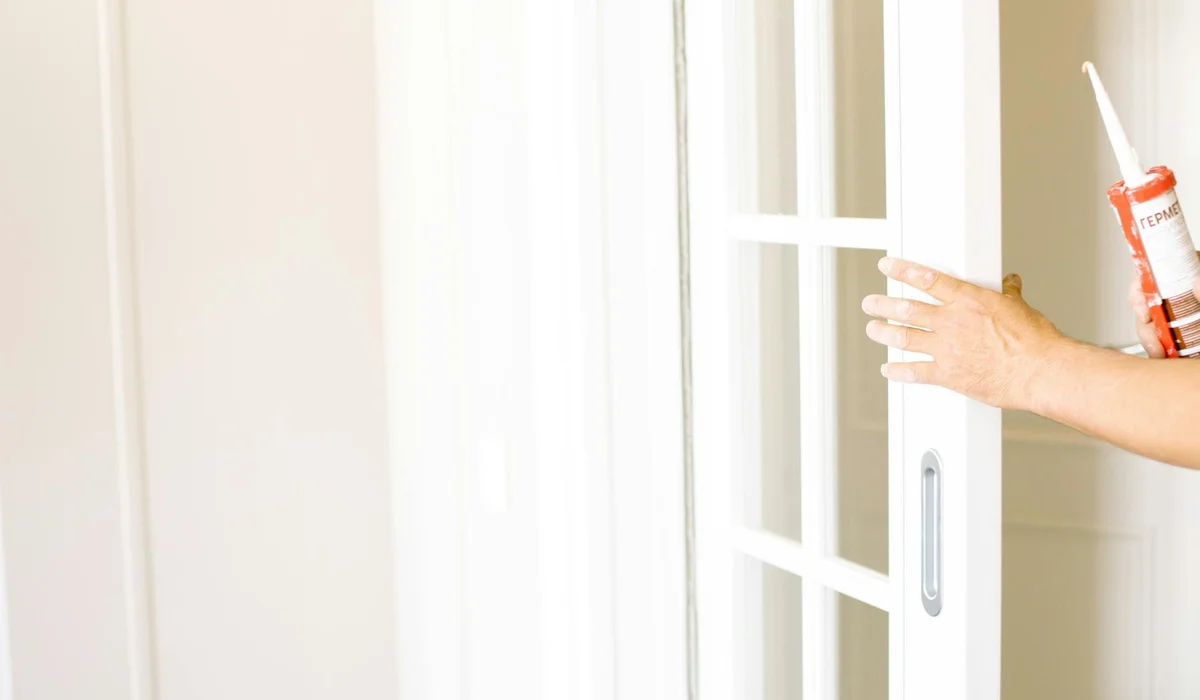
This is the most critical phase. A perfectly prepped surface is the difference between a repair that lasts for years and one that fails in weeks. Rushing here guarantees a leak later.
Start by placing your dry, empty tank on a stable, well-protected work surface. I use an old blanket to prevent scratches. Your goal is to create a perfectly clean, dry, and slightly rough surface for the new silicone to bond to. As part of a step-by-step deep clean of the aquarium, scrub away any residue from the walls and seals. Rinse and dry completely before applying silicone.
- Remove the Old Sealant: Use your single-edge razor blades and plastic scrapers. Slide the blade carefully between the glass and the old silicone, using the corner to initiate a peel. Pull long, continuous strips where you can. For stubborn bits, a plastic scraper helps avoid gouging the glass.
- Scrape and Scrape Again: Get every last bit of silicone residue off the glass panes. What looks and feels clean to your finger often isn’t. Hold the glass up to a light and look for a ghostly, translucent film-that’s leftover silicone.
- Degrease and Deep Clean: This is non-negotiable. Soak a clean, lint-free cloth in your 99% isopropyl alcohol or acetone-based cleaner. Wipe down every inch of the seam areas you’ll be resealing. The solvent will cut through invisible oils from your skin and any remaining silicone. Let it fully evaporate.
- Avoid Contamination: From this moment forward, do not touch the prepped seams with your bare hands. The oils from your skin will compromise the bond.
Applying and Smoothing the New Sealant
Now for the satisfying part. Before laying down the new bead, remove any old silicone from the joints and clean the glass. With your aquarium glass prepped, it’s time to lay down the new bead of sealant. Have your painter’s tape, caulking gun, and smoothing tool ready. This helps the new sealant adhere properly for a watertight seal.
First, use the painter’s tape to mask off the areas on either side of the seam. Place the tape about 1/8 to 1/4 of an inch away from where the bead will go. This gives you a clean guideline and makes for a professional-looking finish.
Load the 100% silicone tube into your caulking gun. Cut the tip of the nozzle at a 45-degree angle. The hole size determines your bead size; start smaller than you think-you can always cut more off. Pierce the inner seal with the long nail or rod included in your kit.
Apply steady, even pressure on the gun’s trigger while you pull the tip along the seam in one continuous, confident motion. A smooth, consistent bead is what you’re after. Don’t stop and start. Fill the entire channel between the glass panels.
Immediately after applying the bead, it’s time to tool it. Dampen your finger or a dedicated silicone smoothing tool with a bit of soapy water. This prevents the silicone from sticking to you. Gently drag it along the entire length of the bead to smooth and press it into the joint. This action forces out air bubbles and ensures perfect contact with the glass.
Carefully peel away the painter’s tape while the silicone is still wet to reveal a crisp, clean line. Now, the hardest part: walk away and let it cure completely, which can take 24 to 48 hours depending on temperature and humidity. Do not disturb it.
FAQs
How can I tell if my aquarium seal is failing and needs to be resealed?
Look for visible signs like water droplets along the seams, cloudy or discolored silicone, or a soft, gummy texture when touched. Regularly inspect for minor leaks or separation between glass panels, as catching issues early prevents major failures.
Is it safe to reseal an aquarium with fish still inside?
No, it is never safe to reseal a tank with fish inside due to toxic fumes from curing silicone and stress from the process. Always transfer your fish to a temporary holding tank with filtered, conditioned water to ensure their safety. If you plan to reseal, follow a step-by-step guide for resealing a fish tank to do it safely and effectively.
What should I do if the new silicone doesn’t adhere properly to the glass?
Poor adhesion usually stems from insufficient cleaning or contamination. Completely remove the failed silicone, then thoroughly re-clean the glass with 99% isopropyl alcohol and lint-free cloths before reapplying a fresh bead.
How long does a properly resealed aquarium typically last before needing another reseal?
A correctly resealed aquarium can last 5-10 years, similar to a new tank’s lifespan. Factors like water chemistry, tank size, and usage may affect durability, so monitor seams annually for early signs of wear. So how do you know when your fish tank needs resealed? Look for slow leaks, damp spots, or peeling silicone around the seams.
Ready to Reseal Your Aquarium?
Gather your 100% silicone, razor blade, and cleaning supplies before starting to make the process smooth and efficient. Proper surface preparation and a steady hand during application are the true secrets to a long-lasting, watertight seal.
Caring for your aquarium is an ongoing commitment that directly impacts your fish’s health and happiness. Embrace the learning journey by connecting with fellow hobbyists and staying curious about water chemistry and fish behavior. Regular water testing and mindful changes to improve water quality in your aquarium help keep your fish healthy. Small, steady steps make a big difference.
Further Reading & Sources
- How to reseal an aquarium in 7 simple steps!
- How to Clean, Repair, and Reseal Glass Aquariums – PetHelpful
- How to Reseal an Aquarium – Discus.com
- Reseal a Glass Tank Aquarium : 12 Steps – Instructables
- How to Reseal a 55 Gallon Fish Tank – iFixit Repair Guide
Lia is an expert in aquarium and pet fish care. Having worked in the marine industry and having cared for multiple pet fish, she has acquired first hand expertise on aquarium care, maintenance and setup. She always brings her practical expertise and science to help solve any aquarium related queries.
DIY Projects