
The Fish Keeper’s Guide to Molting: From Anxious Moments to Healthy Sheds
Published on: March 14, 2026 | Last Updated: March 14, 2026
Written By: Lia Annick
Hello fellow aquarists. If you’ve ever spotted a translucent ghost of a shrimp shell or a pale, lifeless-looking crab in your tank and felt a jolt of panic, you are not alone.
This guide will transform that confusion into confidence. We will walk through everything you need to know to support your aquatic friends through this critical process.
You will learn about:
- How to tell the difference between a successful molt and a dead animal
- The vital link between your water chemistry and a perfect shed
- Providing the right diet and habitat to support the molting cycle
- Handling common molting problems before they become emergencies
I’ve guided countless shrimp, crabs, and crayfish through this delicate process in my own tanks for years.
What is Molting in Aquarium Pets?
-
Molting, or ecdysis, is the process where aquarium invertebrates like shrimp and crabs shed their rigid outer layer, called the exoskeleton. This shedding allows them to grow because their hard shells don’t stretch like skin.
-
Without molting, these pets would be stuck at the same size, unable to develop. Think of it as outgrowing a too-tight suit-they need to discard the old one to put on a new, larger version.
-
Using an ocean-inspired analogy, imagine a hermit crab abandoning its outgrown shell for a roomier home. In your tank, molting is a sign of healthy growth, much like coral expanding its skeleton in the sea.
Spotting the Signs of an Upcoming Molt
-
Behavioral changes often include reduced appetite and increased hiding. You might notice your pets avoiding food and seeking refuge behind decorations or plants.
-
Physical cues can involve color fading and visible separation lines on the carapace. These lines indicate where the old exoskeleton will split, much like a seam coming undone.
-
Species-specific signs vary widely:
- For shrimp: They may become lethargic and stop grazing on surfaces.
- For crabs: Look for burrowing behavior or reluctance to move.
- For fish: While fish don’t molt, some like goldfish might show scale loss due to stress, which isn’t growth-related but requires care.
In my tanks, I’ve seen cherry shrimp turn pale and hide days before a molt, while hermit crabs often dig into the substrate.
The Step-by-Step Molting Process
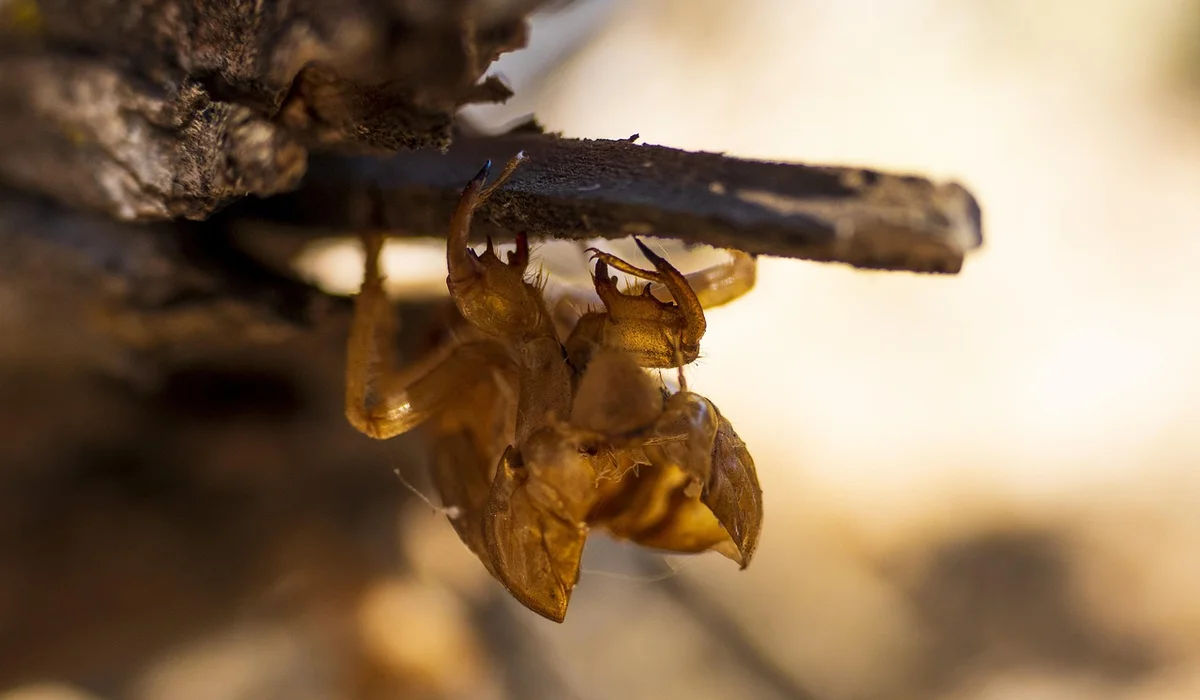
Watching a creature molt is one of the most fascinating cycles in your aquarium. It’s a high-stakes dance of growth and survival. Knowing what to expect at each stage will help you support your tank’s inhabitants and avoid unnecessary panic. These are the signs your tank is fully cycled: zero ammonia and nitrite, with nitrate at a stable level. With that in place, you can plan adding new inhabitants more confidently.
Pre-Molt Preparation: The Quiet Before the Storm
Before the main event, your aquatic friend enters a preparatory phase. You might notice them becoming less active and seeking out secure hiding spots. In the ultimate guide to aquarium territorial behavior, this retreat is described as a prelude to establishing a territory. Recognizing these cues helps you anticipate the changes. This reclusive behavior is a clear signal that a big change is coming, so ensure your tank has plenty of caves, plants, or décor for shelter.
- Internally, the old exoskeleton begins to separate from the new one forming underneath.
- The animal starts absorbing large amounts of minerals-especially calcium and magnesium-from the water and its food to build its new, larger shell.
- Its appetite may decrease significantly or stop entirely as its energy is redirected inward.
The Actual Shedding: A Moment of Extreme Vulnerability
The shedding itself is often surprisingly quick. A shrimp might contort its body, while a crab will actively back out of its old shell. This entire process can be over in a matter of minutes, but it leaves the animal soft, defenseless, and incredibly stressed. In a guide to keeping and breeding freshwater shrimp Neocaridina, this is the moment to ensure stable water parameters and plenty of hiding places. Close monitoring during molts helps improve survival and well-being.
- The creature will flex its body repeatedly to create cracks in the old exoskeleton.
- It then works its way out, often limb by limb, in a slow, deliberate wriggle.
- During this brief window, it cannot move quickly and is an easy target for tank mates.
Post-Molt Recovery: The Hardening Period
Once free, the animal will look pristine but feel like soft jelly. Its top priority is to hide and begin the hardening process. Do not be alarmed if you don’t see your newly molted pet for a day or two; this is a normal and necessary part of their recovery.
- The new exoskeleton is initially soft and pliable, absorbing water to allow for growth.
- It will begin to harden by pulling calcium and carbonates directly from the water column.
- You might even see it eat its old discarded exoskeleton to recycle those precious minerals.
Common Molting Problems and Solutions
Even in a well-maintained tank, molting can sometimes go wrong. Regular testing and maintaining proper water parameters in your aquarium helps prevent stress during molts and makes issues easier to detect early. Test regularly for ammonia, nitrite, nitrate, pH, and temperature. Recognizing these issues early is your best tool for ensuring a safe and successful molt for your aquatic pets.
Stuck Molts: The Most Frequent Hurdle
A stuck molt, where the animal is trapped partially in its old shell, is a critical situation. It’s often a symptom of an underlying water quality issue. The primary culprits are almost always insufficient minerals (low GH/KH) or inconsistent water parameters.
- Causes: Low calcium, low general hardness (GH), poor diet, or a sudden shift in pH or temperature.
- Step-by-Step Fix: First, test your GH and KH. If they are low, perform a series of small, slow water changes with a mineral-rich conditioner. I personally use crushed coral in my filter to provide a steady, slow-release source of calcium.
Limb Loss and Incomplete Shedding
Sometimes an animal will lose a leg or antennae during a difficult molt. Other times, pieces of the old shell remain stuck. While losing a limb looks traumatic, many crustaceans can regenerate them over subsequent molts, provided their diet is excellent.
- Causes: Extreme stress during the molting process or a severe mineral deficiency that prevents a clean break.
- Step-by-Step Fix: Never try to manually pull off the stuck shell. Instead, focus on perfecting your water chemistry. Ensure your tank’s GH is between 6-8 dGH for shrimp and even higher for crabs. Offer high-calcium foods like blanched spinach or specialized mineral pellets.
The Gentle Handling Protocol
If you find a creature struggling with a molt, your instinct might be to help. Resist the urge to intervene directly, as handling a soft-bodied animal can cause severe internal damage.
- Isolate the animal in a breeder box within the main tank to protect it from others, but keep it in the same stable water.
- Dim the lights to reduce its stress levels.
- Add a source of dissolved minerals like a piece of cuttlebone to the isolation area.
- Allow nature to take its course; often, given a calm, safe space, they can complete the process on their own.
How Water Quality Supports Healthy Molting
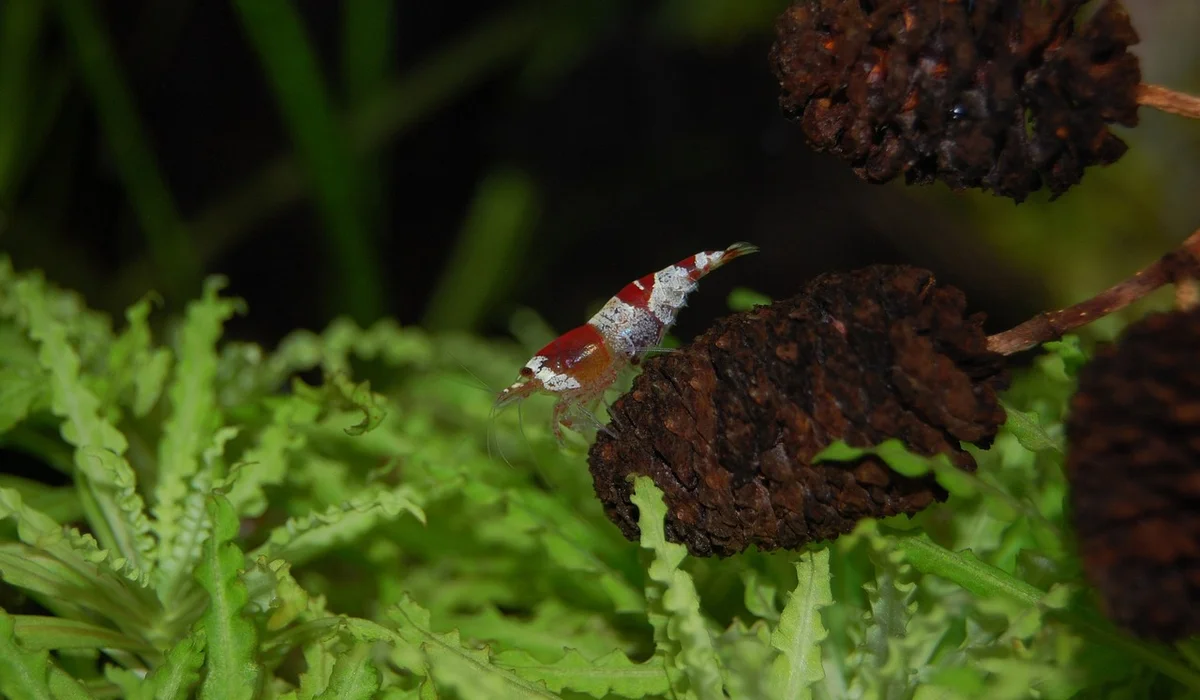
Think of your tank’s water as the raw building material for your creature’s new suit of armor. When a shrimp or crayfish prepares to molt, it’s absorbing minerals directly from the water to construct its new, larger exoskeleton. The quality and mineral content of your water directly dictates the strength and success of this entire process. Check out our tips for improving water quality to ensure a healthy environment for your aquatic creatures.
Key Water Parameters for Molting
You need to pay close attention to a few specific parameters. Getting these right is the difference between a smooth shed and a life-threatening situation.
- pH Stability: A stable pH prevents stress and mineral dissolution. Sudden swings can shock a molting animal, halting the process.
- General Hardness (GH): This measures calcium and magnesium. These are the literal bricks and mortar for a new exoskeleton. Low GH means soft, weak, or incomplete molts.
- Calcium Levels: A subset of GH, calcium is the most critical mineral. It’s non-negotiable for forming a rigid, protective shell.
- Ammonia Control: Ammonia is always toxic, but it’s catastrophic during a molt. A freshly molted animal is incredibly soft and vulnerable; ammonia burns can be fatal.
The Role of Minerals
Your invertebrates aren’t just swimming in water; they’re drinking a mineral cocktail. Through their gills and tissues, they pull dissolved calcium and magnesium from the water column. This passive mineral uptake is how they pre-build their exoskeleton from the inside out, long before you even see a crack in the old one. Without enough dissolved minerals, they simply don’t have the resources to complete the task.
| Species | Ideal pH Range | Ideal GH Range (dGH) | Key Mineral Need |
|---|---|---|---|
| Neocaridina Shrimp (Cherry Shrimp) | 6.5 – 8.0 | 6 – 8 | Moderate Calcium |
| Caridina Shrimp (Crystal Red Shrimp) | 6.0 – 6.8 | 4 – 6 | Balanced Minerals |
| Amano Shrimp | 7.0 – 7.8 | 6 – 8 | High Calcium |
| African Dwarf Frog | 6.5 – 7.5 | 5 – 7 | Calcium for Skin Shedding |
Nutrition Tips for Easy Molts
While water provides the foundation, food delivers the concentrated, bioavailable minerals needed for construction. Feeding a molting-focused diet is like providing high-quality reinforcements to a construction site. I always ramp up certain foods when I see the tell-tale signs, like a white “molting ring” on my shrimp.
Calcium-Rich Power Foods
Not all foods are created equal. You want to offer options that are packed with calcium and other trace minerals.
- Blanched Vegetables: Spinach, kale, and zucchini are fantastic. Blanching (a quick boil) softens them, making the calcium inside easier to access.
- Specialized Pellets: Look for shrimp or invertebrate-specific foods where “calcium” is listed high in the ingredients. These are formulated for this exact purpose.
- Natural Supplements: Cuttlebone (from the bird aisle) or pure mineral powders can be added directly to the tank for animals to graze on as needed.
Pre-Molt Feeding Schedule
Timing is everything. You want their mineral reserves to be fully stocked before the big event.
- About a week before a suspected molt, I increase feeding of calcium-rich foods to every other day.
- Rotate between a high-quality pellet and a blanched vegetable to provide a spectrum of nutrients.
- Remove any uneaten food after a few hours to keep the water pristine, as ammonia is the enemy of a molting animal.
Diet Options to Prevent Deficiencies
A varied diet prevents mineral lockouts and ensures a full profile of nutrients. Sticking to just one type of food is the most common mistake I see; it often leads to molting problems down the line.
- Staple Diet: A high-quality main pellet for daily nutrition.
- Weekly Boosts: Blanched spinach or kale for a calcium hit.
- Monthly Treats: Protein sources like bloodworms or brine shrimp to support overall health and energy for the molting process.
Creating a Low-Stress Molting Environment
Think of a molting fish or shrimp as someone changing clothes in a busy street. They feel exposed and vulnerable. Your number one goal during this time is to provide plenty of hiding spots where they can feel secure. A stressed creature is far more likely to have a failed, or even fatal, molt.
The Vital Role of Hides
Hides are not just decorations; they are essential safety zones. They serve two critical purposes. First, they give the molting animal a quiet place to undergo this demanding process. Second, they physically shield the soft, new body from curious or aggressive tank mates.
- Rocks: Slate, lava rock, and smooth river stones are perfect for building small caves and ledges.
- Plants: Dense, live plants like Java Moss, Anubias, and Hornwort create a natural, comforting jungle.
- Driftwood: Cholla wood and Malaysian driftwood are shrimp favorites, full of nooks and biofilm to snack on.
Simple & Safe DIY Hide Ideas
You don’t need a big budget to create a safe haven. I’ve used these DIY solutions for years with great success. Just ensure all materials are thoroughly cleaned and aquarium-safe. With a budget under $100, you can still create a stunning tank. Smart, budget-friendly tweaks and repurposed decor help you achieve wow without overspending.
- Terracotta Pot Cave: A small, unglazed terracotta pot placed on its side is a classic, cheap hide. I always sand the sharp rim and boil the pot first.
- PVC Pipe Section: A short piece of 1.5-inch PVC pipe buried halfway in the substrate makes an instant tunnel. You can even glue substrate to it to help it blend in.
- Leaf Litter: Catappa or Oak leaves (boiled to sink them) create a natural carpet that provides cover and releases beneficial tannins.
When Molting Goes Wrong: Emergency Care
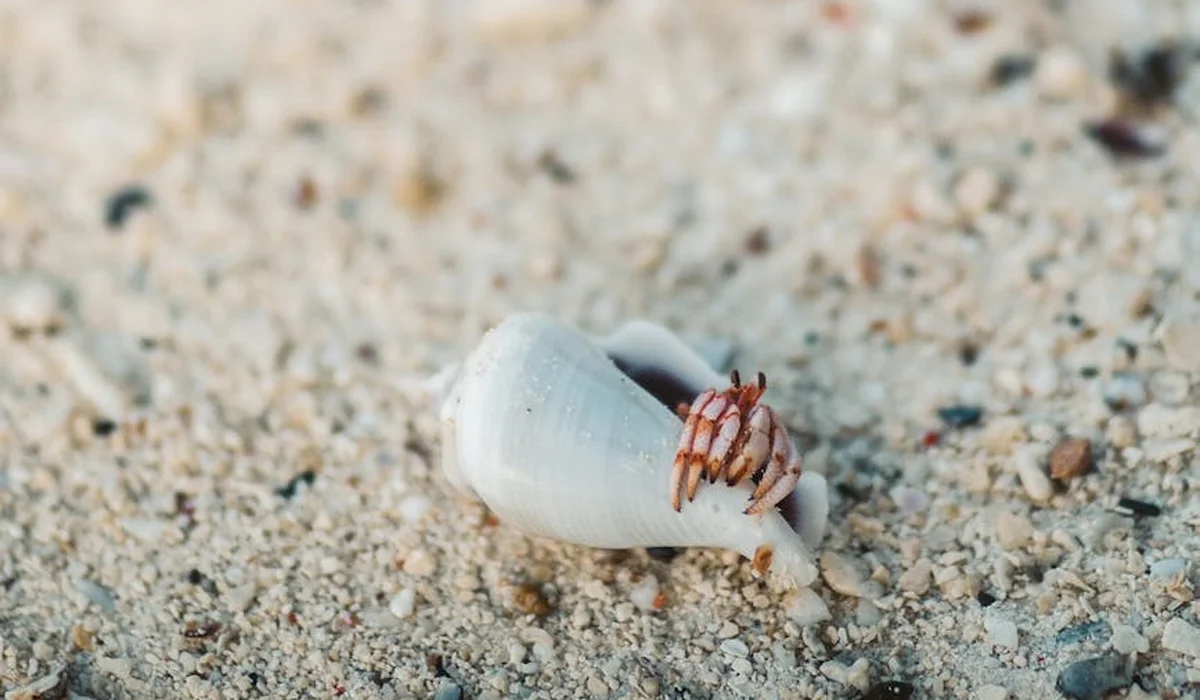
Even with perfect care, sometimes molting issues arise. Knowing the warning signs can mean the difference between saving your pet and losing it. Acting quickly and calmly is your best tool in an emergency molt situation.
Recognizing Critical Signs
A healthy molt happens relatively quickly. Watch for these red flags that indicate your animal is in trouble.
- Prolonged Immobility: The animal has been lying on its side or stuck in one position for over 24 hours post-molt.
- Visible Damage: You see tears in the new exoskeleton, missing limbs, or a white, fungus-like growth on the body.
- Failed Split: The old shell is only partially shed, often seen stuck on the tail or head, constricting the animal.
Your Immediate Action Plan
If you spot any of the signs above, follow these steps. Do not panic; a methodical approach gives your aquatic friend the best chance.
- Perform a Small Water Change: Immediately change 20-25% of the tank water with properly conditioned, temperature-matched water. This instantly improves water quality.
- Consider a Hospital Tank: If the animal is being harassed or is too weak to compete for food, move it to a bare, cycled quarantine tank. This reduces stress and allows for targeted care.
- Assess the Need for a Vet: For severe physical damage, a stuck shed that you cannot gently remove, or signs of a spreading infection, contact an aquatic veterinarian. They can provide antibiotics or assist with physical removal.
Remember that a failed molt is almost always a symptom of a broader water quality or dietary issue, not a random event. Use it as a learning experience to refine your tank maintenance routine for the future. For a reliable, step-by-step guide to testing your aquarium water properly, follow a routine that checks ammonia, nitrite, nitrate, pH, and temperature. This helps you identify issues early and tailor your maintenance plan accordingly.
Common Questions
How can I be sure the white shell in my tank is a molt and not a dead animal?
An empty molt will be a perfect, translucent copy of the animal, often hollow and intact. A deceased animal will usually show opaque, discolored tissue inside the shell and may have a noticeable odor. Look for the animal itself elsewhere in the tank, as it will be hiding after a successful molt.
Should I remove the old exoskeleton after my pet molts?
It is best to leave the discarded exoskeleton in the tank. The animal will often consume it to recycle the valuable minerals, like calcium, which are essential for hardening its new shell. Removing it deprives them of this important nutritional resource.
Is it safe to move a pet that is about to molt or has just molted?
No, you should avoid moving or handling them during this time. The process is extremely stressful, and a newly molted animal is very soft and vulnerable to physical injury. Any movement can interrupt the process or cause fatal damage.
What is the single most important thing I can do to prevent molting problems?
Maintaining stable and appropriate water parameters, specifically General Hardness (GH), is the most critical factor. Consistently providing mineral-rich water ensures your pets have the necessary building blocks to form a strong new exoskeleton and complete a clean shed. To truly understand GH and KH in aquarium water hardness, regular testing of GH and KH and appropriate adjustments are essential. This knowledge helps you maintain a stable mineral balance and support healthy molts.
Your Journey to Thriving Molts
Focus on maintaining excellent water quality and offering a varied, nutrient-packed diet to support smooth molting cycles. Regular observation lets you catch early signs of stress, helping you intervene before minor issues become major problems. Regular testing of essential water quality parameters—ammonia, nitrite, nitrate, pH, temperature, and dissolved oxygen—helps you detect shifts before they impact molting. Keep a simple log of test results to track trends and adjust care as needed.
Caring for aquatic pets is a commitment that grows with every new thing you learn. I always encourage fellow hobbyists to stay engaged with community resources and trusted guides to keep their tanks healthy and their inhabitants happy. It’s important to know which tasks are essential and how often you should perform them, as frequency is the key to reliable tank health. Regular maintenance depends on your setup, but establishing a routine helps ensure you don’t miss critical work.
Further Reading & Sources
- Understanding the Molting Process in Freshwater Shrimp – Splashy Fish
- Expert Answers on Betta Fish Molting, Behavior, and Care
- The Hidden Rituals of Betta Fish: Understanding Their Unique Behaviors
- Pet Crayfish Molting Guide || 5 Essential Tips! – YouTube
- 7 Reasons Your Betta Fish Is Shedding/Molting (And What To Do)
Lia is an expert in aquarium and pet fish care. Having worked in the marine industry and having cared for multiple pet fish, she has acquired first hand expertise on aquarium care, maintenance and setup. She always brings her practical expertise and science to help solve any aquarium related queries.
Aquatic Invertebrates