
Freshwater Shrimp Keeping: Your Clear Path to a Thriving Neocaridina Colony
Published on: February 25, 2026 | Last Updated: February 25, 2026
Written By: Lia Annick
Hello fellow aquarists, have you ever admired a vibrant shrimp colony and wondered how to start your own, only to feel overwhelmed by conflicting advice? You’re not alone, and the shimmering world of Neocaridina shrimp is far more accessible than you might think.
This guide cuts through the confusion, giving you a straightforward plan for success. We will cover everything you need to know, including:
- Choosing the perfect tank setup and shrimp-safe equipment
- Mastering the specific water parameters for health and breeding
- Providing the right diet and feeding routine
- Understanding the complete breeding lifecycle from berried female to juvenile
- Solving common problems with practical troubleshooting tips
I’ve spent years cultivating these colorful crustaceans in my own aquariums, learning through trial and error so you don’t have to.
Welcome to the Wonderful World of Neocaridina Shrimp
Neocaridina davidi, often called dwarf shrimp, are the perfect colorful companions for your aquarium. Their vibrant hues and busy nature bring a tiny, mesmerizing world to life right before your eyes.
- Cherry Shrimp: Ranging from fiery red to deep burgundy.
- Blue Dream: A stunning, solid sky blue.
- Yellow Goldenback: A bright lemon yellow, often with a striking dorsal stripe.
- Orange Sunkist: A bold, juicy orange color.
- Green Jade: A subtle, beautiful olive green.
Their small size, rarely exceeding 1.5 inches, and utterly peaceful temperament make them fantastic for community tanks. They spend their days peacefully grazing on algae and biofilm, posing no threat to even the smallest tank mates.
What Are Neocaridina Shrimp?
Originating from freshwater streams and ponds in Taiwan and parts of Asia, these hardy little invertebrates typically live for 1 to 2 years. They are fully aquatic, spending their entire lifecycle in the water.
The main difference between Neocaridina and their cousins, Caridina shrimp, comes down to water parameters. Neocaridina are the tough, adaptable beginners, thriving in a wide range of tap water conditions, while Caridina shrimp are the sensitive specialists, requiring very soft, acidic water to survive and breed.
Choosing Healthy Shrimp for Your Aquarium
Selecting vibrant shrimp is your first step to a successful colony. Look for these key indicators of good health.
- Bright, opaque coloration without dull or faded patches.
- Constant, deliberate movement as they graze on surfaces.
- Long, intact antennae that they actively sweep through the water.
- A clean, white saddle (visible eggs in females) is a great sign of a mature, healthy shrimp.
When you’re ready to buy, follow these steps for the best results. First, research your supplier and read recent reviews. I always ask to see the shrimp actively feeding before I make a purchase, as this confirms they are comfortable and healthy in their current environment. Finally, ensure the seller uses a proper breather bag for safe shipping if you’re buying online.
Creating the Perfect Shrimp Tank Setup
A dedicated shrimp tank is a joy to watch. You’ll need a gentle filter, a stable heater, and plenty of surfaces for them to explore. In this complete guide to creating a species-only shrimp tank, you’ll learn how to tailor water parameters and décor to your shrimp’s needs. We’ll walk you through setup, maintenance, and feeding to keep a thriving colony.
- Set up your tank with substrate, hardscape, and equipment.
- Add a pinch of fish food or pure ammonia to start the nitrogen cycle.
- Test your water daily for ammonia and nitrite, waiting for them to hit zero.
- Once nitrates are present and ammonia/nitrite are zero, your tank is cycled and safe for shrimp.
Selecting the Right Tank Size and Substrate
While they are small, a stable environment is key. A 5-gallon tank is a great starting point for a new colony, but a 10-gallon tank offers more stability and room for the population to explode.
Your substrate choice directly influences your water chemistry. Inert substrates like sand or neutral gravel do not alter your water parameters. Active substrates, like certain planted aquarium soils, slowly release acids to lower pH and soften water, which is necessary for Caridina but generally not for hardy Neocaridina.
Essential Filtration and Heating
Sponge filters are the undisputed champion for shrimp tanks. They provide excellent biological filtration and their gentle flow won’t suck up tiny, newborn shrimp fry. The sponge itself also becomes a prime grazing ground for biofilm. To set one up, attach the sponge to an air pump with tubing and place it in the tank. Run a gentle airflow so water moves through the sponge without disturbing fry.
Neocaridina shrimp thrive in temperatures between 65°F and 78°F (18°C – 26°C). If your room temperature stays within this range, you can skip the heater, but using one set to around 72°F ensures stability, which shrimp love.
Adding Plants and Hiding Spots
Live plants are not just decoration; they are a vital food source and shelter. My shrimp adore these varieties.
- Java Moss: A tangled jungle for babies to hide in.
- Anubias: Tough leaves that grow dense biofilm.
- Marimo Moss Balls: A fun, edible rolling snack.
- Subwassertang: A unique, free-floating plant that provides incredible cover.
You don’t need to buy expensive decorations for hiding spots. I often use a simple stack of slate stones, a piece of cholla wood, or even a clean terracotta pot placed on its side to create perfect, shady retreats for molting shrimp.
Mastering Water Parameters for Healthy Shrimp
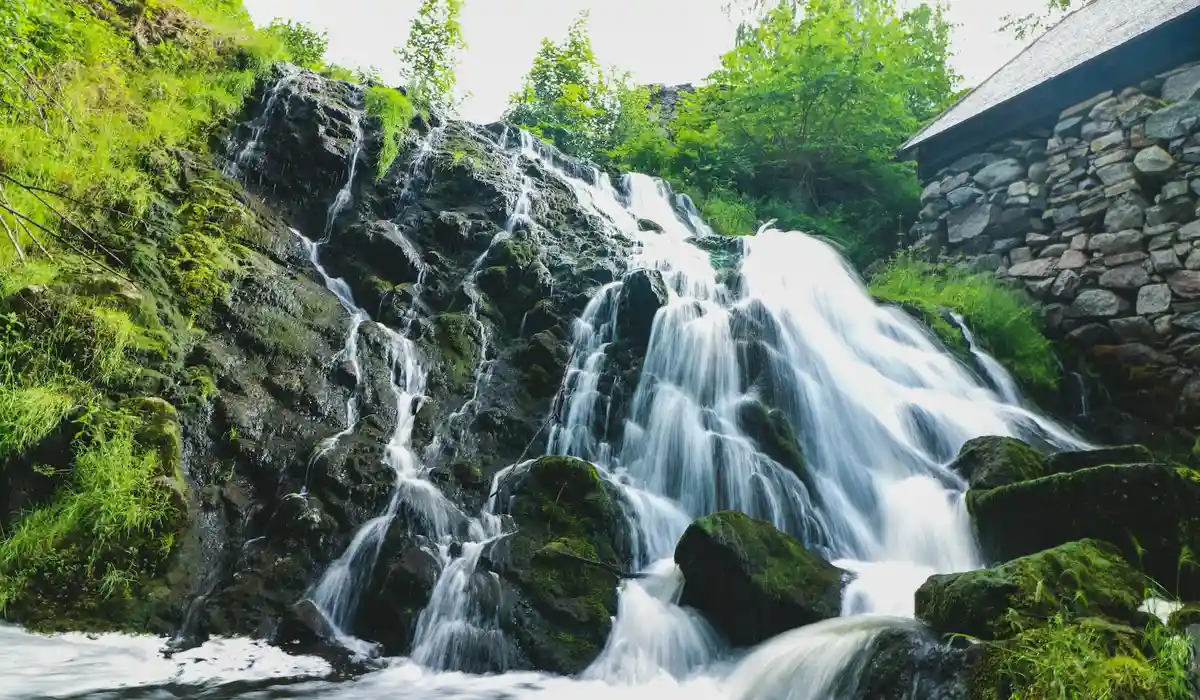
Keeping Neocaridina shrimp successfully comes down to one thing: stable, high-quality water. These little invertebrates are extremely sensitive to sudden shifts in their environment, so consistency is your ultimate goal. You’ll be focusing on four main parameters to create a safe haven for them to thrive and breed. Think of this as part of a complete guide to keeping snails and shrimp together. It also covers compatible tank mates, setup tips, and how to balance water so both groups thrive.
Balancing pH, GH, and KH Levels
Let’s break down the water chemistry alphabet soup into simple, manageable parts. Think of these parameters as the foundation of your shrimp’s home.
- pH: This measures how acidic or basic your water is. Neocaridina shrimp prefer neutral to slightly alkaline conditions.
- GH (General Hardness): This is the amount of dissolved calcium and magnesium in the water. Shrimp need these minerals to build strong shells and molt properly.
- KH (Carbonate Hardness): This acts as a pH buffer, preventing sudden, dangerous pH crashes that can wipe out a colony.
You can test all three with a reliable liquid test kit, which is far more accurate than test strips. I test my shrimp tanks every single week without fail to catch any slow drifts in parameters. Regular testing helps you maintain proper water parameters in your aquarium. It makes it possible to detect shifts early and keep shrimp thriving. If your water is too soft, you can raise both GH and KH by adding a small bag of crushed coral to your filter or by using a shrimp-specific remineralizer with Reverse Osmosis (RO) water.
| Parameter | Ideal Range for Neocaridina | Dangerous Zone |
|---|---|---|
| pH | 7.0 – 8.0 | Below 6.5 or Above 8.5 |
| GH | 6 – 8 dGH | Below 4 or Above 12 dGH |
| KH | 2 – 5 dKH | Below 1 dKH |
| Temperature | 68°F – 76°F (20°C – 24°C) | Below 60°F or Above 80°F (15°C / 27°C) |
Maintaining Stable Temperature and Cleanliness
A stable temperature within that ideal range keeps your shrimp’s metabolism steady and encourages breeding. Place your tank away from direct sunlight and drafts to avoid temperature swings that stress shrimp. Cleanliness is non-negotiable. Shrimp produce very little waste, but uneaten food and decomposing plant matter can spike toxin levels quickly.
I perform a 10-20% water change weekly in my established shrimp tanks, using a siphon to gently clean the substrate surface. The key is matching the new water’s temperature and parameters as closely as possible to the tank water to prevent shock. When you bring new shrimp home, always acclimate them slowly. I use the drip method: float their bag to temperature match, then use airline tubing with a knot to drip tank water into their container for 60-90 minutes before releasing them.
Feeding Your Neocaridina Shrimp for Vibrant Health
A well-fed shrimp is a colorful, active, and breeding shrimp. Their primary food source should be the natural biofilm and soft algae that grows on surfaces in a mature tank. This is why I never put shrimp into a brand new tank; it needs a few weeks to develop this micro-buffet. Supplemental feeding adds variety and ensures they get all necessary nutrients.
Natural Diet and Supplemental Foods
In a healthy tank, your shrimp will constantly graze. They’ll eat biofilm, decaying plant leaves, and microscopic organisms. To supplement this, I offer a rotating menu of blanched vegetables (like zucchini and spinach), specialized shrimp pellets, and occasional protein-rich foods like bloodworms. The biggest mistake is overfeeding. Uneaten food rots, polluting the water and leading to bacterial blooms that can suffocate your shrimp. A portion should be completely eaten within 2-3 hours.
How Often and How Much to Feed
A simple and effective rule is to feed a small amount once every one to two days. I often skip a day of feeding to encourage my shrimp to clean the tank, which helps control algae and keeps their natural foraging instincts sharp. You’ll know your shrimp are well-fed when you see them actively grazing, displaying bright colors, and breeding frequently. If the entire colony swarms food the moment it’s dropped in, they might be a bit too hungry. This approach is part of a complete guide on how often you should feed your aquarium fish. For other species and setups, feeding schedules can differ, so consult the full guide for tailored recommendations.
Here is a sample feeding schedule that works well in my tanks:
- Monday: One high-quality shrimp pellet per 10 shrimp.
- Tuesday: No feeding (fasting day).
- Wednesday: A small piece of blanched zucchini.
- Thursday: No feeding (fasting day).
- Friday: Shrimp pellet or a few leaves from a botanical like Catappa.
- Weekend: Fast or offer a very tiny treat like a single bloodworm.
Breeding Neocaridina Shrimp Successfully
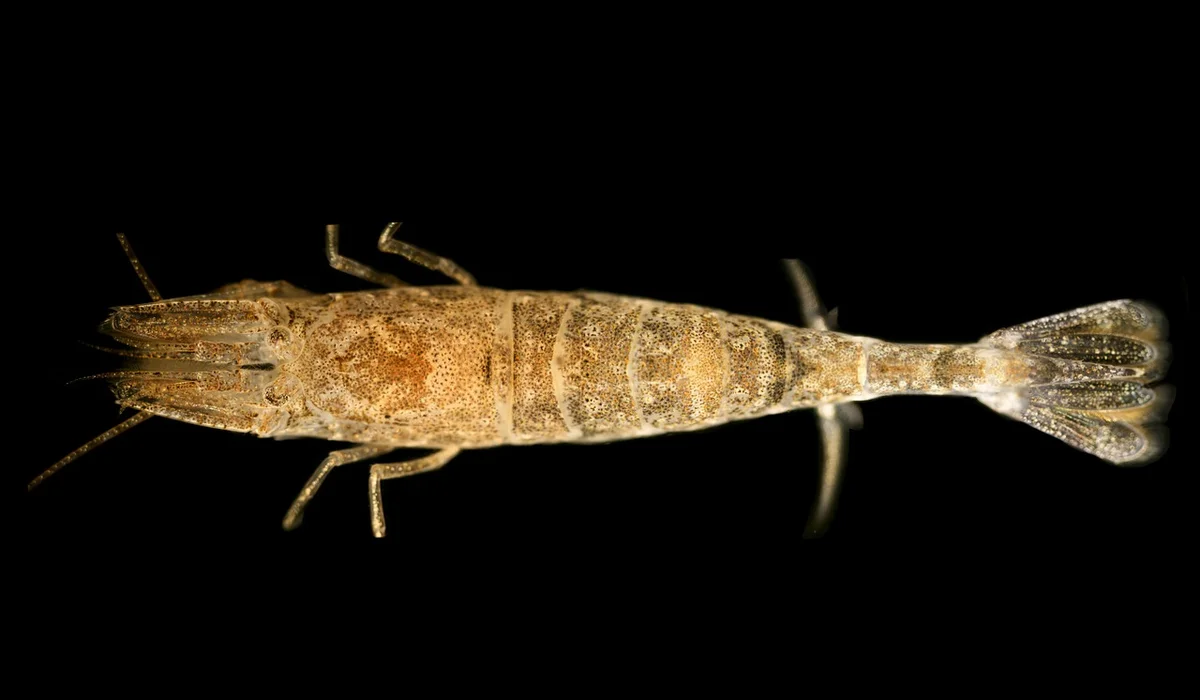
Watching a colony of Neocaridina shrimp multiply is one of the most rewarding experiences in the hobby. Their entire breeding process is fascinatingly straightforward once you provide a stable, mature aquarium. The cycle begins when a female molts, releasing hormones into the water that signal her readiness to mate.
Recognizing Mating Behavior and Pregnancy
After a female molts, you’ll see males swimming excitedly around the tank in a frantic search pattern. This “shrimp parade” can last for hours. A successfully mated female will soon develop a “saddle,” a yellow or greenish patch of eggs visible through her back, right behind her head. A few weeks later, those eggs will migrate under her tail, and she becomes “berried,” carefully fanning the clutch to keep it oxygenated.
- Look for a cluster of 20-30 tiny, round eggs tucked under the female’s abdomen.
- A berried female will often hide more and be less active to protect her eggs.
- Successful molting is the absolute trigger for breeding; a failed molt means breeding halts.
Caring for Shrimp Fry and Ensuring Survival
The baby shrimp, called fry, are microscopic and incredibly vulnerable. Your single most important task for fry survival is covering your filter intake with a fine sponge pre-filter. This prevents the tiny shrimplets from being sucked into the filter and gives them a surface to graze on.
Fry do not need to be fed separately for the first few days if your tank is mature. They survive on the microscopic biofilm and algae present on surfaces. After that, you can offer them finely powdered foods, which are excellent for baby fish.
- Powdered spirulina algae or crushed-up high-quality shrimp pellets.
- Bacter AE is a commercial product that boosts biofilm growth, providing a constant food source.
- Infusoria, a culture of microscopic organisms, is an excellent live food option.
- Dense plant cover like Java moss or subwassertang provides essential hiding spots from any potential tank mates.
Troubleshooting Common Shrimp Keeping Problems
Even with the best care, you might run into some issues. Sudden shrimp deaths are almost always a water quality issue, not a disease. The most common culprits are contaminants (like copper from pipework or air fresheners), drastic temperature swings, or a hidden ammonia spike.
Color fading can be a sign of stress or poor nutrition. To keep their colors vibrant, offer a varied diet rich in carotenoids from foods like blanched spinach and high-quality commercial shrimp foods designed for color enhancement.
- Always drip acclimate new shrimp over 1-2 hours to prevent osmotic shock.
- Never use medications containing copper in a shrimp tank.
- Avoid large water changes; stick to 10-20% weekly to maintain stability.
- Quarantine all new plants for a few weeks to prevent introducing planaria or other pests.
Preventing Diseases and Stress
The best medicine is always prevention. I maintain a simple 2-gallon quarantine tank with a sponge filter and some old substrate to house all new shrimp for at least three weeks. This allows you to observe them for any signs of illness, like white fungus (Vorticella) or internal parasites, before they enter your main display. The same approach applies to properly quarantine new fish as well: quarantine them before adding to the display to prevent disease.
Stress is the primary gateway to disease in shrimp. Clean, stable water is the ultimate stress-reducer and solves about 90% of all shrimp health problems before they even start. Consistent parameters are far more critical than chasing “perfect” numbers.
Solving Molting and Water Quality Issues
A failed molt, where a shrimp gets stuck halfway out of its old shell and dies, is a classic sign of incorrect water mineral content. Shrimp need calcium and magnesium from the water to build a strong new exoskeleton, which is measured by General Hardness (GH). They also need carbonate hardness (KH) to stabilize the pH, which supports the molting process.
If you see white rings of death (a clear white line around the shrimp’s body where the shell will split), your GH is likely too low. You need to act quickly to correct it.
- Test your GH and KH with a liquid test kit. Aim for a GH of 6-8 and a KH of 2-5 for Neocaridina.
- If parameters are too low, use a remineralizer like Salty Shrimp GH/KH+ in your reverse osmosis (RO) or distilled water. Never use tap water for top-offs.
- For a quick, natural calcium boost, you can add a small piece of cuttlebone or a wonder shell to the tank.
- Perform small, remineralized water changes over several days to gradually correct the levels without shocking the shrimp.
FAQs
What is the most important tip for beginners keeping Neocaridina shrimp?
Focus on maintaining stable water parameters and a fully cycled tank before adding shrimp. Avoid overfeeding and perform regular, small water changes to prevent stress and health issues. Starting with hardy varieties like Cherry Shrimp can make the learning process smoother and more successful. When you set up a shrimp invertebrate aquarium, choose a gentle substrate and provide plenty of plants and hiding places. This helps shrimp molt safely and reduces stress as you establish stable conditions.
How do I maintain the right water parameters for Neocaridina shrimp?
Test your water weekly using a liquid test kit to monitor pH, GH, and KH levels, aiming for pH 7.0-8.0, GH 6-8 dGH, and KH 2-5 dKH. This is part of a step-by-step guide on testing your aquarium water properly. Following the steps ensures accurate readings and a stable environment for your shrimp. Use remineralizers or crushed coral if your water is too soft, and always drip acclimate new shrimp to avoid shock from sudden changes.
Why might my Neocaridina shrimp be dying, and how can I prevent it?
Sudden deaths are often linked to water quality issues, such as ammonia spikes, copper contamination, or incorrect mineral levels causing failed molts. In home aquariums, these water quality problems are among the most common causes of fish death. Ensure your tank is cycled, avoid using tap water with unknown additives, and quarantine new plants or shrimp to introduce pests or diseases.
What is the key difference between Neocaridina and Caridina shrimp care?
Neocaridina shrimp are hardy and adapt well to a range of tap water conditions, while Caridina species require very soft, acidic water with specific active substrates. Neocaridina are ideal for beginners due to their tolerance, whereas Caridina need more precise, advanced care to thrive and breed.
Your Shrimp Adventure Starts Now
Focus on providing stable, clean water and a densely planted tank to make your Neocaridina shrimp feel secure and healthy. A consistent feeding routine and gentle maintenance will naturally encourage them to breed and thrive in your care.
Being a good shrimp keeper means committing to their well-being through daily observation and proper tank management. The aquarium hobby is a journey of constant learning, so keep exploring new ideas to create an even better home for your pets.
Further Reading & Sources
- Care Guide for Cherry Shrimp – Tank Setup, Food, and Breeding
- r/shrimptank on Reddit: Simple Neocaridina Care Guide (Info in comments)
- Neocaridina Shrimp: Care, Water Parameters, Color, & More – The Shrimp Farm
- A Beginner’s Guide to Keeping Shrimp in a Planted Aquarium – Buce Plant
- Cherry Shrimp Neocaridina | Cherry Shrimp Care
Lia is an expert in aquarium and pet fish care. Having worked in the marine industry and having cared for multiple pet fish, she has acquired first hand expertise on aquarium care, maintenance and setup. She always brings her practical expertise and science to help solve any aquarium related queries.
Aquatic Invertebrates