
Feeding Fry and Baby Fish: Your No-Stress Guide to First Foods
Published on: February 22, 2026 | Last Updated: February 22, 2026
Written By: Lia Annick
Hello fellow fish keepers. You’ve successfully bred your fish, and now you’re staring at a cloud of wiggling fry, wondering what on earth you’re supposed to feed these tiny creatures.
It’s a mix of excitement and panic, but getting their first meals right is simpler than you think.
This guide walks you through everything, from the microscopic foods they need on day one to building a routine that gets them growing strong. We will cover: the best first foods for different types of fry, how often and how much to feed them, and maintaining perfect water quality in a fry tank.
I’ve raised countless batches of fry, from egg-scatterers to livebearers, and I’m here to help you do the same.
Understanding Your Tiny Swimmers: What Are Fry?
In the fishkeeping world, we call newly hatched baby fish “fry.” These are not just miniature versions of their parents; they are incredibly fragile creatures with completely different biological needs. Their organs are still developing, their mouths are microscopic, and they have almost no energy reserves to fall back on.
Fry typically start eating on their own once they become “free-swimming,” detaching from their hatching site and actively exploring the tank. You’ll know they’re ready when you see them darting around in short, jerky movements instead of just hanging onto surfaces. Before this stage, many species live off their yolk sac, and feeding them is not only unnecessary but can pollute the water.
Unfortunately, many baby fish don’t survive their first week. The most common reason for early losses is a simple lack of appropriately sized food that they can find and eat within their first 48 hours of free-swimming life. Other major factors include sudden changes in water temperature or chemistry, and being outcompeted or even eaten by tank mates, including their own parents.
The Best First Foods for Fry Nutrition
Choosing the right first meal is the single most important decision you’ll make for your fry. Their mouths are tiny, so food must be microscopic. My go-to starter foods are infusoria, green water, microworms, and freshly hatched baby brine shrimp. These are all live foods, which are easiest for fry to see and digest.
- Infusoria: A culture of microscopic organisms you can grow yourself from boiled lettuce or hay. Perfect for the tiniest fry like bettas.
- Green Water: Simply a tank full of single-celled algae. It’s like a nutritious, living soup the fry can graze on constantly.
- Microworms: Small, wiggly nematodes that are easy to culture and a great step up in size.
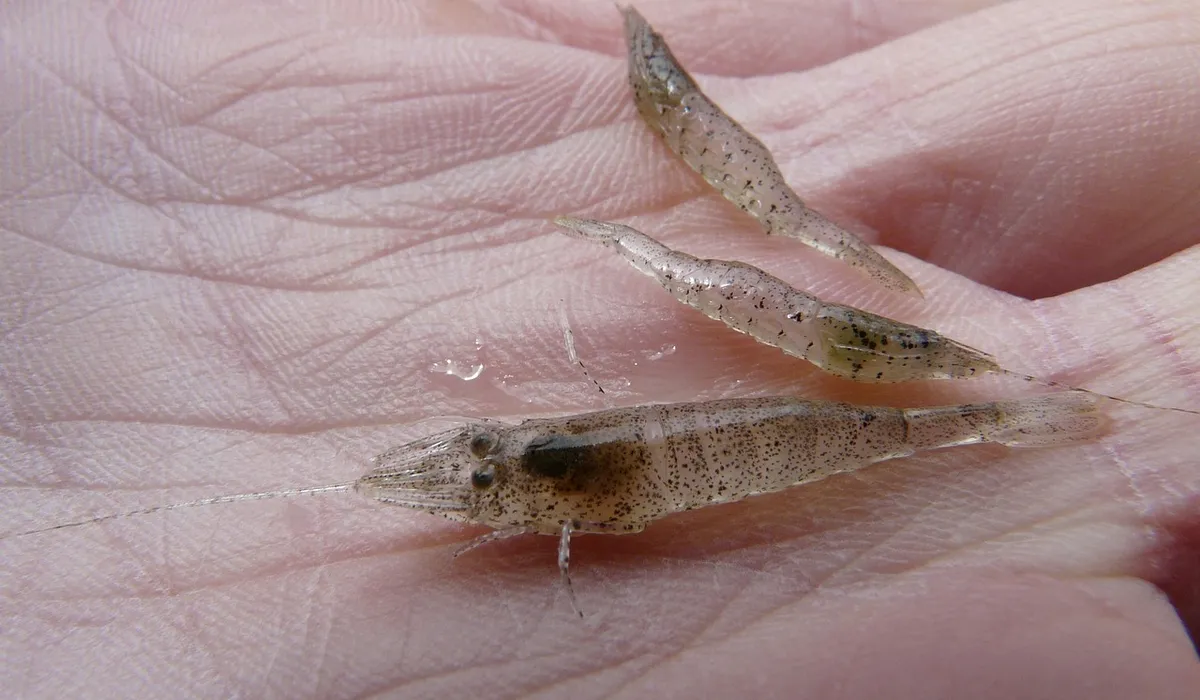
- Baby Brine Shrimp (BBS): The gold standard. Their movement triggers a feeding response and they are packed with protein.
You have options beyond live food, though they often require more effort from the fry. While live foods are the most effective, you can use finely powdered fry food or meticulously crushed high-quality flakes as an alternative. Understanding the nutritional breakdown of flakes, pellets, and gels helps you tailor feeding to your fry’s growth. Flakes are usually quick-digesting and easy for tiny mouths, while pellets and gels can offer more sustained nutrition and easier portion control. Frozen baby brine shrimp are a fantastic convenience, offering near-live nutritional value without the hatching hassle. I always recommend live or frozen over prepared powders for the first critical week.
Fry are building their entire bodies from scratch, so their dietary needs are intense. Protein is the absolute cornerstone of fry development, directly fueling the rapid growth of muscle and tissue. They also need a tremendous amount of calcium and other minerals to develop strong bones and scales. This is why live foods like baby brine shrimp are so valuable-they are naturally rich in both protein and the essential minerals fry need to thrive.
Step-by-Step Fry Feeding Schedule and Frequency
-
Start feeding fry within 24 hours after they become free-swimming. For the first three days, offer microscopic foods like infusoria or commercially available liquid fry food every three to four hours during daylight. Their tiny bodies need constant fuel, so frequent, tiny meals are non-negotiable for survival.
-
From days four to fourteen, introduce slightly larger foods like newly hatched baby brine shrimp or micro worms. Feed five to six times daily for fast-maturing species like guppies, and four times for slower growers like some cichlids. Observing their bellies turn slightly pinkish after eating brine shrimp is a sure sign they are feeding well. For beginners breeding livebearers such as guppies and mollies, this window also helps condition the adults and the first fry. This is a core topic in raising livebearer fry.
-
Portion control is vital; offer only what the fry can completely consume within two minutes. Use a clean pipette to distribute food directly in their path. Any uneaten food will decay rapidly, so it is better to slightly underfeed than to pollute their water.
Species-Specific Fry Feeding Guides
-
Guppy fry are energetic and can take finely crushed flake food by their second week. Betta fry require minuscule live foods like vinegar eels for the first ten days due to their tiny mouth size. African cichlid fry often graze on biofilm initially if kept with parents, while goldfish fry thrive on green water and later chopped bloodworms. Matching the food size and type to the fry’s mouth opening is the single most critical factor for success.
-
Guppies are voracious and will swarm food, while betta fry can be timid and need food dispersed gently. Cichlid fry may exhibit parental feeding behaviors, and goldfish fry are constant foragers. You will notice goldfish fry constantly pecking at surfaces, so sinking foods work well for them. For betta fish, a complete feeding guide helps ensure they get a balanced diet without overfeeding. It explains what bettas eat at different life stages, how much to feed, and how often.
-
Use this table to quickly compare feeding strategies for common species.
Species First Food (Days 1-3) Transition Food (Days 4-14) Daily Feedings Guppy Infusoria Baby Brine Shrimp 5-6 Betta Vinegar Eels Microworms 4-5 Cichlid Liquid Fry Food Crushed Pellets 3-4 Goldfish Green Water Chopped Bloodworms 4-5 I always pre-soak dry foods for cichlid fry to prevent digestive issues, a simple hack that boosts their growth rates.
How to Culture Live Foods at Home
Raising your own live food is the ultimate hack for a constant, high-quality fry food supply. It’s easier than you think and saves you countless trips to the fish store.
Step-by-step guide to hatching baby brine shrimp.
- Grab a clean 2-liter soda bottle. Cut the top off and invert it to create a funnel-shaped hatchery.
- Fill it with warm water (around 80°F) and add one tablespoon of non-iodized sea salt. Stir until it’s fully dissolved.
- Sprinkle in a quarter teaspoon of brine shrimp eggs. I use a small aquarium air pump with an air stone to keep the eggs in constant, gentle motion.
- Place the hatchery in a warm, dark spot. In just 24 hours, you’ll see a beautiful orange cloud of newly hatched shrimp.
- To harvest, turn off the air pump. The empty egg shells will float, and the live shrimp will gather at the bottom. Use a piece of airline tubing to siphon the orange shrimp from the bottom directly into your fry tank.
Methods for growing infusoria and microworms.
For newly hatched fry too tiny for baby brine shrimp, you need microscopic food. This is where infusoria and microworms save the day. You can also grow live food cultures—brine shrimp, daphnia, and microworms—to keep fry fed as they grow.
Infusoria is a soup of microscopic organisms. To culture it, take a jar of dechlorinated aquarium water and drop in a piece of boiled lettuce or a few crushed fish food pellets. Leave it uncovered in a sunny spot. Within a few days, the water will turn slightly cloudy, teeming with life. You can then use a pipette to add this “green water” directly to the fry tank. In fry rearing, this green water acts as a natural first food, helping tiny fry grow and thrive until they can take larger foods.
Microworms are tiny, wriggling nematodes. Start with a culture from a friend or online. Mix a thick paste of quick oats and water in a small plastic container. Sprinkle your starter culture on top and put the lid on loosely. In 3-4 days, you’ll see worms crawling up the sides. Simply wipe them off with your finger or a paintbrush and swirl them into the fry tank water (just make sure it’s not a new tank with microbubbles). The smell is potent, so keep the culture in a well-ventilated area!
Tips on maintaining cultures for consistent fry food supply.
The key to never running out is a simple rotation schedule.
- Stagger your cultures. Start a new brine shrimp hatchery every other day and a new microworm culture every 4-5 days. This way, you always have a fresh batch ready to go.
- Keep your starter cultures pure. Never dip dirty utensils into your main culture jars. I use separate spoons and pipettes for each one.
- If a microworm culture starts to smell sour or gets too watery, it’s time to toss it and start a new one from your healthy starter.
Troubleshooting Common Fry Feeding Mistakes
Even with the best intentions, things can go wrong. Here’s how to spot and fix the most common feeding issues.
- Poor Growth: If your fry aren’t growing, the food is likely too big for their mouths. You can see them pecking at it but not consuming it. Immediately switch to a smaller food like infusoria or freshly hatched baby brine shrimp. Increase feeding frequency to 5-6 tiny meals a day.
- Water Cloudiness: A sudden milky haze is a classic sign of overfeeding. Uneaten food rots and causes an ammonia spike. Perform a small, 10% water change immediately and siphon any visible waste from the bottom. Cut back on the amount you feed at each sitting, even if it feels like you’re not feeding enough.
- Fry Not Eating: If the fry are ignoring food, check your water temperature. Many species need warm water (78-82°F) for their metabolism to kick in. Also, watch for larger tankmates bullying the fry during mealtimes. A dedicated fry-only tank often solves this problem completely.
Your best tool is simple observation; watch how the fry behave during and after feeding to fine-tune your approach. If their little bellies look rounded and pink (from the brine shrimp), you’re on the right track. If food is settling on the bottom untouched, you are either feeding too much or the wrong type. Don’t be afraid to adjust on the fly-successful fry raising is all about adapting to their tiny, ever-changing needs.
Maintaining Water Quality During Fry Feeding
Feeding fry is a delicate dance between providing enough nutrition and not poisoning their home. Their tiny, developing bodies are incredibly sensitive to even minor shifts in water chemistry, making pristine water non-negotiable. Every bit of uneaten food begins to decompose almost immediately, releasing ammonia directly into their environment.
Think of a fry tank like a newborn’s nursery; you wouldn’t leave spoiled milk in a baby’s room. That uneaten food is the spoiled milk of the aquarium world. Ammonia and nitrite are silent killers for fry, capable of wiping out an entire brood before you even notice a problem. Their immature immune systems and gills simply can’t handle the toxin load that a mature fish might tolerate. Regular testing for ammonia is crucial to ensure their safety.
Guidelines for Water Changes and Cleanup
Staying on top of waste is your number one job. Here is a simple routine I follow with all my fry tanks.
- Perform small, daily water changes of 10-15%. This is far less stressful for the fry than a massive, weekly water change.
- Use a piece of airline tubing as a miniature siphon. You can gently hover it over the substrate to suck up waste without risking your tiny fish.
- After every feeding, within 30 minutes, look for any food that wasn’t eaten. I use a clean turkey baster to spot-remove every single speck of uneaten food I can find. This single habit has saved more fry for me than any other.
- Always treat new water with a conditioner and ensure it matches the tank’s temperature perfectly before adding it back in.
Testing and Overall Tank Cleanliness
You can’t manage what you don’t measure. Guessing about water quality is a recipe for disaster with fry.
- Test your water for ammonia and nitrite every single day. Your goal is always zero.
- Keep a testing journal. It helps you spot a slow, creeping rise in toxins before it becomes an emergency.
- A gentle sponge filter is the best choice for most fry tanks. It provides necessary biological filtration without creating a dangerous current that can trap and exhaust baby fish.
- Avoid deep vacuuming the substrate, especially in the first few weeks. You want to remove waste, not the vital biofilm and infusoria that might be serving as a secondary food source.
Seeing the crystal-clear water and the healthy shimmer of your fry swimming freely is the ultimate reward for this diligent upkeep. Your consistent effort with water quality is the invisible foundation that every successful batch of fry is built upon.
FAQs
What is a simple daily feeding routine for fry?
Start by feeding microscopic foods like infusoria or liquid fry food every 3-4 hours during daylight once fry are free-swimming. This feeding plan is especially relevant in a Neocaridina breeding setup, where fry are delicate and rely on tiny foods. Gradually introduce larger options like baby brine shrimp as they grow, adjusting frequency based on species. In Neocaridina keeping, maintaining stable water parameters and gentle filtration is also important to support successful breeding. Always remove uneaten food promptly to maintain water quality and prevent ammonia spikes.
Can dry foods be used as a primary diet for fry?
Dry foods like finely powdered fry formulas or crushed high-quality flakes can serve as alternatives, but they may not trigger the same feeding response as live foods. It’s best to use them alongside live or frozen options for balanced nutrition, especially in the first week. Ensure particles are small enough for fry to consume easily to avoid waste and health issues.
How do I transition fry to adult fish food?
Begin by slowly introducing crushed pellets or flakes once fry show consistent growth and can handle larger particles, usually after 2-3 weeks. Mix these with their current diet to avoid digestive upset, and monitor for signs of acceptance like active eating. Complete the transition over 1-2 weeks, ensuring the food size matches their developing mouth size.
What are the risks of overfeeding fry with dry foods?
Overfeeding dry foods can quickly decay, leading to ammonia and nitrite spikes that are deadly for fry. It also clouds the water and promotes bacterial growth, stressing the fragile fish. Feed only what fry can eat in under two minutes and perform regular water changes to mitigate these risks.
Your Fry Feeding Journey Starts Now
Focus on microscopic live foods like infusoria and baby brine shrimp for the first critical weeks, feeding tiny amounts several times a day. As your fry grow, you can gradually introduce finely powdered fry foods and eventually micro-pellets to support their development.
Watching a new generation of fish thrive is one of the most rewarding experiences in the aquarium hobby, and it all starts with getting their first meals right. Our complete guide on how often you should feed your aquarium fish offers practical schedules for different species. It helps you balance feeding with water quality for a thriving, low-maintenance tank. Stay curious, keep learning about your fish’s specific needs, and you’ll be rewarded with a healthy, bustling tank for years to come.
Further Reading & Sources
- How to Feed Aquarium Fish Fry
- What to Feed Betta Fish Fry: Our Vet’s Feeding Guide & Growth Tips! | Hepper Pet Resources
- Day-by-Day Betta Fry Feeding Guide: Essential Tips for Healthy Growth – Natural Fish Tank
- How to Feed Newly Hatched Fish (Fry)
- Feeding Goldfish Fry: Vet-Approved Care Guide | PangoVet
Lia is an expert in aquarium and pet fish care. Having worked in the marine industry and having cared for multiple pet fish, she has acquired first hand expertise on aquarium care, maintenance and setup. She always brings her practical expertise and science to help solve any aquarium related queries.
Feeding Guidelines