
Breeding Livebearers for Beginners: Your Foolproof Guide to Guppy and Molly Fry
Published on: February 27, 2026 | Last Updated: February 27, 2026
Written By: Lia Annick
Hello fellow fish keepers! If you’ve ever spotted those wiggly newborn fry in your tank and felt a mix of excitement and panic about how to keep them alive, you’ve come to the right place.
This guide breaks down the entire process into simple, manageable steps so you can confidently raise a healthy new generation.
We will cover all the key areas you need to master, including:
- Setting up a safe breeding tank
- Spotting the signs of a pregnant female
- Feeding your fry for optimal growth
- Maintaining perfect water conditions
- Protecting fry from adult fish
I’ve successfully bred countless livebearers in my own planted aquariums, learning from both triumphs and mistakes along the way.
Understanding Livebearer Breeding Basics
-
Livebearers are a group of fish that give birth to free-swimming babies, called fry, instead of laying eggs. Guppies and mollies stand out because they adapt easily to home aquariums and reproduce with little intervention from you. Their hardy nature and rapid breeding cycle make them perfect for beginners who want to see quick, rewarding results.
-
The life cycle starts when a male uses his specialized fin, called a gonopodium, to mate with a female. After a gestation period of about four to six weeks, the female releases dozens of fully formed fry into the water. You might notice the female’s belly swell and darken, a sure sign that birth is near, and then one day you’ll see a cloud of tiny fish darting around.
-
Breeding behavior includes males actively chasing females and showing off their vibrant colors to attract mates. Females can store sperm for months, meaning a single mating can lead to multiple batches of fry, so be prepared for a population boom!
Setting Up Your Breeding Aquarium
-
Start with a tank that’s at least 10 gallons to give your fish room to thrive, and place it in a low-traffic spot away from direct sunlight or drafts. Do choose the right aquarium size for your fish species, since different fish have different space needs. A stable environment reduces stress, which is key for successful breeding and fry survival.
-
Opt for a sponge filter, as its gentle flow won’t suck in delicate fry like other filters might. I always use sponge filters in my breeding tanks because they’re safe, affordable, and help maintain water clarity without harming the babies.
-
Keep water temperature between 75°F and 80°F, with a pH of 7.0 to 8.0 and moderate to hard water hardness. Consistent parameters mimic their natural habitat, encouraging healthy growth and reducing the risk of disease.
-
Add plenty of hiding spots using live plants like Java moss or decorations with small crevices. Fry instinctively seek cover, and these refuges dramatically increase their chances of avoiding hungry adult fish. You can learn more about creating effective hiding places here.
Selecting and Introducing Breeding Pairs
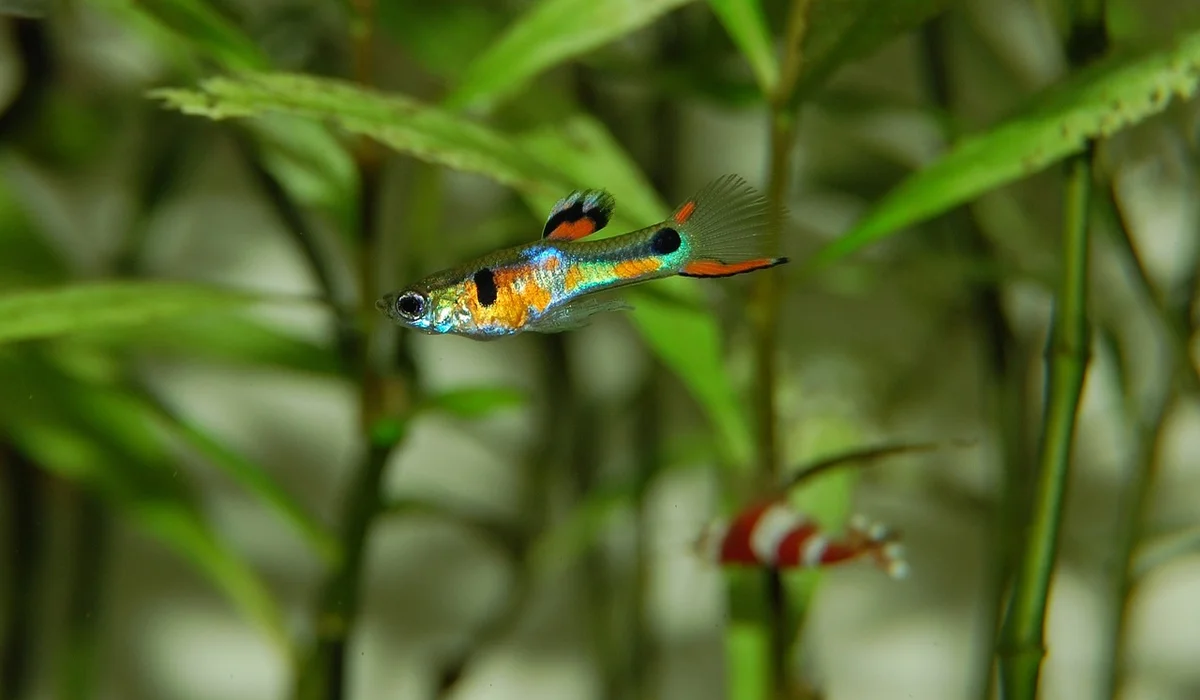
Choosing the right fish is your first step toward a successful batch of fry. You want robust, mature fish that showcase the best traits. Beyond genetics, the role of infusoria and green water as first foods is crucial for rearing healthy fry. A steady supply of these micro-foods supports vigorous growth and reduces early-life stress.
Identifying Healthy, Mature Fish
Look for females that are at least three months old; they should have larger, rounder bodies compared to males. A healthy female is active and has clear eyes. For males, you want one that is vibrant and constantly displaying to females. His fins should be intact and he should be very active. Avoid any fish that seem lethargic or have clamped fins, as these are signs of underlying health issues.
Acclimating to the Breeding Tank
Moving fish is stressful, so a gentle introduction is key. I always use the drip acclimation method for my breeders. Float the bag to equalize temperature, then use airline tubing with a knot to create a slow drip, taking about an hour to mix tank water into their bag water. This slow process dramatically reduces stress, giving your new pairs the best possible start in their new home. You can learn more about acclimating fish to new water parameters for a successful transition.
A Quick Note on Genetics
If you’re hoping for specific colors or fin shapes, understanding basic genetics helps. The most vibrant colors in guppies are often dominant traits. Breeding a brightly colored male with a plain female will usually produce more colorful offspring. For the most consistent results, many breeders start with a high-quality trio-one male and two females from the same lineage.
Recognizing Pregnancy and Birth
Watching a female livebearer progress through her pregnancy is one of the most rewarding parts of the hobby. You’ll start to see clear physical and behavioral signs.
Signs of Pregnancy
The most obvious indicator is the gravid spot-a dark area near the female’s vent that grows larger and darker as pregnancy advances. Her belly will become very large and, right before birth, take on a slightly square or boxy silhouette. You might also notice her seeking solitude or resting near the heater, which is completely normal behavior for a pregnant fish.
Preparing for the Big Day
As she nears birth, your main job is to provide a safe drop-off area for the fry. I densely plant one corner of my tank with Java Moss or use a floating breeder box. The goal is to give the fry immediate hiding places. Having plenty of fine-leaved plants like Guppy Grass is the single most effective way to ensure fry survival without constant intervention.
Handling Common Birth Scenarios
Sometimes a female will seem to pause during birth, especially if she feels stressed. If this happens, check your water parameters and ensure the tank is quiet. After birth, you might notice a few premature fry that don’t survive; this is common. If you see the mother chasing her newborns, it’s a clear sign she’s hungry, so a small, high-protein meal right after birth can curb those instincts.
Caring for Newborn Fry
-
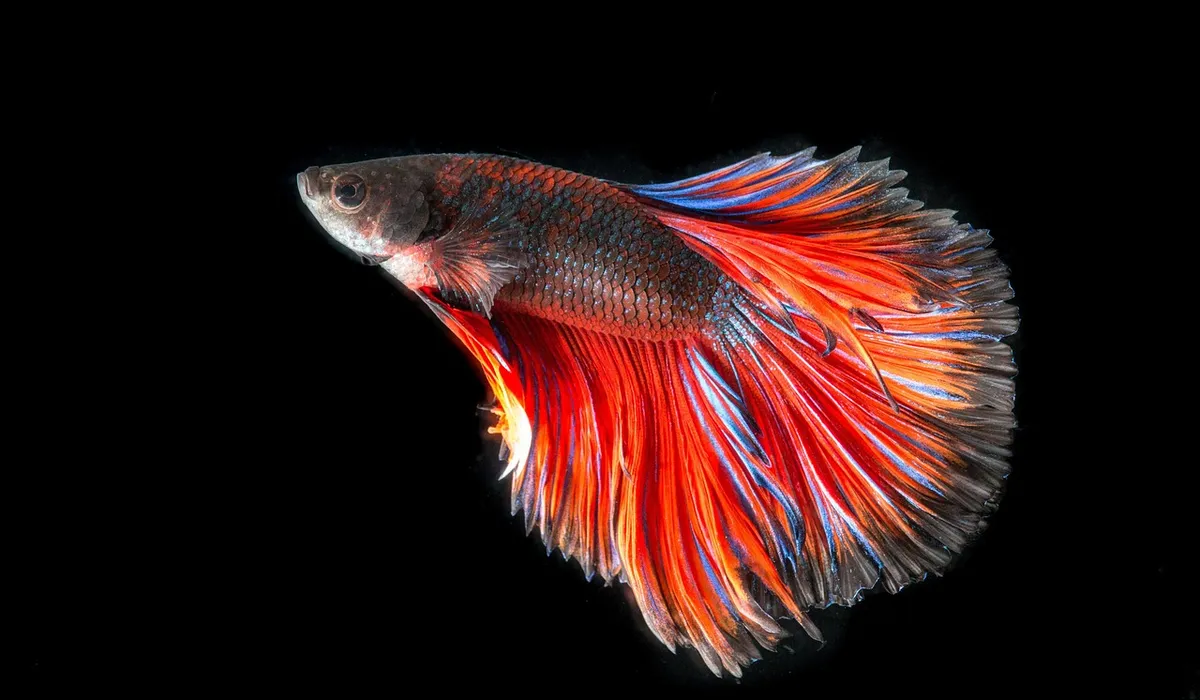
Move the fry to a separate tank or use a breeding box inside the main aquarium right after birth. I use a simple 5-gallon tank with a gentle sponge filter to avoid sucking up the tiny fry while keeping them safe from hungry adults. When bringing in new fish, set up a quarantine tank first. A basic quarantine setup helps catch problems early before mixing with the main tank.
-
Keep water temperature steady at 78-80°F and pH around 7.0-7.5 for guppies and mollies. Stable conditions prevent shock, so I test water daily and perform small, frequent water changes to maintain clarity and balance.
-
Add dense plants like java moss or floating vegetation to create hiding spots. This natural cover gives fry a refuge and mimics their wild habitat, boosting their survival rates significantly.
Feeding and Growing Your Fry
-
Offer nutrient-rich foods such as live baby brine shrimp, microworms, or powdered fry food. I hatch my own brine shrimp for a fresh supply that makes fry grow faster and colors more vibrant. This ties into our complete guide to feeding fry baby fish and their first foods. It covers starter foods and how to introduce them.
-
Feed tiny amounts 3-4 times a day to match their high metabolism. Overfeeding clouds water, so I watch for uneaten food and adjust portions to keep the tank pristine.
-
Check their size weekly; once fry reach about half an inch, slowly mix in crushed flakes or micro pellets. You’ll notice their bodies filling out and swimming confidently, signaling it’s time for adult-style meals.
Troubleshooting Common Breeding Issues
Even with the best setup, you’ll face some hurdles. The thrill of seeing a new batch of fry can quickly turn to worry if things go wrong. Most fry losses trace back to one primary villain: unstable water conditions. Let’s tackle the common problems so you can keep your nursery thriving.
Addressing Fry Mortality
Finding a few empty egg sacs or losing a batch of fry is a heart-sinking experience. The water in your tank is their entire world, and it must be pristine. Ammonia and nitrite are invisible killers for fry, who are far more sensitive than adult fish. I test my fry tank water every other day without fail.
- Perform small, frequent water changes. I do a 10-15% change every two to three days using a drip method or a very slow pour to avoid shocking the tiny fry.
- Never deep-clean the entire tank at once. You’ll wipe out the beneficial bacteria that process fish waste. Spot-clean uneaten food and waste instead.
- Ensure your filter intake is covered with a fine sponge pre-filter. Powerful filters can suck up weak fry in an instant.
Managing Aggression and Overpopulation
Your peaceful community can turn into a crowded metropolis faster than you think. I’ve had to get creative with tank space more than once. A single pregnant female can produce dozens of fry every month, so you need a plan for the population boom. Overcrowding stresses everyone and spikes ammonia levels.
- Set up a separate, permanent “grow-out” tank for juveniles. This relieves pressure on the main tank and lets you control their diet and environment.
- Use dense, live plants like Java moss or hornwort. They provide essential hiding spots that drastically increase fry survival rates from hungry adults.
- Rehome or trade excess fish with local fish stores or other aquarists. It’s a responsible way to manage your numbers and share the hobby.
Preventing Disease in Your Fish
A sick fish is a sad sight, and disease can wipe out an entire generation of fry. Prevention is always easier than treatment. The single best thing you can do to prevent disease is to quarantine all new plants and fish for at least two weeks before adding them to your main tank. I have a simple 5-gallon tank just for this purpose. Proper quarantine means more than just waiting. Observe new arrivals during the isolation period and use dedicated nets and equipment to prevent disease from spreading.
- Avoid overfeeding. Decaying food pollutes the water and encourages bacterial blooms. Fry should have full bellies, but the tank should be clean of leftovers within an hour.
- Maintain stable water temperature. Sudden swings weaken immune systems. A reliable heater is non-negotiable for tropical livebearers.
- Observe your fish daily. Catching a problem early, like a fish clamping its fins or rubbing on objects, gives you a huge advantage in treatment.
Common Questions
How soon can the fry start having babies of their own?
Guppy and molly fry can reach sexual maturity remarkably fast, often in as little as two to three months. This means the first batch of fry you raise could start producing the next generation before you know it. It is essential to separate males and females if you wish to control your tank’s population.
When is it safe to introduce my fry into the main community tank?
Fry should only be introduced to the main tank once they are too large to be eaten by the adult fish, which is typically when they are about one inch long. Before moving them, ensure they are actively swimming and robust enough to compete for food. A well-planted tank will always provide safer refuge for newly introduced juveniles.
Do I need to keep male and female fry separated permanently?
You do not need to separate them permanently unless you are actively trying to prevent breeding. If left together, they will continuously reproduce, leading to overpopulation. Many aquarists maintain single-sex tanks to enjoy the fish without the responsibility of constant new fry.
Can I breed guppies and mollies together in the same tank?
While you can keep them in the same tank, guppies and mollies will not cross-breed with each other as they are different species. However, housing them together can sometimes lead to competition or stress. It is often easier to manage their specific water parameter and dietary needs in separate, species-specific breeding setups.
Your Fry-Raising Adventure Awaits
Success with livebearers begins by giving fry their own safe space and feeding them nutrient-rich foods multiple times a day. From my own tanks, I’ve seen that pristine water quality is the single most important factor for raising a vibrant, healthy batch of fry.
Caring for these new lives is a rewarding responsibility that requires your ongoing attention and commitment. I encourage you to keep exploring the fascinating world of aquarium keeping, as there’s always something new to learn that will make you a better fish parent. Check out this Month-By-Month Aquarium Care Planner to help you maintain a healthy and thriving tank throughout the year.
Further Reading & Sources
- r/Aquariums on Reddit: Can Mollies and Guppies breed?
- Interesting offspring | emeraldking-aquatics
- Molly Guppy X Breeding | MonsterFishKeepers.com
- Are mollies as easy to breed as guppies? – Quora
- Guppy mating with molly?? | Tropical Fish Keeping
Lia is an expert in aquarium and pet fish care. Having worked in the marine industry and having cared for multiple pet fish, she has acquired first hand expertise on aquarium care, maintenance and setup. She always brings her practical expertise and science to help solve any aquarium related queries.
Breeding Techniques