
Liquid or Root Tabs? The Smart Way to Fertilize Your Aquarium Plants
Hello fellow fish keepers, are your aquarium plants looking a bit pale or growing slower than you hoped? Choosing the right fertilizer can feel overwhelming with so many options available.
This guide will walk you through the key aspects of plant nutrition, including:
- The core differences between liquid fertilizers and root tabs
- When to use each type for maximum growth
- Step-by-step application methods to avoid common mistakes
- My personal recommendations based on tank setup and plant types
I’ve spent years maintaining high-tech planted tanks and breeding fish, so I can share what truly works from hands-on experience.
What Essential Nutrients Do Your Aquarium Plants Need?
Think of plant nutrients like a balanced diet for your fish. Your plants need a full menu of elements to truly thrive, not just survive. I’ve seen so many tanks where the aquascaper is only focusing on one thing, like iron, and they can’t figure out why their plants are still struggling. It’s essential to ensure that they receive all the key nutrients they need.
Macronutrients: The Building Blocks for Growth
Macronutrients are the big three that plants consume in the largest quantities. You’ll often see them referred to as NPK in the gardening world.
- Nitrogen (N): This is the engine for leaf and stem development. A lack of nitrogen shows up as pale green or yellowing leaves, especially in the older ones. In a heavily stocked tank, your fish might provide some, but it’s often not enough for a lush planted aquarium.
- Phosphorus (P): Crucial for energy transfer and root development. A deficiency can cause dark green or purplish tints on older leaves. It’s a delicate balance, as too much can feed pesky algae.
- Potassium (K): This workhorse regulates internal processes and helps with enzyme activation. Look for tiny pinholes in older leaves or yellowing on the leaf edges as a telltale sign your plants need more potassium.
Your plants will show you exactly what they’re missing if you learn to read the signs on their leaves.
Micronutrients: Small but Mighty Helpers
These are the vitamins of the plant world. Plants only need trace amounts, but without them, everything falls apart.
- Iron (Fe): This is the superstar for that vibrant green and red coloration. New growth coming in pale or yellow while the veins stay green is a classic cry for more iron.
- Manganese (Mn): Works with iron for chlorophyll production. A deficiency looks similar to iron deficiency but shows up on younger leaves first.
- Boron (B) & Zinc (Zn): These are critical for cell development and sugar transport. Stunted or distorted new growth often points to a lack of these tiny helpers.
Neglecting micronutrients is like building a house without nails; the structure might be there, but it will never be truly strong or vibrant.
Liquid Fertilizer: Easy Nutrients for the Whole Tank
Liquid fertilizer is like a daily vitamin shake for your entire aquascape. You just add the recommended dose directly into the water column, and it’s immediately available to every stem, leaf, and root hair. I always keep a bottle on hand for my stem plants and floating plants that don’t have extensive root systems.
This method is incredibly convenient, especially if you have an inert substrate like sand or plain gravel that holds no nutrients. The main advantage of liquid fertilizer is its speed; plants can start absorbing those nutrients through their leaves within hours. The trade-off is that it can also be rapidly consumed by algae if you overdose or have inconsistent lighting.
How to Dose Liquid Fertilizer Correctly
Getting the dose right is the single most important part of using liquid fertilizers. Too little and your plants starve; too much and you’re on a fast track to an algae farm.
- Start with the Bottle’s Instructions: This is your baseline. Most reputable brands provide a dosage per gallon or liter of water.
- Adjust for Your Plant Mass: A tank packed with dense jungle val and rotala needs far more fertilizer than a sparsely planted betta tank. Reduce the dose by half if you have just a few beginner plants.
- Observe and Adapt: This is where the art meets the science. After a week, look at your plants. Are there signs of deficiency? Is algae starting to form on the glass? Adjust your dosage up or down accordingly.
- Consistency is Key: Dosing the same amount on a regular schedule (like after your weekly water change) is better than erratic, large doses. Your tank’s ecosystem thrives on stability.
I always recommend starting with a slightly lower dose than recommended and slowly working your way up, letting your plants guide you every step of the way.
Root Tabs: Targeted Food for Root-Loving Plants
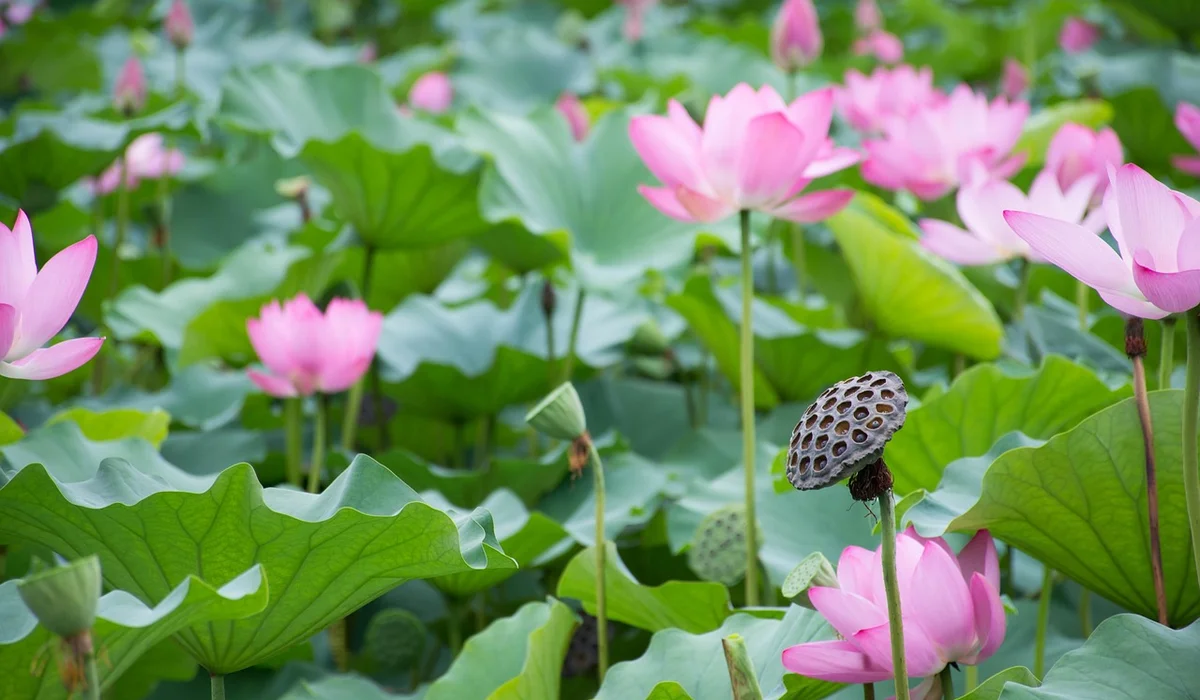
Think of root tabs as little nutrient-packed power bars you bury in the gravel specifically for your hungry root feeders. While liquid fertilizer disperses into the water column, root tabs deliver a concentrated feast directly to the root zone where plants like swords and crypts can absorb it most efficiently.
Placing a root tab is simple: just push it deep into the substrate near the base of a plant, and it will slowly release nutrients for one to three months. This method prevents nutrients from being wasted on algae and ensures your heavy feeders get the consistent meal they crave. Used properly, root tabs set the stage for growing and propagating aquarium plants successfully, especially when paired with good lighting and regular pruning.
When Root Tabs Shine Over Liquid Options
If your tank is home to species that are true root feeders, liquid fertilizer alone is like serving a stew to a guest with no spoon. They simply can’t access enough food from the water. Light and CO2 drive how plants access nutrients, especially for root feeders. In a balanced planted tank, proper lighting and CO2 work with substrate nutrients so roots can get what they need.
You should strongly consider root tabs if your aquascape includes:
- Amazon Swords, with their massive, sprawling root systems.
- Cryptocorynes, which often melt if their roots are starved.
- Bulb plants like Aponogeton or the striking Red Tiger Lotus.
- Any carpeting plant, such as Dwarf Hairgrass, that spreads through runners.
Root tabs are a non-negotiable for inert substrates like basic gravel or sand, which contain zero natural nutrients for your plants. They are also a game-changer in tanks with dense plantings where competition for food is fierce, ensuring your bottom-dwellers like Shadow the Corydoras have a lush jungle to explore.
How to Pick the Right Fertilizer for Your Tank
Choosing between liquid fertilizer and root tabs isn’t about which one is “better,” but about which tool solves the specific hunger problem in your aquarium. It’s like deciding between a sprinkler for your lawn and a soaker hose for your tomato plants.
The best approach is often a combination of both, creating a complete nutritional system that feeds your plants from all directions. This dual-method strategy covers all your bases and supports a more resilient, balanced ecosystem.
Matching Fertilizer to Your Aquarium Setup
Your plant selection and substrate type are the biggest factors in this decision. Ask yourself these questions to find your perfect match. This is the core of the choose best plants for your aquarium complete guide, where we walk you through picking species that fit your tank. We’ll also cover how to balance light, nutrients, and substrate to support them.
What kinds of plants do you have?
- Mostly stem plants and floaters (like Hornwort or Frogbit): Stick with a comprehensive liquid fertilizer. These plants absorb nutrients directly through their leaves and stems.
- Mostly root feeders (like Swords or Crypts): Root tabs are your primary tool. You can add a light liquid fertilizer for a small boost, but focus your energy underground.
- A diverse, heavily planted “jungle” tank: Use both. A regular dose of liquid fertilizer feeds the column feeders, while root tabs placed every few months support the heavy root feeders.
What is your substrate?
- Inert Sand or Gravel: This substrate is a nutritional desert. You will absolutely need root tabs to support any rooted plants, and liquid fertilizer for the rest.
- Planted Tank Substrate (like aquasoil): These substrates are packed with nutrients that last for a year or more. You can often start with just liquid fertilizers and only add root tabs later as the soil’s nutrients deplete.
I always keep both on hand. My community tank has aquasoil, but I still pop a root tab near my giant Amazon Sword every three months while dosing liquid fertilizer weekly. Observing your plant’s growth and leaf color is the ultimate guide-if new leaves are small or pale, they are telling you they’re hungry.
Creating a Simple Fertilization Schedule That Works
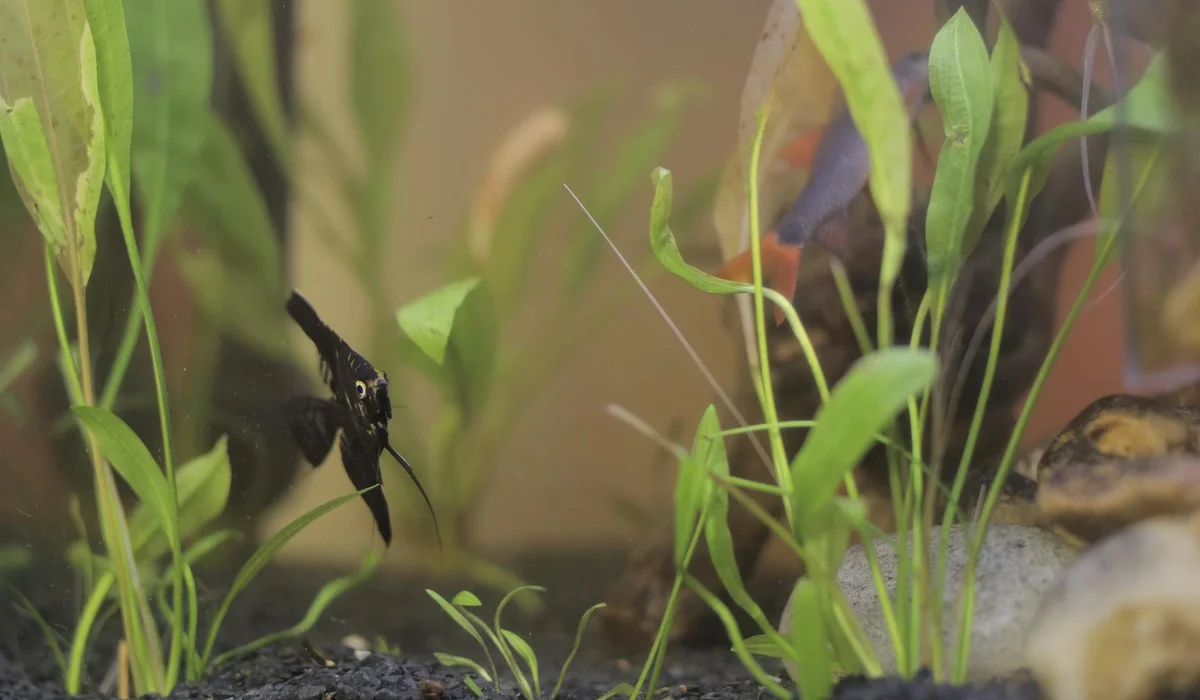
Consistency is the secret ingredient that turns a good planted tank into a great one. I treat my aquarium fertilization like a weekly ritual, right alongside my water changes.
Adjusting Doses for Plant Life Stages
Your plants’ nutritional needs change just like any other living thing. A young, growing plant has a different appetite than an established, mature one.
For new plants and fresh setups, I start with a lighter dose to let the plants settle in without shocking them with a nutrient overload. Think of it as serving small, frequent meals to a new pet.
Here is how I adjust my approach based on growth phases:
- Establishment Phase (First 4-6 weeks): Use half the recommended dose of liquid fertilizer. This encourages roots to spread and search for food in the substrate.
- Rapid Growth Phase: Once you see steady new leaves and stems, ramp up to the full recommended dose. Your plants are telling you they’re ready for a full diet.
- Mature/Maintenance Phase: For a full, lush tank, you might even experiment with slightly increased dosing, especially if you have high-light conditions. Watch carefully for any signs of algae, which means you’ve gone too far.
Root tab placement is also key. Push a new root tab into the substrate every 3 to 6 inches around the base of each heavy root-feeding plant, like Amazon Swords or Cryptocorynes. I do this every 3-4 months, marking it on my calendar so I don’t forget.
Avoiding Common Fertilizing Pitfalls
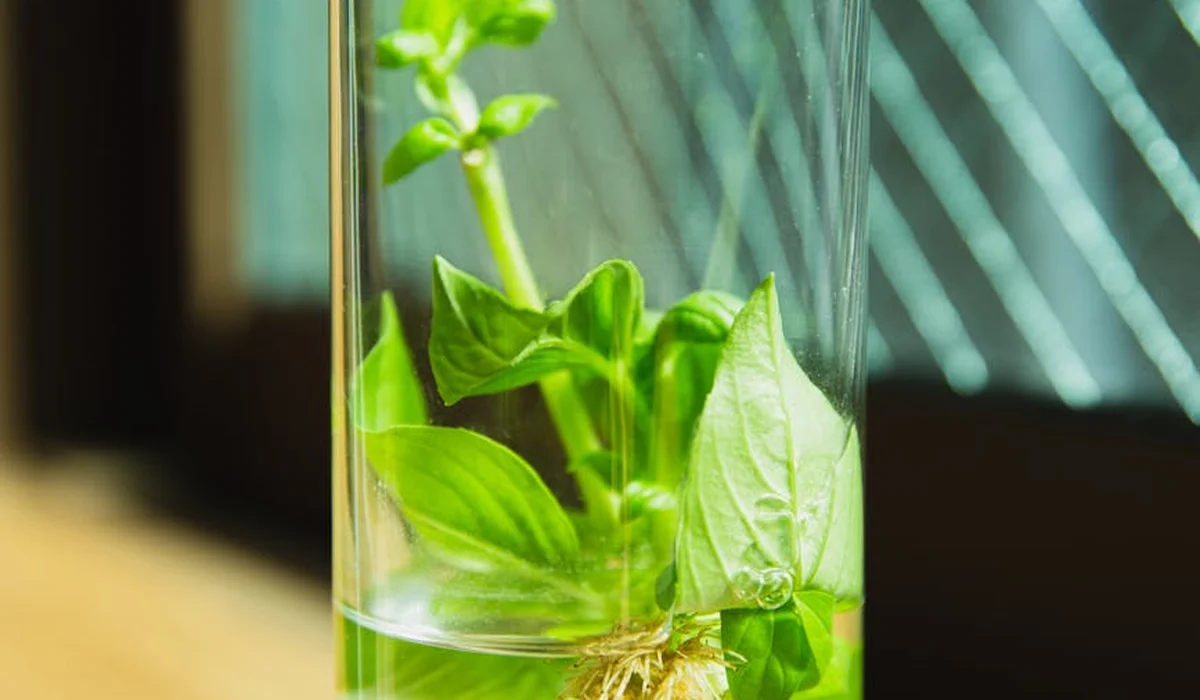
It’s easy to get excited and overdo it, but more fertilizer is not always the answer. The most common mistake I see is throwing nutrients at a problem without first identifying the cause.
Algae blooms are often a direct result of an imbalance between light, nutrients, and carbon dioxide, not just a fertilizer issue on its own. If green water or hair algae appears, review your entire tank balance before changing your fertilizer routine. In planted tanks, balanced nutrients prevent algae growth. Proper nutrient balance lets plants outcompete algae.
Spotting and Fixing Nutrient Deficiencies
Your plants will communicate their needs through their leaves. Learning this visual language is your superpower.
Look for these specific signs on your plants:
- Nitrogen (N) Deficiency: Older leaves turn pale green or yellow, starting from the tips and moving inward. The veins might stay green. Solution: Increase your liquid fertilizer dose slightly.
- Phosphorus (P) Deficiency: You’ll see dark green or purplish tints on older leaves, and growth may be stunted. Solution: A comprehensive liquid fertilizer or root tab will typically correct this.
- Potassium (K) Deficiency: Small pinholes appear in older leaves, often with yellow edges. Solution: This is common; a quality liquid fertilizer rich in potassium solves it.
- Iron (Fe) Deficiency: New growth comes in pale or yellow, but the veins remain sharply green. This is called chlorosis. Solution: Use an iron-specific supplement or a comprehensive fertilizer that lists chelated iron.
The fastest way to correct a severe deficiency is with a water column treatment, as liquid fertilizer is immediately available to the plant’s leaves. For long-term stability in a root-heavy tank, combine this with a fresh root tab placed near the affected plant’s base.
Always test your water parameters when troubleshooting. A simple pH or KH test can reveal if your water is too hard for certain nutrients to be absorbed, locking them out no matter how much you fertilize. GH and KH indicate your water hardness and buffering capacity. This is a complete guide to GH, KH, and water hardness for aquariums.
FAQs
How often should you fertilize aquarium plants?
For liquid fertilizers, a consistent weekly schedule is most effective, often done right after a water change. Root tabs are a longer-term solution and typically need to be replaced every three to four months. The ideal frequency ultimately depends on your plant mass, light intensity, and the specific fertilizers you are using.
Do aquarium plants need CO2 supplementation?
CO2 is not strictly necessary for all tanks, but it is a key component for robust, vibrant growth, especially in high-light setups. Plants in low-tech, low-light tanks can often survive on the minimal CO2 naturally present in the water. However, supplementing CO2 can significantly accelerate growth and help plants outcompete algae for resources.
How do you determine proper fertilizer dosage?
Always start with the manufacturer’s instructions as your baseline, but be prepared to adjust. You must observe your plants and tank for signs of deficiency (like pale leaves) or excess (like algae blooms) and adjust the dosage accordingly. It is generally safer to begin with a slightly lower dose and gradually increase it as needed based on your plants’ response.
Are there organic vs synthetic fertilizers for aquariums?
Yes, both types exist, but synthetic, mineral-based fertilizers are the most common and reliable for aquariums. Organic options, like those derived from manure or compost, are very rare in the hobby due to the high risk of fouling the water and harming fish. Most commercial aquarium fertilizers are carefully formulated synthetic blends that provide nutrients in a safe, readily available form for plants. In the high-tech vs low-tech planted aquarium debate, fertilization is a key difference. High-tech setups often use precise synthetic dosing, while low-tech rely on slower-release or natural nutrients.
Your Planted Tank Success
Select liquid fertilizers for plants that feed from the water column and root tabs for those with deep root systems to meet their specific nutritional needs. Consistently monitor your tank’s balance by observing plant health and testing water parameters, which helps you adjust your fertilization routine effectively. This ties into managing aquarium water parameters, a core part of a complete beginner’s guide. Regular tests of pH, GH, KH, nitrates, and phosphates help keep your aquarium balanced and guide your adjustments.
Commit to responsible pet ownership by always seeking new knowledge about aquarium care to ensure your fish and plants thrive together. In your first week, following a day-by-day survival guide helps you set up, cycle the tank, and monitor key parameters. A steady routine during those early days builds confidence and stability. Staying curious and adaptable in your approach will deepen your connection to this rewarding hobby and lead to a healthier aquatic environment.
Further Reading & Sources
- Easy Green All-in-One Fertilizer | Aquarium Plant Fertilizer – Aquarium Co-Op
- Fertilizer for Aquarium Plants – Green Leaf Aquariums | GLA
- What is a good safe plant fertilizer for freshwater aquarium?
- Amazon.com: Thrive Planted Aquarium Fertilizer -All in One Planted Tank Liquid Fertilizers – Micro & Macro Nutrient Rich Food for Aquatic Plants – Highly Concentrated for 2500 Gallons of Water – Handy Pump Bottle : Pet Supplies
- r/PlantedTank on Reddit: Tell me your favorite liquid fertilizers for low tech tanks. Pic is my 6gallon for the algorithm
Lia is an expert in aquarium and pet fish care. Having worked in the marine industry and having cared for multiple pet fish, she has acquired first hand expertise on aquarium care, maintenance and setup. She always brings her practical expertise and science to help solve any aquarium related queries.
Plant Care