
Indian Almond Leaves: Your Natural Guide to a Calmer, Healthier Aquarium
Hello fellow fish keepers! That urge to find a gentler, more natural way to care for your aquatic friends is why you’re here. Indian almond leaves are that simple secret for transforming tap water into a comforting, tea-colored haven.
This complete guide walks you through every step, from why they work to how to use them flawlessly. We’ll cover:
- How these leaves naturally lower pH and soften water
- The step-by-step process to prepare and add them safely
- Figuring out the perfect dosage for your specific tank size
- Smart sourcing tips and long-term storage tricks
- Direct answers to your biggest questions and concerns
I’ve relied on them for years in my own high-tech planted tanks while breeding sensitive fish, so you’re getting advice tested in real water.
What Are Indian Almond Leaves? The Aquarium Wonder Leaf
Picture a broad, leathery leaf that turns a rich, coppery brown as it dries. That’s your Indian Almond Leaf, often called a “catappa leaf,” from the Terminalia catappa tree. In my tanks, these leaves are not just decor; they’re a slow-release health booster that mimics the gentle, stained waters of a forest stream. When you drop one in, it sinks after a day or two and begins to work its magic.
I first used them years ago for my betta, Captain Fin, seeking to soothe his feisty spirit. The leaves release a subtle, earthy scent as they steep. You’ll see the water take on a warm, tea-like tint, which is a visual sign your aquarium is getting a dose of natural chemistry. This gentle infusion can help improve water quality by releasing tannins that support a stable environment for your fish. It’s a simple, affordable tool that bridges the gap between a sterile tank and a thriving ecosystem.
Why Add Them? The Science of Tannins and Humic Acids
Think of dropping an Indian Almond Leaf into your aquarium like brewing a giant cup of herbal tea for your fish. The brown “tea” color comes from tannins and humic acids leaching from the leaf. These organic compounds are the leaf’s powerhouse, creating a milder, more acidic environment that many fish instinctively crave. It’s not magic; it’s basic botany working for your underwater world. During water changes, sudden pH shifts can stress fish. The leaf’s tannins and humic acids can help soften and stabilize the water, reducing pH shock when you refresh the tank.
The science is straightforward but profound. As the leaf breaks down, it releases these acids which gently bind to minerals in the water. This process naturally softens your water and slightly lowers the pH, replicating the conditions of rivers and lakes shaded by dense foliage. For fish like Shadow, my Corydoras, this simulated blackwater environment makes him feel secure enough to venture out from his plants.
Primary Benefits for Fish Health
Let’s break down exactly how these leaves support your fish. The benefits are wide-ranging, from disease prevention to behavioral comfort. In our beginner’s guide, we’ll show practical steps for disease prevention and simple tank maintenance. You’ll learn how leaf care fits into daily tank upkeep.
- Natural Antibacterial & Antifungal Shield: Tannins have mild properties that can hinder the growth of common pathogens. I’ve noticed fewer fin-nipping issues in community tanks since I started using leaves regularly.
- Stress Reduction: The tinted water provides a sense of cover, dimming bright lights and making fish feel less exposed. My betta, Captain Fin, displays his vibrant colors more boldly when he’s relaxed in tannin-rich water.
- Spawning Trigger: For many species, the softened, acidic water is a direct cue to breed. It tells their bodies conditions are ideal for raising fry.
- Skin and Slime Coat Support: The acids may help promote a healthy, protective slime coat on fish, which is their first line of defense against scratches and parasites.
Consistency is key here; adding a leaf isn’t a one-time cure but part of a routine that builds long-term resilience in your fish.
Impact on Water Chemistry and Clarity
This is where beginners sometimes get nervous. Yes, the water will turn a light amber color. This tinted “blackwater” effect is a sign of health, not dirtiness-it’s like the difference between tap water and mineral water. True water clarity is about the absence of harmful waste, not the absence of color.
Chemically, the leaves work to stabilize your environment. They can gradually lower pH, which is great for soft water species but something to monitor if you keep fish that need higher pH, like Goldie the Oranda. Always test your water weekly when introducing leaves to see how your specific tank responds. pH is a foundational water parameter in any aquarium because many species are sensitive to pH shifts and it affects health and metabolism. Maintaining a stable, appropriate pH helps reduce stress and support thriving fish. The humic acids can also bind to microscopic particles, causing them to clump and be filtered out, which can actually improve mechanical clarity over time.
For bottom dwellers like corydoras, the leaf litter itself becomes a foraging ground. I often see Shadow sifting through the decomposing leaf matter, which hosts beneficial microfauna for him to snack on. Remember, a crystal-clear tank isn’t always the happiest tank; sometimes, a little amber glow means you’re doing things right.
Step-by-Step: Preparing and Adding Leaves to Your Tank
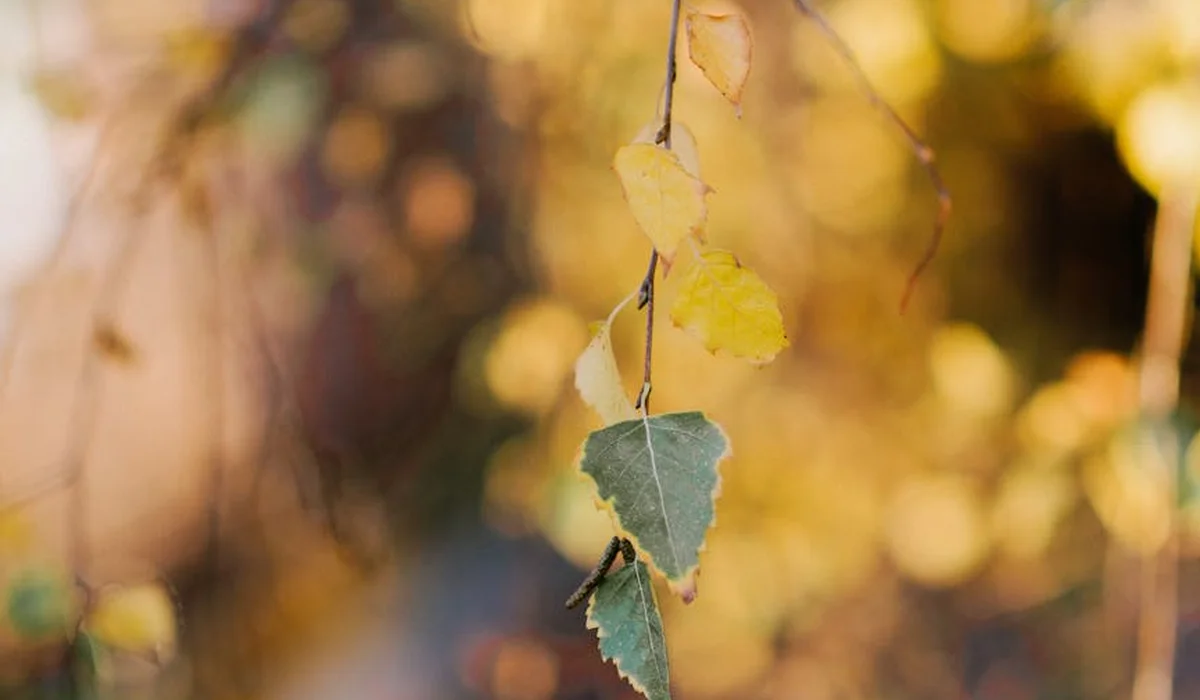
Getting those beautiful, curved leaves into your water is simple, but doing it right protects your fish and makes the benefits last. I always prep my Indian almond leaves before they touch the tank water to avoid introducing anything nasty from the drying process.
- Inspect and Rinse: Hold each leaf up to the light and look for holes or thick mold spots. Give them a quick, gentle rinse under cool tap water to wash away loose dirt.
- Soak or Boil Your Leaf: You have two great options here. For a slower tannin release, soak leaves in a container of dechlorinated water for 1-2 days until they sink. For a faster start and sterilization, boil them for 5-10 minutes; the water will turn a rich tea color.
- Place the Leaf in Your Aquarium: Once cooled if boiled, simply drop the leaf in. It will sink on its own or you can tuck it into a quiet corner. For a 10-gallon tank, I start with one medium leaf and watch the effect.
- Monitor and Maintain: Check your water’s pH and clarity over the next few days. The hum of the filter will help circulate the beneficial tannins. Replace each leaf every 2-4 weeks as it fully decomposes.
You’ll see the water gain a soothing, amber tint that mimics a slow-moving forest stream. This visual change is a sure sign the leaves are working, releasing compounds that gently acidify and soften the water.
Creating a Natural Habitat: Hides and Leaf Litter
Indian almond leaves do more than just tint the water; they transform the bottom of your tank into a functioning ecosystem. A layer of leaf litter creates essential hiding spots that reduce stress for shy fish, mimicking the dappled light and cover of their natural homes.
Think beyond the single leaf. In my larger tanks, I create a whole leaf litter bed by adding a few pre-soaked leaves at a time. This setup is perfect for fish like my corydoras, Shadow, who loves to forage and hide in the textured layers. The decaying leaves foster tiny infusoria, a natural first food for fry and shrimp.
- Natural Security: Curled leaves form instant caves for bettas or dwarf cichlids.
- Biological Boost: The slow decay feeds beneficial biofilm and microorganisms.
- Algae Reduction: The tannins can slightly limit light, helping to curb algae growth on your hardscape.
Pair the leaves with driftwood and live plants like Java fern for an authentic biotope look. In biotope aquarium design one, choose a specific habitat as your template. The key is building a complex environment where your fish can exhibit their full range of natural behaviors.
Special Care for Specific Tank Residents
Not all fish react the same way to tannin-rich water, so it’s wise to tailor your leaf use. In blackwater aquariums, tannins and humic substances help mimic natural river habitats. They color the water and can gently influence pH and microbial balance. Always research your fish’s native water parameters before turning your tank into a blackwater setup.
For my feisty betta, Captain Fin, a single leaf is his paradise. The released tannins seem to soothe his fins and encourage bubble nest building. South American fish like tetras or apistos thrive in this soft, acidic environment. To guide future introductions, consult the best tank mates betta fish safe compatibility list.
But for Goldie, my oranda goldfish, I avoid Indian almond leaves. Goldfish prefer harder, more alkaline water, and the pH drop from tannins can cause them stress. I reserve leaves for my tropical softwater tanks and keep Goldie’s environment stable and different.
Bottom dwellers like Shadow absolutely shine with leaf litter. It gives them a soft substrate to sift through and dark places to retreat. For a community tank, observe all your fish; if you see brighter colors and active foraging, you’ve nailed the balance.
Ongoing Maintenance and Decomposition
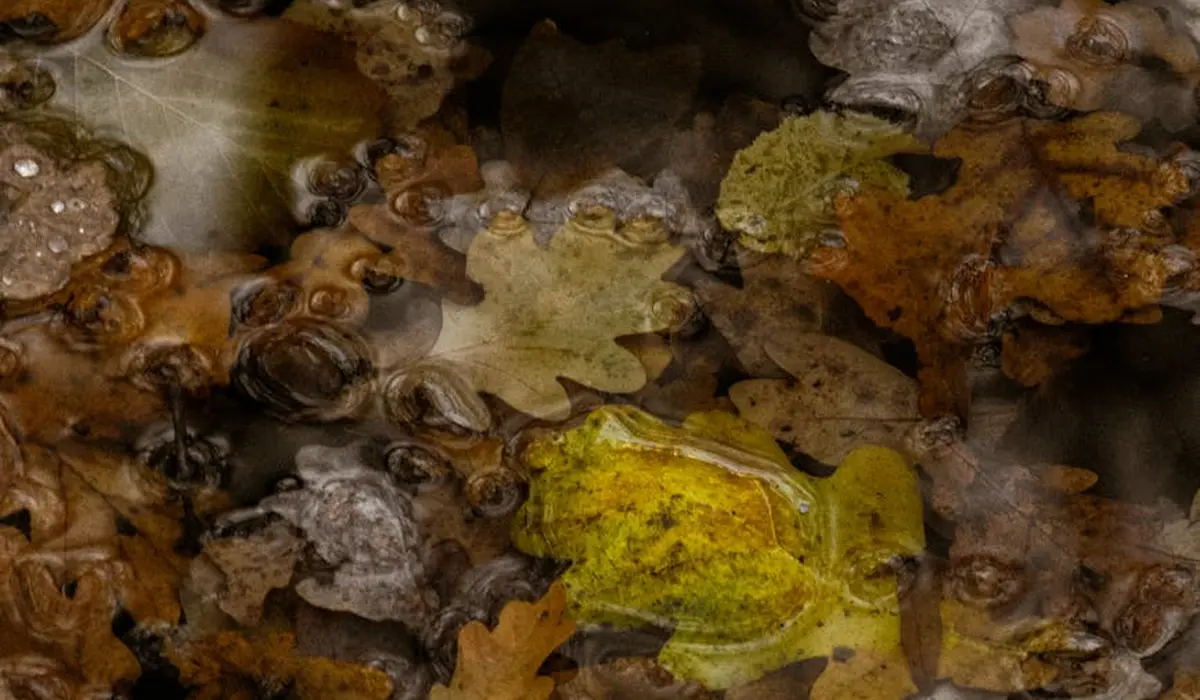
Once those beautiful leaves settle on your tank floor, their work is just beginning. You’ll notice them slowly softening and breaking down over weeks. This gradual decomposition is the magic, as it steadily releases those beneficial tannins and humic substances into the water column.
During this phase, keep an eye on your filter intake. As leaves soften, tiny pieces can break off. I often slip a pre-filter sponge over my filter intake to catch any debris and prevent clogging. It’s a simple five-second hack that saves you a cleaning headache later.
Your regular water change routine doesn’t stop. Continue with your weekly partial changes, siphoning water from around the leaves if you wish to preserve the tint. If the water becomes too dark for your liking, simply increase the frequency or volume of your water changes to dial back the tea-colored effect.
You have a couple of choices when a leaf looks fully spent and translucent. You can remove it and replace it with a fresh one to maintain the tannin level. Or, you can leave it. In my shrimp and betta tanks, I let them fully decompose as the biofilm-coated leaf litter becomes a fantastic secondary food source for tiny scavengers.
Managing Tannin Levels
Controlling the color of your water is straightforward. Think of it like brewing tea.
- For a light, subtle tint: Use 1 small leaf per 10 gallons, and replace it monthly.
- For a medium, classic blackwater tint: Use 1-2 leaves per 10 gallons and replace as they fully decompose.
- For a very dark, intense tint: Use multiple leaves and leave all decomposing material in the tank, only removing what your filter catches.
Remember, activated carbon or chemical filtration resins in your filter will strip tannins (and medications) from the water. If you want to maintain the benefits and the tint, remove chemical filtration media from your filter while using leaves.
Considerations and Common Questions
Even natural products require a bit of forethought. Let’s tackle some frequent queries I get from fellow aquarists.
Will Indian Almond Leaves Lower My pH?
They can, but it’s usually a gentle and stabilizing effect. The tannins released are mildly acidic. In soft, low-mineral (low KH) water, you may see a more noticeable pH drop. In harder water, the buffering capacity often resists major changes, but you still get the antifungal and stress-reduction perks. Always test your pH regularly when first using leaves to understand how your specific water reacts.
Are They Safe for All Fish?
Most fish from forest stream or blackwater environments thrive with leaves. This includes bettas, dwarf cichlids (like Apistogramma), tetras, rasboras, and gouramis. I avoid them in tanks dedicated to fish from hard, alkaline waters like African cichlids or livebearers such as mollies, who won’t appreciate the pH shift. For readers planning a peaceful goldfish setup, a complete guide on compatible tank mates can help you choose species that tolerate similar water conditions and temperament. It’s all about matching water needs and personality to keep a community tank harmonious.
How Do I Choose and Store Leaves?
Look for whole, dry leaves that are brown, not moldy or green. Store them in a dry, sealed container out of sunlight. A simple large zip-top bag in a cupboard works perfectly for years. Properly stored, they have a remarkably long shelf life.
Can I Use Them with Medications?
Be cautious. The leaves have mild antibacterial and antifungal properties. While they are fantastic for prevention and mild cases of fin rot, for serious infections, it’s best to remove leaves and treat with a full-course medication in clean, controlled water. Think of leaves as daily wellness supplements, not emergency medicine.
Do They Make the Tank Dirty?
A decomposing leaf isn’t “dirt”; it’s a biological process. They shouldn’t cause ammonia spikes if your tank is cycled. Any particulate debris is easily handled by your filter or regular gravel vacuuming. The visual of brown leaves is an aesthetic choice-one that creates a stunning, natural biotope look.
Common Questions
What are the specific benefits of Indian almond leaves for betta fish?
Indian almond leaves are ideal for bettas, as they replicate the tannin-rich, soft waters of their natural habitat, reducing stress and enhancing vibrant coloration. The mild antibacterial properties help prevent fin rot and infections, while the leaf litter provides shelter, encouraging bubble nest building and natural exploration. This simple addition can lead to a calmer, healthier betta with improved overall well-being.
How do Indian almond leaves benefit shrimp in an aquarium?
For shrimp like cherry or neocaridina, Indian almond leaves decompose to produce biofilm and microfauna, serving as a valuable secondary food source. The tannins soften water and slightly lower pH, creating optimal conditions for molting and breeding. Additionally, the leaves offer hiding spots, reducing stress and increasing survival rates in community tanks.
Where can I find Indian almond leaves for sale near me?
You can purchase Indian almond leaves locally at aquarium specialty stores, pet shops with fish sections, or through online marketplaces like Amazon and aquatic retailers. For immediate availability, check social media groups or forums for hobbyist recommendations in your area. Always verify that leaves are organic and pesticide-free to ensure aquarium safety.
What are the key benefits of using Indian almond leaves in an aquarium?
Indian almond leaves naturally condition water by releasing tannins that lower pH and soften it, benefiting species like tetras and dwarf cichlids. They offer antibacterial and antifungal properties, which can reduce disease outbreaks and support fish slime coats. The resulting tinted water mimics natural environments, lowering stress and promoting behaviors like spawning and foraging.
Embracing Natural Solutions for a Thriving Tank
Start your journey with just a single, properly prepared leaf, closely watching your fish and water chemistry to find the perfect, gentle balance for your unique aquarium. This simple botanical can help craft a tannin-rich environment that supports fish health, reduces stress, and adds a beautiful, natural dimension to your underwater world. The true magic lies in observing how your specific community responds and adjusting your approach to meet their needs. Additionally, many hobbyists explore live aquatic plants, which bring key benefits to your aquarium. They oxygenate the water, absorb nitrates, and create natural habitats that support a balanced ecosystem.
Every addition to your tank, from a leaf to a new fish, is a commitment to understanding and providing the best possible care through ongoing observation and learning. Your dedication to creating a stable, natural ecosystem is what ultimately builds a resilient and captivating underwater home. Part of that skill is reading the signs of a healthy versus unhealthy tank. Small clues—behavior, color, water clarity, and parameter stability—tell you which path you’re on. A happy, healthy aquarium is a living testament to a keeper’s patience, knowledge, and commitment to the well-being of their aquatic pets.
Further Reading & Sources
- Are Indian Almond Leaves Good for Aquarium Fish and How Are They Used? – Aquarium Co-Op
- Indian Almond Leaves Shrimp betta catappa leaf for fish …
- XL Catappa Leaves / Indian Almond Leaves | Windy City Aquariums
- How do I use an Indian almond leaf? : r/Aquariums
- Indian Almond Leaves and Catappa Leaves | Betta Botanicals – Betta Botanicals | Natural Aquarium Products
Lia is an expert in aquarium and pet fish care. Having worked in the marine industry and having cared for multiple pet fish, she has acquired first hand expertise on aquarium care, maintenance and setup. She always brings her practical expertise and science to help solve any aquarium related queries.
Health & Disease