
The Murky Magic: Why Your Fish Thrive in Tannin-Stained Water
Published on: February 25, 2026 | Last Updated: February 25, 2026
Written By: Lia Annick
Hello fellow aquarists. If you’ve ever looked at a picture of a blackwater aquarium and wondered why anyone would want tea-colored water, you’re not alone. That initial murky appearance hides one of the most beneficial environments you can create for many sensitive fish.
This guide will walk you through everything, from the science to the setup. We will cover:
- The surprising health benefits of tannins and humic acids for fish immunity and stress reduction.
- How to easily create and maintain a stable blackwater ecosystem in your own tank.
- My top sources for botanicals and how to use them safely without causing chaos.
I’ve been successfully breeding delicate species like wild-caught bettas in these soft, acidic conditions for years.
Understanding Tannins and Humic Substances
Think of tannins as a gentle, natural tea for your aquarium. They are organic compounds that leach from botanicals into the water, creating the classic blackwater tint. Humic substances are the broader family of these compounds, with humic and fulvic acids being the main players that influence your tank’s environment.
In nature, these substances come from decomposing plant matter. The most common sources in our aquariums are driftwood, leaf litter like catappa or oak leaves, and seed pods like alder cones. I always keep a bag of catappa leaves on hand; they are my go-to for a consistent, slow release of beneficial tannins, which, unlike algae in aquariums, provide a more natural and controlled environment.
Here are common items that will release tannins into your water:
- Mopani Wood and Malaysian Driftwood
- Catappa (Indian Almond) Leaves
- Alder Cones
- Oak Leaves
- Botanicals like Guava Leaves or Banana Stems
How Tannins Affect Water Chemistry in Your Aquarium
pH Buffering and Softening Effects
Tannins act as a natural pH buffer by releasing weak acids into the water. This process lowers the pH and can reduce carbonate hardness (KH), effectively softening your water. In a well-established blackwater setup, you can achieve and maintain a stable, slightly acidic pH, typically in the range of 5.0 to 6.5, which is perfect for many soft water fish species.
The key to success with this method is stability, not chasing a perfect number, as fish adapt better to a consistent environment than a fluctuating one.
When your water is tinted with tannins, testing parameters requires a slight adjustment:
- Use a liquid test kit for the most accurate pH and KH readings, as the water color can confuse strip tests.
- Test your water at the same time each week, preferably before a water change, to track trends.
- Monitor your fish’s behavior closely; they will tell you if the water chemistry is comfortable.
Interactions with Filtration and Clarity
Tannins are dissolved organic compounds, not particles, so they will not be removed by mechanical filtration alone. They are the reason your crystal-clear water develops a beautiful amber glow, similar to a weak tea. This browning is completely normal and is a sign of a functioning blackwater ecosystem.
If you wish to remove the tint, chemical filtration is your best tool, with activated carbon or purigen being highly effective at pulling the dissolved tannins from the water column.
To manage the dissolved organic matter from a heavy tannin load, ensure your biological filtration is robust. A tip from my own tanks is to use a pre-filter sponge on your intake. It catches fine debris before it can decompose and contributes to the organic load, making your main filter’s job much easier.
Benefits of Tannins for Fish Health and Aquarium Ecology

Boosting Fish Coloration and Reducing Stress
You’ll notice fish like my Betta, Captain Fin, display a deeper, more vibrant shimmer of scales under the soft, amber glow of tannin-stained water. Tannins act like a natural color enhancer, allowing the reds and blues in your fish to pop with an intensity you rarely see in crystal-clear tap water. This tinted environment also mimics their native habitats, providing a protective cover that makes fish feel secure and significantly reduces their stress levels. These are among the most common signs of stress in aquarium fish—clamped fins, gasping at the surface, or a sudden change in appetite. Spotting them early lets you adjust water quality, lighting, and stocking to keep the tank calm and healthy.
- South American Tetras: Neon tetras, cardinal tetras, and rummynose tetras show intensified red and blue hues.
- Asian Bettas: Their long, flowing fins and brilliant colors become more pronounced.
- Dwarf Cichlids: Apistogramma and Rams exhibit less aggression and brighter yellow and blue markings.
- Rasboras: Species like the harlequin rasbora and chili rasbora thrive in the acidic, soft water.
Supporting Beneficial Microbes and Invertebrates
The hum of your filter isn’t the only thing working to keep your tank healthy. Humic substances serve as a fantastic food source for the biofilm that beneficial microbes and tiny infusoria graze on, creating a richer micro-ecosystem. This directly supports the health of your tank’s cleanup crew, making a blackwater setup surprisingly compatible with many popular invertebrates. To prevent biofilm from coming back, keep nutrients in check with mindful feeding and regular water changes. Steady parameters and routine maintenance will curb regrowth while preserving the benefits of a rich micro-ecosystem.
- Shrimp such as Crystal Red Shrimp and Caridina species breed more successfully in the stable, acidic conditions humic substances help create.
- Snails like Nerites and Mystery Snails benefit from the increased microbial diversity on surfaces.
- Tannins perform a process called chelation, where they bind to heavy metals and other trace elements, making them less toxic and more bioavailable for plants and animals to safely use.
Adding Tannins to Your Tank: Natural Sources and Methods
Using Driftwood and Leaf Litter
Creating a natural blackwater aquarium starts with the foundational elements of driftwood and leaf litter. Properly preparing these materials is the key to controlling the tannin release and avoiding a sudden, overwhelming burst of color. I always give my new botanicals a good soak before they go in the tank. Also, when you prepare clean driftwood for your aquarium, scrub it well and boil it to remove impurities. This extra prep helps keep tannin release steady and predictable.
- Scrub the driftwood with a clean brush under hot water to remove loose debris.
- Submerge the wood in a separate container of water, changing the water daily until it remains mostly clear. This can take a few days to several weeks.
- For leaves, a quick rinse and a 5-10 minute soak in hot water is usually sufficient to clean them and help them sink.
- Place the prepared materials in your aquarium. You can boil wood to speed up waterlogging and leach more tannins upfront.
- Catappa (Indian Almond) Leaves: The most popular choice; they release tannins steadily and have mild antifungal properties.
- Alder Cones: Provide a strong, quick release of tannins and lower pH effectively.
- Guava Leaves: A softer alternative that tints the water a lighter amber color.
- Mopani Wood: Famous for its two-tone look and very long-lasting tannin release.
DIY Blackwater Extracts and Commercial Products
If you want the benefits without the visible debris, creating a blackwater extract, or “tea,” is a fantastic DIY solution. Brewing your own blackwater tea gives you complete control over the strength and allows you to add tannins during water changes without altering your aquascape. Always start with a small dose and observe your tank’s reaction.
- Gather a handful of clean, dried botanicals like catappa leaves or alder cones.
- Place them in a heat-safe pitcher or jar.
- Pour boiling water over them, enough to fully submerge the materials.
- Let the mixture steep until the water cools to room temperature, creating a concentrated tea.
- Strain the liquid to remove solid particles.
- Add the tea to your aquarium slowly. A good starting ratio is one cup of tea per 10 gallons of tank water.
- Peat Moss: Placing a small amount in a filter media bag can softly acidify water and release tannins, but monitor your pH closely as it can be potent.
- Commercial Liquid Extracts: Products like botanically-derived blackwater conditioners offer a convenient, predictable, and debris-free alternative.
Setting Up a Blackwater Biotope for Compatible Aquatic Life
Ideal Fish and Invertebrates for Tannin-Rich Tanks
-
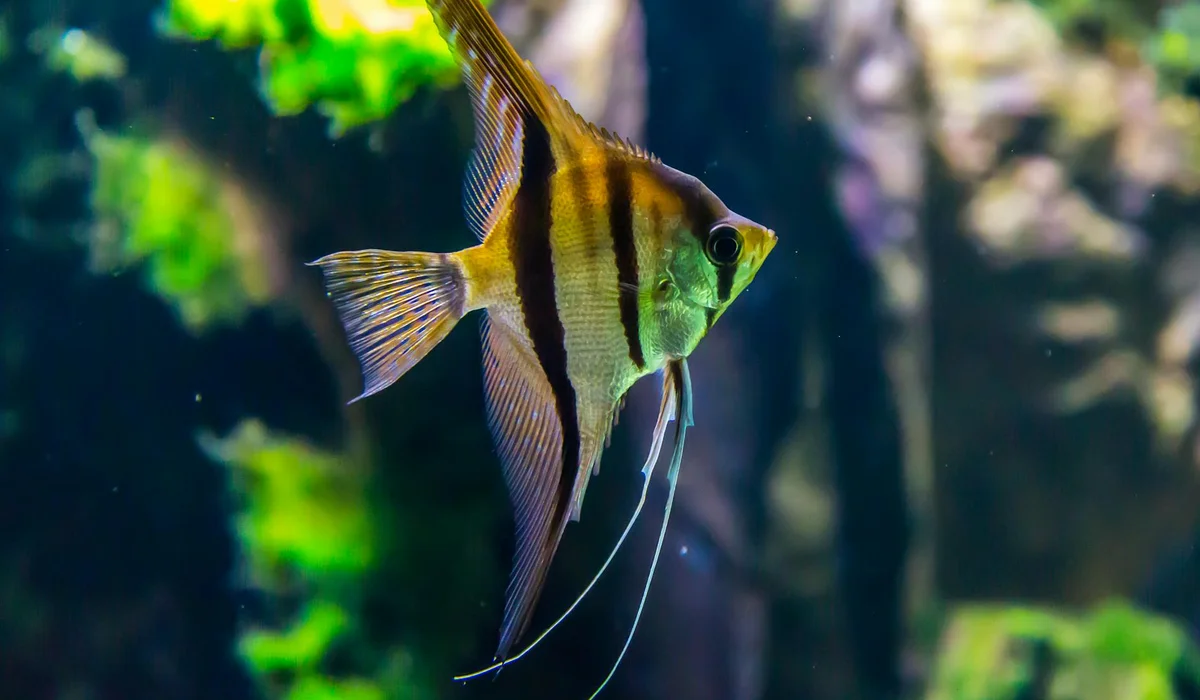
Many fish and invertebrates flourish in blackwater conditions, where soft, acidic water mimics their native streams and rivers.
Here’s a list of species that do well, along with their preferred parameters:
- Betta splendens (like Captain Fin): pH 6.0-7.5, temperature 75-80°F. Their iridescent scales shimmer beautifully in tannin-stained water.
- Neon Tetra: pH 5.0-7.0, temperature 70-81°F. These small, schooling fish display intense colors under low light.
- Discus: pH 5.5-7.0, temperature 82-86°F. They thrive in warm, soft water and often spawn more readily with tannins present.
- Corydoras catfish (like Shadow): pH 6.0-7.5, temperature 72-78°F. They love sifting through leaf litter for food.
- Cherry Shrimp: pH 6.0-7.5, temperature 68-78°F. They adapt well to acidic conditions and help clean up debris.
Choosing fish that match your tank’s water chemistry prevents stress and supports vibrant health.
-
Tannins recreate the natural environments where these species evolved, influencing breeding and daily habits.
The hum of the filter combined with tinted water can reduce aggression in territorial fish like Bettas.
I’ve noticed my Corydoras become more active and social when I add almond leaves, as if they’re exploring a familiar forest floor.
In my experience, blackwater conditions encourage shy fish to venture out and display natural behaviors you might not see in clear water.
Plant Selection and Aquascaping Tips
-
Not all plants handle low pH and soft water, but several hardy options thrive without intense lighting.
Stick with these low-light varieties for a lush, manageable aquascape:
- Java Fern: Attach it to driftwood or rocks; it grows slowly and tolerates acidic conditions.
- Anubias: This plant is nearly indestructible and does well in soft, tannin-rich water.
- Cryptocoryne: Prefers stable, slightly acidic environments and comes in many leaf shapes.
- Bucephalandra: A slow-grower that adds texture and color to shaded areas.
These plants require minimal upkeep and help maintain water clarity by absorbing excess nutrients.
-
Design your aquascape to highlight the natural beauty of tannins and leaf litter.
Use twisted driftwood as a centerpiece-it releases tannins slowly and creates hiding spots.
Layer dried Indian almond, oak, or cattapa leaves on the substrate for a realistic look.
I often scatter a mix of leaf sizes to mimic a riverbed, which encourages fish like Goldie to forage and explore.
Arranging wood and leaves in tiers not only looks stunning but also provides microhabitats for invertebrates and bottom-dwellers.
Troubleshooting Common Blackwater Aquarium Issues

Managing Excessive Tannins and Water Discoloration
-
If your water becomes too dark, a few simple steps can lighten it without harming the ecosystem.
Follow this sequence to control browning:
- Perform partial water changes weekly, replacing 20-30% of the tank water to dilute tannins.
- Add activated carbon to your filter; it adsorbs dissolved organics and clears the water within days.
- Pre-soak new driftwood or leaves in a bucket for several days before introducing them to the tank.
Regular maintenance keeps the water tinted just enough to benefit fish without obscuring your view.
-
Water that looks like weak tea is ideal, but if it turns opaque, it might worry you.
Dark water isn’t harmful-it can actually reduce algae growth and shield fish from bright light stress.
However, if plants struggle due to low light, consider using floating plants or LED lights with adjustable intensity. Different aquarium plants require varying amounts of light, from low to high, so it’s helpful to tailor lighting to each species. Some plants thrive with bright light, while others do better with moderate or low light.
In my tanks, I aim for a balance where the water has a gentle amber glow but still allows me to enjoy the shimmer of scales from across the room.
Balancing pH and Avoiding Sudden Shifts
-
Blackwater aquariums often have low pH, but stability is key to preventing crashes that stress aquatic life.
Monitor your KH (carbonate hardness) with a test kit; it acts as a buffer against pH swings.
Aim for a KH of 2-4 dKH to maintain a steady acidic environment without risking sudden drops.
Testing KH weekly helps you catch changes early and avoid shocking your fish with rapid chemistry shifts.
-
When adjusting pH, always make gradual changes over several days.
To raise pH slowly, add a small bag of crushed coral to your filter or mix in diluted baking soda during water changes. Baking soda not only raises pH but also KH (carbonate hardness), which helps buffer against sudden pH changes. This buffering effect makes baking soda a common choice for maintaining stable pH and KH in freshwater tanks.
I’ve found that drip-acclimating new water over hours prevents stress—fish like Captain Fin stay feisty and responsive.
Patience with water adjustments ensures your aquarium remains a healthy, thriving ecosystem for years to come.
FAQs
How long does it take for tannins to start affecting water chemistry after adding botanicals?
Tannins begin leaching into the water almost immediately upon contact, but noticeable changes in pH and discoloration can take from a few hours to several days. The speed depends on the botanical type and preparation, such as whether it was pre-soaked or boiled. For instance, alder cones release tannins rapidly, while dense driftwood may take weeks to fully saturate the water.
Can I use rainwater to enhance blackwater conditions?
Yes, rainwater is naturally soft and acidic, making it ideal for replicating blackwater environments. Always collect rainwater from a clean source and filter it to remove potential contaminants like pollutants or debris. Combining rainwater with botanicals can help maintain stable, soft water conditions without the need for chemical adjustments.
Do tannins interfere with water test kit accuracy?
Tannins can tint the water, which may affect color-based test strips, leading to inaccurate readings. For reliable results, use liquid test kits that are designed to minimize color interference. Regularly calibrate your testing routine and observe fish behavior as additional indicators of water quality. Additionally, routinely monitor the essential water-quality parameters—pH, ammonia, nitrite, nitrate, alkalinity, and temperature. This broader monitoring provides a complete picture of tank health beyond color readings.
What is the best way to store leftover botanicals for future use?
Store dried botanicals in a cool, dry place inside an airtight container to prevent moisture absorption and mold growth. Avoid exposure to direct sunlight to maintain their potency and effectiveness. Properly stored botanicals can last for many months, ensuring a steady supply for maintaining tannin levels in your aquarium.
Embrace the Tinted Waters
Focus on providing natural sources of tannins, like Indian Almond Leaves, to gently lower pH and offer protective, anti-fungal benefits for your fish. In our complete Guide to Indian Almond Leaves for your aquarium, we break down how to select, prepare, and monitor these leaves for steady blackwater conditions. Recreating a soft, acidic blackwater environment is less about chasing perfect numbers and more about fostering a stable, natural ecosystem.
Your journey as an aquarist is a continuous learning process, and observing how your fish thrive in a blackwater setup is one of its most rewarding chapters. Committing to understanding these natural processes is a fundamental part of being a responsible and successful fish keeper. In the ultimate guide to aquarium territorial behavior, you’ll learn how space, hierarchy, and species interactions shape how fish claim, defend, and share your tanks. This knowledge helps you design calmer, healthier blackwater communities.
Further Reading & Sources
- r/Aquariums on Reddit: Can tannins hurt fish?
- What is the benefit or detriment of tannin in a freshwater personal aquarium? – Quora
- Other than color, are Tannins harmful | The Planted Tank Forum
- Causes and Fixes for Yellow or Brown Aquarium Water
- Keeping your tank in the dark…literally! – Tannin Aquatics
Lia is an expert in aquarium and pet fish care. Having worked in the marine industry and having cared for multiple pet fish, she has acquired first hand expertise on aquarium care, maintenance and setup. She always brings her practical expertise and science to help solve any aquarium related queries.
Water Quality