
The 7 Essential Nutrients Your Aquarium Plants Crave (And How to Provide Them)
Hello fellow fish keepers. You’ve seen it before: a beautiful plant starts to yellow, its growth slows to a crawl, or mysterious holes appear in its leaves. Your water tests are perfect, so what’s going on?
This guide will walk you through the building blocks of lush, vibrant plant growth. We’ll cover:
- The big three macronutrients (NPK) and their specific roles
- The vital micronutrients your plants can’t live without
- The surprising role of CO2 as a fundamental nutrient
- How your substrate acts as a nutrient powerhouse
I’ve balanced these nutrients for years in my own high-tech planted tanks to breed fish and cultivate thriving aquatic jungles.
- ✓
- ✓
- ✓
- ✓
- ✓
- ✓

The Building Blocks of Lush Aquarium Plants
Think of your plants like tiny, green factories. They need raw materials to build new leaves and stems. Getting the nutrient balance right is what separates a struggling plant from a vibrant, oxygenating jungle that your fish will love. Are live plants the key benefits of live plants in your aquarium? They boost oxygen levels, improve water quality, and provide natural habitat for fish and invertebrates. This all starts with the big three.
Macronutrients: The Heavy Lifters for Growth
Macronutrients are the elements your plants consume in the largest quantities. They form the very structure of the plant. If any of these are missing, growth grinds to a halt.
Nitrogen (N)
Nitrogen is the engine of leafy, green growth. It’s a core component of chlorophyll and proteins. When nitrogen is scarce, your plants literally can’t make the green pigment that powers their growth. You’ll see it first in the oldest leaves.
- Signs of Deficiency: Older leaves turn pale green, then yellow (chlorosis), and may eventually wither. New growth may be stunted.
- How to Supplement: This is where your fish help out! Fish waste (ammonia) is a primary nitrogen source. You can also use liquid fertilizers like ammonium, nitrate, or urea-based products. I prefer nitrate-based liquids for a more stable, slower release.
Phosphorus (P)
Phosphorus is the power grid of your plant. It’s vital for energy transfer, root development, and flower production. Healthy roots are the foundation of a healthy plant, and phosphorus makes that happen.
- Signs of Deficiency: Darker than normal or purplish tones on older leaves. You might also see stunted root systems.
- How to Supplement: Root tabs placed deep in the substrate are fantastic for heavy root feeders like swords and crypts. Many comprehensive liquid fertilizers also contain phosphorus.
Potassium (K)
Potassium is the plant’s internal regulator. It activates enzymes, helps with water uptake, and is crucial for moving sugars around. Think of potassium as the plant’s circulatory system, ensuring all parts get what they need.
- Signs of Deficiency: Small pinholes in older leaves, often with yellow edges. The leaves might look like they’ve been shot with tiny buckshot.
- How to Supplement: Potassium is rarely present in sufficient amounts from fish waste. A good liquid fertilizer or specialized potassium solution is almost always necessary. I dose a potassium-only supplement weekly in my own tanks.
Micronutrients: The Secret Helpers
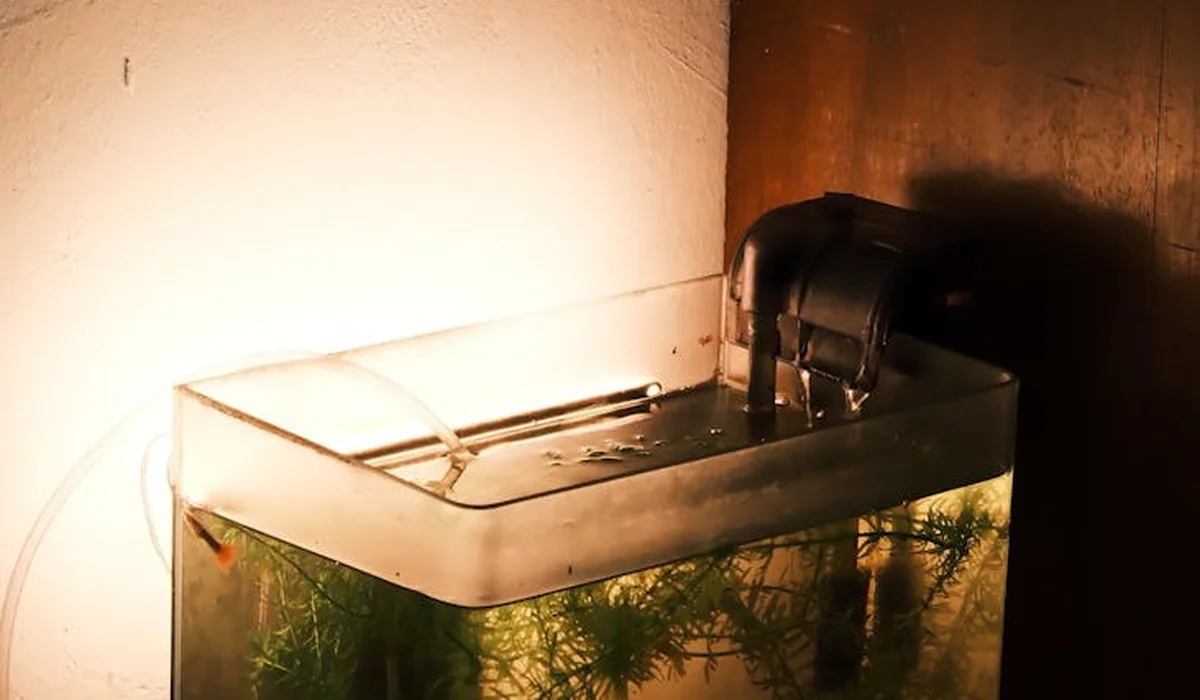
Think of micronutrients as the tiny power players in your aquarium, needed only in minute amounts but making a massive difference in plant health. I’ve seen tanks transform from dull to dazzling once these trace elements are properly balanced, because they drive crucial processes like chlorophyll production and enzyme activation. In planted tanks, balanced nutrients help plants outcompete algae and keep blooms in check. Ignoring them is like baking a cake without salt-everything might look okay, but it won’t thrive.
- Iron: Vital for green, lush leaves and preventing yellowing.
- Manganese: Supports photosynthesis and overall plant metabolism.
- Zinc: Aids in growth hormone production and stem development.
- Copper: Required in tiny doses for reproduction and color.
- Boron: Helps with cell wall strength and nutrient transport.
- Molybdenum: Assists in nitrogen conversion for healthy shoots.
In my experience, a deficiency here often shows up as stunted growth or pale leaves, even when macronutrients are spot-on. You can spot micronutrient issues early by watching for subtle changes in new growth, which is more sensitive than older leaves. I always test my water parameters regularly, as high pH or hard water can lock these nutrients away from plants.
Chelated Iron: The Superstar for Green Leaves
Chelated iron is a game-changer because it’s wrapped in organic molecules that keep it available for plants instead of binding up in the water. When I started using chelated iron in my high-tech planted tank, the difference in leaf vibrancy was like night and day-no more washed-out greens. This form is especially crucial in aquariums with pH above 7.0, where regular iron becomes useless fast.

Dose it carefully, following product instructions, and watch for signs like interveinal chlorosis where leaves yellow but veins stay green. For a 20-gallon tank, I add about 0.5 mL of liquid chelated iron weekly, but adjust based on plant density and light levels. Overdoing it can lead to algae, so start low and observe how your plants respond over a couple of weeks.
Reading the Leaves: A Nutrient Deficiency Guide
Your plants communicate their needs through their appearance, and learning this language saves you from guesswork. I keep a simple journal to track changes, which helps me catch deficiencies before they spiral into bigger problems. Look at the newest growth first, as it often shows issues earliest, and compare symptoms to this guide.
| Nutrient | Common Symptoms | Quick Fix |
|---|---|---|
| Iron | Yellowing between veins on young leaves | Add chelated iron supplement; check pH isn’t too high |
| Nitrogen | Overall pale or yellow leaves, slow growth | Increase fish load slightly or use a nitrogen-rich fertilizer |
| Potassium | Pinholes or brown edges on older leaves | Dose potassium sulfate; prune affected leaves |
| Phosphorus | Dark green or purple tints, stunted roots | Use a phosphate booster; avoid overfeeding fish |
| Magnesium | Yellowing from leaf edges inward | Add Epsom salt sparingly; test water hardness |
If you see multiple symptoms, test your water for pH, hardness, and nutrient levels to pinpoint the issue. Correcting one deficiency can sometimes reveal another, so make changes gradually and monitor for a week or two. Regular testing helps you maintain proper water parameters in your aquarium. In my tanks, I’ve found that balancing nutrients with regular water changes keeps plants robust and fish happy.
How Aquarium Plants Absorb Their Food
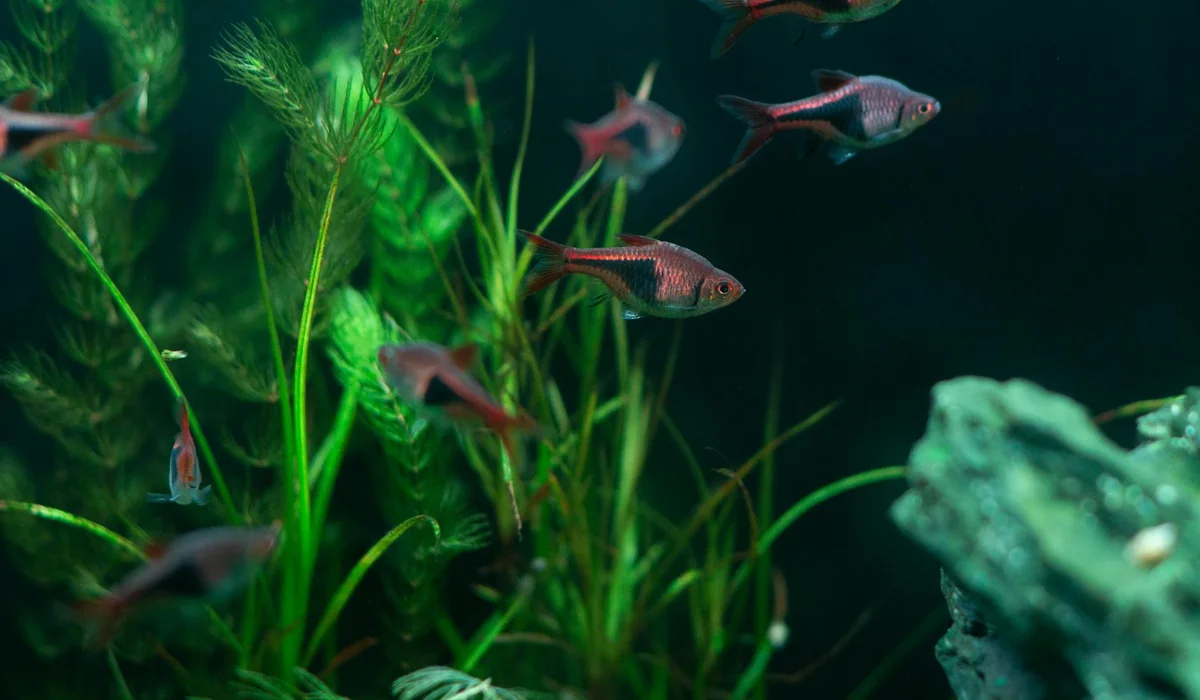
Think of your plants like having two different mouths. One set of mouths is in their roots, buried in the substrate. The other set is all over their leaves, soaking up goodies directly from the water. Knowing which “mouth” your plant prefers to use is the key to feeding it successfully.
Roots vs. Leaves: Where Plants Drink
Not all plants eat the same way. I’ve learned this through trial and error with my own tanks. Some are heavy root-feeders, while others are water-column drinkers.
Root-Feeding Plants (The Grounded Gourmets):
- These plants, like Amazon Swords and Cryptocorynes, have extensive root systems.
- They pull the bulk of their nutrition, especially iron and potassium, directly from the substrate.
- If you see their leaves turning yellow, the issue is often in the gravel, not the water.
Water-Column Feeders (The Floating Foodies):
- Plants like Anubias, Java Fern, and most floating plants absorb nutrients through their leaves and stems.
- They often have rhizomes that will rot if buried, so they must get their food from the water.
- They respond directly to liquid fertilizers added during your weekly water change.
Many plants are versatile and will use both methods. Stem plants like Hornwort are a great example. Observing where a plant’s roots are (or aren’t) gives you a huge clue about how to feed it.
Boosting Nutrition with Fertilizers
Your fish provide a great base diet, but it’s rarely a complete meal plan for a thriving planted tank. That’s where fertilizers come in. They fill the nutritional gaps.
You have two main types of fertilizers, and I use both in my setups.
- Liquid Fertilizers: Perfect for water-column feeders. You simply dose the recommended amount into the tank water. They are ideal for providing a steady, consistent supply of micronutrients and some macronutrients.
- Root Tabs: These are small, nutrient-packed pellets you push deep into the substrate near the roots of heavy feeders. They act like a slow-release vitamin for your rooted plants, delivering a powerful punch right where it’s needed most.
A balanced approach using both liquid fertilizers and root tabs often yields the lushest, most vibrant plant growth. I typically dose liquids after my weekly water change and replace root tabs every three to six months. A quick guide explains when to use liquid fertilizers vs. root tabs. It also covers how to combine them for best results.
DIY Plant Food: A Simple Hack
For a simple and effective micronutrient boost, you can make your own fertilizer. I’ve used this hack for years in my low-tech tanks with great success.
Here is a basic, safe recipe:
- Get 1 cup of distilled water.
- Dissolve 1 tablespoon of Epsom salt (for magnesium).
- Add 1 teaspoon of potassium sulfate (for potassium).
- Stir until everything is completely clear.
You can add this solution to your tank at a rate of 1 teaspoon per 5 gallons of water each week. This DIY mix is a fantastic and affordable way to supplement key minerals that your plants crave, promoting stronger stems and greener leaves. Always start with a smaller dose to see how your tank responds.
Testing and Balancing Your Plant’s Diet
Think of your aquarium like a kitchen. You can have all the best ingredients, but if you don’t know what’s in the pantry, you can’t cook a proper meal. Regular testing is your window into the nutritional world of your plants, telling you exactly what’s missing from their dinner plate. To put this into practice, follow a step-by-step guide on how to test your aquarium water properly. It translates your test results into clear actions for your tank.
How to Diagnose Nutrient Deficiencies
Your plants will talk to you through their leaves. Learning this visual language is the first and fastest way to spot trouble. I always start a tank check with a quick visual scan of my plants.
- Yellowing Older Leaves: This is a classic cry for help. When the mature leaves at the bottom of the plant turn pale or yellow, it’s often a sign of nitrogen deficiency. The plant is pulling nutrients from its old growth to support new shoots.
- Pale or Yellow New Growth: If the young leaves at the top of the plant are coming in light, you’re likely looking at an iron or manganese shortage. This is a very common issue in tanks with bright lights.
- Pinholes in Leaves: Tiny, transparent spots that eventually become holes? That’s a potassium deficiency. I see this a lot in fast-growing stem plants like hornwort.
- Purple or Reddish Undersides: While sometimes natural, a sudden, intense purple or red tint on the undersides of leaves can signal a phosphate deficiency, especially if growth has stalled.
Using Test Kits for Precision
Visual checks are great, but water tests give you the hard numbers. You don’t need to test everything every day. Focus on these key parameters to start. Essential aquarium water testing kits make this easy—use them to monitor ammonia, nitrite, nitrate, pH, and hardness. Keep the kit handy and test as part of routine maintenance.
- Nitrate (NO3): Aim for a level between 10-20 ppm for a well-planted tank. If it’s consistently at zero, your plants are starving for nitrogen.
- Phosphate (PO4): A good target is 1-2 ppm. Zero phosphate often leads to those green spot algae patches on your aquarium glass and slow plant leaves.
- Potassium (K): This one is trickier, as most standard kits don’t test for it. If you’re seeing pinholes and your nitrates/phosphates are fine, potassium is the usual suspect.
- Iron (Fe): Use a dedicated iron test kit. You want to see a faint reading, around 0.1-0.5 ppm, especially right after a fertilizer dose.
Testing your water about an hour after a water change and before your next fertilizer dose gives you the most accurate baseline of what’s actually available to your plants.
Creating a Balanced Fertilizing Schedule
Balance is everything. Dumping in a random assortment of nutrients can cause more problems than it solves. I think of it in two main categories: Macros and Micros.
The NPK Ratio: The Main Course
Nitrogen (N), Phosphorus (P), and Potassium (K) are the big three. A common and effective ratio for many planted aquariums is a 2:1:1 blend. This means for every 2 parts nitrate, you aim for 1 part phosphate and 1 part potassium. Beyond nutrient ratios, essential aquarium water parameters like pH, ammonia, and nitrate levels play a crucial role in plant and fish health. Understanding how these parameters interact with fertilizers explains why those ratios work in practice.
You can buy pre-mixed macro fertilizers or mix your own dry salts for more control. Start with a half-dose of any new fertilizer and observe your plants and algae levels for two weeks before increasing.
Micronutrients: The Vital Vitamins
This is your trace element mix, containing iron, manganese, zinc, and others. Plants need these in tiny amounts, but without them, growth grinds to a halt.
- Dose micronutrients at least once a week.
- If you have very bright lights and CO2 injection, you may need to dose micros 2-3 times per week.
- Always dose micros on a different day than your macro nutrients if you are dosing them separately. This prevents them from binding together and becoming unusable to the plants.
A consistent, weekly schedule is far better than sporadic heavy dosing, as it provides a stable environment for both your plants and your fish. Your finned friends, like my Corydoras Shadow, appreciate that stability more than anything.
FAQs
How does a higher pH affect nutrient uptake in aquarium plants?
Higher pH levels, typically above 7.0, can reduce the availability of certain nutrients by making them less soluble in water. For instance, iron and manganese may become locked out, leading to deficiencies like yellowing leaves. Using chelated forms of these nutrients can help maintain their accessibility, as they are designed to remain stable in alkaline conditions.
Where can I find a reliable nutrient deficiency chart with pictures for aquarium plants?
Many reputable aquarium websites and online forums offer visual deficiency charts with images to help identify issues like yellowing or spotting. These resources allow you to compare symptoms on your plants’ leaves with photos for a more accurate diagnosis. Always cross-reference with water test results to confirm the specific nutrient lacking in your tank. Be mindful of water testing mistakes to avoid, such as using expired test kits or not following the protocol. Accurate conclusions come from reliable test results paired with careful symptom comparison.
What are the top-rated aquarium plant nutrient test kits available on Amazon?
Popular options on Amazon include the API Freshwater Master Test Kit for basic parameters and specialized kits like the Salifert Iron Test Kit for precise micronutrient monitoring. Reading customer reviews can guide you to kits that are easy to use and reliable for tracking key nutrients. Ensure the kit covers essentials like nitrates, phosphates, and iron to support a balanced aquarium environment. Understanding how to test and monitor fish tank water quality is crucial for any aquarium owner.
How can I calculate nutrient uptake for plants in a high pH aquarium?
While there isn’t a universal calculator, you can estimate uptake by considering factors like plant density, light intensity, and pH level. Start with fertilizer dosages recommended for your tank size and adjust based on regular test kit readings and plant response. Observing growth and deficiency signs over time will help you fine-tune amounts to compensate for reduced nutrient availability at higher pH. Different aquarium plants require varying amounts of light, from low to high, to thrive, so you may need to tailor your lighting to match their needs. Light drives photosynthesis and influences how quickly nutrients are used.
Your Path to a Thriving Planted Tank
Your plants truly thrive when they get a complete diet of macronutrients and essential micronutrients, all working in a delicate balance with good lighting and stable CO2 levels. Focus on providing nitrogen, phosphorus, and potassium (NPK) as the main course, with trace elements like iron acting as the vital vitamins for vibrant color and growth.
The most rewarding part of the hobby is watching your careful attention to detail transform into a lush, living ecosystem. Keep observing your plants’ responses, stay curious, and enjoy the journey of creating a beautiful, healthy home for your fish.
Further Reading & Sources
- Fertilizing aquarium plants for optimal health?
- Fertilizer for Aquarium Plants – Green Leaf Aquariums | GLA
- When should you start fertilizing your aquarium plants? | Green Aqua
- r/PlantedTank on Reddit: Tell me your favorite liquid fertilizers for low tech tanks. Pic is my 6gallon for the algorithm
- Fertilizer dosing guide for planted aquariums; when to dose more or le – The 2Hr Aquarist
Lia is an expert in aquarium and pet fish care. Having worked in the marine industry and having cared for multiple pet fish, she has acquired first hand expertise on aquarium care, maintenance and setup. She always brings her practical expertise and science to help solve any aquarium related queries.
Plant Care