
Your Fish Act Weird During Water Changes? Here’s What’s Really Happening
Hello fellow aquarists. You’ve seen it: the frantic darting, the sudden hiding, that burst of activity the moment you start siphoning the tank. It’s enough to make any fish keeper pause and wonder if they’re helping or stressing their aquatic friends.
This guide will walk you through the fascinating world of fish behavior during this routine task. You’ll learn to spot the difference between normal curiosity and genuine distress.
We will cover:
- Typical “This is Fine” behavior before, during, and after a water change
- Concerning signs that signal your process needs a tweak
- The science behind why your fish react the way they do
- Actionable tips to make the entire experience smoother for everyone in the tank
I’ve been managing high-tech planted tanks and breeding sensitive fish for years, learning these behavioral cues through direct, hands-on experience.
Understanding Fish Behavior Before a Water Change
Your fish communicate their discomfort through subtle shifts in behavior long before water tests show problems. Recognizing these early warnings lets you act fast and prevent health issues from escalating. Knowing the most common signs of stress in aquarium fish helps you spot trouble early and take action.
Common stress signs include lethargy, excessive hiding, and faded colors. My betta, Captain Fin, loses his vibrant iridescence and stays near the bottom when nitrates creep up, a clear signal for intervention.
- Lethargy: Fish move slowly or rest on substrates, like Shadow my corydoras who abandons his plant hideouts.
- Hiding: Normally social fish, such as Goldie my goldfish, isolate themselves behind decor or filters.
- Color changes: Dull or darkened scales indicate toxin buildup, often from ammonia spikes.
Rising ammonia, nitrite, or nitrate directly impact swimming and feeding. Ammonia above 0.25 ppm can cause erratic darting or gasping as it irritates gills, while nitrite over 0.5 ppm reduces oxygen intake, leading to listlessness. High nitrate levels above 40 ppm may not kill instantly but suppress appetite and weaken immunity over weeks.
Testing water weekly helps you spot trouble early. Follow these steps to check parameters and decide if a change is due:
- Use a liquid test kit for ammonia, nitrite, nitrate, and pH-strip tests are less accurate.
- Compare results to ideal ranges: 0 ppm ammonia and nitrite, under 20 ppm nitrate, and stable pH for your species.
- If levels exceed safe limits, schedule a 25-50% water change within 24 hours.
During the Water Change: Observing Immediate Reactions
As you introduce new water, fish often show brief stress behaviors that are usually normal. Watching their reactions helps you refine your technique for smoother transitions next time, especially when you properly acclimate fish to new water parameters.
Typical immediate behaviors include frantic swimming, surface gasping, or shifts in group dynamics. I’ve seen Captain Fin zip around the tank when I pour water too quickly, but he calms once the flow eases.
- Erratic swimming: Fish may dart or bump into objects due to sudden environmental shifts.
- Gasping for air: Low oxygen or chlorine in new water can drive fish to the surface to breathe.
- Group changes: Schooling species might tighten formations or scatter temporarily for safety.
Temperature shocks or chlorine exposure are common stressors during changes. Even a 2-degree Fahrenheit difference can cause shivering or hiding, while untreated tap water with chlorine burns gills within minutes. Always temper new water to match the tank and dose dechlorinator before adding.
Performing water changes safely minimizes stress. This step-by-step guide ensures a gentle process for your aquatic friends:
- Fill a clean bucket with tap water and add dechlorinator, following bottle instructions precisely.
- Test the new water’s temperature with a reliable thermometer-aim for within 1°F of the tank.
- Siphon out old water, then slowly pour the prepared water into the tank over 5-10 minutes to avoid turbulence.
- Monitor fish for prolonged distress; if gasping or hiding persists, check for chlorine or temperature errors.
After the Water Change: Normal vs. Stressful Behaviors
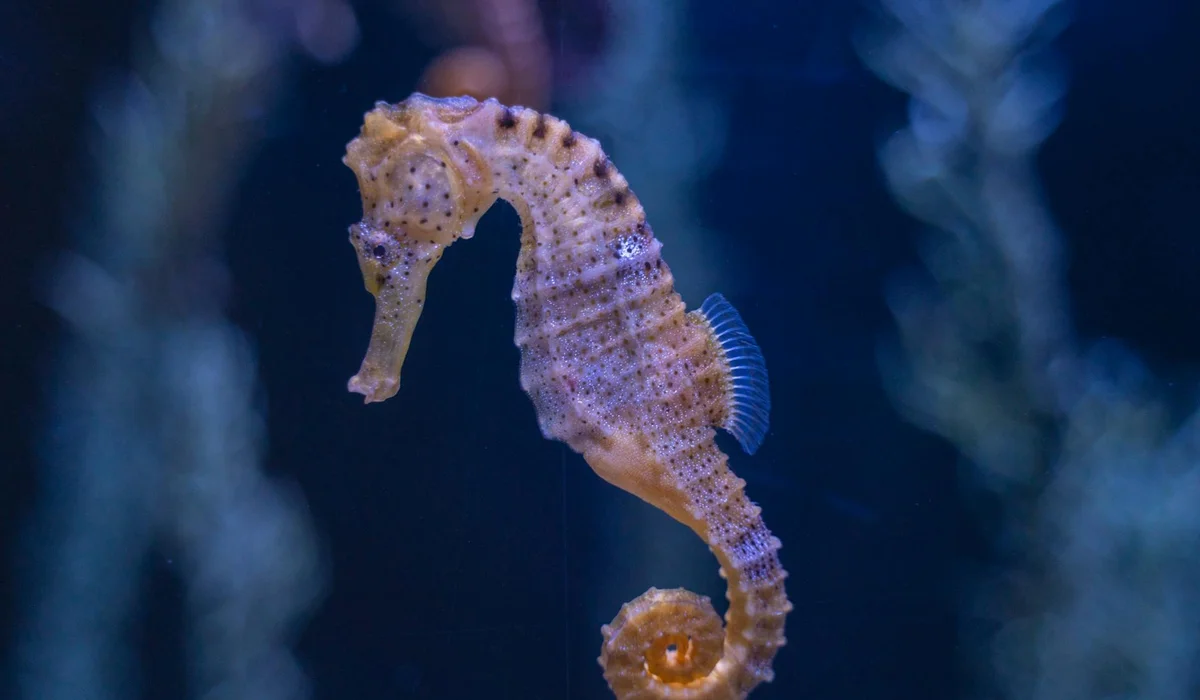
Right after a water change, your fish might show a mix of reactions that tell you how they’re handling the shift. Healthy fish often resume their normal routines within an hour, like eagerly nibbling at food or gliding through the water with relaxed fins. I’ve watched Captain Fin, my betta, start flaring his vibrant blue and red fins in curiosity once the new water settles in.
But some behaviors can signal trouble instead of recovery. Flashing, where fish dart and rub against rocks or plants, often means irritation from leftover chlorine or sudden pH swings. Buoyancy issues, like floating sideways or struggling to stay level, might indicate osmotic shock from mismatched water hardness.
Oxygen levels in the new water heavily influence how fish behave post-change. If the water isn’t properly aerated, you might see fish gasping at the surface, their gills moving rapidly as they seek more air. This is one of the most common mistakes when adding new fish: failing to aerate and acclimate the new water before introduction. In my tanks, I’ve noticed Goldie, the goldfish, doing this when I skipped letting the replacement water bubble with an airstone first.
Acclimation time lets fish adjust to subtle changes in mineral content or temperature without panic. Giving them a gradual transition prevents stress spikes, encouraging calm exploration rather than frantic hiding. Shadow, my corydoras, used to vanish into the plants for hours, but with slower changes, he now ventures out sooner to scavenge.
| Normal Post-Change Actions | Symptoms of Ongoing Stress |
|---|---|
| Active feeding and foraging soon after | Repeated flashing or scraping on surfaces |
| Smooth, steady swimming with erect fins | Buoyancy problems like floating upside down |
| Curious exploration of tank features | Lethargic hiding or clamped fins for extended periods |
| Normal breathing rates and gill motion | Rapid gill movement or gasping at the water’s top |
How to Minimize Stress During Water Changes
-
Prepare new water with dechlorinator and temperature matching. I always treat tap water with a reliable dechlorinator and use a digital thermometer to get it within one degree of the tank’s temperature. This avoids chemical harm and keeps fish like Captain Fin from shivering or overheating. In the aquarium temperature control complete guide, stable water temperature is highlighted as the foundation of a healthy tank. Maintain a consistent temperature by monitoring regularly and making small adjustments as needed to keep the water within a narrow range.
-
Perform changes gradually to avoid shocking fish. Swap no more than 20-30% of the water at a time, pouring it in slowly over several minutes to mimic gentle rainfall and how to perform a water change without shocking your fish. I use a hose with a flow control valve so sensitive species like Shadow don’t get startled by sudden currents.
-
Monitor fish for signs of distress and adjust techniques accordingly. Watch for erratic swimming or pale colors during the process; if you spot them, stop and test the water for ammonia or pH shifts. From my experience, this vigilance helped me tweak my method to keep Goldie happily foraging without skip.
Signs of Serious Stress and When to Act
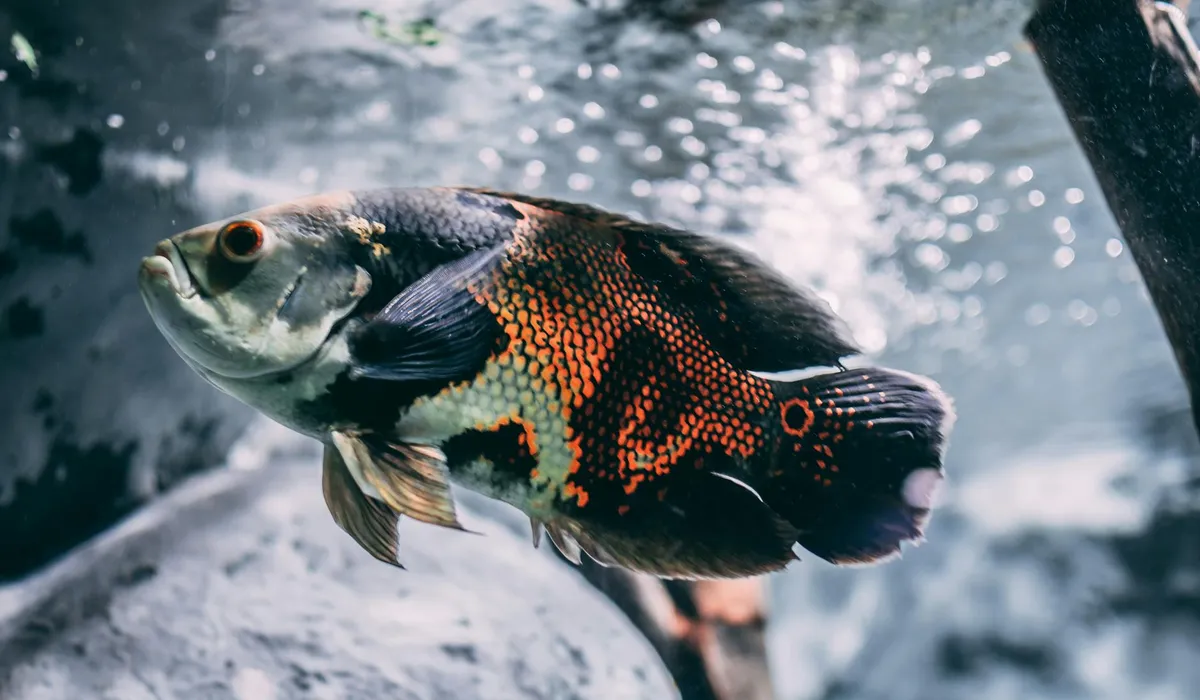
While a little post-change excitement is normal, some behaviors are red flags. You need to recognize the difference between a minor adjustment and a genuine cry for help.
Urgent Symptoms That Demand Attention
- Prolonged Gasping at the Surface: A fish taking a few quick gulps is fine, but one that is stuck at the top, laboring to breathe, is in severe distress.
- Clamped Fins: This is when a fish holds its fins tight against its body instead of fanning them out gracefully. It’s a universal sign of feeling unwell or extremely stressed.
- Complete Loss of Appetite: If a usually voracious eater like my Goldie ignores food for more than a day after a water change, something is wrong.
- Rubbing or Scratching: Fish flashing against decor or the substrate often indicates irritants in the water or external parasites.
- Lethargy or Hiding for Extended Periods: It’s one thing for Shadow the Corydoras to be shy; it’s another if he refuses to come out for feeding or if an active fish like Captain Fin lies listlessly on the bottom.
Checking for Water Chemistry Issues
If you see any urgent symptoms, your first move is to test the water. Immediately check for chlorine, chloramine, ammonia, nitrite, and a drastic pH swing. A liquid test kit is your best friend here. Did you forget to use a water conditioner? Is the temperature of the new water vastly different? These are common oversights. If your tests show any level of ammonia or nitrite, or if the pH has swung more than 0.3 points, you are facing a water quality emergency.
Observing Your Whole Tank
Don’t just watch one fish. Look for a collective stress response, as this almost always points to a tank-wide water parameter problem. If every single fish is gasping, clamping their fins, or hiding, the issue is the environment, not a single sick fish. This tells you the solution is a system fix, not an individual quarantine. If you need to quarantine, do so with one fish per tank or in clearly separated small groups. Use dedicated equipment to minimize cross-contamination and make issues easier to diagnose.
Helping Your Fish Recover Quickly
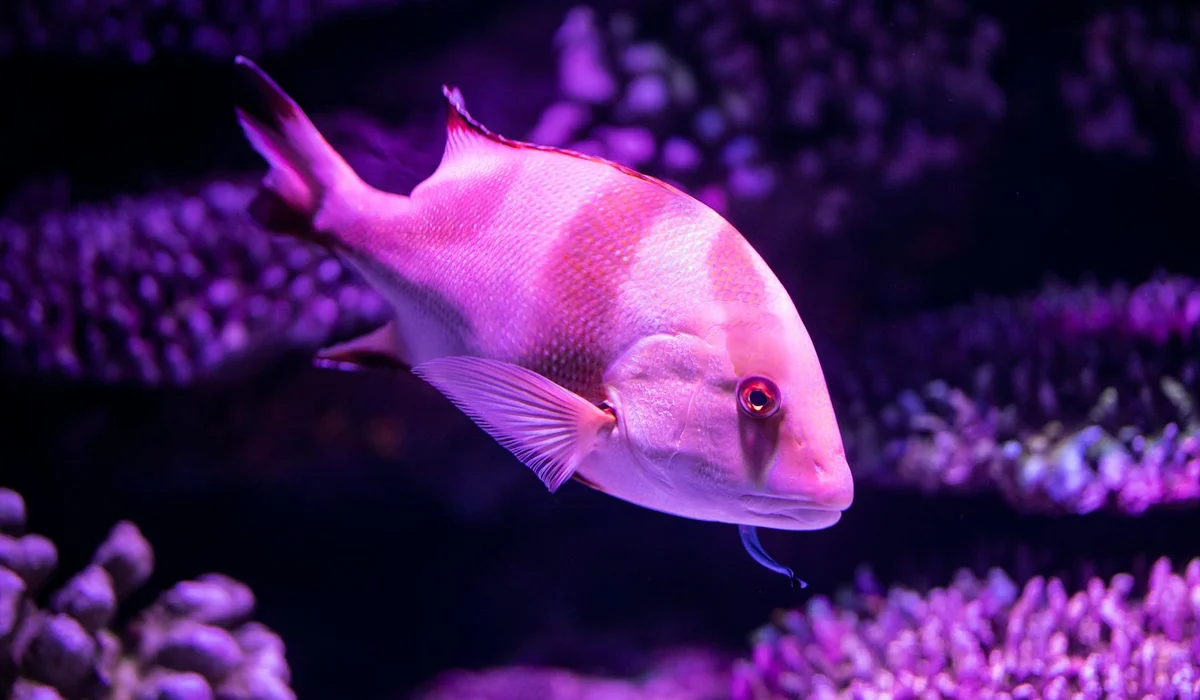
Once you’ve addressed any immediate crises, your goal is to foster a calm, stable environment for recovery. Patience and consistency are your most powerful tools right after a water change.
Maintaining Stable Water Conditions
- Use a Water Conditioner: I always double-dose with a quality conditioner like Seachem Prime after a change. It neutralizes chlorine, chloramine, and even detoxifies ammonia and nitrite for up to 48 hours, giving your filter bacteria a chance to catch up.
- Avoid Over-Cleaning: Never scrub the filter media and the tank glass in the same session. You want to preserve the beneficial bacteria in your filter.
- Match Temperatures: Ensure the new water is within 1-2 degrees of the tank water to prevent thermal shock.
Encouraging Natural Behavior
Fish feel secure when they have places to retreat. Providing ample hiding spots, like dense plants, caves, or driftwood, gives stressed fish a safe space to decompress. After a water change, give your fish time to acclimate to the new water conditions and temperature. I’ll often dim the aquarium lights for a few hours after a big water change to simulate a calm, overcast day. This reduces stress and encourages my fish to return to their normal routines. Try offering a very small, tempting food like frozen brine shrimp to gauge their appetite without polluting the water.
Recovery Time and Support
For minor stress from a well-executed water change, most fish will bounce back to their normal behavior within a few hours. If your fish have experienced significant stress from a parameter shock, full recovery can take 24 to 72 hours, provided you have fixed the underlying water issue. During this time, resist the urge to do another water change unless your tests dictate it. Constant tinkering prevents stability. Just observe, ensure good surface agitation for oxygen, and trust that a stable, clean environment is the best medicine.
FAQs
How often should I change the water in my fish tank?
Water change frequency depends on factors like tank size, fish load, and filtration efficiency. For most aquariums, a weekly 20-30% change is a good baseline to maintain water quality. Regular testing helps tailor the schedule to your specific setup’s needs. Make sure to test and maintain proper water parameters to ensure a healthy environment for your aquatic life.
Is it necessary to remove fish during a water change?
No, removing fish is generally not recommended as it can cause additional stress and injury from handling. It’s safer to perform water changes with fish in the tank using gentle methods. This approach minimizes disruption and supports their well-being. Typically, no need to remove fish for a water change; they can stay in the tank while you siphon out water. Only in rare circumstances would removal be advisable, and it should be done with extreme care.
Why do some fish species react more strongly to water changes than others?
Different species have varying sensitivities based on their natural habitats and evolutionary adaptations. Fish from stable environments, like discus or cardinal tetras, may show more pronounced stress to parameter shifts. Hardy species, such as zebra danios, often handle changes with less noticeable reaction.
How does water hardness affect fish during water changes?
Water hardness impacts osmoregulation, which is how fish balance internal fluids and minerals. Sudden shifts in hardness can lead to osmotic shock, causing stress or buoyancy problems. Matching the new water’s hardness to the tank’s existing levels helps prevent these issues.
Your Fish’s Behavior Tells a Story
Watch for changes in activity and appetite before a water change to spot water quality issues. These are signs your aquarium may need a water change, such as cloudy water, a foul smell, or persistent poor water test readings. After the change, your fish should perk up, showing that you’ve improved their environment.
Keeping an aquarium is a commitment to your pets’ well-being. Always seek to learn more about their needs to provide the best care possible.
Further Reading & Sources
- Is it normal for fish in tanks to be super active when you change their water? – Quora
- Starting A New Aquarium – What to Expect In The First 60 Days
- Behavioral Changes and Problems in Aquarium Fish – RateMyFishTank.com
- Change In Fish Behaviour After Water Change. | Freshwater Aquarium Discussion Forum
- Fish more active after water changes | Tropical Fish Keeping
Lia is an expert in aquarium and pet fish care. Having worked in the marine industry and having cared for multiple pet fish, she has acquired first hand expertise on aquarium care, maintenance and setup. She always brings her practical expertise and science to help solve any aquarium related queries.
Water Changes