
The Nitrogen Cycle: Your Tank’s Invisible Engine for Healthy Fish
Hello fellow aquarium enthusiasts! That frustration you feel when a new fish falls ill or your water stubbornly stays murky-I’ve been there too. More often than not, the root cause traces back to the nitrogen cycle, and mastering this process is your single biggest step toward a vibrant, trouble-free tank.
This guide will walk you through the entire concept with clear, actionable advice. You’ll get a straightforward explanation of what the biological nitrogen cycle actually is, learn why it’s absolutely fundamental for your fish’s survival, master the reliable methods to establish a cycled tank, and discover how to maintain this balance for the long haul.
My advice comes from hands-on experience maintaining high-tech planted systems and successfully breeding sensitive fish species for years.
What Exactly Is the Nitrogen Cycle in Your Aquarium?
Think of your aquarium’s nitrogen cycle as nature’s own water recycling system, a living, breathing filter you can’t see. It’s a three-part biological process where invisible, beneficial bacteria consume toxic fish waste and convert it into something less harmful, much like how a fish tank filter works.
This entire process is called nitrification, and it happens on every surface in your tank, especially within your filter media, which acts as the main biofilter. Imagine a tiny waste treatment plant operating right in your aquarium-these bacteria are the dedicated staff, working around the clock to keep the water safe for your Captain Fin or Shadow.
Why This Cycle is Non-Negotiable for Fish Health
Without this cycle, your tank water becomes a poisonous soup. Ammonia and nitrite burn fish gills, damage organs, and create immense stress that leads directly to diseases like fin rot or fatal shock. Understanding the causes of high ammonia helps you fix it. Common culprits are overfeeding, overcrowding, and incomplete cycling.
Establishing this cycle before adding fish is the single most important step in aquarium keeping, period-it’s what prevents the devastating “new tank syndrome” that claims so many beginner fish. A stable cycle is the foundation; everything else-decor, lighting, fancy food-is secondary to pristine water quality.
The Invisible Threat: Ammonia
Ammonia primarily comes from fish waste, like from my Oranda Goldie, and decaying organic matter like leftover food. Its toxicity is sneaky and depends on your water’s pH and temperature.
In higher pH, warmer water, ammonia exists in a form called NH3, which is extremely toxic and can cause rapid gill damage, leading to frantic swimming and gasping at the surface. You might see red streaks on fins or your fish laying listlessly on the substrate. At lower pH, it converts to a less toxic form called ammonium (NH4+), but you should always aim for zero detectable ammonia. Understanding these shifts is part of managing essential aquarium water parameters like pH, ammonia, and nitrates. Monitoring these values helps keep your tank balanced and your fish healthy.
The Silent Suffocator: Nitrite
Nitrite is the second stage, produced as bacteria break down ammonia. It’s often the most dangerous killer for fish in a cycling tank because it attacks their blood.
Nitrite binds to hemoglobin in the bloodstream, preventing oxygen transport and causing a condition called “brown blood disease,” which essentially suffocates your fish from the inside out. Lower nitrite levels in your aquarium prevent fish loss by reducing the risk of this deadly condition. Regular testing, prompt water changes, and reliable filtration help keep nitrite at safe levels. Watch for fish panting at the water inlet, rapid gill movement, and a noticeable lethargy even if the water looks crystal clear.
The Manageable Result: Nitrate
Nitrate is the final product in the cycle and is far less toxic, but it’s not harmless. It’s the compound we manage through regular maintenance. Live plants, if you have them, will happily consume nitrates as fertilizer.
For most community tanks, keeping nitrates below 20-30 ppm through weekly partial water changes is a solid target, but for sensitive species or breeding tanks, you’ll want them under 10 ppm. In heavily planted tanks, you might see nitrates drop to nearly zero, while in a goldfish tank like mine, vigilant water changes are non-negotiable due to their heavy bioload.
The Three-Step Transformation: Ammonia to Nitrate
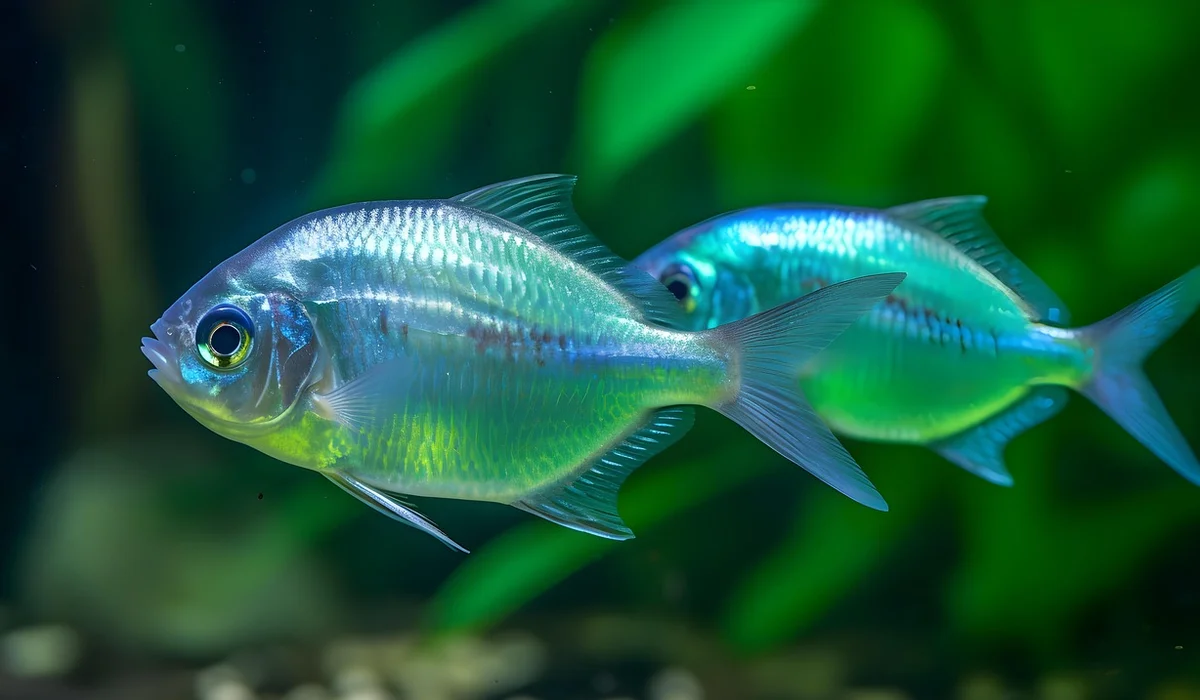
Picture your tank’s water as a living, breathing entity where invisible workers toil day and night. When my betta, Captain Fin, has a big meal or Goldie the goldfish forages, their waste releases ammonia into the water. This ammonia is the starting pistol for a biological race where specific bacteria convert a toxic threat into a manageable compound.
The first shift is run by bacteria called Nitrosomonas. These microorganisms are surface dwellers, clinging to the porous nooks in your filter media, the gravel, and even on tank decorations. They consume ammonia and excrete nitrite. Nitrite is a stealthier poison than ammonia, binding to fish blood and suffocating them from the inside out, which is why testing for it is non-negotiable.
As nitrite levels climb, a second bacterial team takes the baton. Usually Nitrospira (or in some cases, Nitrobacter), these bacteria colonize the same surfaces and perform the final conversion, turning nitrite into nitrate. Nitrate is the end product of this cycle, significantly less harmful and kept in check through water changes and plant uptake.
These bacterial colonies form a sticky biofilm on surfaces, and they are aerobic, meaning they crave oxygen. The gentle hum and water flow from your filter, plus surface agitation from an air stone or filter output, are what keep this microscopic cleanup crew alive and efficient.
- Ammonia to Nitrite: Executed by Nitrosomonas bacteria residing on filter sponges, substrate, and decor.
- Nitrite to Nitrate: Handled by Nitrospira/Nitrobacter bacteria living in the same biofilm communities.
- The Oxygen Link: Consistent aeration is the unsung hero, fueling the entire nitrification process from start to finish.
Choosing Your Path: Fishless vs. Fish-In Cycling
You have two main roads to a cycled tank, and they lead to very different experiences for you and your fish. After years in the hobby, my firm advice is to plan for a fishless cycle. Fishless cycling is the compassionate, predictable method that never risks exposing living creatures to toxic water conditions. That’s the core difference between fishless cycling and fish-in cycling: you mature the system without any fish at all. In a fish-in setup, you rely on fish waste to feed bacteria, risking ammonia and nitrite spikes.
Fish-in cycling is a reactive, high-maintenance path I’ve only used in emergencies, like when rehoming a fish on short notice. It places the burden of waste production on the fish themselves, demanding heroic efforts from you to keep them safe in an unfinished ecosystem.
The Gold Standard: Fishless Cycling Step-by-Step
- Set Up and Dechlorinate: Install your filter, heater, and substrate. Fill the tank, then add a full dose of water conditioner to remove chlorines. I often pour in a bottled bacteria starter at this point to seed the tank, though it’s not a magic bullet.
- Add an Ammonia Source: Introduce pure ammonium chloride to reach 2-4 ppm, or drop in a pinch of fish food to decompose. This feeds the bacteria you’re trying to grow. My first fishless cycle used flakes, and the waiting game began.
- Test and Track the Pattern: Every two to three days, test your water with a reliable liquid kit. You’ll watch a predictable drama: ammonia spikes then falls, nitrite surges then crashes, and nitrate steadily climbs. Charting this on paper makes the progress visible.
- Confirm and Prepare for Fish: The cycle is complete when adding an ammonia dose makes it and nitrite disappear to 0 ppm within 24 hours. Then, perform a 50% water change to lower nitrate before your first fish, like shy Shadow the corydoras, ever touches the water.
The Reactive Method: Navigating a Fish-In Cycle
If you’re already in a situation with fish in an uncycled tank, this is your survival guide. It is not the method I recommend starting with. Your primary tool will be frequent, partial water changes to physically remove toxins before they harm your fish.
- Water Changes Are Your Lifeline: Plan on changing 25-30% of the water daily, or every other day at a minimum. This dilutes accumulating ammonia and nitrite more effectively than any product.
- Employ a Detoxifying Conditioner: Use a water conditioner that temporarily neutralizes ammonia and nitrite, such as one containing sodium thiosulfate or similar binders. It creates a safe window between changes.
- Test With Extreme Diligence: Check ammonia and nitrite levels every single day. A fish-in cycle requires patience, often taking over a month, and you cannot skip monitoring.
- Minimize Stressors: Stock only one or two hardy fish initially, and feed them sparingly-once every other day is plenty. Overfeeding skyrockets ammonia production. Keep lights low and avoid disturbing the tank to reduce fish stress.
The Cycling Timeline: What to Expect Week by Week

Picture this: you’ve set up a beautiful new tank, added water, and turned on the filter. The quiet hum promises a thriving ecosystem, but right now, it’s a blank slate. The nitrogen cycle is a marathon, not a sprint, and knowing what to expect each week keeps frustration at bay and your fish safe. From my experience cycling tanks for residents like Shadow, the shy corydoras, I’ve seen this process unfold dozens of times.
A typical cycle takes 4 to 8 weeks from start to finish. Use this general week-by-week guide as your roadmap, but remember your tank’s journey will have its own pace. For detailed instructions, check out how to cycle a fish tank properly.
- Weeks 1 & 2: The Ammonia Phase
You add an ammonia source, like fish food or a dedicated solution. The water tests will show ammonia levels rising from zero. You might not see any change, but this is the signal for the first bacteria, Nitrosomonas, to start finding a home. The tank water remains clear, but the invisible work has begun. - Weeks 3 & 4: The Nitrite Spike
As the first bacteria multiply, they convert ammonia into nitrite. Now your test kit will show ammonia dropping and nitrite soaring. This is a critical and often worrying period. High nitrite is toxic, so resist the urge to add fish, no matter how tempting Goldie’s future home looks. This phase tests your patience. - Weeks 5 & 6: Nitrate Arrival
The second group of bacteria, Nitrobacter, now establishes itself and converts that dangerous nitrite into nitrate. You’ll see nitrite levels fall and nitrate levels begin to climb. A sigh of relief is in order when you test and find zero ammonia and zero nitrite. - Weeks 7 & 8: Stability and Readiness
The cycle is complete when your tank can process 1-2 ppm of ammonia into nitrate within 24 hours. The water has a proven, living filter. This is when you can finally, and safely, introduce a few small fish to start, their scales shimmering in water that won’t harm them.
Your timeline isn’t set in stone. Several factors can speed up or slow down the entire process. You can accelerate cycling by using seeded filter media from an established tank, which is like moving a mature bacterial city into a new neighborhood. Warmer temperatures, around 82-87°F (28-31°C), also boost bacterial growth. Conversely, cold water below 70°F (21°C) or a low pH (under 7.0) can dramatically slow colonization, stretching your wait time.
Setting the Stage for Beneficial Bacteria
Think of beneficial bacteria as tiny tenants that need the perfect apartment. Your job is to build that apartment complex. Surface area is everything-these bacteria need nooks and crannies to cling to, not open water. This is why your choice of filter media is the most critical decision you’ll make for the cycle.
Focus on porous materials with high surface area inside your filter. I always use a combination for my tanks:
- Sponge Foam: The workhorse. It provides mechanical filtration by trapping debris and offers a fantastic surface for bacteria. It’s durable and easy to rinse in old tank water.
- Ceramic Rings or Bio Balls: These are the bacterial powerhouses. Their intricate, porous structure creates a massive amount of surface area in a small space, allowing for a huge bacterial colony.
Water flow is the other non-negotiable. Your filter should create a steady, consistent current that pulls water through all that media, delivering oxygen and food (ammonia) to every bacterial resident. A stagnant filter is a dead filter. I check the flow in Captain Fin’s tank daily; that steady current is the lifeblood of his ecosystem.
While bacteria do the heavy lifting, live plants are brilliant partners. Plants like java fern or anubias directly consume ammonia and nitrate through their roots and leaves, giving you a natural assist in managing nitrogen compounds. They won’t replace the filter, but they add a buffer and make your entire system more resilient and beautiful.
Testing and Reading Your Water’s Signals
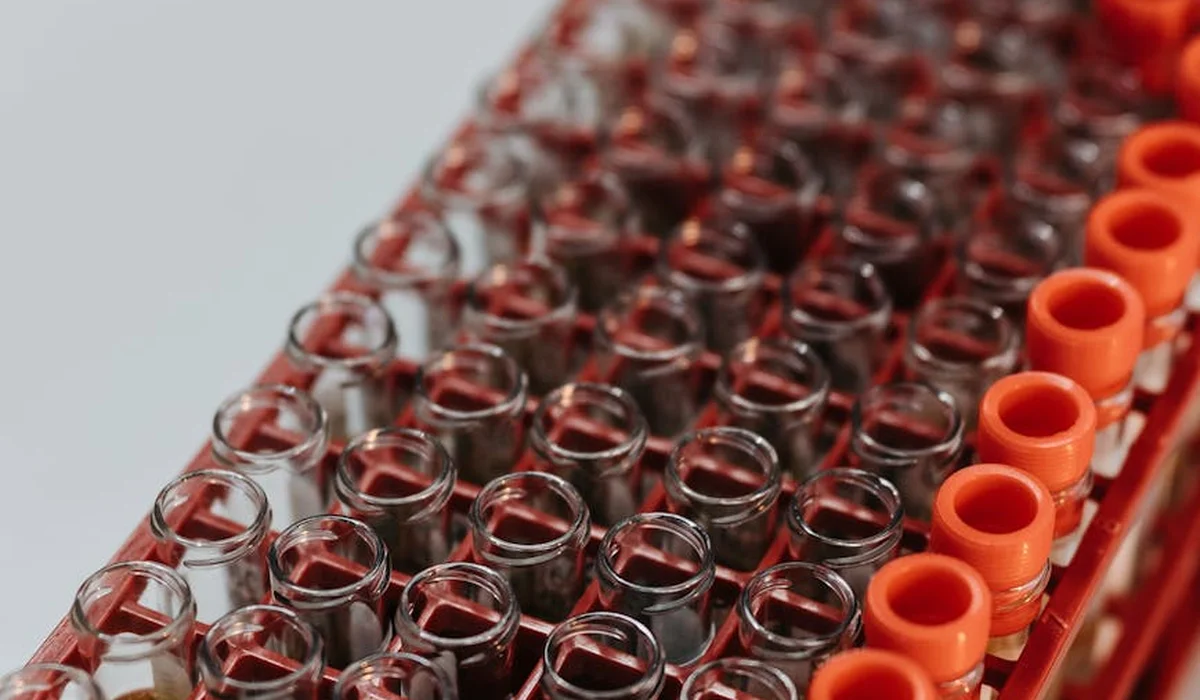
Think of your water test kit as your aquarium’s health monitor. It translates the invisible chemistry into a language you can understand. Regular testing is your single best tool for preventing disaster and truly understanding the silent world your fish live in. In a straightforward, step-by-step guide, you’ll learn how to test your water properly. Follow the simple steps to get accurate readings and keep your tank safe.
Liquid Kits vs. Test Strips: Choosing Your Tool
You have two main options: liquid reagent kits and dip-and-read test strips. For cycling a new tank and serious troubleshooting, I always reach for my liquid kit. The liquid tests are simply more precise, giving you a clearer picture of subtle changes, especially with ammonia and nitrite levels that are critical during the cycle. Test strips are convenient for a quick check, but they can be less accurate and often don’t measure ammonia at all.
My personal kit stays in a dedicated box, because knowing the exact numbers gives me peace of mind. It tells me if Goldie’s constant foraging is affecting the bioload or if the water is safe for sensitive Shadow after a filter clean.
How to Test: A Simple Routine
Testing becomes second nature. Follow the kit’s instructions, but here’s the general process:
- Rinse the test tube with tank water (never tap water).
- Fill to the marked line with water from the middle of your tank.
- Add the specified number of reagent drops, cap the tube, and gently shake.
- Wait the exact time stated, then hold the tube against the white part of the color card in good light.
Test for these four key parameters weekly during a cycle and monthly in an established tank: Ammonia, Nitrite, Nitrate, and pH. Record your results in a notebook or an app-seeing the trend over time is incredibly revealing.
Interpreting the Color-Coded Messages
Those color changes are your cycle talking to you. Here’s what they mean:
- Ammonia (Yellow to Green): Any green is a warning. During cycling, you’ll see it rise and then fall. In an established tank, it must always be a perfect, clear yellow (0 ppm). Even 0.25 ppm can stress fish like Captain Fin, causing clamped fins.
- Nitrite (Light Blue to Purple): This is the middle-stage toxin. Its appearance means your first set of bacteria is working. Like ammonia, any detectable level (a pale blue) is harmful. It will spike and then must drop to 0 ppm (a colorless light blue) for the cycle to progress.
- Nitrate (Yellow to Orange-Red): This is your end product. You want to see this appear as ammonia and nitrite vanish. In a cycled tank, you’ll have some level of nitrate (usually between 5-40 ppm, depending on plants). This is your signal to do a partial water change.
- pH (A Range of Colors): Stability is more important than a perfect number for most fish. A sudden pH crash can stall your cycle and shock your livestock. Watch for dramatic swings.
When you see ammonia and nitrite consistently at zero with some nitrate present, your tank has officially cycled-a moment of pure satisfaction for any aquarist.
Troubleshooting a Stalled or Broken Cycle
Sometimes the cycle doesn’t go according to plan. It stalls, goes backwards, or never starts. Don’t panic-this happens to everyone. The key is diagnosing the cause and acting methodically.
Common Problems and Their Causes
Your beneficial bacteria are resilient but can be disrupted. Here are the usual suspects:
- The Cycle Never Starts: You add an ammonia source but see no change for weeks. Common causes are a lack of a proper ammonia source, extremely low pH (below 6.0), or water treated with chloramines where the dechlorinator wasn’t strong enough.
- The Cycle Stalls Mid-Way: Ammonia drops, but nitrite gets stuck at a high level and won’t budge. This often happens because the second group of bacteria (nitrite-oxidizers) multiplies more slowly. A very high nitrite level can also inhibit its own breakdown.
- An Established Cycle Crashes: One day your tests suddenly show ammonia or nitrite in a tank that was fine for months. This is a “broken” cycle. The most frequent cause is accidentally killing your biofilter by overcleaning filter media in tap water or treating the tank with antibiotics or certain medications. Other causes are a sudden, massive increase in bioload (overstocking) or a power outage that starved the filter bacteria of oxygen for too long.
Corrective Steps to Rebuild
If you hit a snag, follow this sequence to get back on track:
- Immediately Protect Your Fish: If fish are in the tank and toxins are present, perform a 25-50% water change with dechlorinated water to dilute the ammonia/nitrite. This is a temporary relief, not a fix.
- Stop Cleaning the Filter: If you’ve been rinsing sponges or media under the tap, stop. If you must clean it, swish it in a bucket of old tank water you removed during a water change. Preserve every bit of that brown biofilm.
- Consider a Bacteria Booster: While not a magic potion, a quality bottled bacteria culture can help repopulate your filter. Think of it as reinforcements for your bacterial army. Add it directly to the filter media.
- Re-evaluate Your Stocking: Be brutally honest. Are too many fish overwhelming the system? In my experience, an overstocked tank is a constant balancing act prone to crashes.
- Resume Testing and Patience: Go back to testing every other day. You are essentially doing a “mini-cycle.” You should see ammonia and nitrite levels begin to process to nitrate within a week or two if the cause has been addressed.
The resilience of your aquarium’s ecosystem never ceases to amaze me; with careful intervention, you can almost always nurse a stalled cycle back to vibrant health.
## Common Questions
How long does the nitrogen cycle take, and what can speed it up or slow it down?
A complete fishless cycle typically takes 4 to 8 weeks. If you’re planning a new setup, you’re probably asking how long the cycle will take. In practice, most tanks fall within this 4 to 8 week window, with exact timing depending on the factors below. The speed depends on several key factors: using seeded filter media from an established tank is the single biggest accelerator, while cold water or a low pH (below 7.0) can significantly slow bacterial growth. Warmer temperatures (82-87°F / 28-31°C) and maintaining a steady ammonia source also help the process move predictably.
Are there good visual tools, like diagrams or graphs, to help me track the cycle?
Yes, a nitrogen cycle diagram is excellent for visualizing the three-step conversion from ammonia to nitrite to nitrate. For tracking, a simple line graph plotting ammonia, nitrite, and nitrate levels over time clearly shows the cycle’s progression. Many aquarium websites and communities offer printable charts, or you can easily create your own graph to log test results week by week.
What are the absolute essentials for setting up a new tank to cycle successfully?
The essentials are a proper ammonia source (like pure ammonium chloride or fish food), a high-surface-area filter media (like sponge or ceramic rings) for bacteria to colonize, a water conditioner to remove chlorine, and a reliable liquid test kit. Ensuring stable temperature and adequate water flow through the filter are also critical to support the beneficial bacterial colonies.
Where can I find reliable community advice if I’m stuck during my cycle?
Online forums like Reddit’s r/Aquariums are valuable resources where thousands of hobbyists share real-world experiences. When seeking help, be prepared to share your specific water parameters (ammonia, nitrite, nitrate, pH) and your setup details. Regular water testing helps you maintain proper water parameters in your aquarium. Keeping a log of test results makes it easier for others to advise on any needed adjustments. This allows experienced members to offer tailored troubleshooting advice for your unique situation.
Your Journey to a Balanced Aquarium
Always cycle your new tank completely to cultivate those vital bacteria, and make testing for ammonia, nitrite, and nitrate a regular part of your routine. The nitrogen cycle explained helps you understand what each test result means. This consistent care is what transforms a glass box of water into a stable, living ecosystem where fish can truly flourish.
Being a great fish keeper is about commitment to learning and adapting your methods over time. I promise, the more you understand the science behind the shimmer, the more rewarding and successful your aquatic hobby becomes.
Further Reading & Sources
- The Beginner’s Guide to the Nitrogen Cycle for Aquariums – Aquarium Co-Op
- The Nitrogen Cycle in Aquariums – Understanding the Basics
- r/fishtank on Reddit: The Aquarium Nitrogen Cycle – by FishWiki
- Nitrogen cycle – How to cycle a fish tank? | Aquaforest
- Aquarium Nitrogen Cycle
Lia is an expert in aquarium and pet fish care. Having worked in the marine industry and having cared for multiple pet fish, she has acquired first hand expertise on aquarium care, maintenance and setup. She always brings her practical expertise and science to help solve any aquarium related queries.
Water Quality