
15 Frugal Hacks to Slash Your Aquarium Costs and Power Bills
Hello fellow fish keepers, I’ve seen how the hum of filters and shimmer of scales can come with a hefty price tag, leaving you worried about your wallet.
But you can enjoy a thriving tank without draining your bank account-this guide shows you how.
We’ll explore practical, cost-saving strategies across these key areas:
- Energy-efficient lighting and heating setups
- DIY filtration and water treatment tricks
- Budget-friendly alternatives for substrate and decor
- Smart maintenance habits that prevent waste
With years of hands-on experience running high-tech planted tanks and breeding fish, I’ve fine-tuned these methods to keep my own costs low.
Start with a Frugal Fishkeeping Mindset
Keeping an aquarium doesn’t have to drain your wallet if you approach it with a smart, planned strategy. The single biggest shift you can make is to stop thinking of your tank as a series of impulse purchases and start viewing it as a long-term, budgeted project. This simple change in perspective will save you hundreds. With a careful budget, you can create a stunning tank under $100. We’ll show you how to pick affordable gear, hardy fish, and DIY décor to stretch every dollar.
- Create an Aquarium Budget: Decide on a monthly amount you can comfortably spend. This covers food, water conditioners, and a small fund for emergencies.
- Plan All Major Purchases: Never buy a new fish or a piece of equipment on a whim. Research its needs and full lifecycle cost first.
- Embrace a Savings Challenge: Set a goal, like saving for a better light by skipping takeout coffee for a month. It makes the reward sweeter.
- Focus on Prevention: The best costcutting measure is a healthy tank. Stable water parameters prevent costly fish diseases and crashes.
- Differentiate Wants from Needs: You need a reliable filter. You want that expensive, branded ornament. Prioritize the needs for a thriving ecosystem.
Cut Costs on Aquarium Supplies
Once your mindset is in the right place, you can start finding serious savings on the physical items for your tank. Getting creative with where and how you shop can slash your initial setup and ongoing maintenance costs by more than half, especially when you buy used equipment.
- Buy Used Equipment: Tanks, stands, and filters are often available for a fraction of their retail price.
- Choose Generic Brands: For many chemical and consumable products, the store brand works just as well as the big names.
- Bulk Buy Consumables: Purchase food and water conditioners in the largest sizes you can store; the cost per use is dramatically lower.
- DIY Your Decor: Instead of buying expensive driftwood, you can often find and prepare your own (safely!).
- Maintain What You Have: A little regular cleaning and care makes heaters, pumps, and lights last for years, not months.
Shop for Used and Repurposed Items
The secondary market is a treasure trove for the budget-savvy aquarist. I’ve found nearly flawless tanks for 80% off just by being patient. Always inspect used gear in person, with a keen eye for silicone seals, glass scratches, and a quick test to hear the gentle hum of a working filter.
- Where to Look: Facebook Marketplace, local aquarium club auctions, Craigslist, and thrift stores are your best bets.
- Inspection Checklist: Check for cracks, ensure the rim isn’t warped, verify all cords are intact, and ask for a “plug-in” test.
- Safe Repurposing: A simple terra cotta pot makes a perfect, cheap cave for corydoras. Food-safe glass jars can be unique plant holders.
- Deep Clean Everything: Use a vinegar-water solution to scrub used equipment and a mild bleach solution (followed by heavy rinsing and dechlorinator) for tanks to eliminate any risks.
Choose Budget-Friendly Generic Supplies
Brand names spend a lot on marketing, but the science inside the bottle is often identical. For critical yet simple chemicals like water conditioners that neutralize chlorine, the generic store brand is chemically identical to the premium product and does the exact same job for your waterquality.
- Water Conditioners: The active ingredient that neutralizes chlorine is standard. Generic is perfectly safe and effective.
- API Master Test Kit vs. Strips: While the liquid test kit is a brand name, it’s a one-time purchase that is far more accurate and cost-effective long-term than repeatedly buying test strips.
- Filter Media: You do not need branded filter cartridges. A block of generic coarse sponge and a bag of ceramic rings will outlast and outperform them.
- Fish Food: Many high-quality generic flake and pellet foods use the same core ingredients as name brands. Just check the protein source and content.
- Aquarium Salt: Plain, non-iodized aquarium salt is a standard product. There’s no benefit to buying an expensive, “special” branded version.
Boost Energy Efficiency in Your Tank
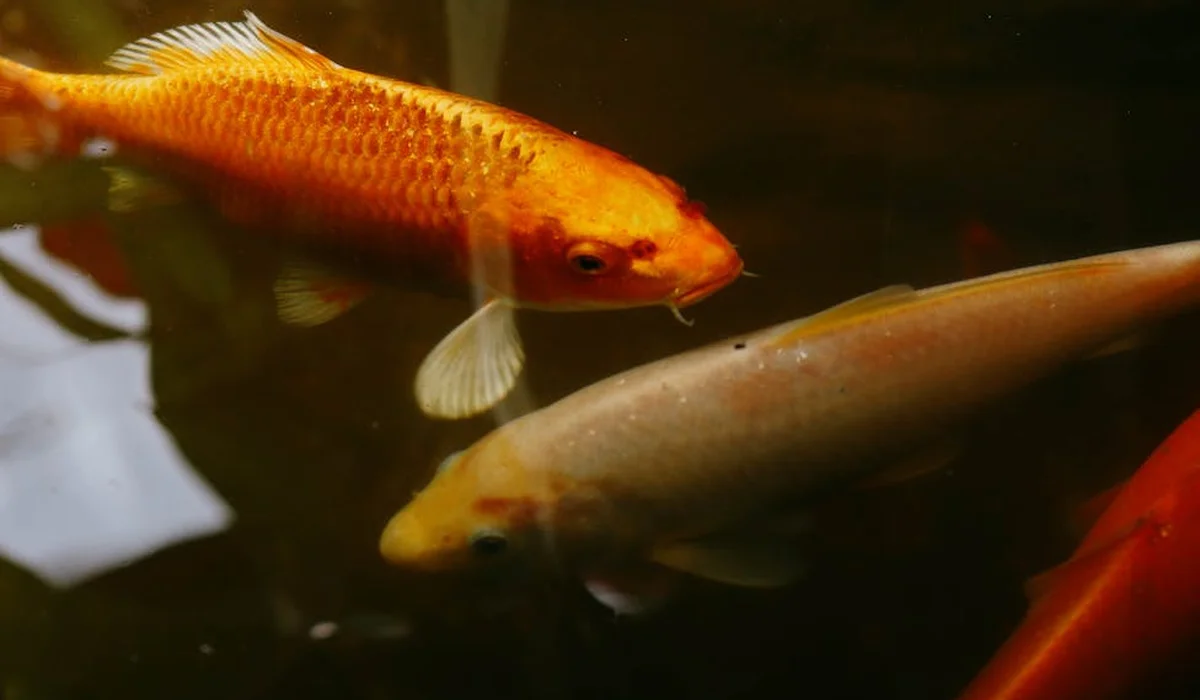
Running an aquarium doesn’t have to send your electricity bill soaring. Electricity usage in home aquariums mainly comes from lighting, pumps, and heaters. A few smart adjustments to your equipment and routine can lead to significant savings without compromising your aquatic ecosystem.
Switch to Efficient LED Lighting
I made the switch from old fluorescent bulbs to LEDs years ago, and the difference in my energy bill was noticeable. LED lights use up to 80% less energy than traditional lighting and produce far less heat, which can also reduce the workload on your tank’s heater. When you’re deciding which aquarium light is best—LED vs fluorescent vs halide—consider spectrum, intensity, and running costs. LED options often strike a good balance for many setups, but the best choice depends on your tank type and goals.
When shopping for LEDs, look for these key features:
- Full-spectrum capability to support both plant growth and fish colors.
- Adjustable intensity and a built-in timer for a consistent day/night cycle.
- A good mix of cool white and actinic blue LEDs for a natural shimmer.
Here is a simple way to retrofit your existing hood with LED strips:
- Measure the inside length of your aquarium hood.
- Purchase a waterproof, flexible LED strip light and a compatible power adapter.
- Thoroughly clean and dry the inside surface of the hood.
- Peel the adhesive backing and firmly press the LED strip into place.
- Connect the wires to the power adapter and plug it into a timer.
Optimize Heater and Filtration Use
Your heater and filter are the workhorses of your tank, but they don’t always need to work at maximum power. Lowering your tank’s thermostat by just one or two degrees can reduce heater runtime and save energy over the course of a year. Properly using your aquarium heater ensures a stable environment for your fish.
For filtration, choose a model rated for your tank’s size, not one that’s oversized. A filter that’s too powerful wastes electricity and creates stressful currents for your fish. Pick a filter whose flow rate aligns with your tank’s volume to maintain stable conditions, and always check the manufacturer’s recommended tank size to ensure a proper fit.
Follow these tips for long-term savings:
- Select a low-wattage, adjustable heater and place it near a water flow source for even heat distribution.
- Clean filter impellers monthly; a dirty impeller makes the motor work harder and use more electricity.
- Insulate the back and sides of your aquarium with polystyrene foam board, especially if the room is cool.
DIY and Upcycling Projects for Aquarium Care
You can create high-quality, custom aquarium supplies for a fraction of the store-bought cost. Getting creative with DIY projects not only saves money but also gives you complete control over the materials in your tank. However, it’s important to know which aquarium gear can you safely build.
Create Your Own Tank Decorations
Store-bought ornaments can be expensive, but your home is likely full of safe, aquarium-ready materials. I’ve used everything from old mugs to smooth river rocks I collected myself. Always prioritize non-toxic, inert materials that won’t alter your water chemistry.
Here are some items perfect for repurposing:
- Terracotta flower pots (make great caves for catfish like Shadow).
- Slate tiles or pieces for creating ledges and levels.
- Smooth, large-grained beach sand (must be thoroughly cleaned).
- PVC pipes for functional, if not naturally beautiful, fish tunnels.
Before anything goes in your tank, follow these cleaning steps:
- Scrub the item with a clean brush and hot water-no soap.
- Soak it in a solution of 1 part vinegar to 4 parts water for 15 minutes to dissolve mineral deposits.
- Rinse thoroughly under running water.
- For porous materials like wood, boil them for at least 20 minutes to sterilize and help them sink.
Simplify Maintenance for Water Quality and Savings
A clean tank doesn’t have to mean a drained wallet. The real secret to frugal fishkeeping is building a stable ecosystem that requires less intervention from you and your wallet. By shifting your focus from constant fixing to proactive balance, you save both time and money.
Implement Smart Water Testing
Water test kits are your crystal ball, predicting problems before they harm your fish. To make your test kit last, use test strips for daily quick-checks and save the more precise liquid tests for weekly in-depth analysis or when you suspect a problem. This stretches the more expensive liquid reagents much further. Essential aquarium water testing kits use these tools to help you keep the tank stable. Test regularly to catch issues early and act quickly when numbers drift.
- Write the date you open any test kit bottle directly on it with a permanent marker.
- Always cap reagents immediately and store them in a cool, dark place to prevent degradation.
- Master reading the nitrate (NO3) test. A slight pink tinge often means your tank is cycled and doing well, saving you from an unnecessary water change.
- If ammonia reads zero, you can often skip the nitrite test, as a cycled tank processes both.
Beyond testing, your maintenance routine itself is a goldmine for savings. I’ve found that a heavily planted tank, even with just easy java fern and anubias, can easily extend the time between water changes by a week or more. The plants consume the nitrates, naturally purifying the water for free.
- Vacuum only one-third of your substrate each water change. This preserves beneficial bacteria and takes less time.
- Use old tank water to rinse filter media instead of tap water. Chlorine in tap water kills the good bacteria you paid to cultivate.
- Wash reusable filter floss in a bucket of old tank water and reuse it 3-4 times before tossing it.
- Keep a dedicated, clean five-gallon bucket and a length of airline tubing for easy, low-tech siphoning that costs pennies.
Adopt Long-Term Savings Habits
Frugal fishkeeping is a mindset, not just a one-time purchase. The most significant savings come from habits that prevent expensive emergencies and repeat purchases. Think of it as investing a little effort now for a big payoff later.
Your local and online fish community is a treasure trove of free advice and cheap supplies. I’ve gotten priceless advice on local fish groups that saved a whole tank from a parasite outbreak, and I regularly trade plant trimmings with other hobbyists. You are not in this alone.
- Join a local aquarium society or Facebook group. The collective knowledge can help you avoid costly mistakes.
- Before you buy anything new, ask the group if anyone has one to sell or trade. Used equipment is often just as good.
- Attend club auctions or swaps. You can find incredibly healthy, locally-bred fish for a fraction of the store price.
Spending a little more upfront on the right gear pays for itself. A durable, adjustable heater from a reputable brand might cost $40, but it’s far cheaper than replacing a $15 heater that fails and cooks your fish. Quality equipment is a frugal choice.
- Invest in an LED light with a timer built-in. It saves electricity and provides a consistent day/night cycle for your fish and plants, reducing stress.
- Buy a quality water conditioner in a large, concentrated bottle. The cost per gallon is drastically lower.
- Choose standard-sized filter media you can buy in bulk and cut to size, rather than proprietary cartridges.
The 6-Month Savings Challenge
Track your progress! See how much you can save by implementing these habits. Here’s a sample of potential savings:
| Habit | Potential 6-Month Savings |
|---|---|
| Buying fish from local breeders vs. pet store | $50 – $100 |
| Making your own fish food | $30 |
| Extending water change schedule with plants | $15 (on water conditioner/dechlorinator) |
| Using a timer on lights & opting for an efficient filter | $20 – $40 (on electricity) |
FAQs
How can I further reduce heating costs for my aquarium during colder months?
Insulate the back and sides of your tank with polystyrene foam board to minimize heat loss, especially if the room is cool. Keep the aquarium away from drafty windows or doors, and consider using a tank cover to reduce evaporation, which can lower the heater’s workload. For optimal heater performance, place it where there is good water flow, such as near the filter outlet. Make sure it is fully submerged and not blocked by decor. Lowering the thermostat by just one degree can also lead to noticeable energy savings over time without affecting most tropical fish.
Are there any DIY alternatives to commercial water conditioners?
While commercial conditioners are safest for neutralizing chlorine and chloramines, you can aerate tap water for 24-48 hours to evaporate chlorine, but this method doesn’t remove chloramines. For a natural approach, aged water or using floating plants like duckweed can help absorb some impurities, but it’s not a reliable substitute for conditioners in ensuring fish safety. Always test water parameters before using any DIY method to avoid risks.
What is the lifespan of LED lights compared to traditional bulbs, and how does that affect cost savings?
LED lights typically last 50,000 hours or more, while fluorescent bulbs may need replacement every 10,000 hours, reducing long-term replacement costs. This extended lifespan means fewer purchases and less waste, combined with up to 80% energy savings from their efficiency. Over time, the initial investment in LEDs pays off through lower electricity bills and reduced maintenance.
How can participating in aquarium clubs lead to long-term savings?
Joining local or online aquarium clubs provides access to free expert advice, helping you avoid costly mistakes like improper tank setups or fish diseases. Members often trade or sell equipment, plants, and fish at discounted prices, cutting down on retail expenses. Building relationships in these communities can also lead to shared resources and group buys, further reducing costs over the years.
Happy Fishkeeping on a Budget
Focusing on smart shopping for supplies and optimizing your equipment for energy efficiency are the two most powerful ways to cut costs. Your most significant savings will always come from combining DIY solutions with energy-conscious habits.
Remember, being a frugal fish keeper doesn’t mean cutting corners on your pets’ well-being. The best investment you can make is your own continued education, ensuring a thriving, beautiful tank for years to come. Consider a month-by-month aquarium care plan and a full-year planner to stay on top of water changes, tests, and feeding. This steady cadence helps your tank flourish year-round.
Further Reading & Sources
- 14.13. Aquarium Electric Costs
- Budgeting for Your Aquarium: Costs and Savings Tips – Aquarium Keeping
- Aquarium Prices and Hours | Plan Your Visit | Aquarium of the Pacific
- 18 Aquarium Savings Tips: Proven Money Savers – Discover New Ideas
- Aquarium Power Consumption. Energy Cost of a Fish Tank
Lia is an expert in aquarium and pet fish care. Having worked in the marine industry and having cared for multiple pet fish, she has acquired first hand expertise on aquarium care, maintenance and setup. She always brings her practical expertise and science to help solve any aquarium related queries.
DIY Projects