
DIY Aquarium Gear: Build Smart, Not Sorry
Hello fellow fish keepers, have you ever stared at an expensive piece of aquarium equipment and wondered if you could build it yourself for less? That curiosity is totally normal, and tackling DIY projects can save you money and let you customize your tank exactly how you want.
This guide will walk you through the essentials, covering:
- Safety guidelines to prevent disasters in your aquarium
- Which gear is beginner-friendly to build and which to always buy
- Real cost comparisons between DIY and store-bought options
- Simple step-by-step projects you can start today
With over five years of hands-on experience maintaining high-tech planted tanks and breeding fish like bettas and goldfish, I’ve tested what works and what doesn’t in DIY aquarium setups.
Getting to Know DIY Aquarium Equipment
DIY aquarium gear is all about building your own equipment using common materials, from plastic bottles to PVC pipes. Many fish keepers choose this path not just to save money, but for the deep satisfaction of creating a custom solution for their tank’s unique needs. It turns a hobby into a hands-on craft. For a step-by-step path, our build your own custom fish tank complete diy guide covers design, sourcing, assembly, and testing.
Here’s a quick comparison to help you decide which path might be right for you.
- Cost: DIY is almost always cheaper upfront. A homemade sponge filter might cost a few dollars, while a store-bought one can be ten times the price. Store-bought items, however, offer predictable long-term value and often come with warranties.
- Customization: This is where DIY truly shines. You can build a filter that fits a weird corner of your tank or create a light hood for a specific plant’s needs. Store-bought gear offers limited sizes and features straight off the shelf.
- Safety: Commercial products are rigorously tested for electrical and material safety. With DIY, the responsibility for safety falls entirely on you, making it critical to use aquarium-safe materials and test everything outside the tank first.
My best advice is to begin with a simple, low-risk project like a sponge filter. This builds your confidence and understanding before you tackle anything involving water pumps or complex wiring.
DIY Filtration: Filters and Sponge Creations
Building your own filter is one of the most rewarding and practical DIY projects. A simple sponge filter provides excellent biological filtration, perfect for hospital tanks, shrimp tanks, or supplementing your main filter. The gentle flow is ideal for bettas and fry. Sponge filters are easy to assemble and maintain, making them an excellent choice for various aquarium setups.
Let’s see how a basic DIY sponge filter stacks up against a common store-bought model.
| Feature | DIY Sponge Filter | Store-Bought Sponge Filter |
|---|---|---|
| Cost | $3 – $8 | $15 – $30 |
| Effectiveness | Excellent biological filtration, weaker mechanical | Consistent biological and mechanical filtration |
| Reliability | High, if assembled correctly with no leaks | Very High, backed by manufacturer quality control |
| Maintenance | Rinse sponge in old tank water; may need DIY part replacement | Rinse sponge in old tank water; replacement parts easily available |
The hum of a DIY filter you built yourself is a uniquely satisfying sound. While a store-bought filter offers peace of mind, a well-built DIY version can be just as effective and far more personal.
How to Build a DIY Aquarium Filter
This is a basic internal filter project that’s great for small tanks under 10 gallons. Always do a dry run assembly first to ensure all your parts fit together nicely.
- Gather your materials and tools on a clean, dry workspace.
- Carefully cut your plastic bottle to the desired size, removing the label.
- Poke holes in the bottle cap for water intake and a larger hole in the bottle’s base for the tubing.
- Layer your filter media inside the bottle: coarse sponge on the bottom, then filter floss, and activated carbon on top if using.
- Insert the air stone connected to the airline tubing through the base hole, sealing it with silicone.
- Let the silicone cure completely for at least 24 hours as per the product instructions.
- The most critical step is to test your creation in a bucket of water for at least an hour before it ever goes near your fish tank. Check for leaks and ensure the air flow is strong and consistent.
Materials Needed for DIY Filters
You’ll be surprised what you can find around the house or at a local hardware store. The key is ensuring everything is clean and aquarium-safe.
- Plastic Water Bottle: A clean, label-free soda or water bottle acts as your filter body. You can find these in any recycling bin.
- Aquarium Sponge: Purchase a sheet of coarse filter sponge from a pet store or online. Never use a kitchen sponge, as they contain soaps and anti-mold chemicals.
- Airline Tubing: This is standard aquarium airline tubing, readily available and inexpensive.
- Air Pump: You’ll need a small air pump to power the filter. This is one component I recommend buying new.
- Aquarium-Safe Silicone: Look for a 100% silicone sealant that is explicitly labeled as safe for aquariums. Standard bathroom silicone often contains harmful mildew inhibitors.
Always rinse every component, especially new sponges and tubing, in dechlorinated water before assembly to remove any manufacturing dust or residues.
Making a Sponge Filter at Home
This is my go-to first project for anyone interested in DIY. It’s incredibly simple and highly effective.
- Take a cylindrical aquarium sponge and, using a long, sharp object, carefully bore a hole straight down through the center.
- Cut a short piece of rigid airline tubing or a pre-filter tube to act as the lift tube. It should be a few inches taller than the sponge.
- Push the rigid tube into the center hole of the sponge so it sits firmly at the bottom.
- Attach a flexible airline tube from your air pump to the top of the rigid lift tube.
- Connect a small air stone to the inside bottom of the rigid tube using a short piece of airline tubing. This creates smaller, more efficient bubbles.
- Place the entire assembly in a bucket of water and plug in the air pump. You should see a steady stream of bubbles rising up the tube, pulling water through the sponge with them. Let it run for an hour to confirm everything is working.
Once it’s tested, you can gently place it in your aquarium. Within a few weeks, that plain sponge will be a thriving city of beneficial bacteria.
Lighting Your Tank with DIY LED Solutions
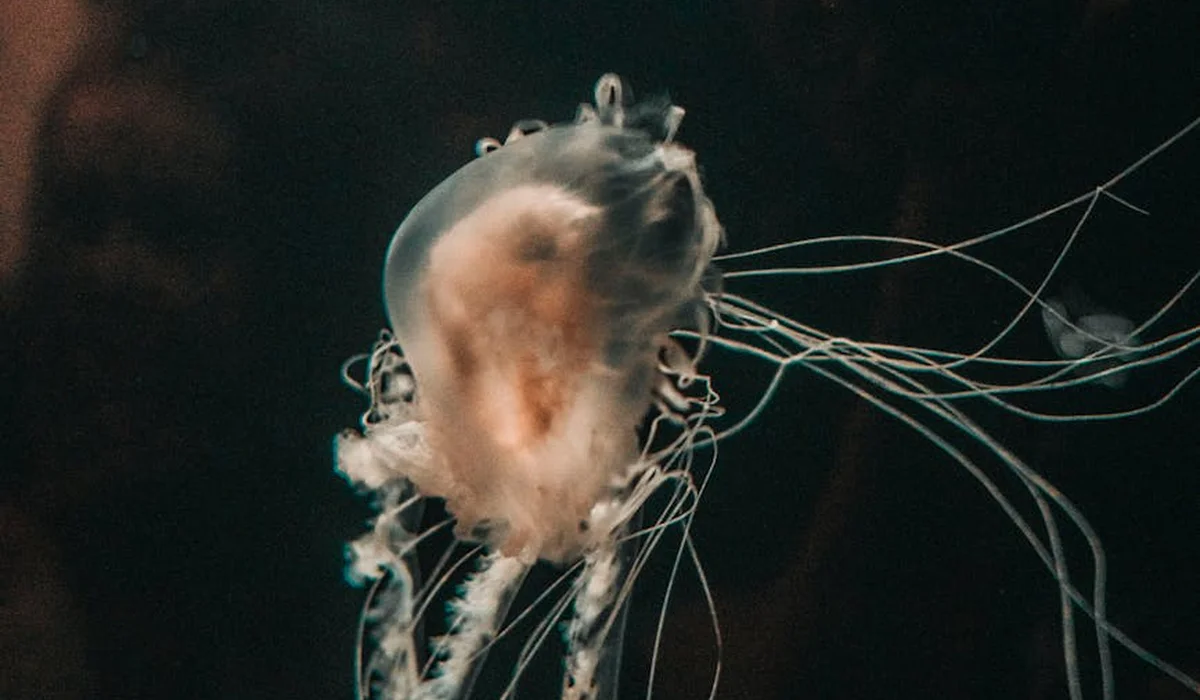
Creating your own aquarium LED lights is doable if you respect electrical safety and master waterproofing. I’ve built a few DIY fixtures over the years, and the custom color control really makes plant colors and fish scales shimmer. But one slip in sealing can lead to disaster, so approach this project with care. It’s essential to understand the basics of aquarium lighting before attempting any DIY projects.
Here’s a quick comparison between DIY and store-bought LED lights:
- Brightness: Store-bought units deliver consistent, high PAR values for plant growth; DIY setups vary based on LED choice and driver quality.
- Energy Efficiency: Both use low-wattage LEDs, but pre-built models often include optimized drivers that squeeze out more lumens per watt.
- Risk Factors: DIY carries shock and leak risks without proper grounding; commercial lights undergo safety testing and come with customer support.
Can I Build a DIY LED Aquarium Light?
Yes, you can, but it’s not for everyone. If you’re comfortable with basic wiring and patient with details, a DIY light can save money and fit odd tank sizes. Start by gathering these core components:
- High-quality LED chips or strips in cool white and red-blue spectrums
- Aluminum heat sinks to dissipate heat and extend LED life
- Waterproof epoxy or silicone to seal every connection
- Constant-current drivers to prevent LED burnout
Electrical hazards are real around water, so follow these steps to stay safe:
- Disconnect all power sources before touching any wires or LEDs.
- Mount LEDs on heat sinks with thermal adhesive to avoid overheating.
- Enclose the entire assembly in a waterproof acrylic or aluminum housing.
- Use a GFCI outlet and check for shorts with a multimeter before first use.
CO2 Systems for Planted Aquariums
DIY CO2 systems often rely on yeast fermentation in bottles to generate carbon dioxide for lush plant growth. I’ve used these setups in smaller tanks, and the gentle fizz from a DIY diffuser can really green up your aquascape. Still, they demand regular monitoring to keep CO2 stable and fish safe.
Compare DIY and store-bought CO2 systems here:
- Consistency: DIY output changes with room temperature and sugar depletion; pressurized systems provide a steady bubble count day and night.
- Safety: Homemade kits may leak or overpressurize; commercial units include pressure regulators and solenoid valves for automatic control.
Assembling a DIY CO2 Diffuser
Building a basic CO2 diffuser takes about 30 minutes with common household items. Always pressure-test your setup outside the tank to avoid CO2 spikes that stress fish. Follow these steps to assemble one safely:
- Clean a 2-liter plastic bottle and fill it with 1 cup sugar, 1 teaspoon yeast, and warm water.
- Drill a hole in the cap, insert airline tubing, and seal it with aquarium-safe silicone.
- Attach the other end of the tubing to a ceramic diffuser stone inside the tank.
- Place the bottle in a dark, warm spot to encourage CO2 production.
- Submerge all connections in a bowl of water to check for escaping bubbles before running it in the aquarium.
Watch your fish for gasping at the surface, and use a drop checker to track CO2 levels. In my experience, DIY CO2 works best in tanks under 20 gallons where fluctuations are easier to manage.
Heating and Air Circulation Gear

When it comes to heating and moving air in your aquarium, some DIY projects can save you money and add a personal touch, but others are best left to the professionals. I always prioritize safety and reliability to protect your fish and your home from avoidable hazards.
The Safety of DIY Aquarium Heaters
I strongly advise against building your own aquarium heater because the risks far outweigh any potential savings. DIY heaters can fail catastrophically, leading to fires, electrocution, or sudden temperature swings that stress or kill your fish. When you shop for a heater, choose the right size, type, and features for your tank to keep temperatures steady and safe. This means selecting the unit based on your tank volume and desired temperature, with attention to features like thermostat accuracy and auto shutoff.
Store-bought heaters are designed with safety in mind, featuring precise temperature controls and automatic shut-offs. In my years of fishkeeping, I’ve seen too many DIY heater attempts end in disaster, so I stick with trusted brands for peace of mind.
- Fire hazard: Exposed wiring or overheating can ignite nearby materials.
- Electrocution risk: Water and electricity don’t mix safely without proper insulation.
- Inconsistent heating: DIY setups often lack accurate thermostats, causing harmful temperature fluctuations.
- Leak potential: Improper seals can lead to water damage and short circuits.
For store-bought options, look for submersible heaters with adjustable thermostats and safety certifications. Investing in a quality heater ensures your tank stays at a stable 78°F for tropical fish, without guesswork.
Building a DIY Air Pump
Creating your own air pump is a fun project that can enhance oxygen levels and water movement. Focus on using simple, quiet components to avoid disturbing your fish or your home’s tranquility. For a complete guide on increasing oxygen levels in your aquarium, check out our step-by-step tips. You’ll learn proven methods to maximize aeration and support healthier fish.
- Gather materials: a small DC motor, a plastic impeller, vinyl tubing, and an airstone.
- Assemble the pump by attaching the impeller to the motor shaft inside a sealed container.
- Connect the tubing to the output and secure it with zip ties to prevent leaks.
- Test the pump in a bucket of water to check for noise and consistent bubbles before adding it to your tank.
A well-built DIY air pump should produce a gentle hum and steady bubbles, much like commercial models but at a fraction of the cost. Always run it for a few hours outside the aquarium to ensure it doesn’t overheat or fail. To keep it reliable, perform regular aquarium pump maintenance. Clean the impeller and tubing at recommended intervals to prevent clogs and wear.
Designing a DIY Sump
A sump adds extra filtration and water volume to your aquarium, and building one yourself can be rewarding. Start with a sturdy plastic container and plan baffles to direct water flow for efficient mechanical and biological filtration. (What is an aquarium sump and how does it work?)
- Choose a food-grade plastic container that fits under your stand or nearby.
- Install baffles using acrylic sheets and aquarium-safe silicone to create chambers.
- Add plumbing with PVC pipes and bulkheads for water inlet and return.
- Leak-test the sump by filling it with water outside the aquarium for at least 24 hours.
I’ve built several DIY sumps using old storage bins, and they work great as long as you take time to seal edges thoroughly. This setup helps maintain crystal-clear water and provides hiding spots for beneficial bacteria.
Plumbing and Water Management Setups
Managing water flow and changes is easier with some DIY ingenuity, but it requires careful planning to prevent leaks and overflows. Proper tubing and fittings are the foundation of any reliable aquarium plumbing system.
Selecting Tubing and Fittings
Choosing the right materials ensures your DIY projects are safe and long-lasting. Always opt for aquarium-safe options that won’t leach harmful chemicals into the water.
| Type | Size | Compatibility | Notes |
|---|---|---|---|
| Vinyl Tubing | 1/4″ to 1/2″ | Air pumps, filters | Flexible and affordable, but can kink over time. |
| Silicone Tubing | 3/8″ to 5/8″ | Heaters, CO2 systems | Heat-resistant and less likely to collapse, ideal for high-flow setups. |
| PVC Pipes | 1/2″ to 1″ | Sumps, overflows | Rigid and durable, but requires primer and cement for seals. |
I prefer silicone tubing for its clarity and ease of cleaning, which helps me spot blockages before they cause issues. Match sizes carefully to avoid pressure drops or leaks at connections.
Setting Up a DIY Water Change System
A gravity-based water change system saves time and reduces stress on your fish during maintenance. This DIY project uses simple tools to achieve a slow, controlled flow that mimics natural conditions.
- Gather a long hose, a valve to control flow, and buckets or a drain outlet.
- Position the hose from your tank to a lower point, using the valve to adjust the water release.
- Test the system with tap water first to ensure it flows steadily without splashing.
- Add dechlorinator to the new water as it enters the tank to protect your fish.
I use this method weekly, and it cuts my water change time in half while keeping the environment stable for fish like Goldie, who forage calmly during the process. Always monitor the flow to prevent over-draining.
Implementing a DIY Auto Top Off
An auto top off (ATO) maintains water levels by automatically adding freshwater as evaporation occurs. DIY ATOs with float valves are cost-effective, but require regular safety checks to avoid overflows.
- Use a container for freshwater, a float valve, and tubing connected to your sump or tank.
- Install the float valve at the desired water level, ensuring it moves freely.
- Test the system by simulating evaporation and watching for precise shut-off.
- Add a backup shut-off or alarm to prevent flooding if the valve fails.
Store-bought ATOs offer more reliability with electronic sensors, but a well-built DIY version can work beautifully for smaller tanks. In my setup, this keeps the water level consistent, reducing the risk of pump burn-out and stress on shy bottom dwellers like Shadow.
Safety and Testing for DIY Aquarium Projects
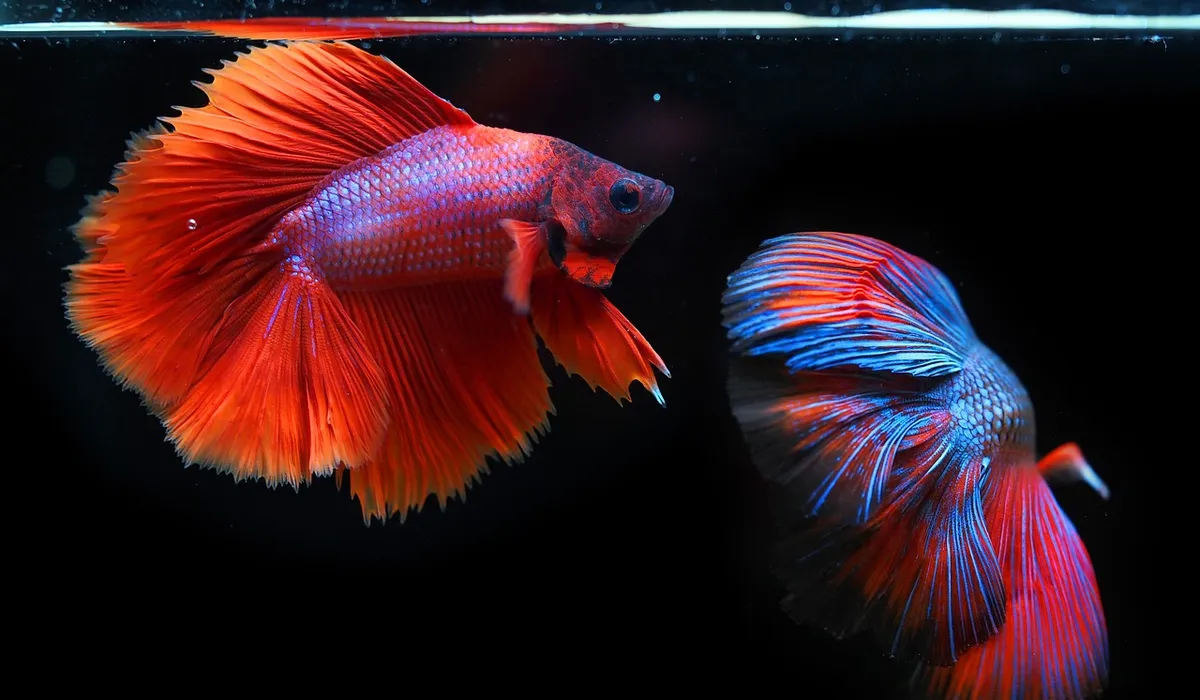
Building your own aquarium equipment can be incredibly rewarding, but your fish’s safety must always come first. Proper testing is not just a suggestion-it’s your responsibility as an aquarist to create a stable environment. A single small leak or electrical fault can lead to disaster, so never skip these crucial verification steps. To make sure you cover all bases, consult our test your aquarium water properly step-by-step guide. It walks you through precise testing for pH, ammonia, nitrite, nitrate, and more.
How to Test DIY Gear for Safety
Before any DIY creation meets your tank, it needs to pass two critical exams: one for water and one for electricity. I always test new builds for at least 24-48 hours to catch slow failures.
- Water Leak Test: Fill a large bucket or plastic tote with water. Submerge your DIY item completely. Apply gentle pressure to simulate water weight. Watch closely for at least one hour for any tiny bubbles escaping, which indicate a leak. For larger items like sumps, fill them and let them sit in a bathtub for a full day.
- Electrical Safety Check: For any device involving electricity, use a multimeter. Set it to test for continuity. Place one probe on the device’s metal part and another on a known ground. You should get no reading. Any continuity beep means a dangerous short exists. Also, listen for the faint hum of electricity when plugged in away from water; a buzzing sound can indicate a faulty connection.
I never plug a DIY electrical device directly into a wall outlet for its first test; I use a GFCI-protected outlet or an extension cord for that vital initial layer of protection.
Tools Needed for DIY Builds
Having the right tools on hand makes projects safer and results more professional. This isn’t an exhaustive list, but these are my non-negotiables.
- 100% Silicone Sealant (Aquarium-Safe): Look for a label that explicitly says “safe for aquariums.” Standard silicone often contains mold inhibitors that are toxic to fish.
- Sharp Utility Knife/Scissors: For clean cuts on tubing and materials. A ragged edge can cause leaks or fail under pressure.
- Digital Multimeter: This is your best friend for electrical safety. It checks for shorts, verifies voltage, and tests pump functionality.
- Measuring Tape and Calipers: Precision is key. A small measurement error can make a lid not fit or a pipe connection leak.
- Deionized or RO Water: Use this for your final rinse and testing to prevent mineral spots and avoid introducing contaminants during the test phase.
Investing in a good multimeter is cheaper than replacing all the fish and invertebrates in a stocked tank after an electrical accident.
Preventing Leaks in DIY Equipment
Leaks often start at the seams. A perfect seal is about patience and technique, not just the right glue.
- Surface Prep is Everything: All surfaces must be bone dry, dust-free, and roughened up with fine-grit sandpaper. Silicone doesn’t stick well to smooth, glossy plastic.
- Apply a Bead, Then Smooth: Apply a continuous, generous bead of silicone. Then, dip your finger in soapy water and run it along the bead to create a smooth, concave fillet. This pushes the sealant deep into the joint.
- Cure Fully: Let the silicone cure for the full time listed on the tube, usually 24-48 hours. Don’t rush it. After it feels dry, it needs another 24-48 hours to fully off-gas any acetic acid.
- Choose the Right Materials: Use solid acrylic or glass. Avoid porous materials like certain woods or standard PVC, which can leach chemicals or warp over time.
The clarity of your water depends on the integrity of your seals; a proper cure is what separates a temporary fix from a permanent solution.
Common Mistakes to Avoid
I’ve made some of these errors myself over the years. Learning from them saves time, money, and heartache.
- Using Non-Aquarium Safe Materials: Standard PVC cement, certain plastics, and metals (especially copper) can poison your water column. Always verify material safety before purchase.
- Rushing the Cure or Test Time: That “dry to the touch” feeling is a trap. Impatience is the number one cause of DIY failure. Give every project the full curing and testing time it demands.
- Overlooking Water Pressure: A small container might hold water in a bucket test, but the dynamic pressure from a pump can find weaknesses you didn’t know were there. Test with the pump running.
- Ignoring GFCI Protection: Any DIY electrical device, even a simple LED light, must be plugged into a Ground Fault Circuit Interrupter outlet. This device can sense a current leak and cut power in milliseconds, potentially saving lives.
- Forgetting About Long-Term Wear: A plastic fitting might seem fine now, but will it become brittle in a year? Consider how materials will age in a warm, humid, and constantly wet environment.
Your aquarium is a closed system, and every component you add, store-bought or homemade, becomes part of its delicate balance.
Common Questions
How to choose tubing and fittings for DIY aquarium gear?
Select tubing and fittings specifically labeled as aquarium-safe to prevent chemicals from leaching into the water. For air-driven equipment like sponge filters, flexible vinyl tubing works well, while silicone tubing is better for higher temperatures and flow rates. Always match the inner diameter of your tubing precisely to the fittings to ensure a snug, leak-free connection.
How to implement a DIY auto top off system?
A simple DIY auto top off (ATO) system can be made using a container of fresh water, a length of tubing, and a mechanical float valve. The float valve is installed in your sump or tank at the desired water level and connected to the water container, automatically opening to add water as levels drop from evaporation. It is crucial to include a backup or regular manual checks to prevent the float valve from sticking and causing an overflow.
What is the best DIY heater for an aquarium?
Building a DIY aquarium heater is highly discouraged due to the extreme risks of electrocution, fire, and fatal temperature swings for your fish. The safest and most reliable approach is to purchase a high-quality, submersible store-bought heater with an adjustable thermostat and safety certifications. This ensures consistent, safe heating without jeopardizing your tank’s inhabitants or your home. If you plan to use an aquarium heater, follow a clear step-by-step setup guide to ensure proper installation and safe operation. A straightforward step-by-step guide can help you position the heater, set the thermostat, and monitor the temperature for stability.
What tools do I need for DIY aquarium builds?
Essential tools for most DIY aquarium projects include a sharp utility knife for clean cuts, a measuring tape for precision, and aquarium-safe silicone sealant for creating watertight seals. A digital multimeter is also critical for safely testing any electrical components for shorts or faulty wiring before use. Having the right tools makes builds safer and results more professional, especially when reselling an aquarium.
Your Tank, Your Call
The safest path is to buy your life-support equipment like filters and heaters, but feel free to get creative with decorations, stands, and simple tools. This hybrid approach lets you personalize your setup without gambling on your fishes’ health.
Every choice you make for your aquarium, from the substrate to the light above it, directly impacts the living creatures in your care. Stay curious, keep asking questions, and your knowledge will grow alongside your thriving underwater ecosystem.
Further Reading & Sources
- DIY Aquariums – Custom Aquariums
- Trying to compile a master list of aquarium-safe DIY materials | DIY – Do It Yourself Forum
- DIY Glass Aquarium Plans & Step-by-Step Instructions
- DIY PVC Aquarium Decorations : 9 Steps – Instructables
- r/Aquariums on Reddit: Homemade aquarium decorations
Lia is an expert in aquarium and pet fish care. Having worked in the marine industry and having cared for multiple pet fish, she has acquired first hand expertise on aquarium care, maintenance and setup. She always brings her practical expertise and science to help solve any aquarium related queries.
DIY Projects