
Your Dream Aquarium Awaits: The Complete DIY Custom Tank Guide
Hello fellow aquarists. You’ve browsed the big box stores and stared at the same generic tank shapes, dreaming of something that fits your space and vision perfectly.
This guide is for you. Building your own custom aquarium is a deeply rewarding project that gives you total control over size, style, and cost.
We will walk through everything you need to know, including:
- Accurate planning and design for your unique space
- Choosing the right materials and glass thickness
- A fail-safe, step-by-step silicone sealing technique
- Essential leak testing and safety checks
I’ve built dozens of custom tanks over the years, from simple rimless cubes to complex paludariums, and I’m here to help you succeed on your first try.
Planning Your DIY Aquarium Project
Assessing Your Space and Needs
Start by walking around your home and imagining where the tank will live. I always look for a spot away from direct sunlight to prevent algae blooms, and I make sure the floor can handle the weight-water is heavy, about 8.3 pounds per gallon. Choosing a stable, level surface prevents stress on the seams and avoids potential disasters.
Consider what fish you plan to keep, as their needs dictate tank size. For example, a single betta like Captain Fin thrives in a 5-gallon tank, but Goldie the goldfish requires 20-30 gallons due to their waste output. Your fish’s adult size and behavior should guide your dimensions, not just aesthetics.
- Measure the length, width, and height of your chosen space, adding extra inches for equipment.
- Check for nearby electrical outlets for filters and heaters to avoid extension cords.
- Think about foot traffic; a quiet corner reduces stress for shy fish like Shadow the Corydoras.
- Assess room temperature swings, as consistency keeps fish healthy.
Setting a Budget and Timeline
Be honest about what you can spend, because costs add up fast. My first DIY tank cost $150 for materials, but I forgot to factor in the filter and heater, blowing my budget. Always include a 20% cushion for unexpected expenses like extra silicone or better glass.
Break down your budget into categories to stay organized. Here’s a simple list I use:
- Materials: Glass or acrylic, silicone, sealing tape-about $50-$100 for a small tank.
- Tools: Glass cutter, clamps, caulking gun-if you don’t own them, rent or borrow to save.
- Equipment: Filter, heater, substrate-this can range from $50 to $200 depending on quality.
- Livestock and plants: Fish like Goldie or plants for Shadow-set aside $30-$50.
For timeline, give yourself at least a weekend to build the tank, plus another week for silicone curing and cycling. Rushing the cure time can lead to leaks, so patience here saves you from heartbreak later.
Choosing Materials for Your Custom Build
Glass vs. Acrylic: Which is Right for You?
I’ve built tanks with both, and each material sings a different tune. Glass offers that classic, scratch-resistant clarity, while acrylic bends to your whims for curved designs. Your decision hinges on whether you value durability or design flexibility more. In this acrylic vs glass aquariums ultimate pros cons showdown, we’ll weigh the trade-offs. From scratch resistance and clarity to impact strength and price, the right choice depends on your setup and goals.
| Feature | Glass | Acrylic |
|---|---|---|
| Clarity | Stays crystal clear for years, no yellowing | Initially very clear, but may yellow with age and UV exposure |
| Weight | Heavier and more rigid, requiring sturdy stands | Lightweight, easier to move and install |
| Scratch Resistance | High-algae scrapers won’t leave marks | Low-easily scratched, needs careful cleaning |
| Cost | Generally cheaper for standard sizes | More expensive, but allows custom shapes |
| Impact Resistance | Can shatter if struck hard | Less likely to break, more forgiving |
In my experience, glass is better for beginners because it’s harder to damage during maintenance. Acrylic tanks can develop fine scratches over time, which might cloud that shimmering view of your fish. Hard water stains can be a common challenge to clean. Glass surfaces tend to wipe clean with standard glass cleaners, while acrylic requires gentler cleaners to avoid hazing or scratching.
Essential Supplies and Tools
Gather everything before you start-it keeps the process smooth. I learned this after running out of silicone mid-build and having to redo a seam. Having the right tools on hand turns a frustrating project into a fun, rewarding day.
Here’s what you’ll need for a basic glass tank build:
- Glass or acrylic sheets: Cut to size with polished edges for safety.
- Aquarium-safe silicone: Look for 100% silicone without mildew inhibitors.
- Glass cutter or acrylic scoring tool: A sharp one makes clean cuts.
- Clamps or masking tape: To hold pieces together while silicone sets.
- Measuring tape and level: Precision ensures a leak-proof build.
- Caulking gun: For easy silicone application.
- Razor blade or scraper: To clean up excess silicone for a neat finish.
- Safety gear: Gloves and goggles protect you from sharp edges and chemicals.
Don’t skip the safety gear; I once nicked my finger on glass and it slowed me down for days. Protecting yourself lets you focus on creating a beautiful home for your aquatic friends.
Building the Tank Structure Step-by-Step

Step 1: Measuring and Cutting Your Panels
Grab a quality tape measure and a fine-tip marker for clear lines. You will measure the glass or acrylic panels for the front, back, sides, and bottom. I always add an extra 1/16 inch to my measurements to account for the silicone seam thickness. Precision here prevents water from finding a way out later.
Use a glass cutter with a carbide wheel for glass, or a plastic scoring tool and straight edge for acrylic. Score the panel firmly in one continuous motion. For glass, gently tap from underneath along the score line to snap it cleanly. Wear safety glasses and gloves-tiny shards are sharp. This single pass technique gives you a cleaner break than going over the line multiple times.
- Measure twice, cut once-this old adage saves materials and frustration.
- Use a stable, flat surface for cutting to avoid slips.
- Sand the cut edges smooth with wet/dry sandpaper to prevent injury and ensure a good seal.
Step 2: Assembling and Sealing the Tank
Lay the bottom panel on a level surface. Apply a thick, continuous bead of 100% silicone aquarium sealant along the edges where the side panels will attach. I prefer a bead about the width of a pencil for standard-sized tanks. Press the first side panel firmly into place, using masking tape to hold it upright while you work. A consistent bead without gaps is your best defense against leaks.
Attach the remaining panels one by one, ensuring all corners are square. Run a smooth, wet finger along the interior seams to create a concave fillet and remove excess sealant. This not only looks professional but strengthens the bond. Let the silicone cure for at least 48 hours in a warm, dry area before any water test.
- Clean all glass edges with rubbing alcohol before applying silicone to remove oils and dust.
- Use corner clamps or heavy books to keep panels aligned as the silicone sets.
- After curing, fill the tank with water and let it sit for 24 hours to check for any slow seeps.
Step 3: Constructing a DIY Stand and Lid
Build your stand from sturdy lumber like 2x4s, ensuring it can support at least 1.5 times the tank’s filled weight. A simple box frame with cross-bracing is a reliable design I’ve used for years. The top must be perfectly level-use a spirit level to check. An uneven stand stresses the glass seams and can lead to catastrophic failure.
For the lid, cut acrylic or polycarbonate sheets to size, allowing a small gap for equipment cords. Drill ventilation holes to reduce condensation and heat buildup. You can hinge it with small plastic hinges for easy access. A well-fitted lid keeps curious fish in and reduces water evaporation significantly.
- Seal wooden stands with a waterproof paint or polyurethane to protect against moisture.
- Add a center support beam for tanks longer than 36 inches to prevent sagging.
- For a budget lid, use window screen framing kits from a hardware store for a lightweight option.
Setting Up Filtration and Equipment
Selecting the Right Filtration System
Your filter is the heart of your aquarium, working nonstop to keep water clear and fish healthy. I always tell fellow hobbyists that picking the wrong one can lead to cloudy water and stressed fish, so let’s get it right. Choose a filter rated for at least four times your tank’s volume per hour to handle waste effectively. For a 20-gallon tank, aim for 80 gallons per hour (GPH) or more, especially if you have messy eaters like goldfish.
You have several options, each with pros and cons. HOB filters hang on the back and are great for beginners because they’re simple to install. Canister filters sit under the tank and offer superior mechanical and biological filtration, perfect for larger setups. Sponge filters are gentle and ideal for breeding tanks or shrimp, as they won’t suck up tiny fry.
- Hang-on-Back (HOB): Easy to clean, affordable, and good for tanks up to 75 gallons. I use these in my betta tanks for their reliability.
- Canister Filter: Handles heavy bioloads, quiet operation, and customizable media. In my 55-gallon planted tank, a canister keeps the water pristine with minimal noise.
- Sponge Filter: Budget-friendly, oxygenates water, and safe for small fish. It’s my go-to for nursery tanks where delicate fry need protection.
Consider your fish’s needs when selecting. For example, bettas prefer low flow to avoid fin damage, while cichlids need strong currents. Always test the filter flow before adding fish to ensure it matches their natural habitat. I learned this the hard way when a powerful filter stressed out my shy corydoras-now I adjust flow valves for a gentle current.
Installing Heaters and Lighting
Heaters and lights create a stable environment, mimicking the warm, sunlit waters your fish crave. Start with the heater: submersible models are safest and most accurate. Install the heater near a water flow source, like the filter outlet, to distribute heat evenly and prevent hot spots. For most tropical fish, set it between 76-80°F; goldfish do well at 68-74°F.
Calculate heater wattage based on tank size-5 watts per gallon is a good rule. In a 30-gallon tank, use a 150-watt heater. I always keep a backup heater handy because failures can happen, and sudden temperature drops harm fish.
- Place the heater diagonally or horizontally for better heat dispersion.
- Use a thermometer on the opposite side to monitor temperature accurately.
- Secure the heater with suction cups to avoid contact with decor or glass.
Lighting affects both fish behavior and plant growth. LED lights are energy-efficient and long-lasting, offering full spectrum options for planted tanks. Set a timer for 6-8 hours daily to reduce algae and give fish a consistent day-night cycle. In my setups, I use dimmable LEDs to simulate dawn and dusk, which calms fish like Goldie, my oranda goldfish, during feeding times.
For planted tanks, aim for 2-3 watts per gallon if using fluorescent, or adjust LED intensity based on plant needs. Low-light plants like java fern thrive under basic LEDs, while high-light carpeting plants need stronger fixtures. Position lights evenly across the tank to avoid shadows and promote uniform plant growth. Different aquarium plants require varying amounts of light. Some species do well with low light, while others need bright, sustained exposure. I’ve found that staggering light periods-say, 4 hours on, 2 off, then 4 on-can curb algae without harming plants.
Aquascaping and Adding Substrate
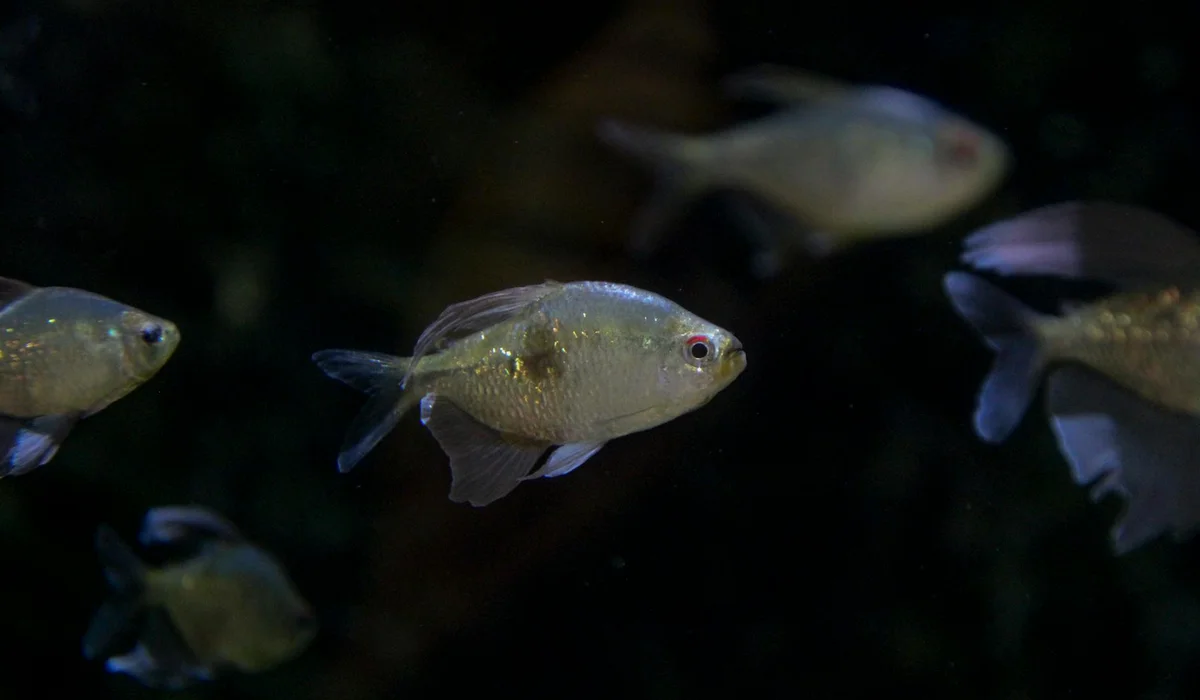
Getting your substrate and hardscape right sets the stage for a thriving underwater world. I always start by visualizing the final look, as this foundation impacts everything from plant growth to fish behavior. A well-planned base reduces maintenance and keeps your water crystal clear.
Laying Substrate and Hardscape
Begin with a clean, dry tank to avoid cloudiness. For most planted tanks, I recommend a substrate depth of 2 to 3 inches to allow roots to anchor and nutrients to circulate. You can slope it higher in the back for a natural, dimensional effect.
Choose your substrate based on your tank’s needs. Inert substrates like sand or gravel are durable and budget-friendly, while active substrates like aquasoil release nutrients that boost plant health. I often mix a thin layer of aquasoil under sand for a balanced, cost-effective approach.
- Fine sand: Ideal for bottom-dwellers like corydoras, as it prevents barbel damage.
- Coarse gravel: Allows better water flow but may trap debris; rinse thoroughly before use.
- Aquasoil: Lowers pH slightly, perfect for soft-water fish and demanding plants.
Place hardscape items like driftwood or lava rocks before adding water. Soak driftwood for a week to prevent tannins from discoloring your water, though some fish enjoy the slight tint for its antibacterial properties. Arrange rocks in odd numbers and secure them to avoid toppling-I use aquarium-safe silicone for stability.
- Rinse substrate in a bucket until water runs clear to remove dust.
- Layer substrate evenly, sloping toward the back for depth.
- Position hardscape to create hiding spots and visual flow, leaving open swimming areas.
- Press down gently to eliminate air pockets that can harbor harmful bacteria.
Planting and Top-Scaping Techniques
Planting transforms your tank from empty to lush. I always keep plants moist during setup by misting them lightly to prevent shock. Use tweezers for precision, especially with delicate stems.
Group plants by growth habits for a natural look. Place taller species like Vallisneria in the background, mid-height plants like Anubias in the middle, and carpeting plants like Dwarf Hairgrass in the front. This layering mimics wild habitats and gives fish plenty of cover.
- Stem plants: Insert cuttings deeply into substrate; they often root quickly and can be trimmed to propagate.
- Rhizome plants: Attach to hardscape with thread or glue; never bury the rhizome or it may rot.
- Floating plants: Add after filling the tank; they reduce algae by shading light and absorbing excess nutrients.
Top-scaping includes the final touches above the waterline. I love adding emergent plants like Pothos, with roots submerged to filter nitrates and leaves trailing out for a jungle vibe. Keep lighting in mind-low-tech tanks do well with hardy species like Java Fern, while high-tech setups can support colorful stems like Rotala.
- Fill the tank halfway with water to ease planting and minimize disturbance.
- Plant from back to front, spacing species to allow for growth and water circulation.
- Use a gentle flow from a hose or cup to fill the rest, avoiding substrate displacement.
- Trim any dead leaves and adjust hardscape as needed before turning on filters.
Cycling Your Aquarium for Fish Health
Understanding the Nitrogen Cycle
Think of the nitrogen cycle as your tank’s built-in, invisible waste treatment plant. This natural process is the single most important factor for keeping your fish alive and thriving, as it converts toxic fish waste into safer substances. When fish produce waste and uneaten food decays, it releases ammonia. Ammonia is highly poisonous, burning fish gills and causing severe stress. That’s why the nitrogen cycle is crucial in your aquarium. It keeps ammonia, nitrite, and nitrate under control, safeguarding fish health.
Here is the step-by-step breakdown of this vital cycle:
- Beneficial bacteria (Nitrosomonas) grow in your filter and substrate, consuming the toxic ammonia and turning it into nitrite.
- Nitrite is also dangerous, preventing fish from absorbing oxygen. A second type of bacteria (Nitrobacter) then develops.
- These bacteria consume the nitrite and convert it into nitrate, which is far less harmful in smaller quantities.
- You then manage nitrate levels through regular weekly water changes and with live aquarium plants, which use it as fertilizer.
You cannot rush this bacterial growth. A full cycle typically takes 4 to 8 weeks, and the only way to know it’s working is by testing your water with a liquid test kit. I never rely on test strips for cycling; their results can be misleading. You are waiting for the magic numbers: 0 ppm ammonia, 0 ppm nitrite, and some level of nitrate. That’s your green light.
Adding Fish and Monitoring Water
Once your tests confirm the cycle is complete, the real fun begins. Your first instinct will be to add a bunch of fish, but patience here prevents tragedy later. The bacterial colony you’ve worked so hard to grow is only large enough to handle a small bioload. Start with just a few, small, hardy fish like a single betta or a small school of zebra danios.
Follow these steps for a safe introduction:
- Turn off the aquarium lights to reduce stress on the new arrivals.
- Float the sealed fish bag in your tank for 15-20 minutes to equalize the temperature.
- Every 10 minutes, add a small amount of your tank water into the bag. Do this 2-3 times.
- After about 45-60 minutes total, gently net the fish from the bag and release it into the tank. Do not pour the bag water into your aquarium.
Your job now shifts to diligent monitoring. For the first month with new fish, test your water parameters at least twice a week to ensure your filter’s bacteria can keep up with the new waste. If you see any trace of ammonia or nitrite, perform an immediate 25-30% water change. This is your emergency brake.
Watch your fish’s behavior as closely as you test the water. Clear water doesn’t always mean healthy water; your fish will tell you the real story through their activity and appetite. If they are active, eager to eat, and have clear fins, you are on the right track. Gasping at the surface or clamped fins are a red flag that demands a water test and change. This careful start builds the foundation for a stunning, crystal-clear ecosystem.
Safety and Long-Term Maintenance
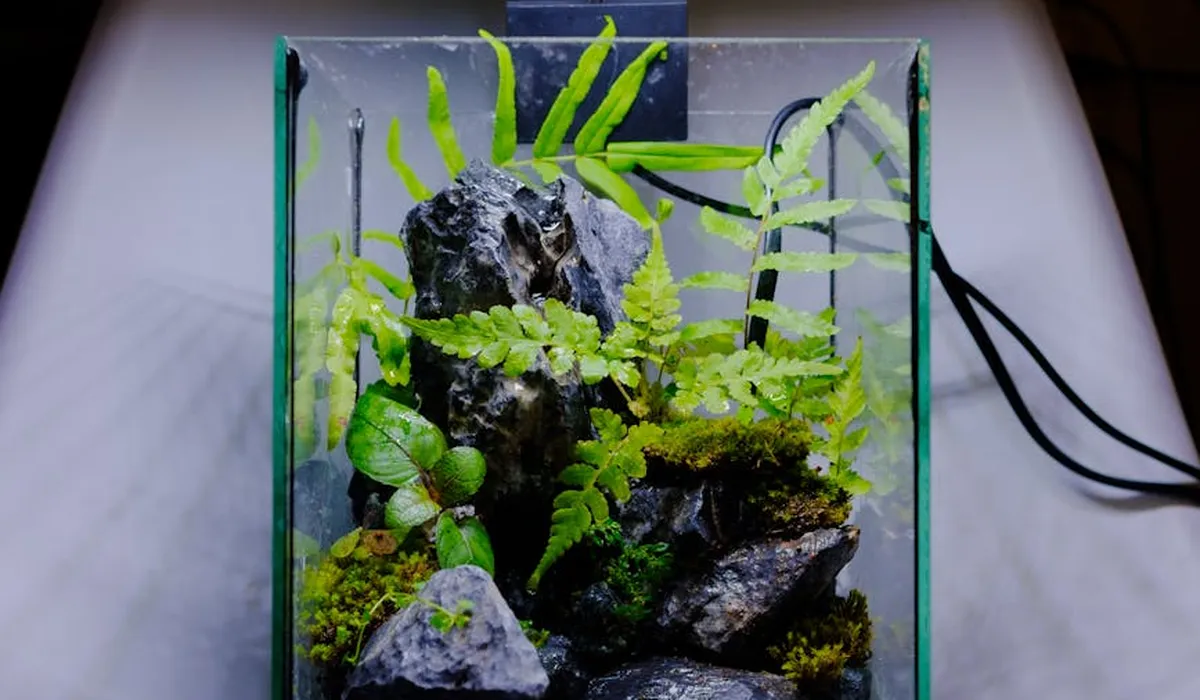
Essential Safety Practices During Build
Building your own tank is exciting, but your safety comes first every single time. I always suit up with cut-resistant gloves and impact-rated goggles before I even touch a pane of glass-it’s a non-negotiable habit that has saved me from nasty cuts and flying debris. Glass edges can be sharper than they look, and silicone adhesive can irritate your skin, so covering up is your best defense.
Work in a space with good airflow to avoid breathing in fumes from silicone or solvents. Proper ventilation keeps the air clear and prevents headaches or dizziness, letting you focus on a precise, leak-proof seal. I set up a small fan nearby when I’m applying silicone, and it makes a huge difference in comfort and safety.
Use the right tools for each step to avoid accidents. A sharp glass cutter with a firm grip gives you cleaner breaks and reduces the risk of shattering, while a caulking gun with a smooth trigger helps you apply silicone evenly without messy slips. Rushing through cuts or seals is how mistakes happen, so take your time and double-check measurements.
- Wear gloves and goggles at all times when handling glass or acrylic.
- Keep your work area clean and free of clutter to prevent trips or falls.
- Use clamps or a second pair of hands to hold panels steady during assembly.
- Dispose of glass scraps safely in a sealed container to protect pets and kids.
Test your seams for leaks before adding substrate or decor. Fill the tank with water in a safe spot like a garage or patio, and let it sit for 24 hours to confirm everything holds-this simple check gives you peace of mind and avoids a watery disaster later. I learned this the hard way with my first DIY project, and now I never skip it.
Routine Care and Repair Tips
Once your tank is up and running, consistent care keeps it thriving for years. Stick to a weekly water change of 20-25% to dilute nitrates and replenish minerals, which helps your fish like Goldie stay active and vibrant. That routine also lets you spot small issues early, like a tiny crack or algae buildup, before they become big problems.
Listen to your equipment-the hum of the filter should be steady, not strained. If you hear grinding or sputtering, clean the impeller or check for clogs to prevent motor failure and maintain crystal-clear water. I give my filters a quick rinse in old tank water during water changes to preserve beneficial bacteria and keep flow strong.
Inspect silicone seams and glass edges monthly for wear or peeling. For minor repairs, drain the water below the issue, dry the area thoroughly, and apply a fresh bead of 100% silicone aquarium sealant-it’s a fix that takes minutes but adds months to your tank’s life. Avoid generic sealants; they can leach toxins that harm sensitive fish like Shadow.
- Test water parameters weekly with a liquid kit for pH, ammonia, and nitrites.
- Scrape algae off glass with a magnetic cleaner to avoid scratching the surface.
- Trim overgrown plants and vacuum substrate to remove debris and prevent rot.
- Check heater and thermometer accuracy to keep temperatures within 1-2 degrees of your goal.
Balance your ecosystem with live plants and mindful feeding. Adding fast-growing species like java fern or anacharis naturally reduces algae by competing for nutrients, creating a healthier home for all your fish. It’s important to balance nutrients to prevent algae growth in planted tanks. I’ve found that a planted tank needs less chemical intervention and stays clearer with minimal effort.
Handle emergencies like a small leak by moving fish to a temporary container with an air stone. Patch the leak with a waterproof epoxy putty from the outside as a quick fix, but plan to reseal the entire seam soon for a permanent solution. Staying calm and prepared means your aquatic friends stay safe through any hiccups.
Common Questions
How do I build a sturdy DIY fish tank stand?
Construct your stand from strong, kiln-dried lumber like 2x4s, ensuring the top is perfectly level to prevent stress on the tank seams. For stability, include cross-bracing and a center support beam for tanks longer than 36 inches. Always seal the wood with a waterproof polyurethane to protect it from moisture and potential spills. Before filling, double-check that the top remains level. A level surface promotes proper water distribution across the base and helps prevent stress on the tank seams.
What is the best way to make a DIY fish tank lid?
You can create a custom lid by cutting acrylic or polycarbonate sheets to size, leaving small gaps for equipment cords. For ventilation, drill small holes to reduce condensation, and attach plastic hinges for easy access during feeding and maintenance. A budget-friendly alternative is to build a frame using a window screen kit, which is lightweight and allows for good gas exchange.
Is a DIY stand for a 55-gallon tank different from one for a 20-gallon?
Yes, the main difference is the required structural strength due to the significant weight; a 55-gallon tank weighs over 450 pounds when filled. The stand must be built with a more robust frame, often using thicker lumber and additional bracing, to safely support this load. The design principles are the same, but the scale and material strength are critically increased for the larger tank.
Can I make my own tool for water changes?
Yes, a simple water remover can be made with a length of food-grade vinyl tubing to start a siphon for draining. For a more advanced setup, you can attach the tubing to a plastic gravel vacuum head to clean the substrate while removing water. This DIY approach is cost-effective and gives you full control during routine maintenance.
Ready to Dive Into Your DIY Project?
Focus on precise measurements and safe, non-toxic materials to construct a sturdy, leak-proof tank. This is a beginner-friendly step-by-step guide to building a home aquarium tank. A well-planned build not only saves you time and money but directly supports the long-term health of your fish.
Caring for your custom aquarium means committing to regular water testing and attentive fish observation. I encourage you to join online forums or local clubs to continuously expand your knowledge and connect with fellow hobbyists.
Further Reading & Sources
- Custom Aquarium Design: Your Complete Guide
- Free Online Aquarium Designer | MyAquariumBuilder
- Saltwater Aquariums – Custom Aquariums
- PNW Custom Aquariums & Acrylics
- Peninsula Tank Build – The Custom Aquarium – ReefBum
Lia is an expert in aquarium and pet fish care. Having worked in the marine industry and having cared for multiple pet fish, she has acquired first hand expertise on aquarium care, maintenance and setup. She always brings her practical expertise and science to help solve any aquarium related queries.
DIY Projects