
The Art of Peaceful Coexistence: Your Guide to Choosing Community Tank Fish
Hello fellow fish keepers. That dream of a serene, vibrant aquarium can feel out of reach when your fish are chasing each other or hiding constantly. Getting the mix right is the single most important step toward a thriving underwater world.
This guide walks you through the key aspects of building a harmonious community, covering:
- Water parameter compatibility for health and stress reduction.
- Temperament and aggression levels to prevent bullying.
- Appropriate adult size and tank space to avoid overcrowding.
- Dietary needs and feeding zones so every fish gets its share.
I’ve spent years cultivating balanced tanks and breeding fish, from my feisty betta Captain Fin to my shy corydoras Shadow, learning these lessons firsthand.
What Makes a Happy Community Tank?
Think of your aquarium as a small, underwater neighborhood. For it to thrive, all the residents need to get along and have their basic needs met. A truly happy community tank is one where you see natural behaviors, not constant stress or hiding. You’ll witness your fish exploring, schooling, and foraging instead of seeing torn fins or one fish terrorizing the rest.
The gentle hum of the filter provides a steady backdrop to a scene of active, healthy fish. Success hinges on careful planning, not just picking fish you think look pretty together. You are the architect of this tiny world, and your choices determine its long-term peace and stability.
Key Fish Compatibility Factors to Check
Temperament and Behavior
Fish have distinct personalities, much like my feisty betta, Captain Fin. You must match these temperaments to avoid conflict. A peaceful fish with a bully will live in constant fear. In a community tank, understanding aggressive vs peaceful personalities is essential. This guide helps you spot those traits and balance tank mates to maintain harmony.
- Community Fish: Peaceful species like Neon Tetras, Guppies, and Corydoras (like my Shadow). They prefer schooling and ignore other fish.
- Semi-Aggressive Fish: Species like Dwarf Gouramis or some Barbs. They can work in a spacious tank with robust tank mates but may spar with each other.
- Fin-Nippers: Some Tiger Barbs or Serpae Tetras. Avoid pairing them with slow, long-finned fish like Bettas or Angelfish.
- Territorial Fish: Many Cichlids and Plecos. They need defined spaces with caves and décor to claim as their own.
Always research a fish’s aggression level before introducing it to your established community. Mixing incompatible temperaments is the fastest way to create a tank full of stress. Choosing the right tank mates is essential for a harmonious aquarium.
Size and Growth Potential
This is where many beginners get tripped up. That tiny, one-inch fish at the store might grow to be a foot long. A significant size difference often turns into a predator-prey relationship, even if both species are technically “peaceful.”
- The “Big Enough to Eat” Rule: If one fish can fit another in its mouth, it probably will. Never house large and very small fish together.
- Research Adult Size: Don’t buy based on the juvenile size in the store. Look up the maximum length each species reaches.
- Plan for Growth: A common goldfish like Goldie starts small but needs a huge tank as an adult. Overcrowding a tank stunts growth and pollutes the water rapidly.
A good guideline is to choose fish that will all mature to a similar size range, minimizing the risk of bullying or accidental snacking. This foresight prevents heartbreaking situations down the line.
Water Parameter Harmony
Fish are incredibly sensitive to their water chemistry. Forcing a fish that loves soft, acidic water to live in hard, alkaline water is like asking you to live on a mountain top without time to acclimatize-it causes immense stress and leads to illness.
You need to match these key parameters:
- Temperature: A narrow range is best. Don’t mix coldwater fish (Goldfish at 65-72°F) with tropical fish (Tetras at 75-80°F).
- pH Level: Some fish, like African Cichlids, need a high pH (above 8.0), while others, like Discus, prefer a low pH (below 7.0). Aim for a community with similar preferences.
- Water Hardness (GH/KH): This is often overlooked! Fish from soft water rivers won’t thrive in liquid rock, and vice versa.
I always test my tap water first, then choose fish that naturally thrive in those conditions. It’s far easier than constantly battling to alter your pH and hardness.
Diet and Feeding Habits
Imagine if you only ate salad, but your dinner table companions were all steak lovers who ate everything in seconds. That’s what happens when you mix top, middle, and bottom feeders without a plan.
- Surface Feeders: Fish like Hatchetfish or Gouramis eat from the top. They need floating foods or slow-sinking micro-pellets.
- Mid-Water Feeders: Most community fish like Tetras and Rasboras. They readily eat standard flake and pellet food.
- Bottom Feeders: Corydoras, Loaches, and some Plecos. They need their own specific sinking wafers or pellets that reach the substrate before other fish eat it all.
I use a simple feeding trick: I target feed my bottom dwellers with a turkey baster to ensure they get their share. Ensuring every fish in the water column gets proper nutrition is a non-negotiable part of community tank success.
Best Fish Species for a Peaceful Community

Top Swimmers: Tetras and Rasboras
These fish are the glittering jewels of the upper water column, constantly in motion and adding vibrant life to your aquarium. They are schooling fish, which means their safety and happiness depend on being in a group. A small group of six is the absolute bare minimum, but I’ve found they truly shine in schools of ten or more. Their synchronized movements are a mesmerizing sight.
Keeping them in a proper school drastically reduces their stress, making them less prone to disease and more likely to display their full, brilliant colors.
- Neon Tetras: The classic choice. They thrive in soft, slightly acidic water (pH 6.0-7.0) and a temperature around 75°F. Their bright blue and red stripes pop against a planted background.
- Harlequin Rasboras: Incredibly hardy and peaceful. They are less fussy about water parameters, happily living in a pH of 6.5-7.5 and temperatures of 72-79°F. Their distinctive black triangle patch is unmistakable.
- Ember Tetras: A smaller, fiery orange fish perfect for nano tanks (10 gallons and up). They add a warm, glowing color and do best in well-established, mature aquariums.
Mid-Level Friends: Guppies and Platies
If you want constant activity and a burst of color, look no further than these livebearing fish. They are the social butterflies of the aquarium world, endlessly curious and interactive. One crucial thing to know upfront: they breed… a lot. If you keep males and females together, you will have babies.
For a more manageable tank, consider an all-male guppy tank, which creates a stunning display of flowing fins without the population explosion.
- Guppies: Prefer harder, alkaline water (pH 7.0-8.0) and warmer temperatures around 78°F. Their long, flowing tails come in every color imaginable, but they can be targets for fin-nippers.
- Platies: Sturdier than guppies with shorter fins, making them less vulnerable. They are incredibly adaptable to a range of water conditions, which is why I often recommend them to beginners. They come in red, yellow, orange, and even speckled varieties.
Bottom Dwellers: Corydoras and Small Plecos
No community tank is complete without a cleanup crew for the substrate. These fish are the hardworking janitors of your aquatic world, and they have some of the most entertaining behaviors to watch. My Corydoras, like Shadow, will suddenly decide to dash to the surface for a gulp of air before zooming back down-it’s completely normal and always makes me smile.
Like their top-swimming counterparts, Corydoras are shoaling fish that need the company of their own kind to feel secure and exhibit natural foraging behavior. Understanding their behavior—how they play, interact, and mate—helps explain why group living matters and how to support peaceful social dynamics in a tank. Observing these patterns also highlights when aggression or fighting disrupts the shoal and what steps can restore balance.
- Corydoras Catfish: Peaceful, social, and essential. Keep at least six of the same species. They need soft sand or smooth gravel to protect their delicate barbels (whiskers). They do not survive on “leftovers” and need dedicated sinking wafers.
- Bristlenose Plecos: A great algae-eater that stays small (4-6 inches). They require driftwood in the tank, which they rasp on for digestion. Be aware that they produce a significant amount of waste, so your filter needs to be up to the task.
Setting Up Your Tank for Harmony
Tank Size and Stocking Levels
The biggest mistake I see is putting too many fish in too small a space. A cramped tank leads to aggression, stunted growth, and poor water quality. The old “one inch of fish per gallon” rule is outdated and doesn’t account for the fish’s mass or activity level. A better approach is to research the adult size and footprint of every single species you want. Do choose the right aquarium size for your fish species, ensuring the tank fits their adult size and activity level.
Start with a 20-gallon long tank as your baseline for a community; the extra horizontal swimming space is far more valuable to fish than a tall, narrow tank.
- For a small community of nano fish (like Ember Tetras and Corydoras), a well-filtered 10-gallon can work.
- For fish like Guppies and Harlequin Rasboras, a 20-gallon provides the stable environment they need.
- Always err on the side of a larger tank. More water volume dilutes waste, leading to more stable chemistry and healthier fish.
Plants and Hiding Spots
Think of your aquarium decor as real estate. Every fish, from the boldest to the shyest, needs a place to call home. A tank with wide-open spaces is stressful. Plants break up sightlines, giving timid fish escape routes and reducing territorial aggression. They also help purify the water by consuming nitrates.
A dense planting along the back and sides of the tank, with open space in the center, creates a natural landscape that satisfies the needs of all your fish.
- Use tall plants like Amazon Swords or Vallisneria for background cover.
- Include mid-ground plants like Anubias or Java Fern attached to driftwood or rocks.
- Provide caves from aquarium-safe ornaments, coconut hides, or stacks of smooth slate for bottom dwellers and shy species.
Filtration and Water Flow
Your filter is the heart and lungs of your aquarium. It’s not just about being “strong enough”-it’s about being the *right kind* of filter for your fish community. A powerful filter suited for African Cichlids will create a torrent that stresses out delicate-finned Guppies or slow-moving Corydoras.
You want a filter that can process the entire tank volume at least four times per hour, but with an adjustable flow or a spray bar to diffuse the current.
- Hang-on-Back (HOB) Filters: Great for most community tanks. They provide excellent mechanical and biological filtration and the flow can often be adjusted.
- Sponge Filters: Perfect for tanks with fry (baby fish) or very small, delicate species like Shrimp. They offer gentle flow and fantastic biological filtration.
- Canister Filters: The gold standard for larger tanks (40 gallons+). They offer superior filtration with customizable media and often include a spray bar for gentle, widespread water distribution.
How to Introduce New Fish Safely
Step 1: Quarantine New Arrivals
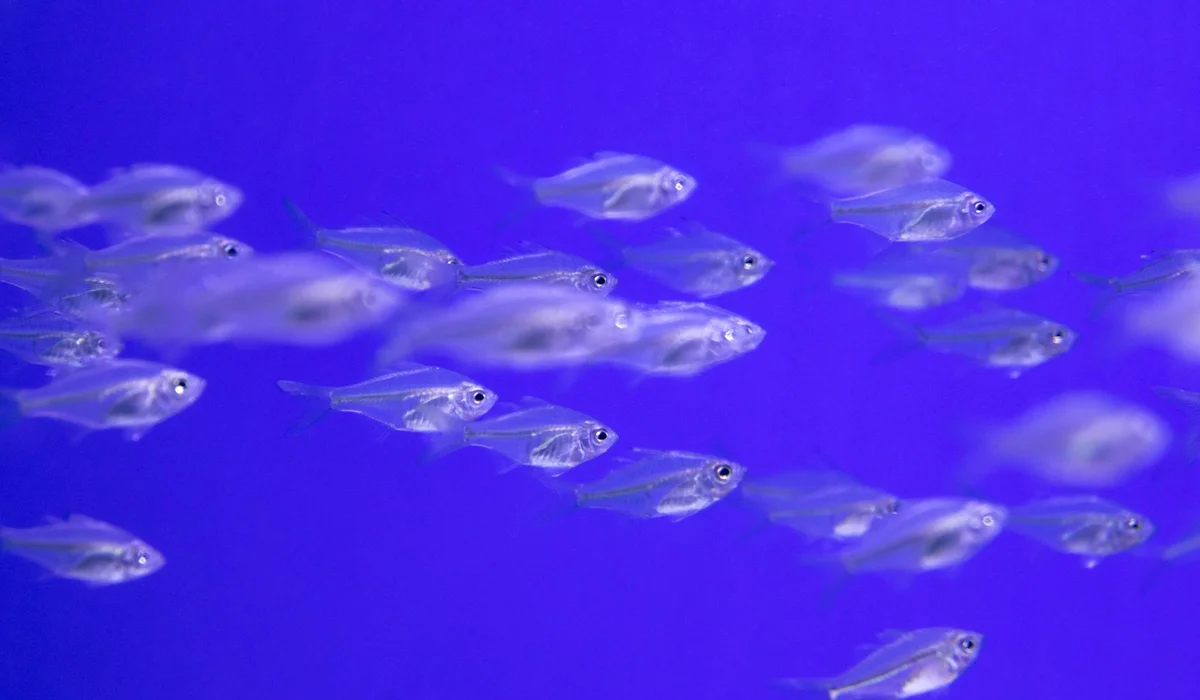
I keep a simple 10-gallon tank with a sponge filter running at all times just for new fish. This separate quarantine tank is your single best defense against introducing illness to your established community. To do this properly, quarantine new arrivals in that tank with dedicated equipment to prevent cross-contamination. Only move fish to the main tank after the quarantine period and absence of disease signs. New fish can carry parasites or bacteria that aren’t immediately visible. A minimum two-week observation period in quarantine lets you watch for any signs of flashing, clamped fins, or lethargy before they ever meet your other fish.
Step 2: Acclimate Slowly
Never just dump a new fish from its bag into your tank. The shock of different water parameters can be fatal. I use the drip method for all my sensitive fish. Float the sealed bag to equalize temperature, then use airline tubing to create a slow siphon, adding one to two drops of tank water into the bag per second for at least 45 minutes. This gradual introduction to your tank’s specific pH and hardness acclimates the fish without stress.
Step 3: Monitor First Interactions
After acclimation, gently net the fish and release it into the main tank. Turn the lights off for a few hours to reduce stress. You need to watch the tank like a hawk for the first hour, looking for any immediate chasing, nipping, or territorial displays. I’ve seen my betta, Captain Fin, flair at a new tankmate only to completely ignore it ten minutes later. Brief curiosity is normal, but relentless harassment is a sign you may need to rearrange decorations or have a backup plan.
Avoiding Common Community Tank Mistakes
Overcrowding and Bioload Buildup
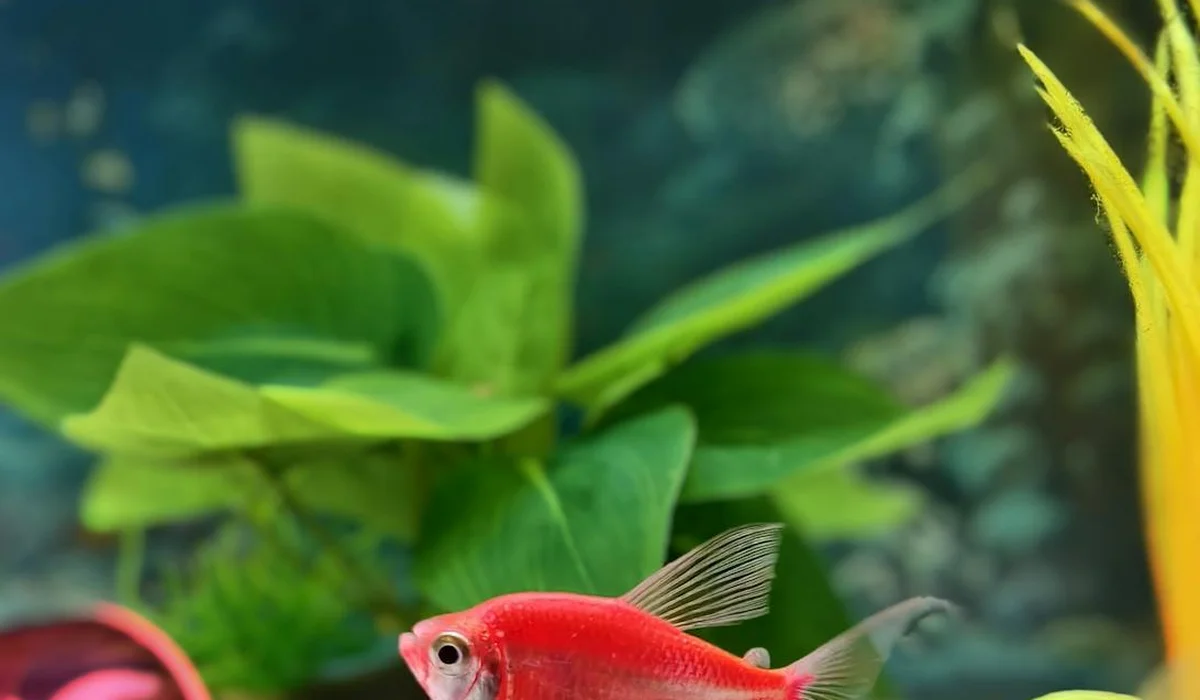
More fish means more waste, which can overwhelm your filter and crash your nitrogen cycle. The old “one inch per gallon” rule is a flawed starting point. A better guideline is to consider the adult size and waste production of each species, not just their juvenile length. A single full-grown Goldie produces far more waste than a dozen neon tetras. An overstocked tank leads to constant water quality issues, elevated stress, and rampant disease.
Mixing Aggressive and Peaceful Fish
This is the most common recipe for disaster. Fish like many cichlids or some barbs have instincts that peaceful community fish simply cannot handle. Research a fish’s temperament as thoroughly as you research its water parameter needs. My feisty Crowntail Betta lives alone because his flowing fins and territorial nature make him a target in a community setting. Putting a slow-moving fish with long fins in with known fin-nippers is asking for trouble.
Ignoring Nocturnal vs. Diurnal Needs
Your tank is a 24-hour world. Many popular bottom-feeders, like my Corydoras Shadow, are most active at night. If you only feed your tank during the day, your nocturnal species can slowly starve. I drop an algae wafer in right before I turn the lights out to ensure Shadow gets his share. Consider the entire daily cycle of your aquarium’s inhabitants to ensure everyone thrives, not just the daytime swimmers. For a complete guide on how often to feed your aquarium fish, see our article ‘How Often Should You Feed Your Aquarium Fish?’ It covers feeding frequency by species, tank setup, and activity levels.
FAQs
How can I quickly check if two fish species are compatible?
Start by comparing their adult sizes to ensure one won’t see the other as prey. Then, verify that their preferred water parameters, like temperature and pH, overlap closely. Finally, research their temperaments to avoid pairing aggressive species with peaceful ones.
What should I look for in a fish’s behavior at the store to ensure it’s healthy and compatible?
Observe if the fish is active and swimming normally, not hiding or gasping at the surface. Check for signs of disease, such as clamped fins or spots, which could introduce problems to your tank. Avoid fish that are chasing others aggressively, as this behavior may continue in your community.
Is it safe to mix bottom dwellers from different species?
Yes, as long as they have similar temperaments and space requirements, like Corydoras and small Plecos. Ensure the tank has enough hiding spots and substrate area to prevent territorial disputes. Always provide species-specific sinking foods to meet their dietary needs without competition.
How do I handle a situation where newly added fish are being bullied?
First, rearrange tank decorations to break up established territories and reduce aggression. If bullying persists, consider temporarily isolating the aggressive fish or using a tank divider. Monitor interactions closely and be prepared to rehome incompatible fish to maintain peace. This approach ties into the ultimate guide to aquarium territorial behavior, illustrating practical space-management and social dynamics. Understanding and reshaping territories is essential for maintaining harmony in a community tank.
Your Blueprint for a Thriving Community
Start by grouping fish that share similar water needs and peaceful temperaments to build a stable, stress-free environment. Always research adult sizes and social behaviors before any new fish enters your tank to prevent future conflicts, especially when introducing potentially aggressive species.
Caring for an aquarium is a rewarding responsibility that grows with your knowledge and experience. Embrace the journey of learning, and your tank will reward you with a vibrant, healthy ecosystem for years to come.
Further Reading & Sources
- 35 Peaceful Community Fish For Your Tank (Updated List)
- r/Aquariums on Reddit: Favorite Non-aggressive Community Tank Fish?
- API® Blog | The Best Fish for Community Tanks
- Top 10 Fish for a Community Tank – Buce Plant
- 24 Peaceful Community Fish For Your Tank (With Pics!) | FishLab
Lia is an expert in aquarium and pet fish care. Having worked in the marine industry and having cared for multiple pet fish, she has acquired first hand expertise on aquarium care, maintenance and setup. She always brings her practical expertise and science to help solve any aquarium related queries.
Fish Species