
Maximize Your Fish Egg Hatch Rate: A Practical Care Guide
Published on: January 12, 2026 | Last Updated: January 12, 2026
Written By: Lia Annick
Hello fellow fish keepers! That mix of excitement and worry when you spot fish eggs in your tank is totally normal. Many eggs don’t make it, but the right care can transform your hatch rates.
This guide walks you through the key steps for success. We will cover:
- Setting up the perfect water conditions
- Protecting eggs from hungry tank mates
- Managing temperature for healthy development
- Spotting the signs of fertile vs. infertile eggs
I’ve spent years successfully breeding fish in my own high-tech planted tanks, so you’re learning from real, hands-on experience.
Setting Up a Dedicated Egg Incubation Space
Creating a separate area for fish eggs is one of the best moves you can make to boost hatch rates. I always use a small, dedicated tank or container because it lets me control the environment without adult fish interfering. A 5 to 10-gallon tank works well for most species, but for smaller egg layers like Bettas, a simple 2-gallon container can suffice. For an ideal tank size setup for betta fish, keep the nursery compact and easy to monitor, as this setup helps maintain stable temperature and water quality. As the fry grow, plan to move them to a larger, separate rearing tank to avoid overcrowding.
Choose a tank with a tight-fitting lid to prevent evaporation and keep contaminants out. In my setup for Captain Fin’s Betta eggs, I used a shallow plastic container with a lid, which made it easy to monitor and maintain stable conditions. Rinse everything with warm water—avoid soap, as residues can harm eggs. For a new tank before setup, clean the interior with warm water (or a mild vinegar solution) and rinse thoroughly. Avoid soap or cleaners, which can leave residues that harm eggs; also rinse substrate and equipment well before assembly.
Essential Equipment for Egg Incubation
- Gentle aeration tools: An air pump with a fine air stone provides subtle bubbles that keep water moving without dislodging delicate eggs.
- Substrate for egg adhesion: Marbles, spawning mops, or broad-leaf plants like Java fern give eggs a safe place to stick and avoid fungus.
- Filtration bypass methods: Use a sponge filter or no filter at all to prevent eggs from being sucked in; if you must use a filter, cover the intake with a fine mesh.
Steps for a Sterile Setup to Prevent Contamination
- Clean the tank and all equipment with a vinegar solution (1 part vinegar to 4 parts water) and rinse thoroughly to remove any debris or bacteria.
- Fill the tank with dechlorinated water that matches the temperature and pH of the main aquarium to avoid shocking the eggs.
- Place your chosen substrate at the bottom, then install the air stone and any plants or hiding spots to mimic a natural environment.
- Let the system run for at least 24 hours before adding eggs to ensure water parameters are stable and free of contaminants.
Mastering Water Quality for Egg Survival
Water quality is the heartbeat of successful egg hatching, and even small fluctuations can spell disaster. Focus on temperature stability first-eggs are super sensitive to changes, so a reliable heater is non-negotiable. I keep my incubation tanks in a quiet spot away from drafts to maintain consistency.
Monitor pH closely, as sudden shifts can weaken egg membranes. From breeding Corydoras like Shadow, I learned that a steady pH around 7.0 helps eggs develop properly without stress. Ammonia and nitrite must be at zero, as they are toxic to developing embryos, while nitrates should stay below 10 ppm to prevent algae growth that can smother eggs.
Dissolved oxygen is critical for egg respiration, which is why gentle aeration is key. You’ll see better hatch rates when the water is clear and oxygen-rich, supporting those tiny lives from day one. Test water daily with a liquid test kit for accuracy, and perform small water changes if levels drift. Regular testing helps you maintain proper water parameters in your aquarium, so you can spot shifts before they affect hatch rates. Keep an eye on ammonia, nitrite, nitrate, pH, and temperature to support those delicate lives.
| Species | Ideal Temperature (°F) | Optimal pH | Ammonia/Nitrite | Nitrate (ppm) |
|---|---|---|---|---|
| Betta (e.g., Captain Fin) | 78-80 | 6.5-7.0 | 0 | <10 |
| Goldfish (e.g., Goldie) | 68-74 | 7.0-7.5 | 0 | <20 |
| Corydoras (e.g., Shadow) | 72-78 | 6.5-7.5 | 0 | <10 |
Steps for Daily Monitoring and Maintaining Cleanliness
- Test water parameters each morning using a reliable test kit, noting any changes in temperature, pH, ammonia, nitrite, and nitrate.
- Perform a 10-15% water change if levels are off, using water that’s been pre-treated and matched to the tank’s temperature and chemistry.
- Gently remove any unfertilized eggs with a turkey baster to prevent fungus from spreading to healthy ones-this simple habit saved many of my Betta clutches.
- Wipe down the tank walls with a clean algae scraper to maintain clarity and reduce organic buildup that could degrade water quality.
The Day-by-Day Incubation Journey
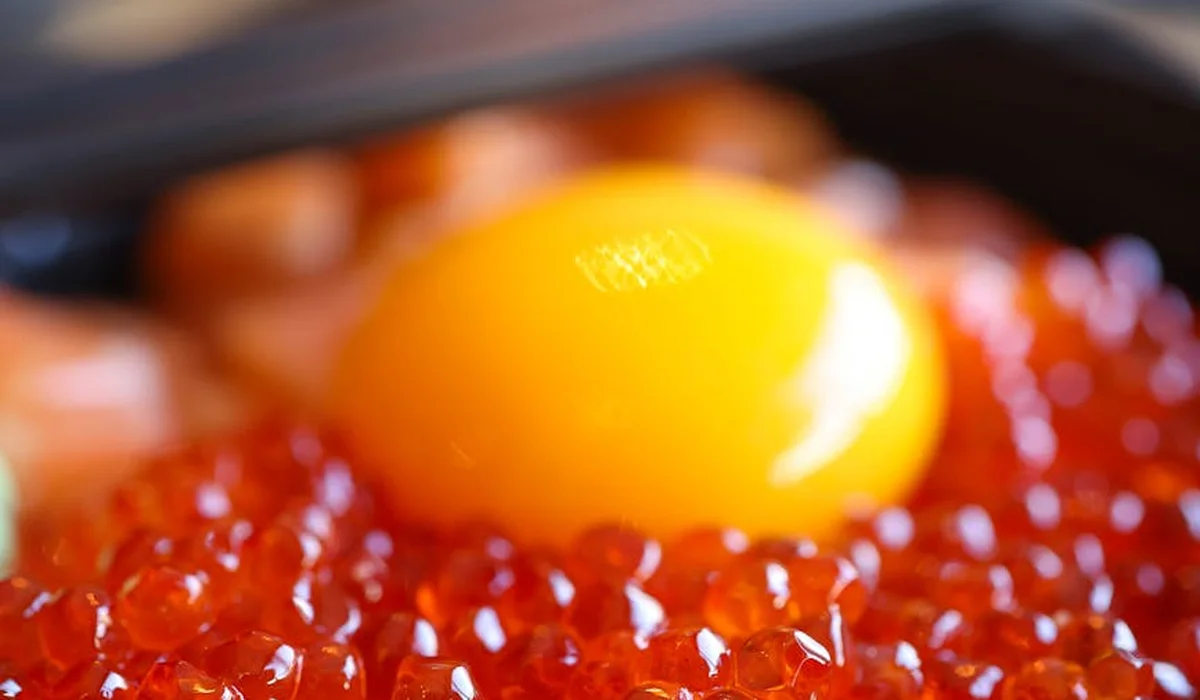
Watching fish eggs develop is like witnessing a tiny miracle unfold in your tank. I always mark the fertilization day on my calendar because timing is everything for a successful hatch. Most common aquarium fish, such as bettas or tetras, have eggs that hatch within 24 to 72 hours in water kept at 78-80°F. If you’re curious about which species are best for breeding at home, here are the top 5 egg-laying fish for home aquariums. Knowing their breeding needs will help you prepare the tank and care for eggs and fry.
- Day 1: After fertilization, eggs appear as tiny, clear spheres. You might see a small dot inside if you look closely-that’s the beginning of life.
- Day 2: Embryos start forming, and in species like bettas, you can spot dark eye dots through the egg membrane. This is a sign of healthy development.
- Day 3: For many fish, hatching occurs. The eggs may wiggle slightly as fry prepare to emerge, often looking like miniature versions of adults.
Candling is a simple method to check if eggs are fertile without touching them. I use a small LED flashlight in a dim room, holding it behind the egg cluster to see inside clearly. Fertile eggs show a growing embryo with visible veins or eye spots, while infertile ones turn opaque white and should be removed to prevent fungus.
Handling eggs requires a gentle touch at each stage. During early development, avoid any movement or water changes to prevent shocking the delicate embryos. As hatching nears, you can use a soft pipette to transfer eggs if needed, but I recommend leaving them in place unless there’s a threat like mold.
Preventing Fungus and Other Egg Threats
White fuzzy stuff in your fish tank is often a sign of egg fungus. If you notice it, address it quickly to protect the rest of your brood. Egg fungus can wipe out an entire batch overnight, so proactive care is your best defense. Unfertilized eggs are the biggest culprits, as they quickly grow white, fuzzy mold that spreads to healthy ones. Other issues include bacterial infections, which cloud the water, and predators like adult fish or snails nibbling on the eggs. – Best option: Egg fungus on fish eggs – Alternatives (3-5 words): Egg fungus in fish eggs – White fuzzy mold on eggs – White fuzzy stuff in tank (less direct to eggs).
- Remove any white or discolored eggs immediately with tweezers to stop fungus in its tracks.
- Keep the breeding tank sterile by avoiding overfeeding and performing small, daily water changes with dechlorinated water.
- Monitor water parameters closely-aim for 0 ammonia, 0 nitrites, and low nitrates to support egg health.
Methylene blue is a lifesaver for preventing fungal outbreaks. I add one drop per gallon to the water right after eggs are laid, creating a light blue tint that protects without harming embryos. It acts as an antiseptic, and you should remove carbon filters during treatment since they absorb the dye. Always follow dosage instructions on the bottle to avoid overdosing.
Gentle water flow and aeration are non-negotiable for oxygenating eggs without dislodging them. I set up a sponge filter on low or use an air stone with a control valve to create a soft bubble stream. This mimics natural currents, ensuring eggs get enough oxygen to develop while reducing the risk of stagnant spots where fungus thrives.
Caring for Fry After Hatching
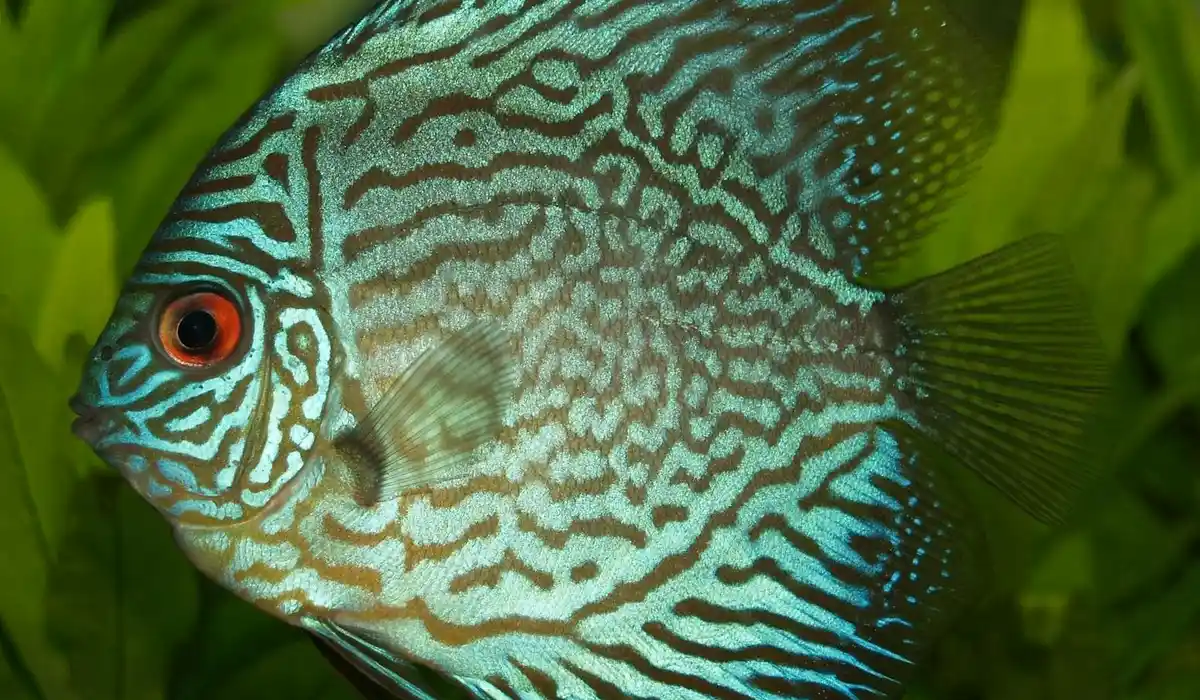
The moment you see those tiny, wiggling fry is incredibly rewarding. Now, the real work begins to ensure they thrive. Your primary focus must shift immediately to providing microscopic food and maintaining pristine, stable water.
Initial Feeding and Water Quality
Newly hatched fry have just absorbed their yolk sac and are desperately searching for food. Their mouths are smaller than a pinprick, so it’s essential to provide appropriate first foods.
- First Foods: Start with infusoria, a culture of microscopic organisms you can grow yourself from boiled lettuce or a piece of potato in a jar of tank water. After a few days, graduate to newly hatched baby brine shrimp, the gold standard for fry growth.
- Vinegar Eels & Microworms: These are excellent live food alternatives that are easy to culture at home and are the perfect size for many species’ fry.
- Powdered Fry Food: High-quality, finely powdered commercial foods can work, but live food will almost always give you a higher survival rate and faster growth.
- Feeding Frequency: Feed tiny amounts 4-6 times a day. I’ve found that frequent, small feedings prevent water fouling and keep the fry’s energy levels constant.
For water quality, the fry are hypersensitive to any toxins. You cannot rely on a standard filter cycle yet.
- Ammonia Control: Test the water in the rearing tank twice daily. Ammonia must be at 0 ppm. Any detectable level is an emergency.
- Gentle Filtration: Use a simple sponge filter driven by an air pump. It provides biological filtration without creating a current strong enough to trap and kill the fry.
- Water Changes: Perform small, daily water changes of 10-15%. Always use water from the established, healthy parent tank if possible, as it is already conditioned and the perfect temperature. If you use new water, treat it with conditioner and match the temperature exactly.
Gradual Introduction to Main Tank Conditions
You can’t just net the fry and toss them into the community tank. They need to be slowly acclimated to the water flow, competition, and filtration of their future home.
- Grow-Out Phase (First 2-4 weeks): Keep them in their dedicated rearing tank until they are large enough not to be eaten by the smallest fish in your main tank and are actively eating baby brine shrimp or crushed flake food.
- The Acclimation Box: Before the final move, place the fry in a breeder box or net suspended inside the main tank for several days. This allows the water chemistry and temperature to equalize completely without any physical risk.
- Observe Behavior: Watch how they react to the stronger water current from the main filter and the sight of other fish. If they seem stressed or are constantly hiding, give them more time in the breeder box before release.
- Release at Feeding Time: Let them out into the main tank during a feeding. The distraction of other fish eating will give the fry a precious few moments to find their own hiding spots among the plants and decor.
Monitoring Growth and Preventing Overcrowding
A successful hatch can quickly lead to a new problem: too many fish in too small a space.
- Track Development: Use a small, soft ruler taped to the outside of the tank to visually track their growth weekly. Consistent growth is a sign of good health and proper feeding.
- Sort by Size: As they grow, you will notice a size disparity. I regularly use a small, soft-bristled paintbrush to gently move the largest and smallest fry into separate grow-out tanks to prevent cannibalism.
- The One-Inch-Per-Gallon Guideline: This is a rough starting point for planning your tank’s capacity. If you have 50 fry that are a half-inch long, you are already at 25 inches of fish in your grow-out tank and need to plan for an upgrade or rehoming.
- Plan Ahead: Have a plan for the fish before they even hatch. Contact local fish stores about selling or donating healthy juveniles, or connect with aquarium society members who may want them. Responsible breeding is as much about planning for the future as it is about the hatch itself.
Common Questions
How long does it take for fish eggs to hatch?
The hatching time for fish eggs depends heavily on the species and water temperature. For many common aquarium fish like bettas and tetras, eggs can hatch in as little as 24 to 72 hours. It is crucial to research the specific timeline for your fish species, as some can take several days or even longer.
Can I let fish eggs hatch in the main tank?
While it is possible, hatching eggs in the main tank is very risky. Adult fish and even invertebrates often see the eggs as food and will eat them. A dedicated incubation space is highly recommended to protect the eggs from predators and to allow for precise control over water conditions. If you’re dealing with snails, you may wonder: do unwanted snail eggs hatch in your tank? A separate incubation space helps keep hatchlings out of the display and makes population control simpler.
What is the ideal temperature for hatching fish eggs?
Temperature is critical for egg development and hatch rates. Each species has an optimal range; for example, betta eggs thrive at 78-80°F, while goldfish eggs prefer cooler water around 68-74°F. A stable temperature within the ideal range for your specific fish is essential for a successful and timely hatch. Our aquarium temperature control complete guide explains how to maintain that stability with reliable heaters, thermostats, and continuous monitoring for stable water.
Do I need a special kit to hatch fish eggs?
A specialized hatching kit is not strictly necessary, but it can be very helpful. You can create an effective setup with a simple container, a gentle air stone for oxygenation, and a substrate like marbles for the eggs to adhere to. These tools mimic the controlled environment that dedicated hatching jars provide, greatly increasing your chances of success.
Your Journey to Successful Hatching
Focus on maintaining pristine, stable water conditions and handling eggs with extreme care to dramatically improve hatch rates. Consistent temperature, proper aeration, and vigilant monitoring are non-negotiable for protecting delicate embryos.
Being a dedicated fish keeper means embracing a mindset of ongoing education and responsible stewardship. Stay engaged with aquarium communities and never hesitate to research new techniques that benefit your aquatic pets. Understanding which tasks are essential and how often to perform them helps you maintain a stable tank. Establishing a routine for those maintenance tasks prevents missed chores and keeps water quality steady.
Further Reading & Sources
- How Long Do Fish Eggs Take to Hatch? Life Stages Explained | Hepper Pet Resources
- The artificial propagation of warm-water finfishes A manual for extension
- How long does it take for fish eggs to hatch? – Quora
- r/medaka on Reddit: My first eggs! How long before they hatch? Do I take them out now?
- r/medaka on Reddit: Looking for better egg hatching rates
Lia is an expert in aquarium and pet fish care. Having worked in the marine industry and having cared for multiple pet fish, she has acquired first hand expertise on aquarium care, maintenance and setup. She always brings her practical expertise and science to help solve any aquarium related queries.
Breeding Techniques