
5 Must-Know Egg-Laying Fish for Your Home Aquarium Success
Hello fellow fish keepers, have you ever peered into your tank and spotted a cluster of tiny eggs, wondering which of your finned friends is starting a family? Identifying and caring for egg-laying species can feel like a mystery, but this guide simplifies it by highlighting fish that make breeding achievable right in your living room.
We will explore the key aspects you need to know, including: detailed profiles of each species, ideal water parameters and tank setups, and practical tips for egg care and fry survival.
My experience breeding fish like Captain Fin and Shadow gives me firsthand insight into what makes these egg-layers thrive.
Why Egg-Laying Fish Add Excitement to Your Tank
Watching egg-laying fish in your aquarium feels like having a front-row seat to a nature show. You get to see behaviors you might only read about in books, from intricate courtship dances to the careful guarding of eggs. This firsthand view of their life cycle turns your tank into a living classroom, sparking curiosity and deeper appreciation for aquatic life—especially when trying to decode their behavior whether it’s playing, fighting, or mating.
Breeding these fish isn’t just about adding more swimmers—it’s a rewarding puzzle that teaches patience and attention to detail. I’ve spent hours adjusting conditions to encourage my Corydoras to spawn, and the thrill of spotting those first tiny eggs is unmatched. By prioritizing egg care—maintaining stable temperatures, clean water, and gentle handling—you can push the hatch rate toward its maximum. Getting those eggs to hatch reliably is a crucial step in turning spawning into a thriving tank. Successfully breeding fish boosts your confidence as an aquarist and connects you more intimately with your underwater ecosystem.
- Educational value: It’s like a science experiment at home, where you observe eggs hatching into fry and learn about growth stages in real time.
- Ecosystem balance: Egg-layers can help manage algae or uneaten food by producing fry that contribute to the tank’s cleanup crew.
- Behavioral enrichment: You’ll witness unique actions, such as bubble nest building by Bettas or egg scattering in Tetras, which keep the tank dynamic.
- Community engagement: Sharing breeding successes with fellow hobbyists builds a sense of camaraderie and shared learning.
Setting Up a Breeding-Friendly Aquarium
-
Choose the right tank size and location for spawning. A 10 to 20-gallon tank works well for smaller species like Zebra Danios, while larger fish may need 30 gallons or more. Place the tank in a low-traffic area to reduce stress, as noise and vibrations can discourage spawning behaviors. From my experience, a quiet corner away from direct sunlight helps fish feel secure enough to lay eggs.
-
Select appropriate substrate and plants for egg attachment and hiding. Fine sand or smooth gravel protects bottom-dwellers like Corydoras, and dense plants like Java Moss or Anubias provide surfaces for eggs to adhere to. Adding floating plants or spawning mops gives shy species safe spots to deposit their eggs, mimicking their natural habitats. I often use a mix of live plants and artificial decor to create varied hiding places.
-
Adjust water parameters like temperature and pH to trigger spawning. For many tropical egg-layers, gradually raising the temperature to 78-82°F and maintaining a pH around 6.5-7.0 can simulate rainy season conditions that encourage breeding. Small, frequent water changes with slightly cooler water often act as a spawning cue, signaling that it’s time to reproduce. Always test parameters with a reliable kit to avoid sudden shifts that could stress the fish.
-
Add equipment such as filters and heaters for optimal conditions. Use a sponge filter to prevent eggs or fry from being sucked in, and a adjustable heater to keep temperatures stable within a 1-2 degree range. A gentle air stone can improve oxygen levels without creating strong currents that might dislodge eggs or overwhelm delicate fry. In my breeding setups, I rely on a timer for lighting to simulate natural day-night cycles, which supports consistent spawning behavior.
Top 5 Egg-Laying Fish for Home Aquariums

Let’s dive into a countdown of five fantastic fish that lay eggs, each bringing unique breeding quirks to your tank. From bubble architects to egg-scattering pros, these species offer a front-row seat to nature’s wonders right in your living room.
Betta Fish: The Bubble Nest Builder
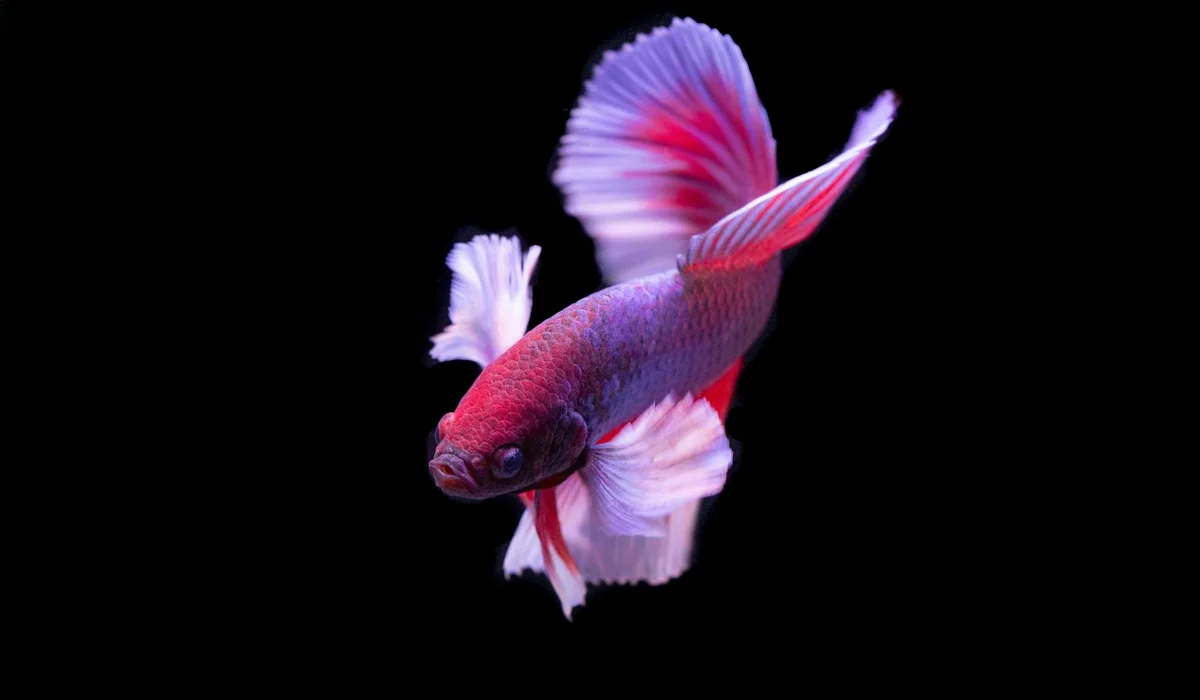
Male Bettas are dedicated fathers, crafting floating bubble nests at the water’s surface to cradle their eggs. I’ve watched my own Betta, Captain Fin, meticulously build his nest before spawning, showing how instinct drives this beautiful process. An appropriately sized tank helps provide space for nest-building and swimming. For many keepers, the ideal setup starts with at least a 5-gallon tank (20 liters) with stable heat.
Keep water warm between 78-80°F and provide plenty of floating plants or calm spots. Their feisty nature means you should breed them in a separate tank to prevent aggression toward mates.
- Ideal for beginners due to their hardiness, but monitor male-female interactions closely.
- Use a sponge filter to avoid disturbing the delicate bubble nests.
- After eggs are laid, the male guards them fiercely until they hatch in about 24-48 hours.
Angelfish: Graceful Egg Layers
Angelfish elegantly deposit their eggs on flat surfaces like broad leaves or slate slabs, with both parents often guarding the clutch. Their parental instincts kick in quickly, and I’ve seen pairs fan eggs with their fins to keep them oxygenated.
A tank of at least 20 gallons is essential, and choose peaceful tank mates to avoid egg predation. Raise the temperature slightly to 80-82°F and offer high-protein foods to trigger spawning.
- Great for intermediate hobbyists who enjoy observing complex social behaviors.
- Eggs hatch in 2-3 days, and fry can be fed freshly hatched brine shrimp.
- Maintain a pH around 6.5-7.0 for optimal breeding conditions.
Neon Tetra: Tiny Egg Scatterers
These vibrant fish scatter eggs randomly among fine-leaved plants, making breeding in community tanks a challenge due to hungry neighbors. To succeed, set up a dedicated breeding tank with soft, acidic water (pH 6.0-7.0) and dim lighting.
Protect eggs by using a mesh barrier or spawning mops, and remove adults after laying. In my experience, a sudden small water change with slightly cooler water can mimic rain and encourage spawning.
- Perfect for beginners in species-only setups, but eggs are delicate and require pristine water.
- Hatching occurs in about 24 hours, and fry need infusoria or commercial liquid fry food.
- Keep temperatures steady at 75-80°F to support egg development.
Zebra Danio: Easy Breeders for Beginners
Zebra Danios are hardy egg-layers that spawn in groups, often scattering eggs over gravel or plants. Their resilience makes them a top pick for new aquarists, and I’ve bred them successfully in simple 10-gallon tanks.
Simulate seasonal changes by performing a 20-30% water change with slightly cooler water and feeding live foods like daphnia. Use marbles or a mesh grid at the tank bottom to prevent adults from eating the eggs.
- Ideal for beginners due to minimal equipment needs and fast breeding cycles.
- Eggs hatch in 2-3 days, and fry grow quickly on powdered foods.
- Maintain a pH of 6.5-7.5 and temperature around 74-78°F for best results.
Corydoras Catfish: Bottom-Dwelling Egg Experts
Corydoras lay adhesive eggs on plants, glass, or decorations, often spawning in social groups for higher success rates. My Corydoras, Shadow, loves hiding among java moss after laying eggs, showing how they use cover instinctively.
Provide a soft sand substrate to protect their delicate barbels and keep groups of at least six to encourage breeding. A varied diet of sinking pellets and frozen bloodworms will prime them for spawning after a cool water change.
- Suited for all skill levels, as they are peaceful and help clean the tank bottom.
- Eggs hatch in 3-5 days, and fry can be raised on finely crushed flakes.
- Aim for a pH of 6.0-7.5 and temperatures of 72-78°F for optimal health.
Understanding Spawning Behaviors and Triggers
Egg-laying fish exhibit diverse behaviors, from Betta bubble nests to Corydoras attaching eggs to surfaces. Recognizing these patterns helps you create the right environment for successful breeding in your home aquarium.
Triggers like water changes, diet shifts, or temperature adjustments can signal it’s time to spawn. I often watch for increased activity or color changes in my fish, as these are early signs of readiness. Observing behavior before and after water changes helps establish what’s normal for your tank. A brief uptick in activity right after a water change can be normal, but persistent stress or lethargy warrants attention.
| Species | Common Triggers | How to Observe in Your Tank |
|---|---|---|
| Betta Fish | Warm water (78-80°F), live foods | Look for bubble nest construction and male flaring at females. |
| Angelfish | Raised temperature, high-protein diet | Watch for pair cleaning surfaces and aggressive guarding behavior. |
| Neon Tetra | Soft, acidic water, dim lighting | Notice frantic swimming and egg scattering among plants. |
| Zebra Danio | Cool water changes, group spawning | Observe chasing and egg deposition over substrate. |
| Corydoras Catfish | Cool water influx, social interaction | Spot eggs on glass and increased foraging after changes. |
To encourage spawning, mimic natural cues like seasonal rains with partial water changes. Keeping a log of behaviors and water parameters can reveal patterns that boost your breeding success over time.
Caring for Eggs and Raising Fry
-
Watch the eggs closely as they develop over a few days. You’ll see them change from clear to darker shades, signaling healthy growth, but adult fish like Captain Fin might try to eat them if left together. I always move eggs to a breeder box or a small container with water from the main tank to keep them safe and better distinguish fish eggs from snail eggs.
-
Get a separate tank ready for the fry once they hatch. A 5- to 10-gallon tank with a sponge filter works wonders because it provides gentle filtration without sucking up the tiny fry. Fill it with water from the established aquarium to maintain beneficial bacteria and reduce stress on the newborns.
-
Start feeding the fry with tiny, nutrient-rich foods right after they become free-swimming. Infusoria or powdered fry food are ideal first meals since they’re small enough for fry to consume easily. As the fry grow, I gradually introduce freshly hatched baby brine shrimp for extra protein. This is part of a complete guide to feeding fry and their first foods. It helps ensure the right foods are offered at each stage.
-
Keep the water pristine to support rapid growth and prevent disease. Perform 10-20% water changes daily and test for ammonia and nitrite, aiming for levels near zero to avoid harming the delicate fry. In my tanks, stable temperatures around 78-80°F help fry thrive without setbacks.
Troubleshooting Common Breeding Challenges
-
Egg fungus appears as white, cotton-like growth and can wipe out a clutch. Add a antifungal treatment like methylene blue to the water at the first sign to protect the eggs. I’ve found that lightly aerating the egg container also discourages fungus from taking hold.
-
Predation by adult fish is a top reason for lost eggs. Use a mesh divider or remove eggs immediately after spawning to keep curious fish like Goldie from snacking on them. For species like Corydoras, which scatter eggs, I gently transfer them to a hatching tray.
-
Failed spawns often stem from incorrect water parameters or stress. Check that pH stays between 6.5 and 7.5 and temperature is consistent, as sudden shifts can stop fish from breeding. If eggs don’t hatch, review the tank setup-sometimes adding more plants or adjusting lighting encourages another attempt.
-
Fry not eating or growing slowly might mean the food is too large. Crush flakes into a fine powder or culture infusoria at home using boiled lettuce to ensure fry get enough nutrition. In my experience, offering multiple small feedings throughout the day boosts survival rates significantly.
Common Questions
What are some common signs that my fish are about to lay eggs?
Many fish exhibit specific pre-spawning behaviors. You might notice increased activity, such as a male fish chasing a female more frequently or a pair cleaning a flat surface like a leaf or rock. Other signs include a visibly swollen abdomen in the female and, in the case of Bettas, the male constructing a bubble nest at the water’s surface. These cues feed common betta myths about bowls, bubbles, and buddies. The truth is bettas need appropriate tank size and compatible companions, and bubble nests don’t justify cramped living conditions.
How can I tell if my egg-laying fish is female?
Females are often larger and have a rounder, fuller body shape, especially when they are carrying eggs, which is known as being “gravid.” In many species like Corydoras and Angelfish, the female’s belly will appear significantly more swollen than the male’s. The shape of the vent can also be a more rounded indicator in a well-conditioned female.
Which egg-laying fish are best for a beginner?
For those new to the hobby, Zebra Danios and certain Corydoras catfish are excellent choices. They are hardy, adaptable to a range of water conditions, and have relatively straightforward breeding triggers. Their resilience makes them forgiving of minor beginner mistakes, allowing you to learn the basics of egg and fry care with a higher chance of success. They also align well with the idea of the ultimate guide to breeding Corydoras catfish at home, where you’ll cover tank setup, breeding cues, and fry care.
Are all popular egg-laying aquarium fish freshwater species?
Yes, the vast majority of common egg-laying fish kept in home aquariums are freshwater species. This includes favorites like Bettas, Angelfish, Tetras, Danios, and Corydoras. While some brackish and saltwater fish also lay eggs, the hobby’s most accessible and frequently recommended egg-layers thrive in freshwater environments.
Your Journey into Breeding Aquarium Fish
Focus on providing a stable, clean environment and plenty of safe surfaces for your chosen species to deposit their eggs. Patience and keen observation are your best tools for spotting spawning behavior and protecting the next generation.
Remember that keeping any pet fish is a commitment to understanding their unique needs and life cycles. The more you learn about their world, the more rewarding your time in the aquarium hobby will become.
Further Reading & Sources
- Easiest Egg laying fish to breed. – Fish Breeding – Aquarium Co-Op Forum
- r/Aquariums on Reddit: What egg-laying fish will breed in the community tank
- What is a good egg laying fish that is easy to breed?
- How to Breed, Hatch, and Raise Egg-Scattering Fish in Your Aquarium – Aquarium Co-Op
- Breeding and Reproduction of Fish – All Other Pets – Merck Veterinary Manual
Lia is an expert in aquarium and pet fish care. Having worked in the marine industry and having cared for multiple pet fish, she has acquired first hand expertise on aquarium care, maintenance and setup. She always brings her practical expertise and science to help solve any aquarium related queries.
Fish Species