
New Tank, Clean Start: The Right Way to Prep Your Aquarium for Fish
Published on: February 2, 2026 | Last Updated: February 2, 2026
Written By: Lia Annick
Hello fellow aquarists, I see you’re eager to set up that shiny new tank, but hold on-skipping a proper clean can lead to hazy water and unhappy fish right from the start.
Getting this step right means your aquatic pals will thrive in a pristine environment, and I’m here to walk you through it all.
In this guide, I’ll cover:
- Why a thorough initial clean prevents algae and chemical residues
- The simple tools and safe cleaners you need-no harsh chemicals
- Step-by-step instructions for scrubbing glass, rinsing substrate, and prepping equipment
- Common mistakes that new keepers make and how to avoid them
With years of running planted tanks and breeding fish like bettas and corydoras, I’ve fine-tuned this process for success.
Why Cleaning Your New Aquarium is a Must-Do First Step
That pristine glass box might look spotless straight from the store, but it has a secret history you don’t know about. I’ve learned from experience that skipping this step is the fastest way to sabotage your new aquatic world before it even begins.
During manufacturing, shipping, and storage, tanks collect a surprising amount of invisible grime. This includes industrial dust, chemical residues from plastic packaging, and oily fingerprints from handling. These unseen contaminants can form a film on the glass, interfere with silicone seals, and, most critically, leach directly into your water, harming your fish from day one.
Think of it like this: you wouldn’t cook a meal on a brand-new, unwashed frying pan straight from the factory. Your aquarium is your fish’s home, their kitchen, and their bathroom all in one. Giving it a proper scrub is the most fundamental act of care you can provide. This is also the core of aquarium cleaning maintenance: regular, careful cleaning to keep water pristine. Small, consistent maintenance—like partial water changes and filter upkeep—goes a long way for healthy fish.
Gathering Your Safe Cleaning Supplies
You don’t need a cabinet full of specialty chemicals. In fact, most household cleaners are a direct threat to your fish. The goal is to clean without leaving behind any toxic residue. Here is my go-to kit, built from years of setting up tanks.
The Safe & Effective Toolkit
- White Vinegar: This is your powerhouse. Its acetic acid cuts through mineral deposits and alkaline grime without leaving dangerous chemicals behind.
- A Brand-New Spray Bottle: Dedicate one solely to aquarium use. Fill it with a 1:1 mix of vinegar and water for easy application.
- Microfiber Cloths: These are lint-free and super absorbent. I buy them in bulk just for my fish room.
- A Clean, Designated Bucket: This bucket should never see soap or detergent. Its only job is holding water for your aquarium.
- Hot Water: Straight from your tap, this is your primary rinsing agent. The heat helps dissolve residues more effectively.
What to Absolutely Avoid
- Soaps and Detergents: These are designed to leave a surface-active residue. That residue will foam and kill your fish.
- Glass Cleaners (like Windex), Bleach, or Ammonia-Based Cleaners: The perfumes and chemicals will absorb into the silicone seals and leach out for weeks, creating a toxic environment.
- Dusty Rags or Paper Towels: These can leave behind tiny fibers that clog your new filter or float annoyingly in your water.
Sticking to this simple, chemical-free toolkit ensures your tank is not just clean, but truly safe for its future inhabitants. A little vinegar and elbow grease are all the power you need.
Step-by-Step Guide to Washing Your New Fish Tank
Initial Rinse and Inspection
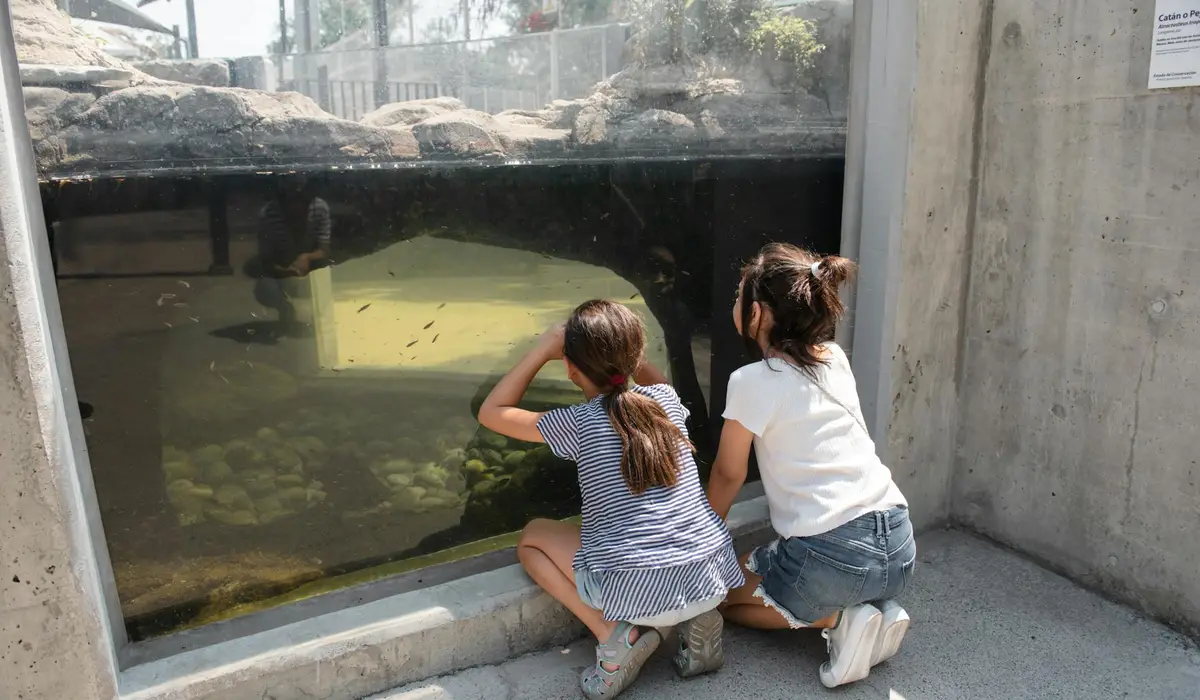
Start by taking your new tank to a spot where you can make a mess, like a driveway or bathtub. I always use lukewarm water for this first pass because extreme temperatures can stress the glass or acrylic. A gentle initial rinse washes away loose dust and debris from manufacturing that could cloud your water later. Run your fingers along the seams and corners to feel for any grit.
After rinsing, dry the exterior with a soft towel so you can see clearly. Now, inspect every inch under good light. Look for hairline cracks, chips on the edges, or any irregularities in the silicone seams. Catching a flaw now saves you from a devastating leak after you’ve filled the tank with water and decorations. To identify and locate leaks in your fish tank before you fill it, run a quick moisture check along seams and corners. This helps prevent emergency transfers later. I once missed a tiny bubble in the silicone on a 20-gallon tank and had to emergency-transfer all my fish a week later.
Deep Cleaning the Glass or Acrylic
For a glass tank, a 1:1 solution of white vinegar and water in a spray bottle is my go-to. It cuts through fingerprints and mineral deposits without harsh chemicals. Spray the solution inside the tank, let it sit for a few minutes, then wipe with a clean, non-abrasive cloth or sponge. Avoid paper towels, as they can leave lint behind.
If your tank is acrylic, you must be much more careful. Acrylic scratches incredibly easily. Only use a dedicated acrylic cleaner or plain water with a microfiber cloth designed for sensitive surfaces. Learn how to prevent scratches when cleaning your fish tank. Always wipe in a straight line, not circles, to minimize the chance of visible swirl marks. The goal is crystal clarity without any micro-scratches.
Handling Stubborn Stains on Silicone Seams
Silicone seams can sometimes have discolored spots or a slight film from the factory. For these, I use a soft-bristled toothbrush dedicated to aquarium use. Dip the toothbrush in your vinegar solution and gently scrub the stained silicone, focusing on the area without applying too much pressure. You want to clean the seam, not compromise its waterproof integrity.
For really persistent mold-like spots, a paste made from baking soda and water can work wonders. Apply it with the toothbrush, scrub gently, and rinse thoroughly. Never use bleach or abrasive cleaners on silicone, as residues can leach into the water and harm your fish. A clean seam is the foundation of a watertight, healthy aquarium.
Cleaning Substrate and Decorations for a Fresh Start
Proper Substrate Rinsing Technique
Whether it’s gravel, sand, or a planted tank substrate, it all needs a serious rinse. I use a 5-gallon bucket and a colander for this job. Pour your substrate into the colander and place it inside the empty bucket. This setup lets you agitate the material while containing the mess.
Turn on a slow stream of water from a hose or faucet directly into the colander. Use your hand to stir and tumble the substrate continuously. You’ll see very cloudy water draining into the bucket-this is the fine dust and particles you’re removing. Keep rinsing and stirring until the water running out of the colander is completely clear. This can take 5-10 minutes for a large bag of gravel.
For sand, the process is similar but requires more patience. Sand holds onto silt tenaciously. A pro tip I learned is to fill the bucket with water after adding the sand, swish it around, and carefully pour off the cloudy water repeatedly. It’s a bit more work, but it prevents a hazy tank for days. Clean substrate means your filter won’t clog as quickly and your fish, like my Corydoras Shadow, won’t be stressed by poor water clarity.
Preparing and Cleaning New Aquarium Equipment
Every piece of new gear, from heaters to air stones, can carry invisible residues from the manufacturing process. I always give all my new aquarium equipment a thorough rinse to prevent introducing any unwanted chemicals or dust into my carefully balanced water. This simple step saves you from potential fish stress and cloudy water down the line.
Use room temperature water and a clean, dedicated cloth or sponge for scrubbing. Never use soap or household cleaners, as their residues are toxic to fish and can linger no matter how well you rinse. I stick to plain water or a quick wipe with white vinegar for stubborn spots, followed by a complete rinse, especially when cleaning a tank that still has fish in it.
Filter Cleaning Before First Use
Your filter is the heart of the tank, and starting it clean is non-negotiable. A quick pre-rinse of all filter components ensures the beneficial bacteria you’ll be cultivating have the cleanest possible home to colonize. I’ve seen new filters cloud an entire tank because someone skipped this. In the complete guide on how often you should clean your aquarium filter, you’ll find practical cleaning intervals tailored to your setup and bioload. Understanding those frequencies helps minimize disruption to beneficial bacteria while keeping water clear.
Follow these steps for a safe, effective clean:
- Unpack the filter and disassemble it according to the manufacturer’s instructions.
- Rinse the impeller, media baskets, and all plastic parts in a bucket of dechlorinated water.
- Gently swish any filter sponges or ceramic media in the same water to remove fine dust.
- Reassemble the unit and you’re ready for installation.
That gentle hum you hear later will be the sound of a filter working perfectly from day one. This process removes packaging debris and manufacturing oils without harming the components.
Final Rinse and Drying for a Spotless Tank
With your equipment prepped, it’s time for the main event. Give the empty tank one last, generous rinse with clean, dechlorinated water from top to bottom, paying extra attention to the corners and seams. I use a sprayer attachment on my sink for even coverage, making the glass sparkle.
After rinsing, dry the interior completely with a soft, lint-free microfiber cloth. A bone-dry tank is your best defense against unsightly water spots and confirms that no cleaning agent residue remains. I always do a final visual inspection in good light to catch any streaks or missed spots.
Let the tank air out for a few minutes before you start adding substrate. That crisp, clean scent and the shimmer of spotless glass mean you’ve built a flawless foundation for your aquatic world.
Testing Your Clean Tank Before Adding Water and Fish
After you’ve scrubbed and rinsed your new tank, don’t rush to fill it up just yet. A quick test now saves you from major headaches and potential fish losses down the line. I learned this the hard way when a tiny, unseen crack led to a damp carpet and a very stressed Goldie.
Start With a Dry Visual Inspection
Grab a bright flashlight and examine every inch of the glass or acrylic under good light. Look for hairline cracks, sharp plastic burrs on the rim, or any leftover factory film that might have survived your initial clean. Run your fingers along the seams inside the tank-they should feel smooth and solid, not gritty or loose.
- Check all corners and the bottom pane for stress points.
- Inspect the silicone seals for gaps or bubbles.
- Ensure the tank sits perfectly level on its stand.
Conduct a Simple Leak Test
Place your empty tank on a flat, waterproof surface where it can sit for a few hours. Fill it with plain tap water to about an inch above the bottom seam and let it sit for 30 minutes. Watch for any drips or damp spots forming underneath. If it passes, fill it completely and wait at least 2 hours-this tests the full water pressure on all seals.
- Use a towel to dry the outside completely before starting.
- Mark any leaky spots with a dry-erase marker for easy repair.
- Empty and dry the tank thoroughly if no leaks are found.
Sniff and Feel for Chemical Residues
After the leak test, empty the tank and take a deep whiff inside. Your tank should smell neutral, like clean glass, not like plastic or chemicals. If you detect any odd odors, give it another rinse with a vinegar-water solution (1 part white vinegar to 4 parts water) and repeat the visual check. I always do this extra step for my betta tanks, as Captain Fin is sensitive to any lingering substances. Regular maintenance—such as routine water changes and keeping the filter clean—helps eliminate odor and prevent it from returning. With consistent care, your tank will stay neutral in odor.
- Avoid using soaps or detergents that leave scents.
- Wipe the interior with a clean, lint-free cloth after rinsing.
- Feel the surfaces for any slippery films that indicate residue.
Verify Tank Stability and Placement
Once dry, gently press on the panels to ensure they don’t flex excessively. Your tank must rest on a sturdy, level stand that can support its weight when full-water is heavy, about 8.3 pounds per gallon. For a standard 20-gallon tank, that’s over 160 pounds of pressure on the bottom glass. A wobbly base can cause stress fractures over time.
- Use a carpenter’s level to confirm the stand is even.
- Add a foam mat under the tank for extra cushioning on hard surfaces.
- Keep the tank away from direct sunlight or heat vents to prevent warping.
Common Questions
Can I use soap to clean my new fish tank?
No, using soap is highly dangerous for fish tanks because it leaves behind toxic residues that can foam in the water and harm or kill your fish. Even thorough rinsing may not remove all traces, so always stick to safe cleaners like white vinegar and water. Cleaning fish tanks with vinegar, when diluted with water, is a safe option. Used properly, it rinses away mineral buildup without leaving harmful residues. This ensures a chemical-free environment for your aquatic pets.
Is Dawn dish soap safe for cleaning fish tanks?
Dawn dish soap is not safe for aquarium cleaning, as it contains surfactants and detergents designed to cling to surfaces, which can poison fish and disrupt water quality. Unlike vinegar, Dawn leaves behind harmful residues that are difficult to rinse out completely. For a risk-free clean, use only aquarium-approved methods like vinegar solutions.
How can I clean aquarium gravel without removing water?
For initial tank setup, cleaning gravel without removing water is not recommended because it fails to rinse away fine dust that clouds water and stresses fish. Instead, rinse gravel in a bucket with a colander until water runs clear before adding it to the tank. For ongoing maintenance, a gravel vacuum can help, but pre-rinsing is essential for a new aquarium.
Can I use bleach to clean fish tank ornaments?
Bleach should be avoided for cleaning ornaments, as it can leave toxic residues that leach into the water and harm fish. If you must disinfect, use a highly diluted bleach solution (1 part bleach to 19 parts water), soak briefly, then rinse thoroughly and dechlorinate. However, safer alternatives like vinegar or hot water are preferred for routine cleaning.
Your Sparkling Clean Start
Always rinse your new tank and all its components thoroughly with plain water, steering clear of any soaps or harsh chemicals. This simple, diligent cleaning process is the most critical step to ensure a safe and healthy environment for your new aquatic pets from day one. Learn how to perform a deep clean on your aquarium step-by-step.
Proper tank setup is the first act of responsible fishkeeping, showing your commitment to their long-term health and happiness. I encourage you to keep asking questions and exploring the fascinating world of aquarium care, as this ongoing learning is what transforms a simple tank into a thriving underwater ecosystem. If you’re new to the hobby, follow a clear step-by-step guide to setting up your first tank. It walks you through selecting equipment, cycling the tank, and safely acclimating your fish.
Further Reading & Sources
- New Fish Checklist: How to Set Up a Fish Tank for Beginners – Aquarium Co-Op
- Setting up a Freshwater Aquarium | PetMD
- How to setup an aquarium
- r/Aquariums on Reddit: Beginners guide to starting a basic aquarium.
- Setting Up Your Tropical Fish Tank: A Comprehensive Guide – Hollybush Garden Centre & Aquaria
Lia is an expert in aquarium and pet fish care. Having worked in the marine industry and having cared for multiple pet fish, she has acquired first hand expertise on aquarium care, maintenance and setup. She always brings her practical expertise and science to help solve any aquarium related queries.
Regular Cleaning