
Beyond the Glass: Your Guide to a Peaceful Aquarium Community
Hello fellow fish keepers. That anxious feeling when you see one fish relentlessly chasing another, or a new addition hiding non-stop, is a sure sign your tank’s social dynamics are off. Getting the mix of personalities and needs right is the single biggest factor in creating a truly harmonious underwater world.
This guide walks you through the exact steps I use to build serene tanks, covering: how to read fish personalities like my betta Captain Fin, the critical role your tank’s size and layout plays, how to research and select genuinely compatible species, and the safe process for introducing new friends.
I’ve distilled this from years of hands-on experience managing complex planted ecosystems and breeding fish with specific social needs.
Understanding the Roots of Fish Stress and Aggression
Seeing your fish stressed is a gut punch for any aquarist. It often starts quietly, a shift in behavior you might miss if you’re not looking closely. Recognizing the early whispers of distress is your first and most powerful tool for preventing full-blown tank turmoil. Some of the most common signs to watch for are color fading and abnormal swimming. Gasping at the surface and a dip in appetite are also key indicators of stress. I’ve learned this through years of adjusting communities, watching how a single wrong choice can ripple through the water.
Spotting the Signs of an Unhappy Tank
Your fish communicate their comfort level through everything they do. Watch for these changes during your daily feedings and observations.
- Erratic Swimming: Darting, flashing against decor, or swimming frantically near the surface often signals poor water quality or fear.
- Loss of Appetite: A fish that ignores food, especially a usually eager eater like my Oranda Goldie, is a major red flag.
- Color Fading: Dull or washed-out colors, even on a vibrant betta like Captain Fin, indicate chronic stress.
- Hiding Excessively: While some hiding is normal for species like Corydoras, if Shadow never ventures out even at dusk, the tank dynamic is off.
- Physical Damage: Clamped fins, torn edges, or visible scratches are clear signs of bullying or environmental injury.
Check your water parameters the moment you spot any of these. A sudden spike in ammonia to just 0.5 ppm can trigger aggression and hiding in otherwise peaceful fish, turning your tank into a pressure cooker. I keep my test kit right by the tank for this exact reason. When you test ammonia, your results tell you what action to take next. Knowing what the numbers mean lets you act quickly to protect your fish.
Why Fish Lash Out: Temperament and Territoriality
Aggression isn’t random malice; it’s a survival instinct triggered by specific tank conditions. Think of it like someone getting snippy when they’re too hot, crowded, or hungry.
Fish aggression boils down to three core triggers: instinct, space, and resources. A Crowntail Betta like Captain Fin is hardwired to see flowing fins and bright colors as rivals, which is why you never house two males together. Goldfish like Goldie are social but produce so much waste that overcrowding them spikes nitrate levels, making them irritable. Bottom dwellers like Shadow need their own territory on the substrate; too many fish down there leads to constant skirmishes. In the ultimate guide to aquarium territorial behavior, these triggers are explained with practical tips. It also covers tank design, stock selection, and strategies for mapping and defending territories.
Here’s a quick breakdown of common aggression drivers:
- Species Temperament: Some fish are simply more assertive. Research is non-negotiable.
- Insufficient Territory: A general rule is one inch of fish per gallon, but for territorial species, you need even more room.
- Competition for Hides: Not having enough caves, plants, or driftwood forces shy fish into the open, stressing everyone.
- Breeding Triggers: Hormonal changes can make even docile fish protective and hostile.
Water chemistry plays a hidden role here. I’ve seen a perfectly compatible pair of fish turn on each other because the pH dropped too quickly from 7.2 to 6.5, an instability that frays nerves. Consistency is your best defense.
Why Getting Compatibility Right Changes Everything
Choosing tank mates isn’t just about avoiding fights; it’s about engineering a self-sustaining ecosystem where every species supports the others. When you match fish that complement each other’s behaviors and needs, you work with nature instead of against it. The whole tank hums with a different, calmer energy. Choosing between a species-only vs community tank guide is the practical next step in this guide. Your setup style will determine which harmony principles you’ll apply and which companion choices fit best.
The Domino Effect of a Peaceful Tank
Get the community right, and you set off a positive chain reaction. The benefits stack up in ways that directly save you time and heartache.
- Water Quality Stabilizes: Compatible fish have balanced waste production. Corydoras like Shadow stir the substrate, preventing dead zones, while surface dwellers leave the bottom alone. This natural cleanup crew makes your filter’s job easier.
- Fish Express Natural Behaviors: You’ll see fin displays, foraging, and schooling. A relaxed Goldie will sift through sand happily, and a secure betta will build bubble nests.
- Disease Resistance Soars: Low-stress fish have robust immune systems. They can fight off common ich or fungus that would overwhelm a stressed specimen.
- Maintenance Becomes Predictable: Without constant injuries or hiding fish, water changes and health checks become routine, not emergency responses.
This domino effect creates a resilient aquarium where problems fix themselves more often than not. My community tank with mid-water swimmers, top dwellers, and bottom feeders requires less intervention than any species-only tank I’ve kept, because each fish has a defined role and space.
The Core Rules for Choosing Compatible Tank Mates
Match Temperaments and Activity Levels
Think of your aquarium like a shared apartment. A hyperactive roommate will drive a quiet book-lover crazy. Fish are the same. You must pair fish with similar energy and dispositions. My betta, Captain Fin, is feisty and claims his space; putting him with fast, nippy fish would leave him stressed and frayed. A community tank personality guide helps you plan compatible mixes by aggression level. Understanding these traits keeps the tank peaceful.
Group boisterous, fast-swimming fish with others that can handle the commotion, and reserve calm, slow-moving zones for shy species like my corydoras, Shadow. A frantic zebra danio will constantly disturb a serene dwarf gourami, leading to hiding, refusal to eat, and a suppressed immune system.
- Active/Boisterous: Zebra Danios, Tiger Barbs, Rainbowfish.
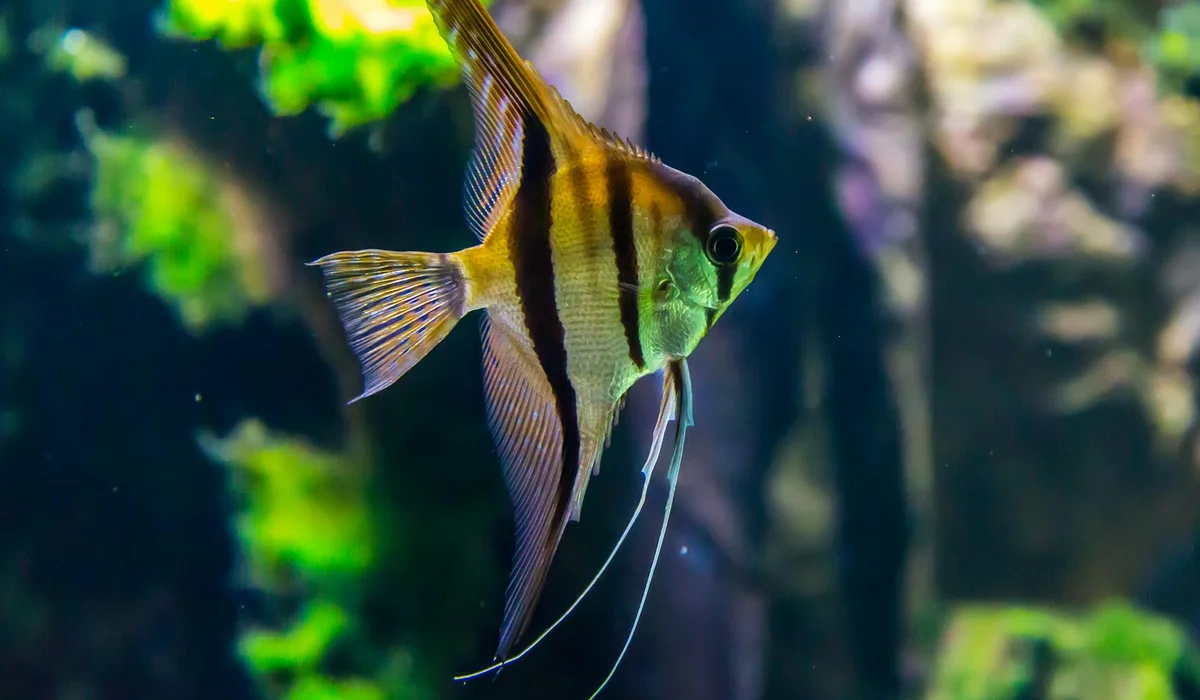
- Moderate/Peaceful: Tetras, Rasboras, Angelfish (when mature).
- Slow/Shy: Dwarf Gouramis, Corydoras, Loaches, many Bettas.
Respect Size Differences and Dietary Needs
The old adage “if it fits in the mouth, it’s food” is a brutal but true law in aquarium keeping. A significant size difference, even with a peaceful larger fish, can turn smaller tank mates into unintended snacks. Goldie, my oranda, is social but will vacuum up anything edible that fits in her mouth.
Always research the adult size of every species, not just their cute juvenile size, and ensure all inhabitants are too large to be considered prey. Dietary needs are equally critical; a carnivore’s high-protein diet pollutes water faster and requires different food than an algae grazer’s menu.
Align Water Parameters and Environmental Needs
You wouldn’t force a cactus and a fern to share the same pot of soil and sunlight. Fish have specific needs for temperature, pH, and hardness (GH/KH). Forcing a South American tetra that thrives in soft, acidic water to live with African cichlids from hard, alkaline lakes condemns one or both groups to chronic, low-grade stress.
Creating a stable environment where all species’ core parameter ranges overlap significantly is non-negotiable for long-term health. This is more vital than any decoration. I keep a simple chart for my tanks: one column for ideal temperature (e.g., 74-78°F), one for pH (e.g., 6.5-7.2), and one for hardness. Any new fish must fit this existing profile.
Schooling Fish: Safety in Numbers
For fish like tetras, rasboras, and corydoras, schooling isn’t a preference-it’s a survival instinct. A lone schooling fish is a panicked fish. It will hide, dart erratically, and its colors will often fade. This constant anxiety weakens its entire system.
True schooling fish need a minimum of six of their own kind to feel secure, with eight or more being the gold standard for natural behavior. That shimmering, synchronized dance you love only happens when they feel safe in a proper group. Buying just two or three is a recipe for observable stress.
Preparing Your Tank for New Friends
Tank Size and Filtration: The Foundation of Space
Forget the outdated “one inch per gallon” rule. A fish’s space needs are about territory, swimming room, and waste dilution. A single 6-inch fish produces far more waste than six 1-inch fish. Your tank must have the physical volume and the biological filtration capacity to handle the added bioload.
I always rate my filtration one level above the tank’s stated volume-a filter rated for 40 gallons on a 30-gallon tank-to ensure crystal-clear water and robust biological processing. Overcrowding is the fastest path to aggression, as fish feel trapped and compete for resources, and to poor water quality that sickens everyone.
Designing with Hiding Spots and Escape Routes
An empty tank is a battlefield. Even the most peaceful community needs breaks from each other. Visual barriers break lines of sight and give subordinate fish a chance to retreat. Use tall plants, driftwood, and rock formations to create distinct zones.
Dense plantings like Java Fern or Amazon Swords, along with caves and tunnels, provide critical refuge and dramatically reduce chase-induced stress. For bottom dwellers, I use smooth river rocks and cholla wood to create little caves where my corydoras can vanish completely. The goal isn’t to never see your fish, but to give them the choice to hide, which makes them feel secure enough to come out more often.
The Safe Introduction and Acclimation Process
Quarantine: Your Secret Weapon for Health
Think of a quarantine tank as a cozy, private hospital room for your new fish. I keep a simple 10-gallon tank with a sponge filter and a handful of plastic plants ready at all times. This separate tank lets you watch for hidden illnesses like ich or fin rot without risking your main aquarium’s entire ecosystem. Setting up the quarantine tank properly is crucial for the health of your fish. From personal heartache, I learned that skipping this step once introduced a parasite that affected my Corydoras, Shadow, and it took weeks to remedy.
A proper quarantine lasts two to four weeks. Use water from your established tank to fill it, which helps stabilize parameters. Daily, watch for erratic swimming, clamped fins, or spots on scales. This observation period is your best defense against introducing a silent killer into your community.
- Set up a bare-bottom tank of at least 5-10 gallons with a gentle filter and heater set to match your main tank’s temperature.
- Perform small water changes every other day to keep ammonia at zero, testing with a liquid kit.
- Treat any signs of illness here, not in your display tank. Medications can harm beneficial bacteria and invertebrates.
Acclimation Techniques for Reducing Shock
Even after quarantine, the move to a new tank is a massive shock. The goal is to slowly blend the water chemistry—pH, temperature, and hardness—so your fish doesn’t gasp or panic. I swear by the drip method for all sensitive species like bettas or delicate tetras. The gentle, consistent drip of water from the main tank into the bucket mimics a natural, slow environmental change. Once quarantine is complete, extend this gradual acclimation to the display tank as you introduce the fish. A slow drip transfer from quarantine water to tank water helps them settle calmly during the post-quarantine transition.
For drip acclimation, you’ll need airline tubing and a control valve. I aim for 2-4 drips per second and let it run for about an hour. For hardier fish like some livebearers, the float method works, but I still extend the time to 30-45 minutes. Never pour the water from the store bag directly into your tank; it can introduce contaminants and sudden parameter shifts.
- Float the sealed bag in your aquarium for 15 minutes to equalize temperature.
- Open the bag, roll down the top, and place it in a clean bucket. Use a clip to secure it.
- Start a siphon with airline tubing from your main tank to the bucket, tying a loose knot to control flow.
- Once the water in the bucket doubles, carefully net the fish and release it into the tank.
Monitoring, Tweaking, and When to Step In
Reading the Tank’s Mood After New Arrivals
The first 48 hours are critical. Lights should be dimmed, and you should observe from a distance to avoid adding your stress to theirs. Watch for body language: rapid gill movement, hiding behind filters, or lack of appetite. True aggression isn’t just a quick chase; it’s persistent nipping, cornering, or torn fins that don’t heal. My betta, Captain Fin, will darken in color and patrol his territory fiercely when stressed by a new tank mate.
Create visual breaks with rocks and tall plants like Java Fern. If you see constant harassment, use a tank divider temporarily. Sometimes, simply rearranging the decor when the lights are out can reset territories and reduce conflict overnight. Listen to your aquarium too-a sudden silence instead of the usual hum of activity can signal trouble.
- Signs of stress: Faded colors, clamped fins, refusing food, gasping at the surface.
- Signs of aggression: Relentless chasing, missing scales, one fish monopolizing food or hiding spots.
- Immediate action: Feed a small, distracting meal, turn off lights, or add a temporary hiding place like a ceramic pot.
Adjusting for Life Stages and Maturity
Fish personalities evolve. That peaceful juvenile angelfish you added can become a territorial centerpiece in a year. I’ve had to rehome a mature gourami that outgrew its welcome with my smaller tetras. Plan your community not just for who they are today, but for the full-grown adults they will become in two to three years. Goldfish like Goldie start small but produce massive waste and need far more space as they age.
For species that form hierarchies, like cichlids, introduce multiple juveniles at once so they grow up together. Spawning behavior can trigger sudden aggression; a previously calm fish guarding eggs might chase all others away. Have a backup tank ready for isolation if breeding occurs unexpectedly. Monitor growth rates monthly; if one fish is outgrowing others rapidly, it might be time to reconsider the stocking plan.
- Research the adult size and temperament of every species, using trusted sources or breeder advice.
- When adding juveniles, introduce them in groups of three or more to disperse aggression.
- During breeding seasons, increase protein in food and provide extra caves or plants to diffuse tension.
- Be prepared to upgrade tank size or rehome fish if compatibility shifts with age.
FAQs
Can I keep bottom-dwelling fish with mid-water swimmers?
Yes, this is an excellent strategy for maximizing space and reducing competition. Fish that occupy different vertical zones in the aquarium, like Corydoras on the bottom and Tetras in the middle, often ignore each other. This natural separation minimizes territorial disputes and creates a more balanced, visually interesting community.
What should I do if I followed all the rules but two fish are still fighting?
First, create immediate visual barriers with decorations or plants to break the line of sight. If aggression persists, temporarily use a tank divider to separate the aggressor. You may need to consider rehoming one of the fish, as individual personality sometimes overrules general species temperament guidelines. These steps are especially useful when a single bully governs a community tank. They help protect the other fish while you work out a long-term plan.
How do I manage water parameters for a community with slightly different needs?
Aim for the middle ground where all species’ acceptable ranges overlap, and prioritize absolute stability over a “perfect” number. For instance, if one fish prefers pH 6.8-7.0 and another 7.0-7.2, maintain a steady 7.0. Consistency is far less stressful than chasing an exact ideal that fluctuates.
My fish got along as juveniles but are now aggressive. Why?
This is common as fish reach sexual maturity and adult size. Their innate territorial and breeding behaviors fully emerge. You may need to upgrade to a larger tank to provide adequate territory or rehome a fish whose mature temperament is incompatible with the current community, as planned during initial research.
Your Blueprint for a Calmer Community Tank
Successful tank mate selection boils down to two things: respecting the unique personality of each fish, like my feisty betta Captain Fin, and meticulously matching their environmental needs for space, water, and food. By prioritizing compatibility over just color, you build an ecosystem where fish like shy Shadow can thrive instead of just survive. When you choose compatible fish for your community tank, you set the stage for harmony. It helps prevent aggression and ensures everyone has space, water, and food to share.
Caring for a thriving aquarium is a rewarding journey of constant, gentle learning. Your commitment to observing your pets and deepening your knowledge is the most powerful filter you can add to any tank. A month-by-month care plan and a full-year planner help you anticipate needs, track changes, and keep a thriving tank all year. Your tank will thank you for the steady attention.
Further Reading & Sources
- 35 Peaceful Community Fish For Your Tank (Updated List)
- Fish Compatibility: How to Build a Peaceful Community Fish Tank
- 27 Peaceful Community Fish for Your Freshwater Aquarium (GUIDE)
- r/Aquariums on Reddit: Favorite Non-aggressive Community Tank Fish?
- Creating a Peaceful Community Tank: Compatible Fish Species
Lia is an expert in aquarium and pet fish care. Having worked in the marine industry and having cared for multiple pet fish, she has acquired first hand expertise on aquarium care, maintenance and setup. She always brings her practical expertise and science to help solve any aquarium related queries.
Fish Species