
Why Fish Jump From Tanks and How to Keep Them Safe
Hello fellow fish keepers! Finding a fish on the floor can shatter your aquarium peace in an instant. You’re right to seek answers, and this guide will turn that worry into clear, actionable steps.
We’ll explore the hidden reasons behind this behavior and give you straightforward fixes. This article covers the key causes of jumping, from poor water quality to bullying tankmates, and hands-on prevention tips you can apply today.
My advice comes from years of hands-on experience breeding fish and maintaining delicate, high-tech planted aquariums.
A Sudden Leap: Unpacking Why Fish Jump
Water Quality: The Silent Alarm
Imagine your fish living in water that feels like a burning, suffocating fog to them—that’s what poor water quality does. Fish like Captain Fin, with his vibrant scales, will often try to leap away from ammonia or nitrite levels that are literally poisoning him, even if the water looks clear to you. To keep Captain Fin thriving, you need to test and monitor your tank’s water quality by tracking the essential parameters. Regular checks catch issues before they harm him. I test my water weekly because I learned the hard way after a spike caused by overfeeding Goldie; her frantic swimming was a clue I missed. Keep these parameters in check:
- Ammonia and Nitrites: Always at 0 ppm-any trace is toxic.
- Nitrates: Below 20 ppm to avoid slow stress buildup.
- pH: Stable within your fish’s range, like 6.5-7.5 for many community tanks.
- Temperature: Sudden swings of more than 2°F can trigger panic jumps.
The hum of a filter isn’t enough; you need the clarity of perfect chemistry.
Stress and Fear in the Home Aquarium
Your aquarium should be a peaceful sanctuary, but loud noises, bright lights, or aggressive tank mates turn it into a prison. Shy bottom dwellers like Shadow will bolt for the surface if they’re constantly chased during feeding time, thinking a leap is their only escape. I’ve seen bettas like Captain Fin get so stressed by their own reflection they try to jump over it. These moments hint at some of the most common signs that fish are stressed. Recognizing these cues early lets you adjust feeding, lighting, or tank mates to keep the peace. Common stressors include:
- Bullying from incompatible fish.
- Lack of hiding spots with plants or decor.
- Frequent tapping on the glass or sudden room vibrations.
Observe your fish’s behavior daily; clamped fins or hiding are early warnings.
When Illness Triggers an Escape
Sometimes, a jump is a desperate act from a fish feeling literally under attack. Parasites like ich can make fish so itchy and uncomfortable they thrash and jump trying to dislodge them. I once had a goldfish with a swim bladder issue that caused erratic launches toward the surface. Watch for these signs of illness that may precede a leap:
- Flashing or rubbing against objects.
- Rapid gill movement or gasping at the surface.
- Lethargy combined with sudden bursts of speed.
Quarantine sick fish immediately to treat them and protect others.
Your First Line of Defense: The Physical Barrier
Choosing and Fitting Your Tank Lid
Even with perfect water and a calm tank, some fish are natural jumpers, so a lid is non-negotiable. A well-fitted lid not only saves lives but also reduces evaporation and keeps dust out, maintaining that shimmering water clarity you work so hard for. From my experience, a tight seal is key-I lost a beautiful gourami to a gap I thought was too small. Here’s how to choose and fit one:
- Material: Glass lids offer great visibility but can be heavy; acrylic is lighter but scratches easily.
- Ventilation: Ensure there are openings for filters and air tubes without leaving jump-sized gaps.
- Customization: For odd-shaped tanks, consider DIY options like window mesh kits secured with clips.
Measure your tank’s inner rim precisely, and check the fit weekly as equipment shifts.
Crafting a Calm Underwater World
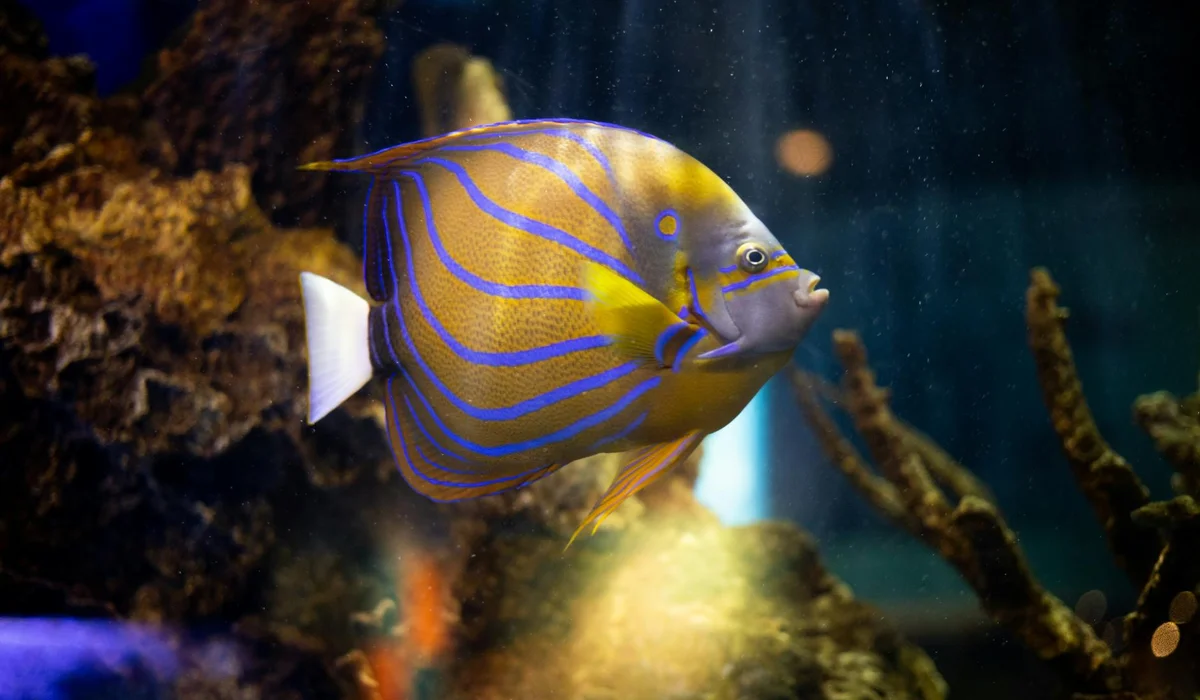
Think of your aquarium as a miniature ecosystem you have the power to balance. Regularly test and maintain proper water parameters in your aquarium to keep pH, ammonia, nitrite, and nitrate in safe ranges. A stressed fish is a jumping fish, so our goal is to engineer an environment so comfortable and engaging that leaping never crosses their minds.
Water Parameter Mastery
Fish don’t just “live” in water; they interact with it through their gills and skin every second. Sudden shifts feel like a shocking climate change to them. I test my tanks every week without fail, treating it like a vital health check-up. Noting how they behave before and after water changes shows what’s normal. If activity or feeding changes sharply, that’s a sign to check water parameters.
Ammonia and nitrite must always be zero, but a creeping nitrate spike above 40 ppm can cause the same low-grade distress as a room slowly filling with smoke. A consistent, partial water change schedule is your strongest tool against this invisible stressor.
pH and hardness matter more than many beginners realize. A fish adapted to soft, acidic blackwater (like many tetras) will be perpetually agitated in hard, alkaline tap water. Water hardness and alkalinity are critical factors to consider. Research your species’ native habitat and aim for stability above all else.
Designing for Security and Enrichment
A bare tank is a terrifying open plain with no shelter. Fish need visual barriers and hiding spots to feel secure. I use a layered approach: These hiding spots help establish territories for your fish and reduce stress. They also give shy fish a retreat, keeping the peace among tank mates.
- Background & Base: A solid-colored background on three sides cuts down on reflections and makes fish feel less exposed. A dark substrate is often more natural and calming than bright blue gravel.
- The Plant Matrix: Dense plantings, especially tall stems like Vallisneria or bushy Anubias, create a “forest” for fish to explore and retreat into. Floating plants like Frogbit or Salvinia dim the light and provide a security blanket from above.
- Strategic Decor: Caves, driftwood tunnels, and rock formations break up sightlines. My Corydoras, Shadow, has his own designated slate cave-knowing he has that safe haven keeps him grounded.
The gentle hum of the filter and the shimmer of dappled light through floating plants can transform a tank from a sterile box into a serene sanctuary. Also, ensure your water flow isn’t a torrent; some fish, like Bettas, will jump to escape a constant current they cannot fight.
The Harmony of Tank Mates
Incompatibility is a prime jumper catalyst. A peaceful fish under constant harassment has two choices: hide perpetually or attempt a desperate escape. You must be a careful matchmaker.
Observe body language. Are certain fish always claiming the food? Are others missing fins or hiding in the top corners? These are red flags.
- Fast, flashy fish can stress slower, deliberate species.
- Nocturnal bottom dwellers need their space respected during the day.
- Even generally peaceful species can become bullies if the tank is too small or under-decorated.
Research is non-negotiable—don’t just trust a pet store label. A community tank thrives on balance, not just a list of fish that “won’t eat each other.” Sometimes, the best prevention is rearranging decor to reset territories or rehoming a chronic aggressor. Dealing with a single aggressive fish in a community tank calls for a targeted plan. This can mean adding hiding spots and clear territories, or temporarily separating the bully if needed.
Emergency Response and Proactive Habits
Despite our best efforts, a jump can happen in a flash. Knowing what to do next can mean the difference between life and death.
Strategic Water Level Management
This is the single most effective physical barrier you can create. I keep my water level at least two inches below the rim of the tank for all my aquariums. That gap is a critical safety margin that turns an easy leap into a difficult, unlikely climb. It drastically reduces their launch angle and momentum.
If you find a fish on the floor, act immediately. Gently scoop them up with a wet, soft net or your hand and place them back into the tank. They may seem stiff or dry. Often, they will sink and lie motionless on the bottom. Do not assume they are gone. If you see a fish staying at the top or bottom of the tank, that can indicate stress, poor water quality, or a medical issue. Check water parameters, observe for other symptoms, and address any problems promptly.
Turn off the tank lights to minimize stress and point a gentle flow from your filter outlet toward their gills to help oxygenate them. I’ve seen fish recover after 15 minutes of apparent lifelessness. Patience and calm are your allies here. Check the area around the tank thoroughly, as a fish can flop surprisingly far. After revival, re-acclimate them to the repaired tank slowly using a drip method to match temperature and water chemistry, avoiding sudden changes. This helps minimize stress once they’re back in the system.
FAQs
How can I ensure my tank lid is secure enough to prevent jumps?
Regularly check the lid for gaps caused by equipment shifts or wear, and ensure any openings for filters or cords are sealed with foam or custom-cut guards. A snug fit is crucial, as even small spaces can allow agile fish to escape. Clean the lid frequently to maintain visibility and prevent warping that might compromise security.
What daily habits can help prevent fish from jumping?
Observe your fish during feeding for signs of stress or aggression, like chasing or hiding, which can prompt leaps. Maintain a consistent routine for lights and water changes to avoid sudden environmental shifts. Quick visual inspections for unusual behavior or water surface disturbances can alert you to potential issues before they escalate, especially during water changes.
Is managing the water level an effective prevention strategy?
Yes, keeping the water level at least two inches below the tank rim is a simple yet highly effective deterrent. This gap reduces the angle and force of potential jumps, making it harder for fish to propel themselves out. Combine this with other measures like lids or plants for layered protection against escapes.
Are there alternative methods to lids for jump prevention?
For open-top setups, use floating plants like frogbit to partially cover the surface, or install a DIY mesh screen secured with clips. Minimize strong surface currents from filters that might stress fish into jumping, and ensure plenty of hiding spots to reduce anxiety. These methods add safety while maintaining aesthetic appeal.
Your Blueprint for a Secure Aquarium
Stop escapes by always using a full-coverage lid and diligently testing your water for imbalances. Creating a calm, stable environment with plenty of hiding spots addresses the root causes of stress that lead to jumping.
Being a great fish owner means proactively learning from their behavior to improve their home. The hobby always has more to teach you, and that ongoing education is what transforms a simple tank into a resilient ecosystem.
Further Reading & Sources
- Why Do Fish Jump Out Of Water – 8 Reasons Why (And How TO Prevent It) – AquariumStoreDepot
- Fish Jumping Out Of Your Aquarium? Here’s How To Stop It. – AQUAPROS
- How to stop fish from jumping out of a tank?
- Fish Jumping From Water – General Chat – Aquarium Co-Op Forum
- How to avoid fish jumping out on rimless tanks? | The Planted Tank Forum
Lia is an expert in aquarium and pet fish care. Having worked in the marine industry and having cared for multiple pet fish, she has acquired first hand expertise on aquarium care, maintenance and setup. She always brings her practical expertise and science to help solve any aquarium related queries.
Water Quality