
Algae on Aquarium Rocks and Decor? Here’s Your Clear Path to a Spotless Tank
Hello fellow fish keepers! That unsightly green fuzz on your decorations isn’t just an eyesore; it’s a common hiccup in our hobby that can make any tank look neglected. I’m here to tell you that clearing it away safely is simpler than you think, and your aquarium’s beauty is just a few gentle scrubs away.
This straightforward guide will walk you through the entire process, focusing on:
- Identifying the type of algae you’re dealing with
- Choosing the safest cleaning methods for your fish and plants
- Step-by-step instructions for scrubbing rocks, wood, and artificial decor
- Long-term strategies to slow algae’s return
You can trust these tips because they’re born from my years of hands-on experience maintaining high-tech planted tanks and breeding sensitive fish.
Why Algae Finds a Home on Your Decor
That fuzzy green coat on your favorite castle or the brown film on your river rocks isn’t personal. Algae is a simple plant seeking the same things your fish do: a stable home with plenty of food and light. Your decorations offer a perfect, porous surface for algae spores to grab onto and thrive, especially in areas with gentle water flow.
I learned this the hard way with Goldie’s tank. His orange scales seemed dull against the suddenly green background. The main culprits are usually an imbalance of light and nutrients. Think of your tank light as the sun and fish waste or leftover food as fertilizer.
- Excess Light: More than 8-10 hours of bright light daily is an open invitation for algae to photosynthesize and multiply.
- Nutrient Buildup: Nitrates and phosphates from decomposing matter are a feast. Levels above 20 ppm for nitrates can trigger blooms.
- Surface Texture: Rough, porous materials like lava rock or natural driftwood have tiny crevices that protect algae from being swept away.
- Low Flow Zones: Dead spots behind decorations where water doesn’t circulate become nutrient-rich algae farms.
You don’t need fancy gadgets to win the algae war. A few dedicated, aquarium-safe items will make the job quick and prevent cross-contamination from household cleaners. I keep a small bucket and tools used only for tank maintenance, which has saved my fish from accidental soap or chemical exposure more than once. When choosing the best algae scrapers cleaning tools for your aquarium, prioritize aquarium-safe materials and a comfortable grip. Different surfaces—glass, acrylic, rocks—call for different tools, like magnetic scrapers for glass and nylon brushes for porous decorations.
The Step-by-Step Guide to Safe Algae Removal
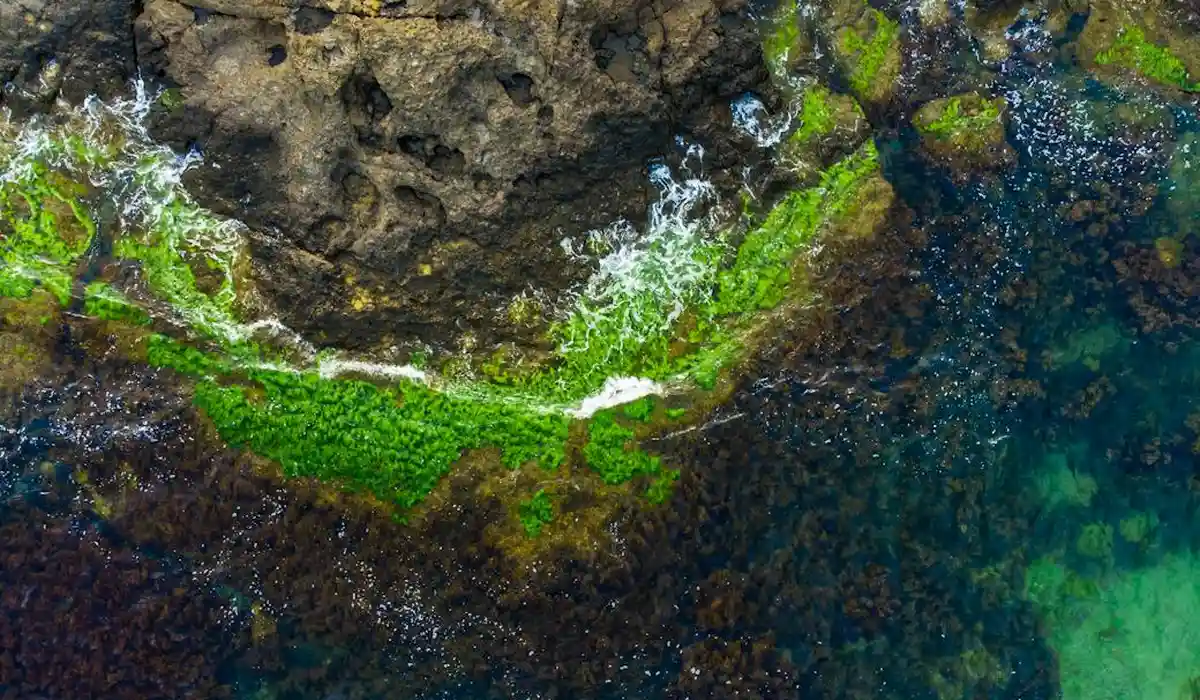
Scrubbing decorations can feel daunting, but a methodical approach keeps your aquarium’s balance intact and your fish stress-free. The golden rule is to never, ever use soap or chemical cleaners from under your sink–their residues cling to surfaces and will poison your water in minutes, unlike vinegar, which is a safer option for aquarium decorations. Always have a bucket dedicated solely to your aquarium chores; this prevents cross-contamination from household cleaners.
Cleaning Porous Rocks and Natural Stone
Rocks like lava rock, dragon stone, and seiryu stone are algae magnets due to their textured surfaces. Their porous nature means they can harbor debris and cleaning agents, so you must be gentle.
- Remove the rock from the tank. Gently lift it out, trying not to stir up too much detritus from the substrate.
- Scrub with tank water. Use a brand-new, soft-bristled brush (a dedicated toothbrush works perfectly) and scrub the rock in a bucket of water you’ve siphoned from during your water change. The warm tank water helps loosen the algae.
- For stubborn spots, use boiling water. If the algae is persistent, you can carefully pour boiling water over the rock while scrubbing. The thermal shock helps kill and release the algae. Do not boil the rock itself, as trapped air pockets inside certain stones can cause them to explode.
- Rinse thoroughly with dechlorinated water. Give it a final rinse with water treated with your usual conditioner to remove any last particles before returning it to the tank.
Cleaning Resin, Plastic, and Ceramic Decorations
These non-porous items allow for more intensive cleaning methods. I often use this process for the ceramic cave where my corydoras, Shadow, likes to hide.
- Initial rinse in tank water. Just like with rocks, start by scrubbing with a brush in your bucket of old tank water.
- Prepare a dedicated soak. For tough green hair algae or slime, create a 1:1 solution of white vinegar and water in a separate clean bucket or container.
- Soak and scrub. Submerge the decoration for 10-15 minutes, then scrub again. The vinegar acidity dissolves mineral deposits and breaks down algae.
- The final rinse is critical. Rinse the item under running tap water, then soak it in a bucket of fresh dechlorinated water for 5-10 minutes to neutralize any lingering vinegar. Smell it-if you can’t detect any vinegar scent, it’s safe to go back in the tank.
Using Safe Cleaning Solutions and DIY Soaks
Your best cleaning agents are likely already in your pantry. These solutions are effective and, when rinsed properly, pose zero risk to your fish. Even with your fish still in the tank, you can clean safely using these pantry solutions. Just rinse thoroughly to keep your aquatic friends safe.
- White Vinegar: My absolute go-to. It’s a mild acid that cuts through calcium-based algae and hard water stains. Perfect for glass, ceramic, and plastic.
- Hydrogen Peroxide (3%): A powerful oxidizing agent. You can spot-treat algae by applying it directly with a pipette, let it fizz for a minute, then scrub and rinse. Never pour peroxide directly into your main tank; always remove the item first.
- Bleach Water Soak: Reserved for the most severe cases or disinfecting second-hand decor.
A Note on Commercial Algaecides and Bleach
I avoid commercial algaecides for decoration cleaning. They are designed for whole-tank treatment and are easy to overdose in a small bucket, leaving toxic residues. If you must use household bleach, the protocol is non-negotiable: a 1:10 bleach-to-water soak for no more than 15 minutes, followed by a thorough rinse and a prolonged 15-minute soak in dechlorinated water containing a double dose of water conditioner to neutralize the bleach. For my tanks, the vinegar method is safer, simpler, and just as effective for almost every situation. To clean algae off the aquarium glass effectively, use a soft algae scraper or a magnetic cleaner. For stubborn spots, a brief vinegar wipe can help loosen the film before gentle scrubbing, then rinse thoroughly.
After the Scrub: Rinsing, Quarantine, and Reintroduction
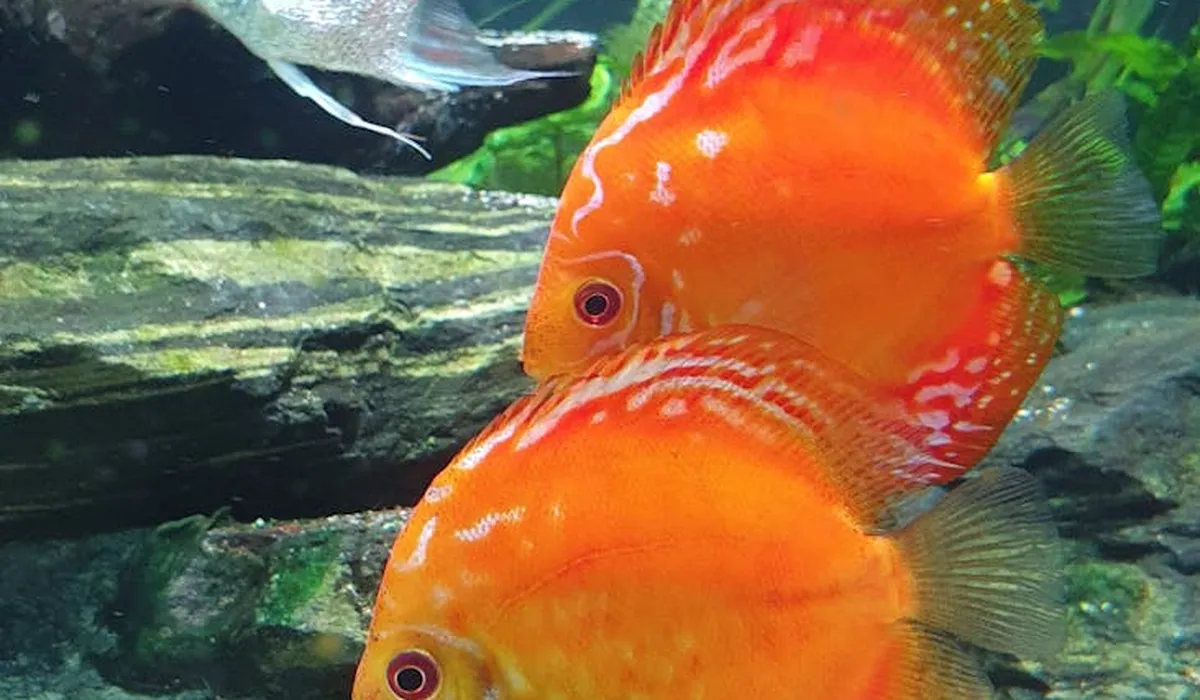
That satisfying scrubbing work is done, but popping decorations straight back into the tank is a common misstep. Any residue, whether it’s cleaning solution or dislodged algae, can cloud your water or stress your fish. I always treat my scrubbed items like new purchases, giving them a thorough rinse and a brief time-out before they go home. Regular aquarium cleaning maintenance helps keep water clear and fish healthy. Rinse tools, test the water, and perform small water changes as part of the routine.
Rinsing: The Double-Check
Use water that’s a similar temperature to your aquarium. Hold each item under a strong stream from your tap or hose, using your fingers to rub over every nook and cranny. For porous rocks or wood, I squeeze and submerge them repeatedly in a clean bucket to force out any trapped debris. Your goal is water running off the decor that’s perfectly clear, with no tiny particles or slippery feeling.
The Quarantine Soak
This is your final safety net. Fill a clean bucket or container with fresh, dechlorinated water. Submerge your rinsed decorations and let them soak for 15-30 minutes. This does two critical things: it equalizes the temperature to prevent shock, and it gives you a last chance to see if any contaminants leach out. If the soak water turns even slightly cloudy or soapy, you need to go back and rinse everything again, no shortcuts.
Gentle Reintroduction
Now you can return your sparkling decor to the tank. Lower items in slowly to avoid disturbing your substrate or startling fish like my shy corydoras, Shadow. Take this moment to rescape slightly if you wish, creating new hiding spots. The entire process-scrub, rinse, quarantine, return-might seem meticulous, but it protects the delicate balance your fish rely on.
Keeping Algae Off Your Decor for Good
Cleaning is reactive; building an ecosystem that resists algae is proactive. The goal isn’t a sterile tank, but a balanced one where algae doesn’t get the upper hand. Consistent, small actions in water management and lighting are far more powerful than heroic weekly scrubs. It’s important to understand whether algae is good or bad for your aquarium ecosystem to effectively manage its growth.
Review your light duration-cutting it back by just an hour or two can starve algae without harming plants. Test your nitrate and phosphate levels; they are the algae’s favorite buffet. Regular partial water changes are your most reliable tool for diluting the nutrients that fuel green, brown, and fuzzy outbreaks on your decorations.
The Role of Your Cleaning Crew
You don’t have to fight algae alone. A well-chosen clean-up crew provides daily, natural maintenance on your decor. They graze on biofilm and soft algae types, keeping surfaces tidier between your cleanings.
- Nerite Snails: The rock stars for hard surfaces. They voraciously consume diatoms (brown algae) and green film algae off glass, rocks, and driftwood without reproducing in fresh water.
- Amano Shrimp: These tireless workers are fantastic for bushy plants and intricate decor. They pick at hair algae and other stringy types that snails often ignore.
- Otocinclus Catfish: Tiny, peaceful algae-eating machines perfect for smaller tanks. They specialize in soft green algae coating leaves and smooth rocks.
- Corydoras Catfish: While not primary algae-eaters, like my Shadow, their constant sifting of the substrate prevents waste from settling and breaking down into algae-feeding nutrients.
Match your crew to your tank size and fish compatibility. A small army of nerites and amanos can make the difference between needing to scrub monthly versus maybe just a light brushing every few months.
## Common Questions
Can I clean my decorations without removing them from the tank?
While you can gently wipe some decorations in place, a thorough cleaning requires removal. Scrubbing inside the tank clouds the water with floating algae and waste, which can clog your filter and degrade water quality. For a deep clean and to use any safe soaking solutions, always take the item out and follow the proper scrub, rinse, and quarantine steps. To deep clean your aquarium step by step, start by removing items from the tank. Then scrub, rinse, and quarantine as you go.
Is it safe to rinse decorations under tap water?
You can use tap water for the final vigorous rinse to remove debris and cleaning solution residues. Before you start any setup, clean the tank itself with hot water and a non-detergent cleaner, then rinse thoroughly—this is part of the best way to prep a new tank. However, you must then soak the decor in a bucket of dechlorinated water. This crucial quarantine step neutralizes any chlorine, chloramines, or trace contaminants from the tap and brings the item’s temperature back to match the tank, preventing fish shock.
Why should I avoid commercial algae scrapers or pads on decor?
Many algae pads designed for glass are too abrasive for delicate surfaces. Using them on resin, acrylic, or painted decorations can cause permanent scratches and clouding. For decor, always opt for soft-bristled brushes, which are effective at dislodging algae without damaging the item’s finish or the beneficial biofilm.
Which algae-eating fish or invertebrates are best for maintaining clean decorations?
For ongoing maintenance, Nerite Snails are excellent for smooth and rocky surfaces, while Amano Shrimp are adept at picking algae from intricate plastic plants and small crevices. It’s important to remember that a clean-up crew helps manage growth but does not replace the need for periodic manual cleaning to keep decorations looking their best.
The Final Gloss: Keeping Decorations Pristine
Your best defense against stubborn algae is using the right tool for the job-like a stiff brush for rocks or a gentle scrub for resin-and making these checks a part of your regular water change routine. Regular water changes dilute nutrients that feed algae, boosting prevention. This consistent care prevents major buildups and keeps your aquascape looking sharp with minimal fuss. When paired with targeted cleaning, they help keep algae in check and maintain overall water quality.
Every wipe and scrub contributes to a healthier home for your fish, turning maintenance from a chore into an act of care. Stay curious, connect with other aquarists, and always prioritize the well-being of your underwater pets through informed, attentive ownership.
Further Reading & Sources
- r/Aquascape on Reddit: Fixing the algae on the rocks
- Good or bad green algae on rocks? | Reef2Reef
- Removing Algae From Gravel | Cleaning and Maintenance Forum
- Prevention and Control of Nuisance Algae
- How To Deal With Aquarium Algae – Aquascaping Love
Lia is an expert in aquarium and pet fish care. Having worked in the marine industry and having cared for multiple pet fish, she has acquired first hand expertise on aquarium care, maintenance and setup. She always brings her practical expertise and science to help solve any aquarium related queries.
Algae Control