
Fishless vs Fish-In Cycling: The Clear Path to a Healthy Aquarium
Hello fellow fish keepers. That exciting moment you set up a new tank is often followed by the confusing question: how do I actually start this ecosystem? You’ve likely heard the terms “fish-in” and “fishless” cycling and wondered which path is right for you and your future finned friends.
This guide will walk you through both methods so you can make an informed, confident decision. We’ll cover:
- The core scientific difference between the two cycling processes.
- A direct comparison of the pros and cons for fish safety, speed, and effort.
- My recommended step-by-step guide for the safer fishless method.
- How to perform a responsible fish-in cycle if you must, focusing on harm reduction.
I’ve navigated these waters for years, cultivating thriving planted tanks and breeding sensitive fish successfully.
A Quick Dive into Aquarium Cycling
Think of cycling your aquarium like building the foundation for a house. You wouldn’t build the walls and move in the furniture before the concrete has cured, right? Cycling is the process of establishing colonies of beneficial bacteria that will process your fish’s waste, creating a stable and safe ecosystem. Fish waste and decaying food produce toxic ammonia. Specific bacteria, which naturally grow on your filter media and substrate, consume this ammonia and convert it into nitrite, which is also highly toxic. A second type of bacteria then consumes the nitrite and converts it into nitrate, which is far less harmful and is removed through water changes.
Understanding Fishless Cycling
Fishless cycling is my preferred method because it’s the most humane and controlled way to start a new tank. You are essentially building the entire biological filter from the ground up without using any live fish as “test subjects.” This is what people mean by the ammonia aquarium cycling fishless method. You dose a measured amount of ammonia to feed the bacteria and drive the cycle without any fish. You add a pure ammonia source to the water to simulate fish waste, which feeds the bacteria and allows their colonies to grow to a size capable of handling a full bioload. The two main bacterial stars are Nitrosomonas, which convert ammonia to nitrite, and Nitrobacter (or similar Nitrospira bacteria), which handle the conversion from nitrite to nitrate.
To start a fishless cycle, you’ll need just a few key items:
- Pure liquid ammonia (with no surfactants or scents)
- A high-quality water test kit for ammonia, nitrite, and nitrate
- A bacteria starter culture to seed the process
Ammonia Sources for Fishless Cycling
Your goal is to feed the bacteria a consistent and clean diet of ammonia. I strongly recommend using pure, unscented janitorial-strength ammonia from a hardware store, as it gives you the most control. You must check the label to ensure it contains no detergents or additives, which will foam when shaken. The other common method is using a pinch of fish food, which decays and produces ammonia, but this is much messier and less predictable.
Here are the basic steps for dosing with pure ammonia:
- Add a small amount of ammonia to your running, heated tank to reach a concentration of 2-4 ppm.
- Test your water daily. When the ammonia level drops, dose it back up to 2-4 ppm.
- You’ll soon see nitrites appear and then spike. Keep dosing ammonia to feed the first bacteria.
- The cycle is complete when your tank can process 2-4 ppm of ammonia all the way to nitrate within 24 hours, with zero ammonia and zero nitrite readings.
Setting Up Your Biofilter
Beneficial bacteria are not free-swimming; they need surface area to cling to. Your filter media, substrate, and even decorations become the apartment complex where these vital bacteria take up residence. A bacteria starter, like FritzZyme TurboStart or similar products, introduces a concentrated dose of live bacteria to jumpstart this colonization process. While not strictly mandatory, using one can dramatically cut down your cycling time from many weeks to just a few days.
To help your bacterial colony establish itself quickly:
- Keep your water temperature around 80-85°F (27-29°C), as bacteria reproduce faster in warmer water.
- Ensure plenty of water flow and surface area by using porous filter media like ceramic rings or sponges.
- Run your filter 24/7; turning it off can starve the bacteria of oxygen and cause die-off.
Understanding Fish-In Cycling
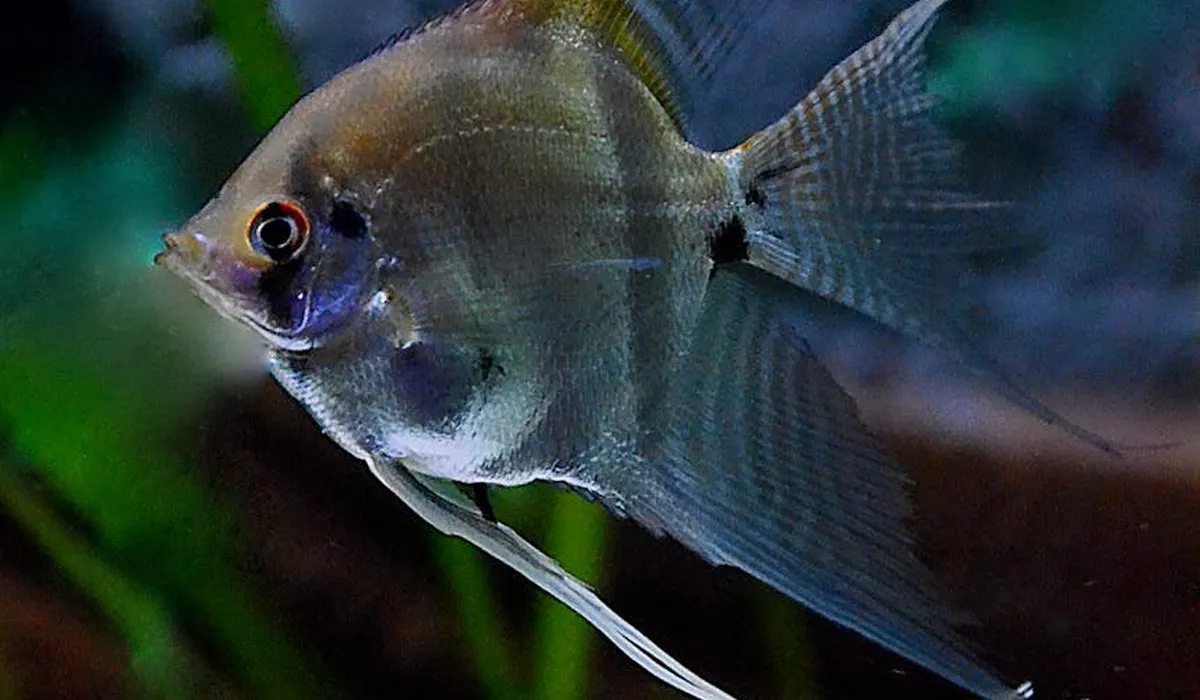
Fish-in cycling uses your live fish as the ammonia source for the beneficial bacteria you’re trying to grow. The fish produce waste, which breaks down into ammonia, starting the nitrogen cycle directly in their home.
You must perform frequent, partial water changes-sometimes daily-to keep ammonia and nitrite levels low enough to avoid harming your fish. This is a constant balancing act between feeding the new bacteria and protecting your aquatic pets.
I’ve managed this method before, and the hum of the filter becomes a reminder of your vigilance. The risks are real; a sudden spike can cause a tank crash, where the water becomes toxic faster than the bacteria can process it. This is why testing your water every single day is non-negotiable.
Managing Fish Stress and Health
Your fish will tell you when the water quality is slipping. You need to watch for subtle changes in their behavior and appearance.
Signs of stress from poor water conditions include:
- Rapid gill movement or gasping at the water’s surface
- Lethargy and hiding more than usual
- Loss of appetite or ignoring food
- Faded colors or clamped fins held tight against the body
To reduce these risks, your primary tools are a reliable liquid test kit and a dedicated water change bucket. I recommend testing the water every morning before you feed them.
If you detect any ammonia or nitrite, immediately perform a 25-50% water change with temperature-matched, dechlorinated water. This simple action dilutes the toxins and gives your fish immediate relief. Keeping the tank lightly stocked and slightly underfeeding during this phase also lessens the bioload, making the process safer for everyone involved. Lowering nitrite levels is crucial to preventing fish loss and maintaining a healthy aquarium.
Key Differences Between Fishless and Fish-In Cycling
Choosing a cycling method sets the tone for your entire tank startup. The core difference lies in the ammonia source and the resulting experience for you and your fish.
| Factor | Fishless Cycling | Fish-In Cycling |
|---|---|---|
| Ammonia Source | Liquid ammonia or decaying food | Waste from live fish |
| Fish Stress Risk | Zero. No fish are present. | High. Fish are exposed to toxins. |
| Stabilization Time | 4-8 weeks, can be accelerated | 6-8 weeks or longer, pace is dictated by fish safety |
| Ease & Cost | Easier to manage; cost is primarily for test kits and ammonia. | More difficult and potentially costly due to frequent water changes and fish medications. |
| Bacteria Colonization | Can be built to a massive level before adding a full fish load. | Grows slowly alongside a small, initial fish population. |
| Water Testing | Monitor parameters to track cycle progress. | Daily testing is a critical necessity for fish survival. |
Fishless cycling builds a complete bacterial ecosystem in a sterile environment, while fish-in cycling builds it around the fish, which requires constant intervention. The shimmer of healthy fish scales is a much more rewarding sight when you know they were never swimming in poison.
Pros and Cons at a Glance
Here’s a straightforward breakdown to help you weigh your options.
Fishless Cycling
- Pros: Completely safe for fish. Allows you to fully stock the tank sooner. Less daily maintenance and lower long-term stress for the aquarist.
- Cons: Requires patience with an empty tank. You need to source pure liquid ammonia. It can feel less “hands-on” for some hobbyists.
Fish-In Cycling
- Pros: You get to enjoy fish in the tank immediately. It feels more natural to some, as the cycle starts with the actual inhabitants.
- Cons: High risk of fish illness, stress, or death. Demands rigorous daily testing and water changes. The process is slower and more labor-intensive.
From my experience, the initial patience of fishless cycling always pays off with a more stable and resilient aquarium ecosystem from day one. You establish a strong biological foundation without any casualties, which is the kindest approach for any future finned friends.
Step-by-Step Fishless Cycling Guide
-
Set up your aquarium with filter, heater, and substrate. I always run my equipment for a full day to check for leaks and ensure the water temperature stabilizes around 78-80°F, which speeds up bacterial growth. This step is part of a complete guide to stable water and reliable aquarium temperature control. By keeping temperature consistent, you create a healthier environment for your fish and beneficial bacteria.
-
Add pure liquid ammonia until your test kit reads 2-4 ppm. You can find ammonia at hardware stores, but shake the bottle-if it suds up, avoid it because additives harm bacteria.
-
Test ammonia, nitrite, and nitrate every day using a liquid test kit. Patience is your best friend here; I’ve seen tanks take three weeks to show nitrites, so don’t get discouraged by slow progress.
-
Re-dose ammonia to 2 ppm whenever it drops below 1 ppm. This constant food source keeps the bacteria colony thriving until nitrites spike and then fall to zero.
-
Stop adding ammonia once both ammonia and nitrite hit 0 ppm within 24 hours, and nitrate is present. That satisfying moment when the water stays crystal clear means your tank is ready for fish!
Monitoring Your Progress
-
Watch for ammonia to peak first, then drop as nitrite rises. I log my results in a notebook-seeing the nitrite curve climb then fall tells me the second bacteria group is established.
-
Note when nitrate appears, usually as a light orange in the test tube. Hold the vial against a white background in natural light for the most accurate color reading.
-
Adjust ammonia doses if levels stagnate; if nitrite stays high for days, halve the ammonia amount. Bacteria can get overwhelmed, so I reduce food to prevent stalls in the cycle.
-
Use test kits at the same time daily for consistency. Rinsing tubes thoroughly after each use prevents false readings from residue.
Step-by-Step Fish-In Cycling Guide
-
Select hardy fish like zebra danios or cherry barbs, and add only 1-2 per 10 gallons. When I started with Captain Fin, my betta, I kept him alone in a 5-gallon to minimize waste buildup.
-
Acclimate fish slowly by floating the bag and adding tank water every 10 minutes. Typically, float the bag for 15-20 minutes before releasing. This helps the fish acclimate to the tank water and temperature. This gradual introduction reduces shock, so your fish don’t gasp at the surface from stress.
-
Feed a tiny pinch once a day-only what they eat in two minutes. Overfeeding spikes ammonia fast; I fast my fish one day a week to give the filter a break.
-
Test water for ammonia and nitrite daily, aiming to keep both under 0.5 ppm, especially if you see levels creep up, that’s your cue to act before fish show signs of distress.
-
Perform 25-30% water changes anytime ammonia or nitrite exceeds 0.5 ppm. Use a gravel vacuum to remove waste, and always treat new water with a conditioner that neutralizes chlorine.
Daily Care and Precautions
-
Check water parameters each morning before feeding. I test right after the filter hums to life-catching a spike early lets you fix it before fish suffer ammonia burns.
-
Observe fish behavior for lethargy, clamped fins, or rapid gill movement. Shadow, my corydoras, hides more when nitrites rise, so I watch for those subtle clues.
-
Keep Seachem Prime or a similar detoxifier on hand for emergencies. Dosing it during water changes temporarily binds toxins, giving you a safety net if levels jump unexpectedly.
-
Act immediately if ammonia hits 1 ppm or nitrite reaches 0.5 ppm with a 50% water change. Delaying even a few hours can stress fish; I’ve saved Goldie from sluggishness by responding fast.
Choosing the Right Method for Your Aquarium
Your decision between fishless and fish-in cycling boils down to three main factors: your tank setup, your experience level, and your personal risk tolerance. Fishless cycling is a controlled, scientific process, while fish-in cycling is a high-stakes balancing act with living creatures. Both methods revolve around cycling your tank to establish a stable nitrogen cycle—what hobbyists call fish cycling. Understanding this helps you protect your fish during the cycle.
Consider these points to guide your choice:
- Tank Size: A larger tank (20 gallons or more) gives you more water volume to dilute toxins, making fish-in cycling slightly less risky. For anything under 10 gallons, I always recommend fishless cycling without exception.
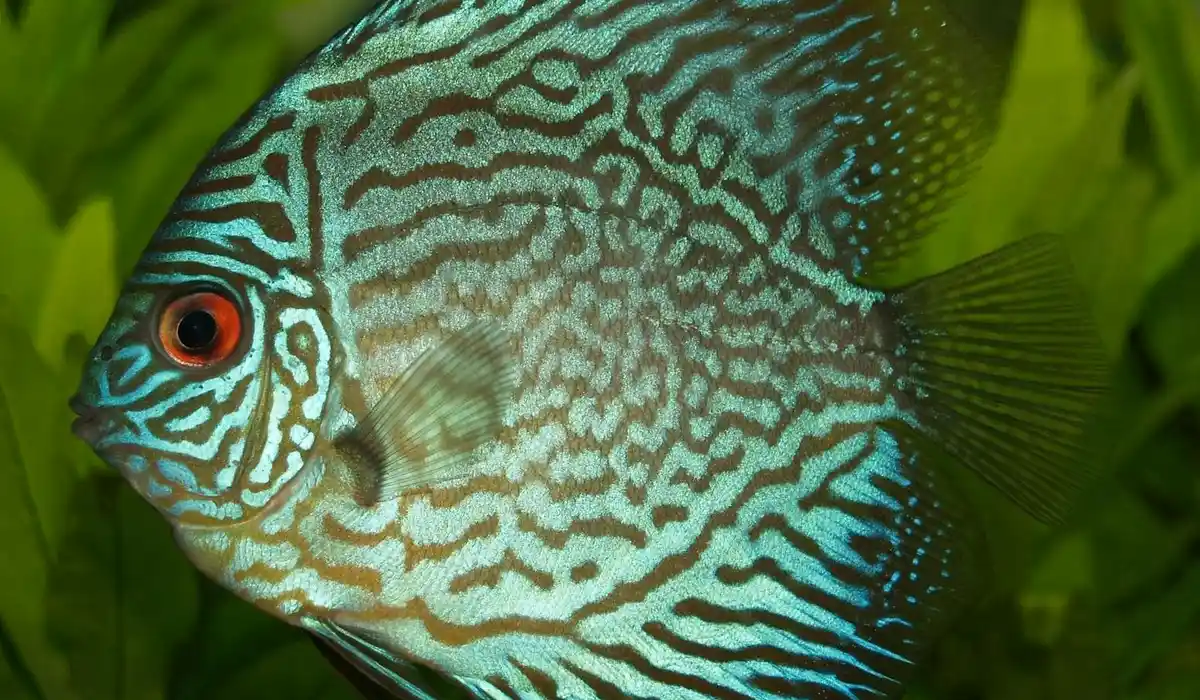
- Fish Type: Hardy fish like zebra danios or some livebearers can sometimes withstand the unstable conditions of a fish-in cycle. For sensitive species like discus, neon tetras, or my betta Captain Fin, fishless is the only humane option.
- Your Experience: If you’re new to the hobby, the fishless method is your best teacher. You’ll learn about water parameters without the pressure of keeping a fish alive through the process.
- Time vs. Patience: Fish-in cycling demands immediate, daily time for water testing and changes. Fishless cycling requires more upfront patience, but less daily hands-on work once it’s started.
- Long-Term Health: A fishless cycle allows the filter to build a massive, robust bacterial colony from day one. This creates a more stable and resilient ecosystem for the long run.
When to Use Each Approach
Think of these methods as tools for specific jobs. One isn’t inherently “better,” but one is certainly safer and more responsible in most home aquarium situations.
Choose Fishless Cycling When:
- You are setting up a brand new tank and have the time to wait.
- You plan to keep sensitive, expensive, or wild-caught fish.
- You want the absolute safest, most predictable start for your aquarium’s life.
- You’re breeding fish, as fry are incredibly vulnerable to ammonia and nitrite.
Starting with a fishless cycle is like building a house on a solid concrete foundation instead of shifting sand. The biological filter you cultivate will be your tank’s life support system. So, does a fish tank filter work? It does—when your biofilter is allowed to establish, it continuously breaks down waste, keeping water safe for inhabitants.
Fish-In Cycling is a Last Resort for:
- Emergency situations where you must house a fish immediately with no established filter available.
- Rescuing a fish from a disastrous environment where its current home is more toxic than an uncycled tank.
- Some very specific, low-stock situations with only a single, extremely hardy fish in a sufficiently large tank.
If you must do a fish-in cycle, treat it like an intensive care unit. You are the life support, manually removing waste and toxins through frequent, partial water changes until the bacteria can take over.
The core principle behind both methods is the same: you are farming invisible, beneficial bacteria. These microorganisms are the true workhorses of your tank, converting harmful fish waste into less harmful substances. A successful cycle, regardless of method, is measured by a robust colony of these bacteria happily humming away in your filter media.
Common Questions
How do I know for sure when my tank is fully cycled?
Your tank is fully cycled when it can process 2-4 ppm of ammonia into nitrate within 24 hours. You will know this has happened when you test your water and consistently read 0 ppm for ammonia and 0 ppm for nitrite, with a clear presence of nitrate. This result confirms that both types of beneficial bacteria are present and working efficiently.
Can I combine fishless and fish-in cycling methods?
It is not recommended to combine these methods, as they are fundamentally different approaches. Starting with fishless cycling and then adding fish before the cycle is complete essentially turns it into a fish-in cycle, exposing the fish to potential toxins. The safest practice is to complete a fishless cycle first before introducing any livestock to the aquarium.
What essential supplies do I need for cycling?
For both methods, a liquid test kit for ammonia, nitrite, and nitrate is absolutely essential. When planning a cycle, choosing the best water testing kit is crucial, since accurate readings guide your steps. For fishless cycling, you will also need a source of pure ammonia. For fish-in cycling, you must have a water conditioner that detoxifies ammonia and nitrite, along with equipment for frequent water changes.
What is the first thing I should do after the cycle is complete?
Once your cycle is complete, you can safely add your first fish. It is crucial not to add your entire planned stock all at once. Start with a small number of fish to allow the bacterial colony to adjust to the new bioload, then gradually add more fish over the next several weeks.
Your Path to a Healthy Tank
For a safer, more controlled start, fishless cycling is the clear winner, allowing you to build your tank’s biological foundation without any risk to fish. If you must cycle with fish, be prepared for intense, daily monitoring and water changes to protect your aquatic pets. For those looking to cycle properly, a step-by-step guide can help you follow the right process. We’ll walk you through testing, balancing ammonia, nitrite, and nitrate, and when to introduce occupants, so you can avoid common mistakes.
Choosing the right cycling method is one of the first and most significant commitments you make to your fish’s wellbeing. Embrace the learning process, stay curious about water chemistry, and you’ll be rewarded with a thriving underwater world.
Further Reading & Sources
- Cycling an Aquarium: Fishless vs. Fish-in Cycle – Buce Plant
- r/Aquariums on Reddit: Fishless vs Fish Cycling
- Cycling an Aquarium Fishless vs Fish-in Cycle
- Fish in vs Fishless cycle? | Aquarium Nitrogen Cycle Forum
- Cycling an Aquarium: Fishless vs. Fish-in Cycle – Best4Pets
Lia is an expert in aquarium and pet fish care. Having worked in the marine industry and having cared for multiple pet fish, she has acquired first hand expertise on aquarium care, maintenance and setup. She always brings her practical expertise and science to help solve any aquarium related queries.
Filtration Systems