
Deep Sand Bed vs. Bare Bottom: The Honest Aquarium Flooring Showdown
Hello fellow aquarists. That choice between a lush, sandy riverbed or the sleek, modern look of a bare glass bottom is a decision that keeps many of us up at night. Your tank’s foundation impacts everything from water quality to the daily happiness of your fish.
This no-fluff guide cuts through the confusion to give you a clear, practical comparison. We’ll break down the key aspects of this debate, including:
The surprising maintenance routines for each style
How your substrate choice directly affects fish behavior and health
The real truth about biological filtration in sand versus bare glass
Cost and long-term effort, because your time matters
My personal recommendations for specific tank types and inhabitants
I’ve made both choices across years of running high-tech planted systems and breeding sensitive fish, learning the hard lessons so you don’t have to. This is an honest comparison of high-tech versus low-tech planted aquariums, outlining where each approach excels and where it falls short. I’ll share practical takeaways to help you choose the right path for your setup.
Understanding Deep Sand Beds and Bare Bottom Tanks
What is a Deep Sand Bed?
A deep sand bed, or DSB, is a thick layer of fine sand, typically 4 to 6 inches deep, that acts as a massive biological filter. It’s not just for looks. This setup creates distinct zones of oxygen, from the well-aerated top layer down to the oxygen-poor depths. The primary goal of a deep sand bed is to cultivate a living ecosystem of beneficial bacteria and microfauna that processes waste directly within the substrate. I’ve used them in reef tanks to great effect, watching tiny worms and copepods constantly turn over the sand, which keeps it clean and healthy.
What is a Bare Bottom Tank?
A bare bottom tank is exactly what it sounds like: an aquarium with no substrate at all. The bottom glass panel is completely exposed. While it might seem sterile at first glance, this style is a powerhouse for utility and water quality control. Bare bottom tanks are champions of waste management because uneaten food and fish waste sit in plain sight, making it incredibly easy to siphon out during routine maintenance. I often use this method for hospital tanks, fry grow-outs, and high-bioload systems where I need to eliminate any potential hidden detritus.
How Deep Sand Beds and Bare Bottom Tanks Function in Your Aquarium
Biological Processes in Deep Sand Beds
The magic of a DSB happens beneath the surface. The top inch of sand houses aerobic bacteria that convert toxic ammonia into nitrite and then nitrate. As you go deeper, oxygen levels drop, creating an anaerobic environment. Here, specialized bacteria get to work. This anaerobic zone is where true denitrification occurs, with bacteria converting nitrate into harmless nitrogen gas that simply bubbles out of your tank. This natural nitrate reduction is a huge benefit for sensitive livestock and can lead to more stable water parameters over the long term.
For this process to work effectively, you need a clean-up crew. Creatures like nassarius snails, brittle stars, and various worms are essential. They burrow and sift, preventing the sand from becoming compacted and developing toxic hydrogen sulfide pockets. A healthy, functioning deep sand bed should be teeming with life, creating a self-sustaining filtration system right under your fish.
Nutrient Handling in Bare Bottom Tanks
Without substrate to trap it, waste in a bare bottom tank remains highly mobile. It gets pushed around by water flow until it’s either sucked into the filter intake or settles in a low-flow area you can easily target. This setup gives you, the aquarist, absolute control over nutrient export, forcing you to manually remove organic waste before it can break down and pollute the water. You become the primary processor of waste, replacing the function of the deep sand bed with your siphon hose and diligence.
The key to success here is flow and routine. Position powerheads or wavemakers to direct debris toward your filter or a specific corner. Weekly water changes where you thoroughly vacuum the entire tank bottom are non-negotiable; this is how you keep nitrate and phosphate levels in check. Regular aquarium cleaning maintenance ties these practices together—glass cleaning, substrate vacuuming, and filter checks included. When done consistently, they help prevent buildup and simplify ongoing water management. I find the hum of the filtration is more noticeable in these tanks, a constant reminder of the mechanical process keeping the water pristine.
Pros and Cons: Weighing Your Substrate Options
Advantages of Deep Sand Beds
A deep sand bed, typically 3 to 4 inches, is more than just a pretty landscape. It functions as a massive, living filter. The sheer depth allows for the establishment of anaerobic bacteria in the lower layers, which slowly process nitrate, helping to keep your water pristine. I’ve watched my own tanks stabilize with noticeably fewer water changes after a proper deep sand bed matured.
Many fish exhibit their most natural and engaging behaviors when they can dig and sift. My Corydoras, Shadow, is a different fish entirely when he can bury his face in the soft sand. Providing this naturalistic environment reduces stress and encourages breeding behaviors in many species, from cichlids to loaches. The sand also acts as an anchor for live plants, allowing their roots to spread and absorb nutrients effectively.
Disadvantages of Deep Sand Beds
The main concern with a deep sand bed is maintenance. If waste is allowed to accumulate deeply, it can compact and create toxic hydrogen sulfide gas pockets. You must be diligent about gently stirring the top layer during weekly maintenance to prevent this dangerous gas buildup. A neglected deep sand bed can become a time bomb for your tank’s ecosystem.
They also require a significant amount of material to set up correctly, which increases the initial cost. Over time, detritus can settle between the sand grains, and if not managed, it can lead to a slow but steady increase in nitrate levels, defeating one of its main benefits. It’s a system that demands a proactive, not reactive, approach.
Advantages of Bare Bottom Tanks
The number one advantage is unparalleled cleanliness and control. Every speck of waste, every uneaten food pellet, sits in plain sight on the bottom glass, making it incredibly easy to siphon out during routine maintenance. This is a huge win for fish breeders and anyone keeping messy fish like my Oranda, Goldie, as it prevents hidden waste from degrading water quality.
Water flow is completely unimpeded, which is critical for tanks requiring high circulation, like many reef setups. Without substrate to trap debris, you eliminate a major potential source of ammonia and nitrates, leading to a more stable and predictable aquatic environment. I often recommend bare bottoms for hospital or quarantine tanks for this exact reason.
Disadvantages of Bare Bottom Tanks
The most obvious drawback is the aesthetic. A bare tank can look sterile and unfinished, lacking the natural warmth and dimension that substrate provides. It can also be stressful for bottom-dwelling fish who instinctively want to forage or burrow; they may appear more skittish without that grounding layer. From a rimless vs braced aquariums guide perspective, aesthetics and safety intersect here. Rimless designs offer a clean, open view, while braced tanks provide edge protection and added rigidity for larger or taller setups.
You lose all the beneficial biological filtration that a deep sand bed offers. This places 100% of the biological filtration burden on your filter, so you must ensure it is robust and well-maintained. Furthermore, light reflection off the bare glass can sometimes startle fish or create an unwanted glare.
Setting Up Your Tank: A Step-by-Step Guide
Installing a Deep Sand Bed
Getting your deep sand bed right from the start prevents a multitude of problems later. Follow these steps for a healthy foundation.
- Choose the right sand. Pool filter sand or specialized aquarium sand is ideal. Avoid crushed coral or aragonite unless you need to consistently raise pH and hardness.
- Rinse the sand thoroughly in a bucket until the water runs clear. This is a tedious but non-negotiable step to prevent a cloudy tank for days.
- Place a clean, shallow bowl or plate on the bottom of your empty tank. Pour the damp sand onto this surface to displace the water gently and avoid scratching the glass.
- Add sand until you achieve a uniform depth of 3 to 4 inches. I use a ruler to check this across the entire tank bottom. Slope it slightly higher in the back for a nice visual effect.
- Fill the tank slowly, again using the plate method to avoid disturbing your carefully leveled sand bed. Your filter will clear any final haze within a day.
After setup, introduce Malaysian Trumpet Snails; their burrowing habits will naturally aerate the sand bed and help prevent dangerous gas pockets from forming.
Preparing a Bare Bottom Tank
Setting up a bare bottom tank is simpler, but a few tricks will make it look and function its best.
- Ensure your aquarium glass or acrylic is perfectly clean. Any water spots or dust will be glaringly obvious once the tank is filled.
- Consider applying a static-cling background to the outside of the tank’s bottom. A black or dark blue background can dramatically improve the appearance, making the bottom seem less stark.
- If you’re concerned about scratches, you can place a thin, pre-cut sheet of acrylic or styrene on the bottom, underneath the tank. This acts as a sacrificial layer.
- Arrange your hardscape (rocks, driftwood) directly on the bare glass. This gives you a very stable foundation that won’t shift over time.
- When filling, you can pour the water directly in without worry of clouding up substrate. It’s one of the fastest and cleanest setup processes.
To enhance the look and provide some enrichment, you can use small, easy-to-clean ceramic pots or flat stones as designated feeding areas for bottom feeders.
Fish and Coral Compatibility: Who Thrives in Each Environment?
Freshwater Aquariums: DSB vs. BB Suitability
Your choice of substrate directly impacts the well-being of your fish. It’s not just about looks; it’s about creating a home that supports their natural behaviors. When you choose an aquarium substrate, picking the right one is key for comfort, rooting, and the microbial balance of your tank. Consider your fish species and tank setup to guide the choice.
A deep sand bed is a paradise for fish that love to dig, sift, and burrow. The soft, fine grains are gentle on delicate barbels and fins. My Corydoras, like Shadow, are infinitely happier in a sand substrate where they can filter-feed without injury.
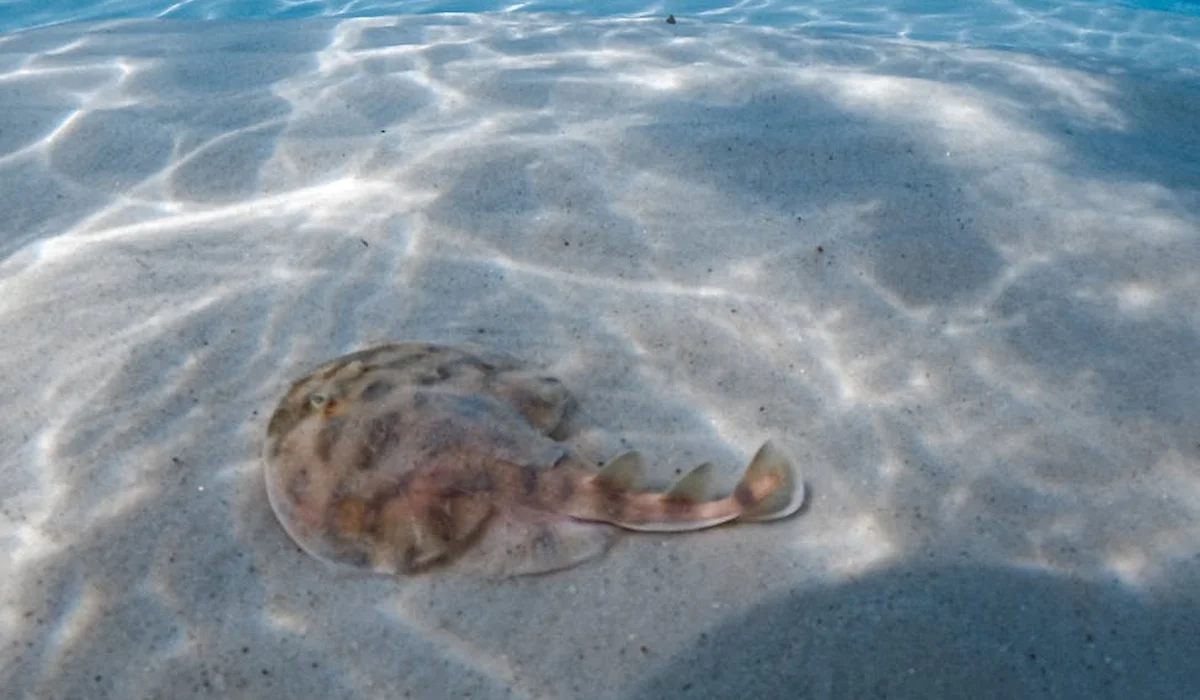
- Ideal for Deep Sand Beds: Corydoras catfish, kuhli loaches, geophagus cichlids (earth-eaters), fancy goldfish (like my Goldie, who forages constantly), and most freshwater stingrays.
- Ideal for Bare Bottom Tanks: Hospital or quarantine tanks, fancy goldfish breeders (for impeccable waste monitoring), high-flow African cichlid setups, and large, messy fish like oscars where cleaning is a priority.
Bare bottom tanks excel in situations where hygiene is the top concern. I use them for all my quarantine procedures. The sterile environment makes it impossible for parasites or harmful bacteria to hide in the substrate, giving new or sick fish a clean slate. That level of control requires proper quarantine-tank equipment—a dedicated tank with its own heater, filter, and tools. Using the right gear helps prevent cross-contamination and keeps the quarantine effective.
Reef Tanks and Marine Setups
The debate gets even more intense in the saltwater world. Your coral and invertebrate choices will heavily influence your decision.
A deep sand bed can be a powerful, natural bio-filter in a reef tank, processing nitrates and stabilizing your water chemistry. It supports a vibrant community of beneficial worms, pods, and bacteria that corals love. Many reefers swear by this method for its ability to create a more complete ecosystem.
- Thrives with Deep Sand Beds: Sand-sifting gobies (like the diamond watchman), sea stars, fighting conchs, and corals that prefer stable, low-nutrient water.
- Thrives with Bare Bottom Tanks: SPS (Small Polyp Stony) corals, which demand ultra-low nutrients and immense water flow. Bare bottoms are also fantastic for high-energy frag tanks where every parameter is tightly controlled.
I find bare bottom tanks offer unparalleled control for SPS-dominated reefs. The sheer amount of flow you can direct across the tank floor without kicking up a sandstorm is a huge advantage for these delicate corals. Detritus never gets a chance to settle and decompose, leading to incredibly pristine water conditions. When you set up a reef tank, that same approach helps support a thriving marine life. Plan filtration, lighting, and flow to balance corals, fish, and invertebrates.
Maintenance Routines: Keeping Your Aquarium Healthy
Deep Sand Bed Care and Troubleshooting
Maintaining a deep sand bed is less about cleaning it and more about managing the life within it. You’re curating an entire ecosystem.
The golden rule for a healthy DSB is to never deep vacuum or disturb the lower layers. This protects the anaerobic bacteria that denitrify your water. Instead, I gently stir only the top half-inch of sand during water changes to prevent detritus from building up on the surface.
You will need a cleanup crew. For freshwater, Malaysian trumpet snails are workhorses that burrow and aerate the sand. For marine tanks, a mix of nassarius and cerith snails, along with a conch or two, will keep the surface clean. A diverse cleanup crew is your best defense against toxic gas pockets forming in an undisturbed sand bed.
Troubleshooting is straightforward. If you see black patches in the sand, that’s hydrogen sulfide. It only becomes dangerous if released. Simply do not disturb those deep, black layers. If you get a massive algae bloom on the sand, reduce your lighting period and ensure you are not overfeeding. Brown or black aquarium sand can sometimes indicate issues.
Bare Bottom Tank Upkeep
The maintenance philosophy for a bare bottom tank is the complete opposite: aggressive and thorough cleanliness.
Your primary tool is a siphon hose. During every water change, I use the hose to blast detritus off the bottom and from behind rocks, then siphon it out immediately. The goal is to remove waste before it has a chance to break down and affect your water quality. It’s a very direct and effective method.
- Use a powerhead to push debris into one area of the tank before you start.
- Siphon the collected waste out completely.
- Wipe down the bottom glass with a clean algae magnet to remove any biofilm.
You must be diligent. Because there’s no substrate to hold onto beneficial bacteria, your filter must be oversized and mature to handle the full bio-load. I always recommend a filter rated for a tank at least twice the size of your bare bottom setup to ensure crystal clear, healthy water. The upside is that you see every speck of waste, so nothing goes unnoticed.
Cost and Practical Tips for Aquarists

When deciding between a deep sand bed and a bare bottom tank, your wallet and daily routine play a huge role. I always tell fellow aquarists that the cheapest option upfront isn’t always the most cost-effective over the years. Let’s break down what you can expect financially and practically.
Budget and Long-Term Considerations
Your initial investment will vary significantly based on your choice. A bare bottom tank saves you money immediately since you skip buying substrate altogether. For a standard 20-gallon setup, that’s about $20-$50 less spent right away. Deep sand beds require purchasing enough sand to create a 4-6 inch layer, which can cost $30-$100 depending on the sand type and tank size.
Long-term, think about maintenance and replacement costs. Bare bottom tanks are incredibly easy to clean, reducing the time and tools needed for upkeep. You won’t ever need to replace the bottom, and waste is simple to siphon out during water changes. Deep sand beds, while beautiful, can compact or develop toxic gas pockets if not maintained properly, potentially leading to costly fish losses or full substrate replacements every few years.
- Initial Cost: Bare bottom wins for lower startup expense; no substrate to buy.
- Maintenance Cost: Deep sand may require specialized gravel vacuums and more frequent water testing kits.
- Long-Term Value: Bare bottom tanks often have fewer hidden costs, but deep sand can enhance biological filtration, potentially saving on filter media.
From my experience running both types, I’ve seen bare bottom tanks keep water parameters stable with less effort. If you’re on a tight budget or prefer low-maintenance setups, a bare bottom approach will likely save you money and stress over time. However, if you invest in a deep sand bed, the initial cost can pay off in a more natural ecosystem that supports plant roots and burrowing fish like my Corydoras.
Sand Types and Tools for Optimal Performance
Choosing the right sand is critical for a healthy deep sand bed. Not all sands are created equal; grain size and composition directly impact water chemistry and tank health. Fine sands like play sand are budget-friendly but can compact easily, while coarser options like pool filter sand allow better water flow and are less likely to harbor anaerobic zones. For guidance on the best choices, consult an aquarium substrate guide to choose the right gravel or sand for your tank. These guides explain how grain size, depth, and composition affect filtration and bioload.
For tools, you’ll need a few key items to maintain performance. A gravel vacuum with a wide head helps clean the surface without disturbing the deeper layers where beneficial bacteria live. I also recommend a long-handled algae scraper for glass and a reliable water test kit to monitor ammonia and nitrate levels, especially in the first few months.
- Sand Types: Play sand (cheap, but rinse thoroughly), pool filter sand (neutral pH, good for most tanks), aragonite sand (buffers pH to 7.8-8.2, ideal for African cichlids).
- Essential Tools: Gravel vacuum, siphon hose, water test kit, and for bare bottom tanks, a magnetic algae cleaner works wonders.
- Setup Tips: Rinse sand until water runs clear to avoid cloudiness; for deep beds, layer slowly to prevent collapse.
In my tanks, I’ve found that using pool filter sand gives the best balance of affordability and function. Proper tool use can make the difference between a thriving bed and a messy, problematic one. In a sand vs gravel substrate comparison, sand beds tend to stay cleaner and support beneficial microbes differently than gravel. Remember, the goal is to support that ecosystem balance, so pick sands and tools that match your fish’s needs and your maintenance style.
FAQs
Can I use a deep sand bed in my sump?
Yes, a deep sand bed in a sump can serve as an effective biological filter, providing additional surface area for beneficial bacteria and aiding in nitrate reduction. It should be set up with a depth of 4-6 inches and integrated into the sump’s flow to avoid dead spots. Regular monitoring is essential to prevent detritus accumulation and maintain water quality.
How does a deep sand bed function in a refugium?
In a refugium, a deep sand bed supports a thriving ecosystem of microfauna, such as copepods and worms, which help break down organic waste and provide natural food for the main tank. It enhances biodiversity and acts as a supplemental denitrification zone, contributing to stable water parameters. This setup is especially valuable in reef systems for promoting a balanced, low-nutrient environment.
What are the key differences between deep and shallow sand beds?
Deep sand beds, typically 4-6 inches deep, establish anaerobic zones for denitrification, reducing nitrate levels over time. Shallow sand beds, under 2 inches, primarily host aerobic bacteria and are easier to clean but lack significant denitrification benefits. Deep beds require more careful maintenance to prevent compaction and gas buildup, while shallow beds suit high-flow tanks with less risk of issues.
What is a plenum in a deep sand bed setup?
A plenum is a void space created beneath the sand bed using a false bottom, which improves water circulation and enhances denitrification by promoting oxygen gradients. It helps prevent sand compaction and reduces the likelihood of toxic hydrogen sulfide formation. Plenums are often used in specialized reef or planted tanks to maximize the efficiency of deep sand bed filtration.
Your Tank, Your Rules
Your final decision should hinge on whether you value a self-sustaining ecosystem with more initial work or a minimalist setup that’s simpler to keep pristine. I lean towards deep sand beds for their natural beauty and biological benefits, but a bare bottom is my go-to for quarantine or breeding tanks where I need total control.
Always prioritize your fish’s well-being by matching their environment to their instinctual behaviors and your own maintenance routine. Stay curious and keep testing your water; the best aquarists are the ones who never stop asking questions and learning from their tanks. Regular water tests help you maintain proper parameters in your aquarium, catching imbalances before they harm your fish. With consistent checks, you can tailor your maintenance to keep everything stable.
Further Reading & Sources
- r/Aquariums – Best flooring for aquariums?
- Flooring for aquariums under 100 gallons? | Freshwater Aquarium Discussion Forum
- Question of the Day – Is there flooring you wouldn’t put your aquarium on? | Humble.Fish & Reef Community
- Fish tank and laminate flooring | Ultimate Reef
- best floor for aquarium room? – Reef Central Online Community
Lia is an expert in aquarium and pet fish care. Having worked in the marine industry and having cared for multiple pet fish, she has acquired first hand expertise on aquarium care, maintenance and setup. She always brings her practical expertise and science to help solve any aquarium related queries.
Water Quality