
The 40 Gallon Aquarium: Your Perfectly-Sized Portal to a Thriving Underwater World
Hello fellow aquarists! You’ve found yourself considering a 40-gallon tank, caught between the limitations of a small starter aquarium and the intimidating scale of a massive custom build. This specific size is a true sweet spot, offering a world of possibilities for creating a stable, breathtaking aquatic ecosystem.
This definitive guide will walk you through everything you need to know to master the 40-gallon realm. We’re covering:
- The exact tank dimensions, weight, and stand requirements to ensure your setup is safe and sound.
- How many fish you can really keep, moving beyond the outdated “inch-per-gallon” rule.
- Brilliant stocking ideas for vibrant community tanks, dedicated species setups, and more.
- The non-negotiable equipment list for pristine water and happy, healthy fish.
My advice comes from years of hands-on experience running high-tech planted systems and successfully breeding a variety of fish species.
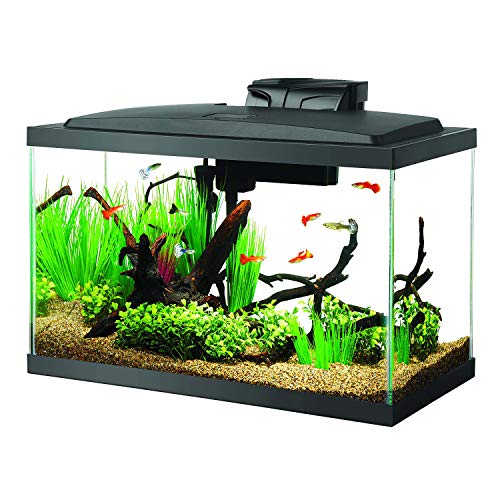
- ✓
- ✓
- ✓
- ✓
- ✓
- ✓

The Basics: 40 Gallon Tank Dimensions and Weight
Before you get carried away with visions of a shimmering underwater world, let’s talk about the physical reality of a 40-gallon tank. Knowing the exact dimensions and weight is your first step to ensuring your floor can handle it and your space can fit it.
Standard Dimensions and Measurements
Not all 40-gallon tanks are created equal. The most common styles you’ll find are the “breeder,” “long,” and “tall.” The footprint—the amount of floor space it consumes—is what truly matters for your fish and your furniture. These common sizes reflect their uses: breeders for brood space, long for schools, tall for vertical layouts. In practice, the right size is chosen based on the species you keep and the setup you envision.
- 40 Gallon Breeder: Typically 36″ L x 18″ W x 16″ H (91 cm x 46 cm x 41 cm). This is my personal favorite for its shallow, wide profile that gives bottom-dwellers and plants plenty of room to spread out.
- 40 Gallon Long: Often 48″ L x 12″ W x 16″ H (122 cm x 30 cm x 41 cm). This style offers an incredible swimming lane for active fish like zebra danios or rainbowfish.
- 40 Gallon Tall: Usually 36″ L x 12″ W x 21″ H (91 cm x 30 cm x 53 cm). This tank provides dramatic vertical height for tall driftwood or stacked rock formations.
Water Capacity and Weight Considerations
Here’s a reality check many new aquarists miss: your 40-gallon tank won’t hold 40 gallons of water by the time you’re done. Gravel, rocks, and equipment displace a significant amount of water, so your actual water volume is closer to 32-35 gallons (approx. 120-132 liters). This is the number you use for calculating fish stock and medication doses.
Now, for the heavy part. Water weighs about 8.34 pounds per gallon. A full 40-gallon tank can easily weigh over 455 pounds (206 kg) just for the water. Add 30-40 pounds for the glass tank itself, another 50+ pounds for substrate and decor, and you’re looking at a total weight pushing 600 pounds. You must ensure your floor can support this concentrated load.
Choosing the Right Stand
That flimsy bookshelf or vintage dresser is not an option. Your tank stand must be perfectly level, incredibly sturdy, and rated to hold at least 600 pounds to account for the total weight. A dedicated aquarium stand is your safest bet, as it’s engineered for this exact purpose and usually matches the tank’s dimensions perfectly.
If you’re handy, a DIY stand built from solid wood and braced properly can be a fantastic and affordable project. I built one from 2x4s and plywood for my first 40-gallon breeder, and it’s still rock-solid years later. Just remember, wobbles are not welcome here.
| Tank Style | Dimensions (LxWxH) | Approx. Usable Water Volume | Estimated Total Weight |
|---|---|---|---|
| Breeder | 36″ x 18″ x 16″ | 35 Gallons | ~580 lbs |
| Long | 48″ x 12″ x 16″ | 34 Gallons | ~570 lbs |
| Tall | 36″ x 12″ x 21″ | 32 Gallons | ~560 lbs |
Shape Matters: Long vs. Tall 40 Gallon Tanks
The shape of your aquarium isn’t just about looks; it dictates the entire ecosystem inside. The choice between a long and a tall tank will directly impact your fish’s happiness, your plant growth, and even your maintenance routine.
40 Gallon Long Tank Features
I almost always recommend a long tank for beginners and community setups. The extended length provides more surface area for oxygen exchange, which is a subtle but critical factor for fish health. The long, shallow footprint is a dream for aquascaping, allowing you to create depth and perspective with your plant layout.
Fish like my Corydoras, Shadow, absolutely thrive in a long tank because they have more bottom territory to forage. It’s also the ideal shape for most schooling fish, as it gives them the horizontal swimming space they instinctively crave. Think tetras, barbs, and rasboras.
40 Gallon Tall Tank Advantages
A tall tank makes a stunning visual statement. It’s perfect for creating a dramatic “heightscape” with tall plants like Vallisneria or hardscapes that reach for the surface. This shape is a great choice for fish that naturally inhabit vertical spaces, like some types of angelfish or hatchetfish.
Be aware of the trade-offs, though. The reduced surface area can mean less natural oxygen exchange, so good water flow from your filter is non-negotiable. Cleaning the bottom glass can also be a stretch, so a good algae scraper with a long handle is a must-have tool. When selecting gear, look for the best algae scrapers and other cleaning tools for your aquarium to keep glass spotless and your tank thriving. A reliable set of tools can streamline maintenance and protect your tank’s balance.

Hexagonal and Other Shapes
You might also come across hexagonal or bow-front 40-gallon tanks. These are fantastic for creating a unique focal point in a room. Their curved or angled panels can distort the view slightly, but they work wonderfully for a central display tank with a single, stunning feature like a large piece of driftwood.
I find these unconventional shapes are best suited for a smaller number of larger, “centerpiece” fish rather than large schools. Just be mindful that custom-fitting hoods and lids can be trickier to find for these less common designs.
Gear Up: Essential Equipment for Your 40 Gallon Aquarium
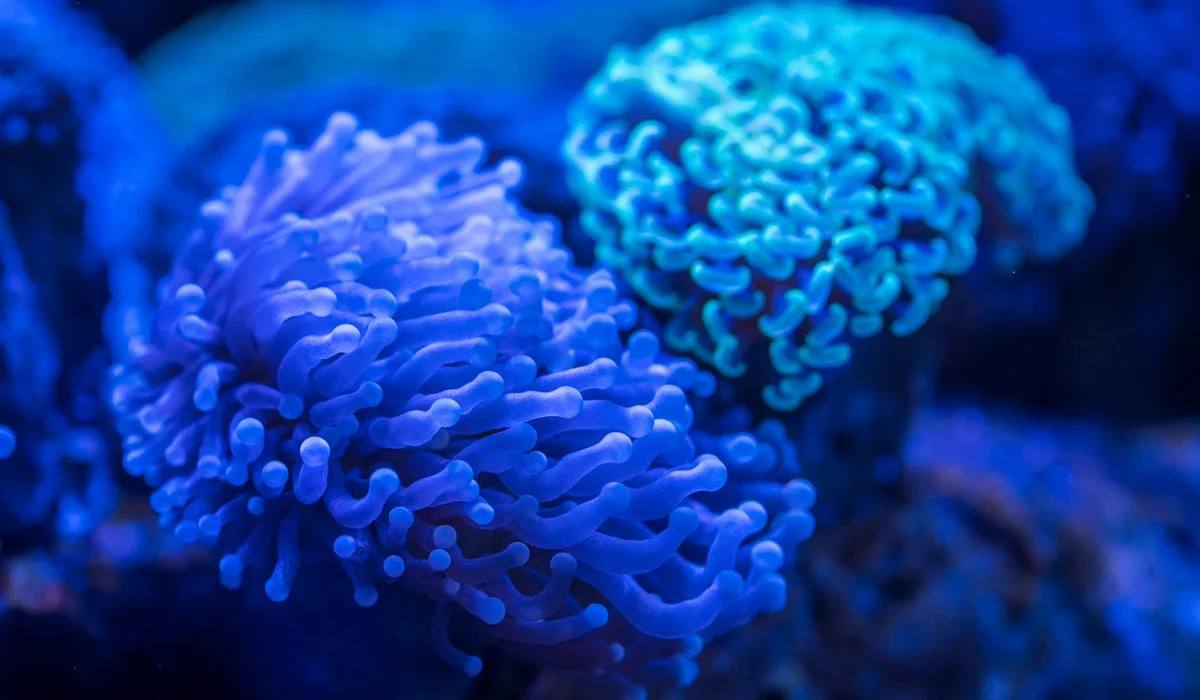
Setting up a 40-gallon tank is exciting. You have a blank canvas for a thriving underwater world. To make it successful, you need the right tools from the start. For beginners, a step-by-step guide can help you build your home aquarium tank with confidence. This beginner-friendly guide walks you through each stage, from setup to maintenance.
Your non-negotiable shopping list includes a powerful filter, a reliable heater, a full-spectrum light, a tight-fitting lid, and a liquid test kit. This core setup creates a stable environment where your fish can truly flourish.
Filtration Needs and Options
Your filter is the tank’s life support system. For a 40-gallon aquarium, you need a filter rated for at least 160-200 gallons per hour (GPH) to properly cycle the water.
Canister filters are my top choice for a 40-gallon; they hold vast amounts of media, run quietly, and offer superior mechanical and biological filtration. Hang-on-back (HOB) filters are a fantastic budget-friendly alternative that are easy to maintain.
Don’t just focus on the GPH rating. The media inside is what does the real work. I always use a combination of coarse sponge for debris, ceramic rings for beneficial bacteria, and filter floss for that final polish.
Heating and Lighting Requirements
A stable temperature prevents stress and disease. For a 40-gallon tank, a 150 to 200-watt adjustable heater is perfect for most homes.
I strongly recommend using two 100-watt heaters instead of one single unit; if one fails, the other can prevent a catastrophic temperature swing. Place them near the filter outflow for even heat distribution.
Modern full-spectrum LED lights are a game-changer. They make fish colors pop and provide the energy your live plants crave without overheating the water. Different types of aquarium lights have different uses. Some are tuned for plant growth, others for color enhancement, and some support reefs or general illumination.
Additional Accessories
A tight-fitting lid is crucial to prevent fish from jumping and to reduce water evaporation. An air pump with an air stone isn’t always essential, but it boosts surface agitation for excellent oxygen exchange.
Your liquid test kit is your crystal ball; it lets you see invisible water problems before they harm your fish. Test for ammonia, nitrite, nitrate, pH, and KH weekly. That essential water testing equipment helps you maintain healthy aquarium parameters. Regular use lets you catch imbalances early and adjust water changes or dosing before problems escalate.
Here’s a simple DIY hack: Use a clean, new 5-gallon bucket from a hardware store dedicated solely to your aquarium. It’s perfect for water changes and costs a fraction of a “pet” branded version.
Fish Friends: Stocking Your 40 Gallon Community Tank
A 40-gallon tank offers wonderful flexibility for a community. The key is to build your population slowly and thoughtfully, focusing on peaceful fish that occupy different levels of the water column.
Patience is your greatest asset when stocking; add only a few fish at a time and wait several weeks between additions to let your beneficial bacteria catch up. Rushing leads to cloudy water and sick fish.
Freshwater Community Tank Ideas
You can create a vibrant, active community by mixing species from the [top, middle, and bottom](https://finandflux.com/how-to-choose-compatible-fish-for-your-community-tank) of the tank. This utilizes all the space and reduces competition.
| Fish Type | Quantity | Water Level |
|---|---|---|
| Harlequin Rasbora | 12-15 | Top/Middle |
| Panda Corydoras | 8-10 | Bottom |
| Honey Gourami | 1 pair | All Levels |
| Cherry Shrimp | Colony | Bottom |
Mixing top, middle, and bottom dwellers creates a balanced ecosystem where every fish has its own territory. This layout provides constant movement and interest from the surface to the substrate.
Saltwater Stocking Options
A 40-gallon tank is a great starter size for a Fish-Only-With-Live-Rock (FOWLR) saltwater setup. You’ll need more advanced equipment like a protein skimmer and powerheads for water flow.
Beginner-friendly saltwater fish for a 40-gallon include a pair of Ocellaris Clownfish, a Royal Gramma, and a small cleanup crew of hermit crabs and snails. These are among the best beginner-friendly saltwater fish species, prized for their hardiness and relatively forgiving care. Saltwater requires more consistent testing and more stable parameters than freshwater.
Avoiding Overstocking
The old “inch-per-gallon” rule is a flawed starting point. It doesn’t account for a fish’s body mass, waste production, or activity level. A slender 4-inch tetra is not the same as a bulky 4-inch cichlid.
I rely on observing my water parameters; if nitrates climb too high between weekly water changes, I know my bioload is at its maximum. Watch your fish’s behavior too; if they seem stressed or aggressive, the tank might be too crowded.
Step-by-Step: Setting Up Your 40 Gallon Aquarium
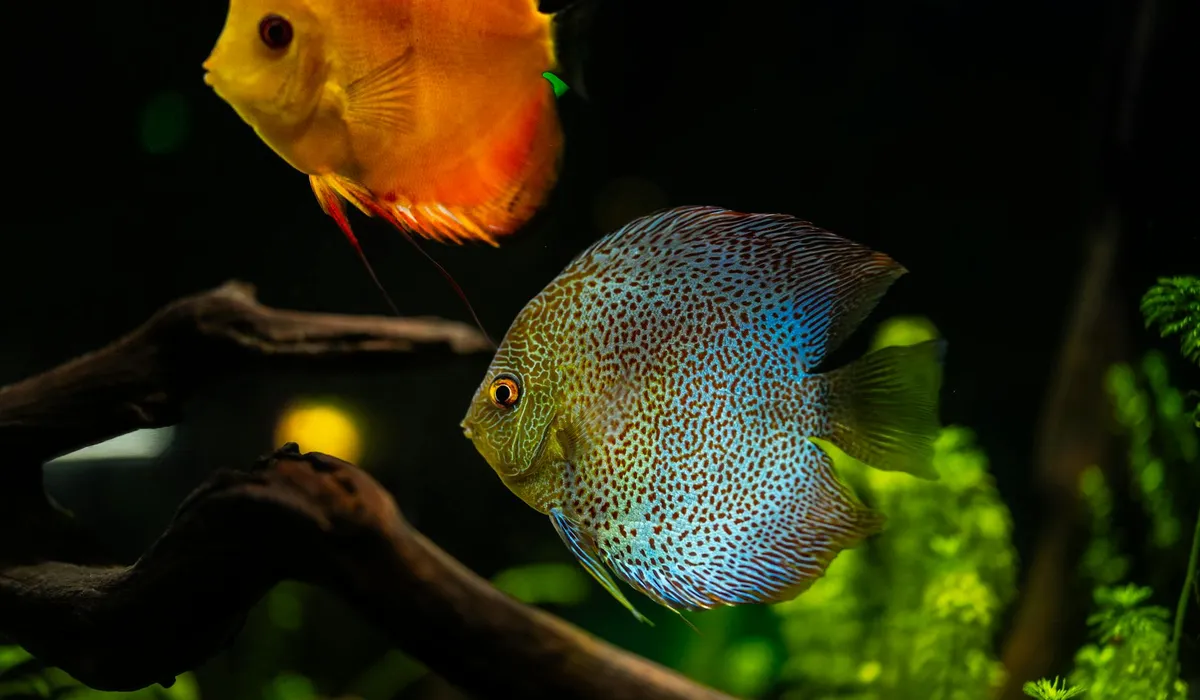
- Rinse all components to remove dust and debris.
- Add substrate, rocks, and driftwood for foundation.
- Install heater and filter at proper heights.
- Fill tank with dechlorinated water slowly.
- Cycle the tank using fishless or with-fish methods.
- Acclimate and add fish after cycle completion.
Preparing the Tank and Equipment
A clean start prevents cloudy water and keeps your fish safe from contaminants.
- Wash the empty tank with water only-no soap-using a soft cloth to avoid scratches.
- Scrub rocks and driftwood with a brush under running water to remove loose particles.
- Rinse substrate in a colander until water runs clear; for sand, stir it in a bucket to settle dust.
I always use a water conditioner that handles chlorine and chloramines, plus a liquid test kit for accurate readings.
- Choose conditioners that detoxify heavy metals, which is vital for sensitive species like corydoras.
- Opt for test kits that measure pH, ammonia, nitrite, and nitrate; API Freshwater Master Kit is a reliable pick.
Installing Equipment
Proper placement ensures even heating and filtration while reducing risks to your fish.
- Position the heater horizontally near the filter outflow to distribute warmth evenly across the tank.
- Set the filter intake and outflow so water circulates all areas, preventing dead spots where waste accumulates.
You can hide equipment behind dense plants like Java fern or Anubias for a natural look.
- Use driftwood or rock formations to camouflage heater cords and filter tubes without blocking maintenance access.
- I often attach suction cups for equipment to the back glass, then let tall stems grow around them.
Filling and Cycling the Tank
Cycling builds beneficial bacteria that turn toxic waste into safer compounds, like a tiny cleanup crew.
- Ammonia from fish waste or added drops converts to nitrite, then nitrate, which plants use or you remove with water changes.
- For fishless cycling, add ammonia to 2-4 ppm and wait until tests show 0 ammonia, 0 nitrite, and some nitrate-this usually takes 4-6 weeks.
With fish-in cycling, test daily and change 25% of water if ammonia or nitrite rises above 0.5 ppm to protect fish like bettas.
- After cycling, acclimate fish by floating their bag for 15-20 minutes, then gradually mix tank water into it over an hour.
- Add hardy fish first, such as danios or platies, before introducing more sensitive species after a few weeks.
Keep It Clean: Maintenance Schedule for Your Tank
Regular upkeep keeps water crystal clear and your fish vibrant and active.
- Perform weekly partial water changes and test key parameters to catch issues early.
- Change 20-30% of water weekly for most communities, or up to 50% for heavy waste producers like goldfish.
- Use a gravel vacuum, algae scraper, and bucket dedicated to aquarium use for efficient cleaning.
Weekly Tasks
Quick checks and water changes prevent nutrient buildup and algae blooms.
- Replace 20% of the water with dechlorinated water at the same temperature as the tank.
- Wipe the glass with an algae pad to maintain that shimmering view of your fish.
- Listen for the hum of the filter and feel the heater to ensure they’re running smoothly.
Monthly Check-ups
Deeper cleaning maintains substrate health and plant growth without stressing fish.
- Vacuum the substrate thoroughly to remove debris, especially in areas where bottom feeders like corydoras forage.
- Trim overgrown plants and remove dead leaves to improve water flow and light penetration.
- Inspect filter media for clogs and replace only if damaged, rinsing it in tank water to preserve bacteria.
Water Testing and Changes
Testing weekly helps you spot trends and adjust care before problems arise.
- Aim for pH 6.5-7.5, 0 ppm ammonia, 0 ppm nitrite, and under 20 ppm nitrate for most freshwater tanks.
- If ammonia spikes, increase water changes and check for overfeeding or dead plant matter.
- I adjust pH slowly using natural methods like adding driftwood to lower it or crushed coral to raise it.
Make It Home: Decor and Aquascaping Ideas
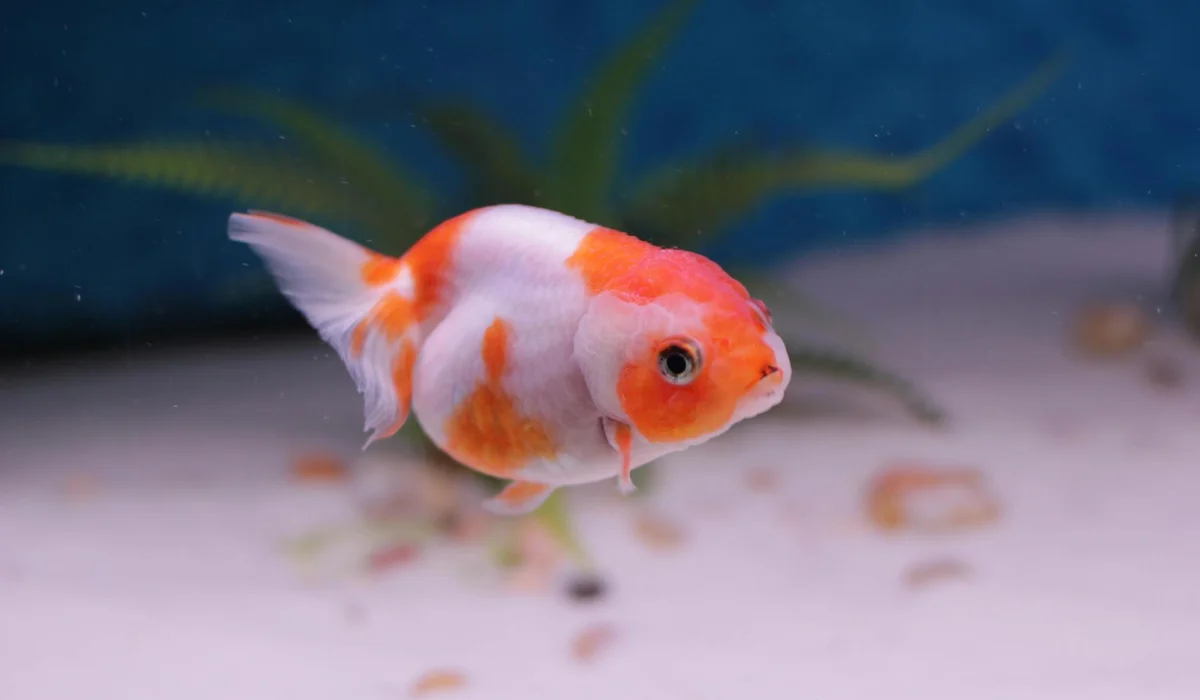
Transforming your 40-gallon aquarium into a stunning underwater world is where your creativity shines. This tank size gives you a fantastic canvas-about 36 inches long-to build a habitat that’s both beautiful and functional for your fish. You’ll want to think about the foundation with substrate, add life with plants and hardscape, and even craft a theme that reflects your style. A well-decorated tank doesn’t just look good; it supports your fish’s health by mimicking their natural environment. Let’s explore how to make your 40-gallon a true home.
Start with substrate, which is more than just tank flooring-it anchors plants and influences water chemistry. Then, incorporate plants, rocks, and driftwood to create hiding spots and visual interest. For themes, a jungle style bursts with dense greenery, while a minimalist approach uses clean lines and open swimming space. I always aim for balance, ensuring decor enhances the tank’s ecosystem without overcrowding it.
Substrate Choices
Your substrate choice impacts everything from plant growth to fish behavior. Sand and gravel are the most common options, each with unique perks. Sand is fine and smooth, perfect for bottom-dwellers like Corydoras (think of Shadow!) because it prevents barbel damage. Gravel, with its larger grains, allows better water circulation and is easier to vacuum during cleanings. In a quick sand vs gravel comparison, sand is gentler on bottom-dwellers. Gravel promotes easier debris removal and better water movement. For planted tanks, I lean towards nutrient-rich substrates that release iron and other minerals, boosting plant health without constant fertilizing.
In my 40-gallon setups, I maintain a substrate depth of 2 to 3 inches-this gives plant roots room to spread and supports beneficial bacteria. To clean, gently vacuum gravel weekly to remove debris, but for sand, just hover the vacuum above the surface to avoid disturbing it too much. Always rinse new substrate thoroughly before adding it to prevent cloudy water that can stress your fish.
- Sand: Ideal for delicate fish; choose pool filter sand for a cost-effective option.
- Gravel: Versatile and comes in various colors; larger grain sizes reduce compaction.
- Plant-specific substrates: These often lower pH slightly, which benefits species like tetras.
Plants and Hiding Spots
Adding live plants not only beautifies your tank but also gives shy fish like Shadow safe places to retreat. Easy-to-grow plants are best for beginners because they thrive in standard lighting and don’t need CO2 injection. Java Fern and Anubias are my go-tos—attach them to driftwood or rocks, and they’ll grow slowly but steadily. Amazon Swords add height and cover, while floating plants like Frogbit provide shade. These are among the best plants for a low-tech, no-CO2 aquarium. They thrive with low to moderate lighting and require minimal care. Plants naturally reduce nitrate levels, which helps keep your water crystal clear and healthy.
Decor like rocks and driftwood creates essential hiding spots that lower stress for fish. When fish feel secure, they’re more active and less prone to disease. I’ve seen my own Corydoras become boulder once I added slate caves and dense plant clusters. Arrange decor to form caves and tunnels, ensuring every fish has a cozy spot to call home.
- Java Fern: Low-light tolerant; tie it to hardscape with fishing line.
- Anubias: Hardy and slow-growing; perfect for foreground or midground.
- Amazon Sword: Requires root tabs for nutrients; ideal for background planting.
- Frogbit: Floating plant that shades the tank and reduces algae growth.
Theming Your Aquarium
Creating a theme ties your aquascape together for a cohesive look. A jungle theme uses varying plant heights and textures-think tall Vallisneria in the back with moss-covered driftwood. For a minimalist theme, stick to one type of rock like Seiryu stone and a single plant species, leaving open areas for fish to swim. Use color contrasts, like dark substrate with light-colored fish, to make your tank pop visually.
DIY hacks let you personalize your tank on a budget. I’ve used PVC pipes covered with aquarium-safe silicone and sand to make hidden caves-Goldie loves exploring them! Another trick: boil collected driftwood to sanitize it and create unique shapes. Always test DIY materials in a bucket of water first to ensure they don’t leach harmful chemicals.
- Jungle theme: Dense planting, twisted driftwood, and dim lighting for a wild feel.
- Minimalist theme: Sparse hardscape, neutral colors, and emphasis on negative space.
- DIY rock structures: Stack slate pieces with silicone for custom caves.
- Color coordination: Match substrate hue to fish colors-dark gravel makes reds and blues stand out.
FAQs
How much does a 40 gallon fish tank cost?
The price of a 40 gallon aquarium varies based on factors like the tank style, brand, and whether it’s sold as part of a kit. A basic glass tank alone may cost between $50 and $100, while all-in-one kits with equipment can range from $150 to $300. High-end or specialty models might exceed $400, so it’s wise to compare options and consider long-term maintenance costs.
What is typically included in a 40 gallon aquarium kit?
A 40 gallon aquarium kit usually contains the tank itself, a lid with built-in lighting, a filtration system, and sometimes a heater or other accessories. These kits offer a convenient starting point for beginners by bundling essential components. However, you may still need to purchase substrate, decor, water conditioner, and a test kit separately to complete your setup.
Can a 40 gallon tank be used for reptiles?
Yes, a 40 gallon aquarium can be repurposed for reptiles like bearded dragons or snakes with proper adjustments. You’ll need to add a secure screen lid, species-specific heating and UVB lighting, and appropriate substrate to mimic their natural habitat. Always research the reptile’s adult size and behavior to ensure the tank provides enough space and enrichment.
Is a tankless water heater suitable for a 40 gallon aquarium?
No, tankless water heaters are designed for household plumbing and are not used in aquariums. For a 40 gallon fish tank, you need an aquarium-specific submersible or hang-on heater, typically rated between 150-200 watts. These heaters are safe, adjustable, and help maintain a stable water temperature crucial for fish health and comfort.
Your 40-Gallon Journey Begins Now
A 40-gallon aquarium gives you the stability for a thriving ecosystem and the space for a captivating community of fish. Always prioritize your water’s health and choose tank mates that share similar needs for a peaceful, balanced environment.
Successful fishkeeping is a rewarding hobby built on a commitment to responsible care and a willingness to keep learning. Your aquatic pets rely on you, so continue observing, researching, and enjoying the beautiful world you create for them.
Further Reading & Sources
- 40 Gallon & Up Fish Tanks: Large Aquariums & Breeder Tanks | Petco
- C-Vue 40 Gallon All-In-One Aquarium
- Fish Tanks – Fish Tanks by Gallons – Large (40-99 Gallons) – Fish Tanks Direct
- r/Aquariums on Reddit: 40 gallon breeder my first tank, what fish work good in a community tank this size?
- Amazon.com: 40 Gallon Fish Tank
Lia is an expert in aquarium and pet fish care. Having worked in the marine industry and having cared for multiple pet fish, she has acquired first hand expertise on aquarium care, maintenance and setup. She always brings her practical expertise and science to help solve any aquarium related queries.
Water Quality