
Thriving Low-Tech Aquascapes: The Best No-CO2 Aquarium Plants
Hello fellow aquarists, are you tired of hearing that a beautiful planted tank requires expensive CO2 systems and constant high-tech fiddling? You can absolutely grow a lush, vibrant underwater garden without any of that complexity.
This guide will walk you through everything you need to succeed with a low-maintenance planted aquarium, covering:
- The specific benefits of choosing low-tech, hardy plant species.
- My curated list of the best beginner-proof plants that thrive on neglect.
- Simple setup secrets for a self-sustaining ecosystem from the start.
- Easy maintenance routines to keep your plants flourishing.
I’ve cultivated stunning no-CO2 tanks for years, learning which plants truly deliver on their low-maintenance promises.


- ✓
- ✓
- ✓
What Is a Low-Tech, No-CO2 Aquarium?
A low-tech aquarium is a beautiful, self-sustaining ecosystem that thrives without complex gadgets. It’s the quiet, gentle hum of a filter and the shimmer of fish scales under simple LED lighting. You build a balanced world where plants and fish support each other, without relying on CO2 injection systems or intensely bright lights. Even in this simple setup, a few essential items help secure success: a reliable filter, a suitable substrate, and steady lighting. These basics keep plants thriving and the aquarium stable without heavy automation.
This approach is fundamentally different from a high-tech “planted tank” setup. High-tech tanks use pressurized CO2, powerful lighting, and daily fertilizer dosing to force extremely fast, lush plant growth. High-tech tanks are like a high-performance race car, while a low-tech tank is your reliable, fuel-efficient daily driver. This is an honest comparison of high-tech and low-tech planted aquariums. We’ll weigh maintenance, cost, and long-term health in each approach.
For beginners, the benefits are immense. Your startup and ongoing costs are significantly lower. Maintenance is far simpler because fast plant growth means constant trimming. You spend less time fiddling with equipment and more time simply enjoying your underwater garden.
Many fantastic aquarium plants have evolved to gather carbon directly from the water column or from the breakdown of fish waste. They grow slower, which is actually a benefit in a low-tech tank. These plants are perfectly content with the minimal CO2 naturally produced by your fish and bacteria. Do you need CO2 in a planted aquarium? In many low-tech tanks, the CO2 produced by fish and bacteria is enough, but high-demand plants or high-light setups can benefit from supplemental CO2.
Key Traits of Hardy, Low-Tech Aquarium Plants
The best plants for your setup share a few common survival traits. Recognizing these will help you choose winners every time.
- Slow Growth: These plants don’t demand a constant buffet of CO2 and fertilizer. Their leisurely pace means less maintenance for you and fewer nutrient demands on the tank.
- Shade Tolerance: They are adapted to thrive under the canopy of larger plants in nature, so they do wonderfully under the lower light levels of a simple aquarium hood.
- Nutrient Efficiency: Hardy plants can absorb the nutrients they need from the water column through their leaves and from the substrate through their roots, making the most of what’s available.
These plants succeed by being adaptable. They can photosynthesize efficiently even with less light energy and can utilize the carbonates already present in your water. Their resilience is what makes a low-tech aquarium not just possible, but truly rewarding. So, are the pros and cons of a planted aquarium worth weighing? Understanding them helps you decide if a low-tech setup fits your goals.
You will find that certain types of plants consistently exhibit these hardy traits. Rhizome plants, like Anubias and Java Fern, are champions because you don’t even plant them in the substrate. You simply attach their rhizome to driftwood or rock, and they slowly but surely expand into a beautiful, green cluster.
Floating plants are another powerhouse category for low-tech tanks. They have direct access to atmospheric CO2 and absorb excess nutrients directly from the water, which greatly helps in reducing algae. Their dangling roots also provide fantastic cover for shy fish like my Corydoras, Shadow.
Top Easy Aquatic Plants for Your Low-Tech Tank
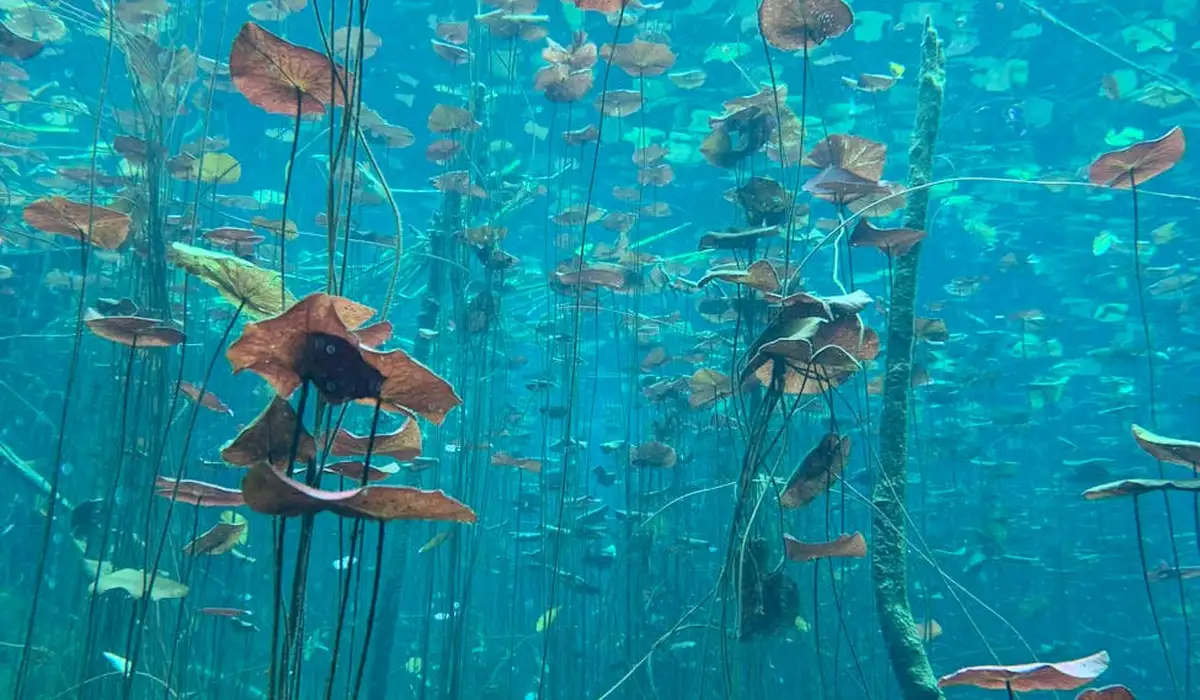
Java Fern and Anubias
- You should attach Java Fern and Anubias to driftwood or rocks using cotton thread or super glue-never bury their rhizomes in substrate. They thrive in low light conditions, around 1-2 watts per gallon, which is perfect for tanks without fancy setups.
- These plants are incredibly durable and can handle a wide range of water parameters. I’ve seen my betta, Captain Fin, perch on Anubias leaves, and Shadow, the corydoras, uses Java Fern roots as a safe hideout.
Vallisneria and Amazon Sword
- Vallisneria grows tall with grassy blades, ideal for background coverage, while Amazon Swords develop broad leaves as focal points. Both are heavy root feeders, so they need a nutrient-rich substrate like fluorite or laterite clay to spread properly.
- Give them space-plant Vallisneria runners 3-4 inches apart and Amazon Swords with at least 6 inches between them. In my 30-gallon tank, I use root tabs every 3 months to keep them lush and green without CO2 injection.
Java Moss and Hornwort
- Java Moss creates dense mats for fry and shy fish to hide in, and Hornwort floats freely or anchors to filter nutrients. The gentle sway of Java Moss in the current provides a natural playground for inquisitive fish like Goldie.
- They grow rapidly, so trim them every 2-3 weeks with sharp scissors. I toss the trimmings to reduce nitrate buildup, which helps maintain crystal-clear water in my low-tech system.
Cryptocoryne and Dwarf Sagittaria
- Crypts adapt to soft or hard water and tolerate pH swings from 6.0 to 8.0, while Dwarf Sagittaria handles moderate light. I’ve kept Crypts in tanks with varying hardness, and they rarely melt if you avoid sudden changes.
- Use Dwarf Sagittaria as a carpeting plant in the foreground and Crypts for mid-ground texture. Plant them in small clusters; they’ll slowly spread via runners to fill empty spaces without overcrowding.
Floating Plants like Duckweed and Red Root Floater
- Floaters provide shade that reduces algae and absorb excess nitrates directly from the water column. The dappled light under Duckweed mimics a natural habitat, calming fish and encouraging natural behaviors.
- They multiply quickly, so skim the surface weekly with a net. I control Red Root Floater by corralling it with airline tubing to keep some areas open for light penetration.
How to Choose and Buy Low-Tech Aquarium Plants
- Start by assessing your tank size, light levels, and fish compatibility. For a 10-gallon tank with low light, pick plants like Anubias that won’t outgrow the space or get eaten by herbivorous fish.
- Compare plant difficulty levels and growth rates online or in guides. Slow growers like Java Fern need less maintenance, while fast ones like Hornwort require frequent trimming.
- Look for healthy specimens with firm leaves and no yellowing or holes when buying in stores or online. I always check for snail eggs or algae on new plants to avoid introducing pests into my aquarium.
- Begin with a mix of foreground, mid-ground, and background plants for a balanced layout. In my setups, I combine Java Moss (foreground), Cryptocoryne (mid-ground), and Vallisneria (background) to create depth and visual interest.
Planting and Caring for Your Low-Tech Aquarium Plants
Preparing Substrate and Tank Setup
-
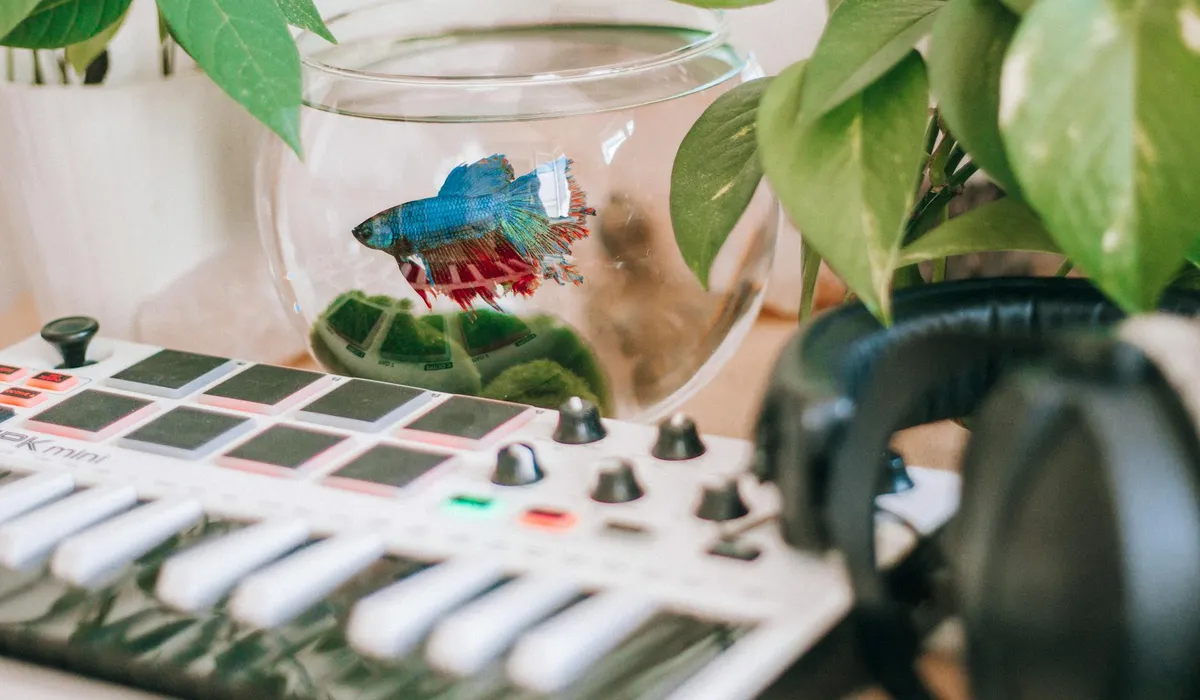
For substrate, I recommend inert sand or fine gravel, which is perfect for bottom dwellers like my Corydoras, Shadow, who enjoys digging without getting hurt. This tip comes from my aquarium substrate guide on choosing the right gravel or sand for your setup. It helps ensure your tank substrates support digging fish and plant roots alike. If you choose sand or plain gravel, insert root tabs every 4-6 inches around the base of root-feeding plants to deliver targeted nutrients right where they are needed.

-
Before planting, gently rinse each plant under lukewarm tap water to remove debris and potential pests. Arrange plants by height, placing taller ones like Amazon Swords in the back and shorter varieties like Java Fern in the front, so every level of your tank gets its moment in the light.
Ongoing Maintenance Tips
-
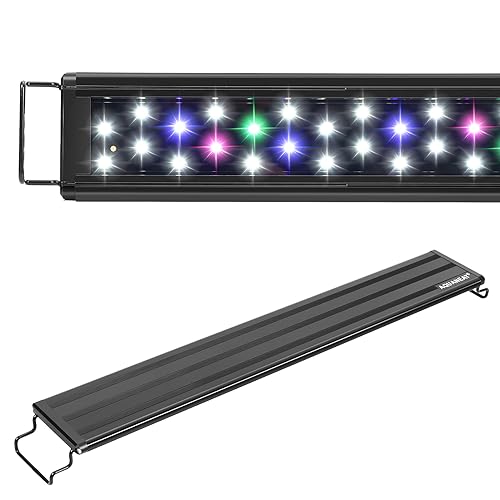
Set your aquarium light on a timer for 6-8 hours per day to provide consistent energy without encouraging algae. Stick to a weekly water change of 20-30%, which helps maintain crystal-clear water and keeps fish like Captain Fin vibrant and active. Proper lighting duration is essential for the health of both fish and aquatic plants.
-
Use liquid fertilizers sparingly, applying a half-dose once a week since plants in no-CO2 tanks absorb nutrients slowly. In planted tanks, balancing nutrients helps prevent algae growth and keep conditions stable. Overdoing fertilizers can lead to algae problems, so I always err on the side of less to keep the ecosystem balanced.
Avoiding Common Mistakes in Low-Tech Planted Tanks
-
Avoid overplanting, which can cause competition for light and nutrients, and steer clear of high-light species that demand CO2. In a planted tank, light, CO2, and nutrients must be balanced for healthy growth. Excess light with insufficient CO2 or nutrients can fuel algae. Regularly test pH, ammonia, and nitrate levels to catch imbalances early, because stable water parameters are the backbone of a thriving planted tank.
-
Prevent algae by controlling light duration and avoiding overfeeding, and reduce plant melt by trimming dying leaves during the adjustment phase. In a planted aquarium, balanced light and nutrients help suppress algae. A stable setup also aids plant establishment. Introduce plants gradually and maintain consistent care routines to minimize stress on both flora and fauna.
-
Embrace the slow growth cycle of low-tech plants, as they take time to establish and spread. Patience is your best tool here; I’ve watched tanks transform over months, and the steady progress is incredibly rewarding.
FAQs
Where is the best place to buy low-tech aquarium plants?
You can find low-tech aquarium plants at local fish stores, online retailers, and specialized aquatic plant websites. Always check seller ratings and reviews to ensure you receive healthy, pest-free specimens. For beginners, starting with readily available plants like Java Fern from trusted sources is a safe bet.
How can Reddit help me with low-tech aquarium plants?
Reddit communities like r/PlantedTank and r/Aquariums offer valuable advice from experienced hobbyists on low-tech setups. You can browse user-shared tips, troubleshooting guides, and tank photos for inspiration. Engaging in these forums allows you to ask specific questions and learn from real-world experiences.
Are low-tech aquarium plants available in the Philippines?
Yes, low-tech aquarium plants are accessible in the Philippines through local aquarium shops and online platforms like Lazada or Shopee. Many hardy species, such as Anubias and Java Moss, are commonly sold and adapt well to local water conditions. Purchasing from reputable sellers ensures you get plants that thrive in a low-maintenance environment.
Is Amazon a reliable source for purchasing low-tech aquarium plants?
Amazon can be a convenient option for buying low-tech aquarium plants, with a wide selection from various sellers. Be sure to read product details and customer feedback to confirm plant quality and shipping methods. Opt for sellers with high ratings and expertise in aquatic plants to minimize risks and ensure healthy arrivals.
Your Low-Tech Planted Tank Journey
Focus on hardy, slow-growing species like Java Fern and Anubias, and pair them with moderate lighting and a nutrient-rich substrate for steady growth. This simple approach lets you build a beautiful, balanced self-sustaining aquarium without the complexity of CO2 systems.
Being a fish keeper means committing to the well-being of your aquatic pets through consistent care and observation. Stay curious and keep learning about water parameters and plant needs to foster a healthy, lasting environment in your tank.
Further Reading & Sources
- Non-Co2 Plants – Capricorn Aquarium
- How to grow lush planted tanks without CO2 injection? – The 2Hr Aquarist
- Low Light Aquarium Plants (No CO2 Req.) | Modern Aquarium
- Top 11 Easiest Low Light Aquarium Plants For Absolute Beginners – No CO2 Needed!
- Plants with and without CO2 in pictures | UK Aquatic Plant Society
Lia is an expert in aquarium and pet fish care. Having worked in the marine industry and having cared for multiple pet fish, she has acquired first hand expertise on aquarium care, maintenance and setup. She always brings her practical expertise and science to help solve any aquarium related queries.
Aquatic Plants