
Peaceful Cichlid Tanks: Proven Tactics to Curb Aggression
Hello fellow fish keepers! That heart-sinking moment when your vibrant cichlids start chasing and nipping is a common struggle, but a peaceful tank is absolutely within your reach. This guide hands you the practical tools to defuse tension and foster a thriving, calm aquatic community.
We will walk through the key steps to lasting peace, focusing on:
- The root causes of cichlid aggression and how to spot early warning signs
- Aquascaping hacks using rocks, plants, and sightlines to create safe zones
- Strategic stocking choices based on size, temperament, and territorial needs
- Feeding routines that reduce competition and keep bellies full
- Direct intervention methods for when aggression suddenly flares up
My advice comes from years of hands-on experience breeding fish and maintaining balanced, high-tech planted aquariums where managing behavior is key.
Understanding the Currents of Conflict: Why Cichlids Fight
Decoding the Root Causes of Aggression
Think of your cichlid tank not as a peaceful community, but as a dynamic, underwater neighborhood where everyone is vying for the best property. Their aggression isn’t random malice; it’s hardwired behavior driven by survival instincts you can learn to manage. This is the ultimate guide to aquarium territorial behavior, helping you read the stakes and anticipate aggression. Understanding them is essential for a harmonious tank. The main drivers boil down to four key things.
- Breeding Instincts: When cichlids pair up or a female is holding eggs, their aggression skyrockets. They become ultra-territorial, defending their chosen spawning site and future fry from every perceived threat. This is often the most intense period of conflict in your tank.
- Territoriality (Defending Caves/Rocks): Many cichlids, especially African Mbuna, are obligate rock-dwellers. A prime cave is like a fortress. They will fight relentlessly to claim and hold the best rockwork, using it as a safe base for feeding and breeding.
- Establishing a Pecking Order: Cichlids are social creatures with a strict hierarchy. They will spar and display to figure out who is the tank boss, who is second-in-command, and so on. Some chasing and posturing is normal during this establishment phase.
- Competition for Food: In the wild, food is scarce. This instinct translates to the tank, where dominant fish will aggressively guard feeding areas and bully shyer tank mates away from the flakes or pellets. I’ve seen my feisty betta, Captain Fin, do this-it’s a universal fish behavior amplified in cichlids.
Spotting the Bullies and the Bullied: Common Aggressor Species
Not all cichlids bring the same level of drama. Knowing who you’re dealing with is half the battle. This quick reference table helps you gauge the general temperament of popular species, so you can plan your community with eyes wide open.
| Aggression Level | Common Examples | What to Expect |
|---|---|---|
| Highly Aggressive | African Mbuna (e.g., Kenyi, Bumblebee), Jaguar Cichlid, Red Devil | Fierce territoriality. Often best in species-only tanks or with extreme care. Not for beginners. |
| Moderately Aggressive | Jack Dempsey, Firemouth, Convict Cichlid, Some African Peacocks | Territorial, especially when breeding, but can be managed with proper space and structure. A common choice for intermediate keepers. |
| More Peaceful | German Blue Ram, Bolivian Ram, Keyhole Cichlid, Angelfish* | Can be housed with other calm community fish. *Note: Angelfish become territorial when breeding and may eat very small tank mates. |
Designing a Peaceful Kingdom: Your Tank as a Habitat
Step 1: Start with the Right-Sized Foundation
The single biggest mistake is using a tank that’s too small. Cichlids need room to establish territories and for subordinates to flee. My rule is to always choose the largest tank your space and budget allow, as extra gallons act as a “dilution” for aggression. Here are bare minimum starting points.
- A group of 6-8 smaller Mbuna or Peacocks: 55 gallons.
- A pair of medium cichlids like Jack Dempseys or Firemouths: 40 gallons for the pair.
- A single large, aggressive cichlid (Oscar, Red Devil): 75 gallons minimum, with 125+ being ideal.
- For community tanks with mixed species, always err on the side of 75 gallons or more to create multiple distinct zones.
Step 2: Build a Landscape of Lines of Sight and Refuge
An open tank is a battlefield. Your goal is to create a complex aquascape that breaks up direct lines of sight. Think of it as building a neighborhood with plenty of houses and walls, not an open parking lot. Use a combination of these elements.
- Rocks: Slate, lava rock, and Texas holey rock are perfect for stacking to create caves, tunnels, and barriers. Pile them securely to form multiple, separate structures.
- Driftwood: Large pieces can create natural arches and hiding spots, especially for South American species. It also helps soften the water, which some cichlids prefer.
- Caves: Commercial clay or stone caves are great, but overturned terracotta pots (with sanded edges) or PVC pipes hidden by rocks work just as well. Provide more caves than you have fish.
- Tall, Tough Plants: While many cichlids dig up plants, robust species like Java Fern, Anubias, or Vallisneria attached to decor can create vertical visual barriers. They offer a different kind of refuge for harassed fish.
The Overstocking Paradox: Can More Fish Mean Less Fighting?
This strategy sounds counterintuitive but is a cornerstone of African cichlid keeping. The theory is simple: by slightly overstocking, you spread the aggression of the dominant fish across many targets, preventing a single subordinate from being bullied to death. It’s a calculated risk that requires impeccable tank management to prevent it from backfiring into a water quality disaster. Beyond stocking levels, choosing the right tank mates can further reduce stress and aggression. When you pair species with compatible temperaments and sizes, dominance dynamics stay calmer and the tank remains more stable.
The major risks are immense bioload, rapid ammonia spikes, and higher costs for food and filtration. You must pair this approach with heavy-duty filtration (I recommend canister filters rated for 2-3 times your tank’s volume), rigorous weekly water changes of 50% or more, and constant water parameter testing. This is not a hack for a lazy aquarist. For beginners, it’s the core of a complete beginner’s guide to managing aquarium water parameters. You’ll learn to test, interpret, and stabilize key metrics like ammonia, nitrite, nitrate, pH, and hardness.
A Gentle Introduction: Adding New Cichlids Without Chaos
Dropping a new fish into an established cichlid territory is asking for trouble. You need a strategy to reset the territorial map. Following these steps carefully gives a newcomer a fighting chance to settle in without becoming an immediate target.
- Quarantine First: Always quarantine new fish in a separate tank for 2-4 weeks. This ensures they are healthy and feeding well before facing the stress of your main tank.
- Rearrange the Furniture: The night before introduction, significantly rearrange the rocks, wood, and caves in your main tank. This disrupts every fish’s established territory, putting them all on equal footing to explore the “new” landscape.
- Feed the Residents Well: Right before adding the new fish, feed your current cichlids a good meal. A full belly can slightly curb aggressive impulses.
- Add During Low-Light Hours: Introduce the new fish in the evening, just as the tank lights are about to go off. This gives them the cover of darkness to find a hiding spot and acclimate before the morning.
- Monitor Closely: For the next several days, watch for prolonged, relentless chasing. Some chasing is normal, but if a fish is cornered and unable to eat, you may need to use a tank divider temporarily.
Choosing Your Tank’s Citizens: Compatibility is Key
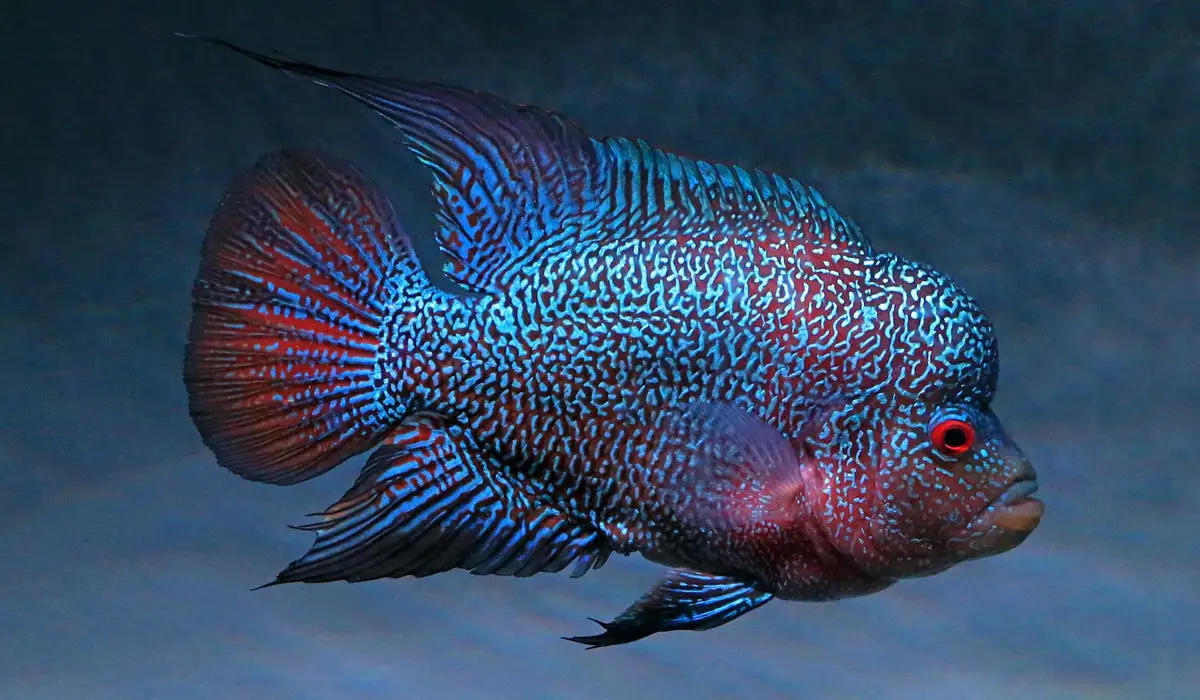
Mixing Cichlid Types: A Careful Balancing Act
Think of your cichlid community like a neighborhood-everyone needs to speak the same language and live by similar rules. My best advice is to stock your tank with species originating from the same geographic lake region, such as keeping all African Rift Lake cichlids from Lake Malawi together. Their water chemistry needs, like a stable pH of 7.8 to 8.5 and warmer temperatures between 78-82°F, will align, preventing environmental stress that fuels fights.
You must also play matchmaker based on adult size and innate temperament. Avoid pairing a large, predatory Frontosa with petite Mbuna, as the size difference alone can turn your tank into a hunting ground. Research each species’ personality; some, like the Zebra Cichlid, are notoriously territorial, while others, like certain Peacock Cichlids, can be more mellow when given enough space.
Beyond Cichlids: Considering Dither Fish and Clean-Up Crews
Introducing fast, peaceful fish can work wonders for cichlid tension. These “dither fish” swim in the upper water columns, their calm activity signaling to your cichlids that the coast is clear, which can reduce overall skittishness and aggression. Good choices include robust, speedy tetras like Congo Tetras or giant danios that are too quick to be caught.
For your clean-up crew, select armored bottom-dwellers that mind their own business. I’ve had great success with Synodontis catfish; they share the African Rift Lake origin and are tough enough to handle cichlid attitudes. Steer clear of slow-moving or long-finned fish like fancy goldfish or angelfish, as they will likely become targets for nipping and bullying.
Daily Rituals for Harmony: Feeding and Observation
Feeding Strategies to Curb Competition and Aggression
Feeding time is often the flashpoint for cichlid squabbles. You can diffuse this by creating multiple feeding stations at opposite ends of the tank, which prevents a single fish from monopolizing the food. This simple trick ensures even your shyest catfish, like my Shadow, gets a fair share.
Diversify how you deliver meals to keep everyone busy and satisfied. Use a mix of floating pellets for top feeders and sinking wafers for bottom dwellers to spread out the activity. I occasionally scatter a treat like frozen brine shrimp or spirulina flakes; the effort to hunt these small bites keeps fish occupied and reduces the energy they have for chasing tank mates.
Learning Their Language: Signs of Stress and Bullying
Your daily observation is your most powerful tool. Watch for these clear signs that peace is breaking down:
- Torn or ragged fins, especially on the tail and edges.
- A fish that hides constantly behind decor or in a cave, refusing to come out even for food.
- A dramatic lack of color, where normally vibrant fish look washed out or pale.
- Clamped fins, held tight against the body instead of flowing freely.
- Relentless, focused chasing where one fish never lets another rest.
Catching these signals early gives you a chance to rearrange decor or adjust feeding before a full-scale war erupts. These are among the most common signs of fish stress in aquarium fish. Recognizing them helps you act quickly. A stressed fish is an unhealthy fish, and their shimmering colors will fade fast under constant pressure.
When Peace Talks Fail: Troubleshooting Aggressive Fish

The Last Resort: How to Separate or Rehome a Bully
When one fish becomes a relentless tyrant, you need a clear plan. The quickest fix is to install a sturdy tank divider, giving the bullied fish immediate relief while keeping both in stable, familiar water. You can find mesh or acrylic dividers that fit standard tank sizes. This works well when you’re dealing with bullies in a single aggressive fish community tank. It buys time to observe and plan longer-term solutions.
For a more permanent separation, set up a quarantine tank or hospital tank. When bringing in new fish, quarantine them in that spare tank first to monitor health and behavior. This helps prevent disease and reduces the risk of introducing aggression into your established community. Move the aggressor there for a “time-out” of a week or two; sometimes, reintroducing them later can reset the hierarchy. If aggression continues despite your efforts, rehoming the bully to a species-only tank or through a local fish club is the kindest option for all your aquatic citizens.
Can Water Additives Calm an Agitated Tank?
You might see products marketed as “tank calm” solutions, but use them with realistic expectations. These additives often contain mild sedatives or minerals and should only be seen as a temporary band-aid, not a cure for behavioral issues. I’ve found their effects can be subtle and short-lived.
The most effective chemical management for aggression is maintaining pristine, stable water parameters through regular testing and partial water changes. A sudden pH swing or ammonia spike stresses every fish in the tank, making conflicts much more likely. Be mindful of pH shock during water changes—match the replacement water’s pH and hardness to the tank, or introduce the new water slowly to prevent stress. Doing so helps prevent aggression triggered by abrupt parameter shifts. Keep that water crystal clear and stable, and you address the root cause of many agitation problems.
When Peace Talks Fail: Troubleshooting Aggressive Fish
Even with the best layout and stocking, some cichlids just won’t call a truce. When you see torn fins, constant hiding, or fish that refuse to eat, it’s a clear sign your intervention is needed. This isn’t about failure; it’s about responsible fishkeeping and making tough calls for the well-being of your entire aquatic community.
The Last Resort: How to Separate or Rehome a Bully
I’ve been there, watching a beautiful but brutal fish turn a tank into a warzone. Separating the aggressor is an act of care, not punishment, and gives everyone a chance to recover. You have two main paths: isolation within the tank or removal to another.
Using a Tank Divider for Immediate Relief
A sturdy mesh divider can be a peacemaker overnight. The goal is to create a visual and physical barrier while keeping water parameters consistent for both sides. Here’s how to do it right:
- Choose the Right Divider: Use a solid, non-flexible plastic mesh screen from an aquarium shop, not flimsy craft mesh. It must be precisely cut to fit your tank’s width and height.
- Secure It Properly: Slide the divider into the tank’s frame channels or use suction cups with clips. Ensure no gaps exist where a determined fish could squeeze through.
- Divide Resources Equally: Place a heater and filter intake on each side, or use a sponge filter in the divided section. Both sides need equal access to clean water and warmth.
- Monitor Behavior: Watch for signs of stress from either side. Sometimes, just breaking the line of sight is enough to reset territorial claims.
Setting Up a Hospital or Quarantine Tank
When a divider isn’t enough or you need to treat injuries, a separate tank is essential. I always keep a simple 10 or 20-gallon tank with a cycled sponge filter ready for these emergencies. Follow these steps:
- Use Established Water and Media: Fill the quarantine tank with 70% water from your main tank and 30% dechlorinated new water. Move a pre-cycled sponge filter or filter media from your main filter to instantly cycle it.
- Keep It Simple: Include a heater set to the same temperature (often 76-82°F for most cichlids), a lid, and a couple of PVC pipe pieces or clay pots for hiding. Avoid substrate to simplify cleaning.
- Acclimate and Observe: Gently net the aggressive fish and place it in the quarantine tank. Use this time to treat any wounds and observe if its behavior calms without the triggers of the main tank.
Rehoming is the kindest option when a fish’s nature is fundamentally incompatible with community life, or if you cannot provide a permanent separate setup. I’ve rehomed a magnificent but vicious Jack Dempsey to a friend’s species-only tank, where it now thrives. If you must rehome, contact local aquarium clubs, reputable fish stores, or online forums with clear photos and honest behavior notes. It’s a tough decision, but prioritizing a fish’s quality of life defines a dedicated aquarist. This approach is part of a broader guide on responsible fish rehoming and handling unwanted pets. By following these steps, you help ensure humane outcomes for fish and new owners alike.
Can Water Additives Calm an Agitated Tank?
You might see bottles promising “instant calm” for your fish. While some additives containing natural tannins or mild electrolytes can slightly reduce stress, they are a band-aid, not a cure for aggression. Relying on them is like using air freshener to fix a mold problem; it masks the issue without addressing the root cause.
These products often mimic the soft, acidic water of some natural habitats. The real magic isn’t in the bottle, but in the consistent, pristine water parameters you maintain daily. For cichlids, sudden swings in pH or hardness are a major stressor that amplifies aggression. African Rift Lake cichlids need stable, hard water with a pH of 7.8-8.5, while many Amazonian species prefer soft, acidic conditions below pH 7.0. Use a reliable liquid test kit weekly, not just strips, to track these levels.
The most effective “chemical” management is simply massive, regular water changes with properly conditioned water matched to your fishes’ needs. I aim for a 25-30% change every week in my cichlid tanks, and the difference in coloration and behavior is undeniable. Stable parameters reduce overall environmental stress, making fish less prone to lash out. Focus on this foundational practice first, and view any additives as a temporary, secondary aid at best.
FAQs
How does overstocking help manage aggression, and what are its risks?
Overstocking dilutes aggression by spreading the dominant fish’s attention across multiple tank mates, which can prevent persistent bullying of a single individual. However, this strategy significantly increases bioload, raising the risk of ammonia spikes and poor water quality. It requires robust filtration, rigorous weekly water changes, and constant monitoring to avoid health issues, especially high ammonia levels.
What role do hiding spots and territories play in minimizing conflict?
Hiding spots and well-defined territories provide essential refuges for subordinate cichlids to escape aggression and reduce stress. By using rocks, caves, and plants to break up sightlines, you create multiple safe zones that prevent constant confrontations and allow all fish to establish their own spaces.
How can feeding strategies influence aggressive behavior?
Implementing multiple feeding stations at opposite ends of the tank disperses competition, ensuring even shy fish get access to food. Offering a variety of food types, like floating pellets and sinking wafers, also keeps fish occupied and reduces the energy they might otherwise expend on territorial disputes. Understanding the dynamics of a fish tank can help you create an environment that minimizes stress and maximizes feeding.
Are there any effective chemical or natural calming additives for cichlid tanks?
While some additives containing tannins or mild sedatives may offer temporary stress reduction, they are not a reliable cure for aggression. The most effective approach is maintaining pristine, stable water conditions through regular testing and partial water changes, as environmental stability directly reduces stress-induced aggression.
Your Blueprint for a Serene Cichlid Home
Peace hinges on a generous tank size, strategic decor to break lines of sight, and a careful selection of tankmates who respect each other’s space. Routine water changes and parameter checks are non-negotiable, as pristine water dramatically lowers overall stress and aggression triggers.
Owership of these intelligent fish is a promise to learn their language and advocate for their comfort. The most successful tanks are run by keepers who never stop observing, asking questions, and refining their approach.
Further Reading & Sources
- African cichlid Aggression – How to deal with fish bullies – Québec Cichlidés
- African Cichlid Aggression – How to Reduce Aggression – RateMyFishTank.com
- Cichlid Aggression | TFH Magazine
- Cichlid Aggression And How To Fix It | Cichlid Forum
- Understanding Cichlid Aggression: Decoding the Feisty Personalities of Your Aquarium’s Stars • Fishiology
Lia is an expert in aquarium and pet fish care. Having worked in the marine industry and having cared for multiple pet fish, she has acquired first hand expertise on aquarium care, maintenance and setup. She always brings her practical expertise and science to help solve any aquarium related queries.
Fish Species