
How to Increase Oxygen Levels in Your Aquarium: A Clear Path to Healthy Fish
Hello fellow fish keepers. If you’ve spotted your fish gasping at the surface or noticed a general lack of activity, you’re likely facing a common but critical issue: low oxygen. Seeing that behavior can be alarming, but the solution is often simpler than you think.
This complete guide will walk you through everything you need to know, covering:
The silent causes of low oxygen that many aquarists miss.
How to test your water’s oxygen level with simple tools.
Immediate fixes and long-term solutions to boost gas exchange.
The best equipment for maximizing oxygen saturation.
I’ve been successfully managing high-tech planted tanks and breeding sensitive fish for years, so I can guide you through this with practical, tested advice. The right equipment is key to a successful planted aquarium. From lighting and CO2 to filtration and substrate, I’ll help you choose gear that fits your setup and budget.
Why Your Fish Tank Needs Proper Oxygenation
Think of oxygen as the invisible life support system for your entire aquarium. It’s not just about your fish breathing. Every single organism in your tank, from the tiniest beneficial bacteria to your prized centerpiece fish, depends on dissolved oxygen to survive and thrive.
Your filter’s beneficial bacteria, the heroes of the nitrogen cycle, are massive oxygen consumers. When oxygen dips, these bacteria begin to die off. This can cause your entire biological filtration to crash, leading to dangerous ammonia and nitrite spikes. A well-oxygenated tank is the foundation of stable water chemistry and a healthy nitrogen cycle.
Beyond filtration, proper oxygen levels influence everything. Fish that get enough oxygen are more active, display brighter colors, and have stronger immune systems to fight off disease. Good oxygen circulation also helps prevent stagnant pockets of water where detritus and harmful gases can accumulate. The gentle surface movement from an air stone or filter output even helps break up the protein film that can sometimes form on the water’s surface.
Spotting the Signs of Low Oxygen in Your Aquarium
Your fish and your tank will tell you when oxygen is running low. You just need to know what to look for. Catching these signs early can prevent a tragedy.
Observing Your Fish’s Behavior
Fish behavior is your most immediate clue. Watch them closely, especially in the morning before the lights come on, when oxygen is naturally at its lowest.
- Gasping at the Surface: This is the most classic and urgent sign. Your fish are hanging at the top of the tank, laboring to pull oxygen-rich water from the surface film. My Betta, Captain Fin, does this when his filter flow gets too weak.
- Lethargy and Low Activity: Fish that are normally active, like my Goldie the Oranda, will become sluggish and may hang near the bottom. They are conserving energy because they are literally struggling to breathe.
- Rapid Gill Movement: Watch their gills. If they are flapping much faster than normal, it’s a clear sign they are working overtime to extract what little oxygen is available.
- Loss of Appetite: A fish that isn’t getting enough oxygen will often stop eating. It’s a basic survival instinct.
Environmental Clues in the Tank
The tank itself provides physical evidence of poor oxygen exchange.
- A Visible Oily or Scummy Film on the Surface: This biofilm acts as a barrier, severely limiting the gas exchange between your tank water and the air. If you see this film, your oxygen levels are almost certainly too low.
- Stagnant Water and Poor Circulation: Look for areas in the tank where debris isn’t moving. Still water has very little oxygen exchange.
- Snails or Shrimp Climbing Out of the Water: While some snails are just explorers, if you see a mass exodus of invertebrates heading for the waterline, it’s a major red flag for poor water quality, often linked to low oxygen.
What Causes Poor Oxygen Levels in Fish Tanks?
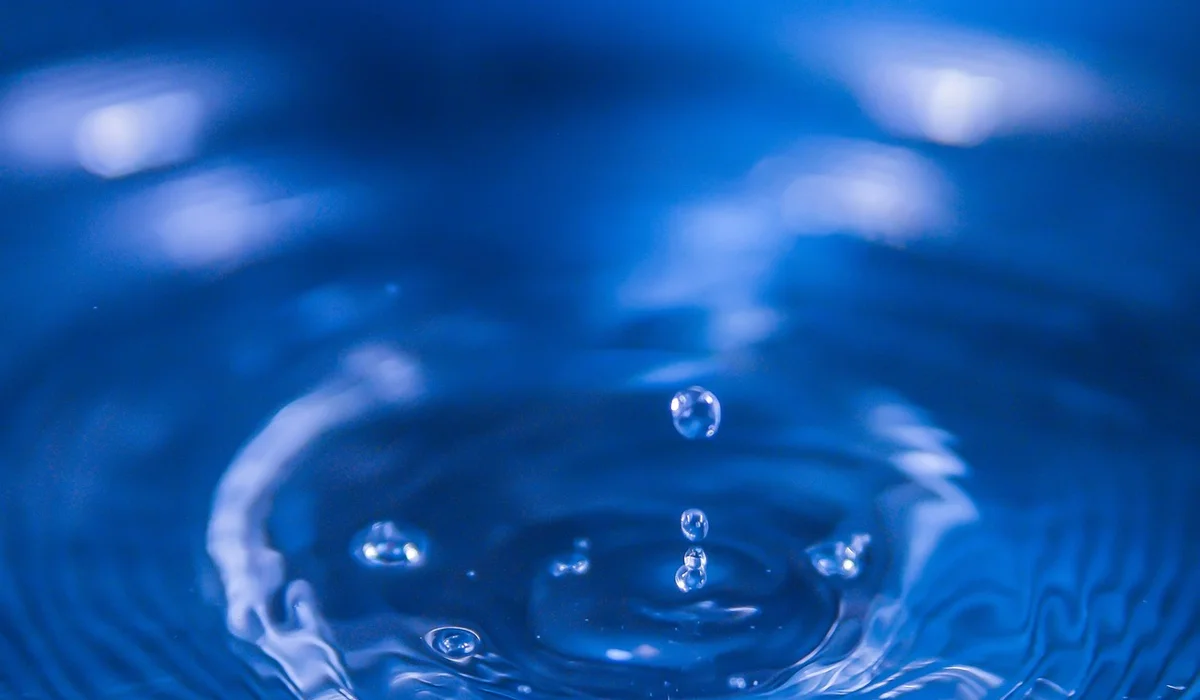
Your fish gasping at the surface is a clear distress signal, and the cause is often a combination of factors you can easily fix. The most common culprit is a simple lack of surface agitation, which is how oxygen from the air gets mixed into your water. A perfectly still, mirror-like water surface looks serene, but it’s a death trap for oxygen exchange.
High Water Temperature
Warmer water physically holds less dissolved oxygen than cooler water. For every few degrees the temperature rises, the available oxygen for your fish can drop significantly. A tank sitting at 82°F (28°C) holds far less life-giving gas than one at 75°F (24°C), which is why summer heat waves can be so dangerous. That’s why a complete guide to aquarium temperature control emphasizes keeping water stable. Regular monitoring and the right equipment help maintain safe temperatures and adequate oxygen.
Overstocking and Overfeeding
Too many fish or too much food creates a massive biological load. Every single creature and every bit of decaying waste consumes oxygen, directly competing with your fish for this vital resource. An overstocked tank is like a crowded, unventilated room where everyone is struggling to breathe.
Lack of Surface Agitation
This is the heart of the issue. Oxygen enters the water and harmful gases like CO2 escape at the water’s surface. If your filter output is submerged and not disturbing the surface, you are missing the primary engine for gas exchange in your aquarium. A calm surface is a closed window.
Medication and Chemical Additives
Some fish medicines, like those containing formalin or antibiotics, can reduce the water’s ability to hold oxygen. Always read the labels on any treatment you add to your tank, as many will explicitly advise you to increase aeration during use. These treatments can be a necessary evil, but you must compensate for their side effects.
Excessive Waste and Algae Blooms
A dirty tank with a lot of decomposing matter or a sudden algae die-off creates a huge oxygen demand from the bacteria working to break it all down. This bacterial bloom can consume oxygen so rapidly that it suffocates your fish, often happening overnight after a tank cleaning disturbs the substrate. The murky water you sometimes see is a battlefield of bacteria using up all the air.
Equipment-Based Methods to Increase Aquarium Oxygen
When your fish need more air right now, technology is your best friend. These tools provide a direct and immediate boost to your tank’s oxygen levels.
Air Pumps and Air Stones
This is the classic, most straightforward solution. An air pump pushes air through tubing to an air stone, which breaks the air into a stream of tiny, efficient bubbles.
- Why it works: The rising bubbles create water circulation and, most importantly, agitate the entire water surface as they pop.
- I always keep a small, quiet air pump as a backup for emergencies or hospital tanks.
- For a standard 20-gallon tank, a pump rated for 10-30 gallons provides plenty of power without creating a whirlpool.
The gentle fizz of an air stone doesn’t just look pretty; it’s the sound of your water breathing.
Powerheads and Wavemakers
For larger tanks or those with high oxygen demands, a powerhead is a powerhouse. These submersible pumps move a large volume of water, which you can direct towards the surface to create intense rippling and waves. This massively increases the surface area for gas exchange.
- I use a small powerhead in my goldfish tank pointed upwards to keep the surface in constant motion.
- They are ideal for tanks over 55 gallons or for species like goldfish and cichlids that are messy eaters.
Adjust Your Filter Output
This is a zero-cost method that often gets overlooked. If your hang-on-back (HOB) or canister filter output is fully underwater, simply adjust it so the returning water pours down onto the surface of the tank.
- Locate the output nozzle or spillway.
- Angle it or raise it so it breaks the water’s surface tension.
- You want to see ripples, not a submerged jet of water.
You will immediately see more surface movement and hear the pleasant sound of trickling water.
Spray Bars
Many canister filters come with or can be fitted with a spray bar. A spray bar is a long tube with multiple holes that distributes the filtered water across the entire length of the tank’s surface. This creates widespread, gentle agitation that is incredibly effective at oxygenating the water without creating a strong current.
- It turns one strong current into dozens of tiny surface ripples.
- Perfect for planted tanks or for fish that dislike turbulent water.
Positioning the spray bar just above the waterline so the water ‘rains’ down is my preferred method for maximum oxygen diffusion.
Surface Skimmers
While their main job is to remove protein film from the surface, most internal surface skimmers have a built-in air valve. When connected to an air pump, they pull in air and create a torrent of fine bubbles while simultaneously keeping the water surface crystal clear. This is a two-in-one solution for both surface scum and low oxygen.
Natural and DIY Ways to Oxygenate Your Aquarium

You don’t always need fancy gadgets to boost oxygen; nature and a little creativity can work wonders. Simple surface movement is your best friend for gas exchange, letting oxygen in and carbon dioxide out. I’ve watched the water clarity improve in my own tanks just by tweaking these methods.
Harness the Power of Live Plants
Plants are natural oxygen factories during the day through photosynthesis. Fast-growing stem plants like Hornwort or Water Wisteria can dramatically increase dissolved oxygen levels. In my tank with Captain Fin, the betta, adding a dense bunch of Anacharis made the water feel fresher and reduced surface film.
- Choose oxygenators: Hornwort, Cabomba, or Elodea densa.
- Ensure adequate lighting for at least 8 hours daily to fuel photosynthesis.
- Avoid overplanting at night when plants consume oxygen; balance is key.
Increase Surface Agitation Easily
Breaking the water surface allows oxygen to dissolve efficiently. Positioning your filter output to ripple the surface is a zero-cost upgrade that pays off quickly. For a DIY approach, I once used a small water pump aimed at the surface to create gentle waves, and my fish like Goldie became more active.
- Adjust your hang-on-back filter to splash water slightly.
- Create a homemade aerator with an air stone connected to a battery-operated pump.
- Stir the water manually with a clean spoon for a quick oxygen boost during water changes.
Manage Water Temperature and Changes
Cooler water holds more oxygen, and fresh water introduces it naturally. Keeping your tank between 72-76°F for most community fish helps maintain higher oxygen saturation. I always do a 20-30% water change weekly, and the influx of new water perks up even shy bottom dwellers like Shadow.
- Perform partial water changes weekly to replenish oxygen.
- Use a fan blowing across the water surface to cool the tank in warm climates.
- Avoid sudden temperature spikes from heaters or sunlight.
Maintaining Healthy Oxygen Levels Long-Term
Consistent habits prevent oxygen drops and keep your aquarium thriving. Regular monitoring and preventive care are the bedrock of a stable aquatic environment. From my experience, a little daily attention beats frantic fixes every time. When it comes to regular upkeep, understanding the essential tasks and their frequency is crucial.
Establish a Reliable Maintenance Routine
Stick to a schedule that includes cleaning and checks. Cleaning your filter media monthly ensures proper water flow and oxygenation without disrupting beneficial bacteria. I set reminders to inspect my equipment, and it has saved me from emergencies when filters clog.
- Test water parameters weekly with a kit; aim for pH 6.5-7.5 and ammonia at 0 ppm.
- Vacuum the substrate during water changes to remove decomposing waste that consumes oxygen.
- Trim and prune plants regularly to prevent decay from lowering oxygen levels.
Optimize Fish Stocking and Feeding
Overcrowding and overfeeding are common oxygen thieves. Stick to one inch of fish per gallon of water as a general rule to avoid overloading the system. With Goldie, my goldfish, I learned that a 30-gallon tank is essential for their high oxygen needs.
- Feed small amounts twice daily; uneaten food decomposes and uses up oxygen.
- Choose fish with similar oxygen requirements; avoid mixing high-energy species in small tanks.
- Observe fish behavior; gasping at the surface signals low oxygen.
Use Equipment Wisely and Monitor
Reliable tools help you stay ahead of problems. Invest in a dissolved oxygen test kit for precise readings, especially in heavily stocked tanks. I pair this with an air pump that has a adjustable valve, so I can fine-tune bubbling based on time of day.
- Run air stones or sponge filters continuously for steady aeration.
- Check equipment for wear; replace air stones every 6 months to maintain efficiency.
- Keep a log of oxygen levels and fish activity to spot trends early.
Testing and Fine-Tuning Your Tank’s Oxygen
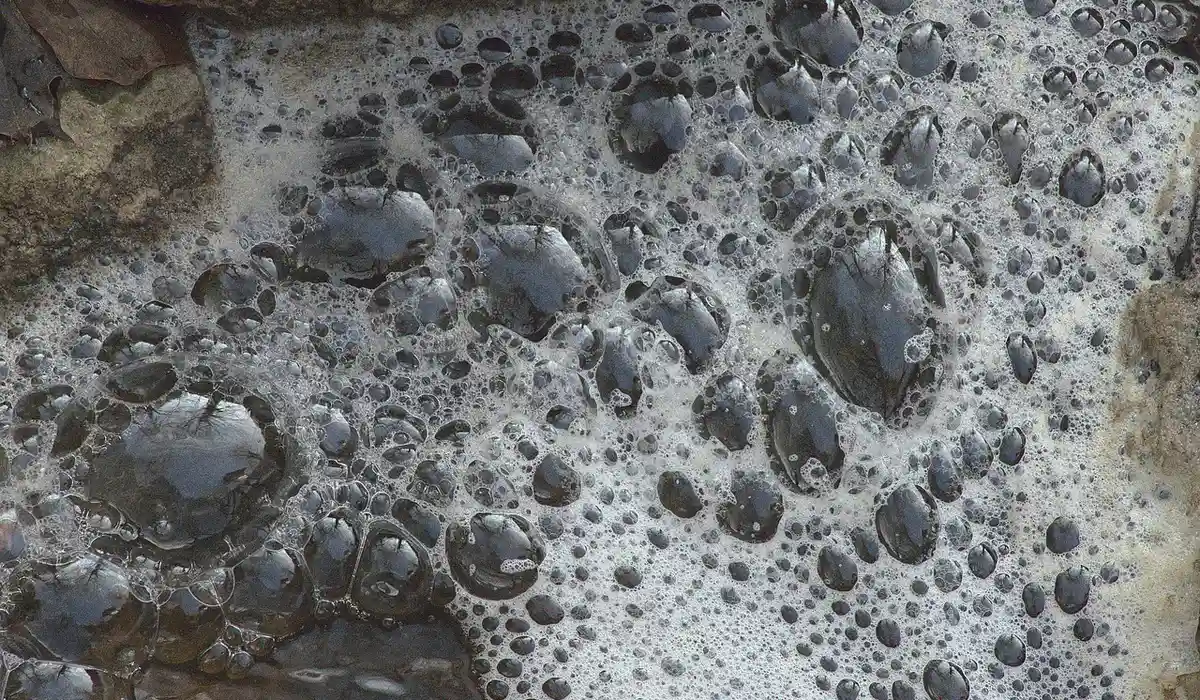
You can’t manage what you don’t measure, and oxygen is no exception in your aquarium. Regular testing gives you a clear picture of your water’s health and lets you act before your fish show signs of stress. I rely on a simple dissolved oxygen test kit, which is as easy to use as a pH test. Just follow the instructions, compare the color change, and you’ll know exactly where you stand. That means keeping an eye on other essential water-quality parameters—ammonia, nitrite, nitrate, pH, and temperature—along with dissolved oxygen. Together, they give you a complete picture of your tank’s health and help you act before problems arise.
How to Spot the Signs of Low Oxygen
Your fish will often tell you there’s a problem long before your test kit does. Watch for fish gasping at the water’s surface, which is a major red flag. Lethargic behavior, like Goldie refusing her favorite snack or Shadow hiding more than usual, can also point to oxygen deprivation. You might notice the water surface looking unusually still and glassy, without those tiny ripples from surface agitation.
- Fish gasping at the surface
- Reduced activity and appetite
- Clamped fins or rapid gill movement
- A lack of bubbles or surface movement
Practical Steps to Boost Oxygen Levels
If your tests or observations show low oxygen, don’t panic. Start by increasing surface agitation, which is the most effective way to gas exchange. I often adjust my filter output to ripple the water’s surface more, creating a larger area for oxygen to enter. Adding an air stone connected to a small pump can work wonders, especially in tanks with high bioloads like Goldie’s setup.
- Adjust your filter to create more surface movement.
- Install an air stone or bubble wall for added aeration.
- Perform a partial water change with fresh, pre-treated water.
- Introduce fast-growing live plants like hornwort or anacharis.
- Ensure your tank isn’t overcrowded and clean your filter media.
The Role of Temperature and Plants
Warmer water holds less dissolved oxygen, so a tank at 80°F has significantly less available oxygen than one at 72°F. Keeping your heater set to the lower end of your fish’s preferred range can passively increase oxygen saturation. Live plants are a double win; during the day, they release oxygen through photosynthesis, but remember they consume it at night, so balance is key.
Fine-tuning is an ongoing process. After making a change, like adding an air stone, test your oxygen levels again in a few hours. You’ll learn to recognize the perfect hum of a well-oxygenated tank, where every fish, from feisty Captain Fin to shy Shadow, thrives. It’s a satisfying feeling that makes all the effort worthwhile.
Common Questions
What is the best piece of equipment to increase oxygen?
There is no single “best” piece of equipment, as the ideal choice depends on your tank’s setup and needs. For most standard aquariums, an air pump with an air stone is a reliable and affordable solution that provides excellent surface agitation. To choose the right air pump and airstone for your aquarium’s needs, assess tank size, stocking, and oxygen demand. For larger tanks or those with high oxygen demand, a powerhead aimed at the surface can be more effective at creating the water movement needed for gas exchange. This approach helps ensure efficient aeration and healthy gas exchange.
Do aquarium plants increase or decrease oxygen at night?
Aquarium plants increase oxygen during the day through photosynthesis but consume it at night through respiration. This means oxygen levels can naturally drop in a heavily planted tank when the lights are off. To prevent this, it is recommended to maintain some surface agitation overnight, either from a filter or an air stone, to ensure a steady oxygen supply for your fish. If you’re curious about turning off aquarium lights at night, our complete guide explains when and how to do it safely.
How does performing a water change increase oxygen?
Performing a water change increases oxygen by introducing fresh, oxygen-rich water directly into the tank. The act of pouring the new water also agitates the surface and temporarily boosts aeration. This is why fish often appear more active immediately after a water change, as the dissolved oxygen levels have been replenished.
Can I have too many fish for my tank’s oxygen level?
Yes, overstocking is a primary cause of low oxygen levels. More fish means more oxygen is consumed through respiration, and their waste increases the biological load, which further depletes oxygen as bacteria break it down. Following responsible stocking guidelines and avoiding overfeeding are crucial for maintaining a healthy, oxygen-rich environment long-term.
A Final Bubbling Thought
Remember, consistent surface agitation from filters or air stones, combined with clean, uncrowded water, is your most reliable path to a well-oxygenated tank. Test your water regularly and observe your fish; they are the best indicators of your tank’s health. For a proper approach, follow our step-by-step guide to testing your aquarium water. It covers how to test pH, ammonia, nitrite, nitrate, and temperature, and how to interpret the results.
Being a great fishkeeper means committing to lifelong learning and adapting your care as your aquatic family grows. Your dedication to understanding their world, from oxygen levels to water chemistry, is what transforms a simple tank into a thriving underwater ecosystem.
Further Reading & Sources
- Aquarium Aeration and Oxygenation | Tropical Fish Hobbyist Magazine
- Understanding Dissolved Oxygen in Aquariums: Why It Matters and How to Measure It – Sensorex Liquid Analysis Technology
- r/fishtank on Reddit: How can I add oxygen to my tank my fish are skimming the top of the water for oxygen
- How To Identify & Test Oxygen Levels In A Fish Tank? | Atlas Scientific
- Aquarium Water Quality: The Importance of Oxygen
Lia is an expert in aquarium and pet fish care. Having worked in the marine industry and having cared for multiple pet fish, she has acquired first hand expertise on aquarium care, maintenance and setup. She always brings her practical expertise and science to help solve any aquarium related queries.
Water Quality