
CO2 vs. Oxygen in Your Planted Tank: The No-Stress Guide to a Thriving Ecosystem
Hello fellow aquarists! If you’ve ever stared at your tank, wondering why your plants look lackluster while your fish seem perfectly happy, you’ve stumbled upon the central puzzle of the planted aquarium. Getting the gas balance right is the secret to unlocking explosive plant growth without stressing your livestock.
This guide will walk you through the delicate dance between these two invisible gases, covering:
Why your plants crave CO2 but your fish need oxygen
The pros and cons of different CO2 system setups
Simple, low-tech ways to boost oxygen levels at night
Clear signs you’ve got the balance wrong and how to fix it fast
I’ve fine-tuned this balance in my own high-tech tanks for years, breeding sensitive fish and cultivating lush aquatic gardens.
What CO2 and Oxygen Do in Your Planted Tank
Think of your aquarium as a tiny, self-contained world where plants and fish are constantly breathing. Carbon dioxide (CO2) is the primary food source for your aquatic plants, fueling the photosynthesis that makes them grow lush and vibrant. Without enough of it, plant growth stalls, leaves can turn yellow, and unsightly algae often seizes the opportunity to take over. In a planted aquarium, many hobbyists supplement CO2 to meet the higher demands of dense plantings. Whether you need to do so depends on plant density and growth goals.
Oxygen, on the other hand, is the lifeblood for your fish and the beneficial bacteria in your filter. Every creature with gills or that processes waste relies on dissolved oxygen to survive and thrive. You can often see the results of this balance-or lack thereof-in your fish’s behavior; low oxygen levels will have them gasping at the surface.
Here is a quick breakdown of their roles:
- CO2 for Plants: Drives photosynthesis, leading to strong growth, brighter colors, and oxygen production as a byproduct.
- Oxygen for Livestock: Supports fish respiration, powers the nitrogen cycle in your filter, and prevents anaerobic “dead zones” in the substrate.
The Science of Gas Exchange in Water
Gases don’t just magically appear or disappear in your water; they follow the simple laws of physics. Gas exchange is the process where oxygen enters the water and CO2 exits, and it happens almost exclusively at the water’s surface. This is why surface agitation from your filter output or an air stone is so critical-it creates more surface area for this vital transaction to occur.
Warmer water holds less dissolved gas than cooler water. This is a key reason a sudden heatwave can be dangerous for an aquarium, as it can rapidly deplete life-sustaining oxygen levels. I always keep a close eye on my tank’s temperature during summer months for this exact reason. Proper temperature control is crucial to maintain a healthy aquatic environment.
You can actively manage gas exchange with a few simple techniques:
- Point your filter output slightly upward to create a gentle ripple across the entire water surface.
- Run an air stone during the night when plants are not producing oxygen.
- Ensure there is a clear, unimpeded surface area; avoid letting floating plants completely cover the top.
Finding the sweet spot is an art. When you get it right, you’ll see pearling-tiny, shimmering oxygen bubbles clinging to your plant leaves-which is a beautiful sign of a truly healthy planted tank.
How to Spot CO2 and Oxygen Imbalances
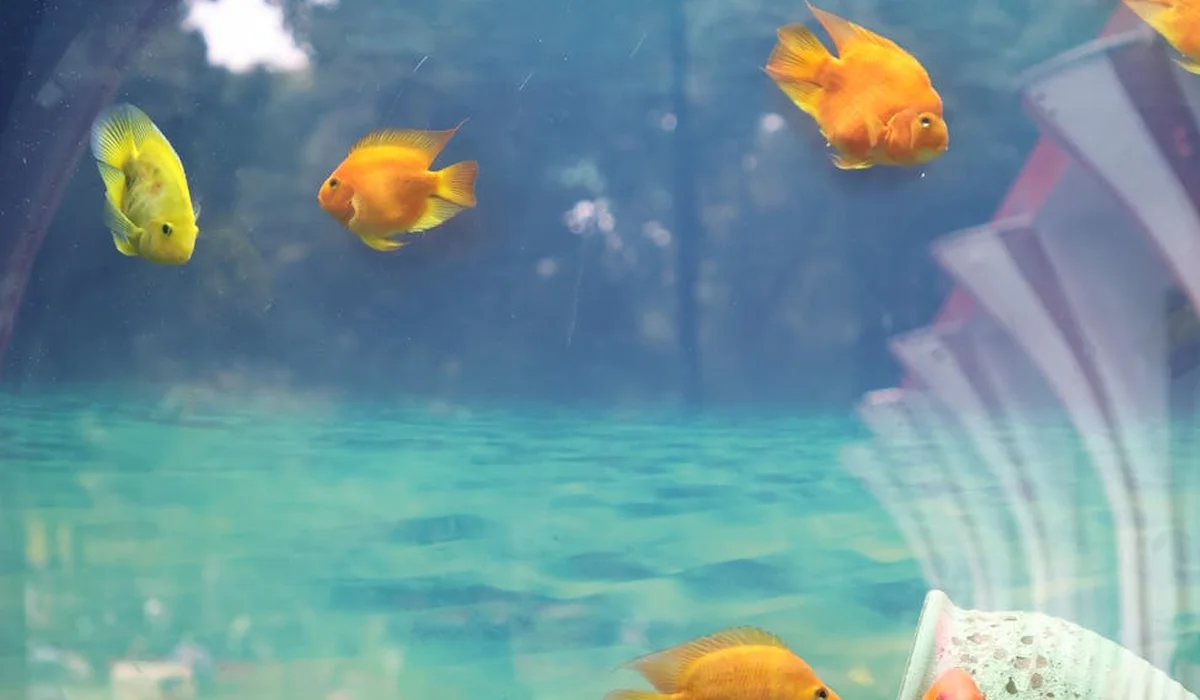
Your fish and plants will tell you everything you need to know about your tank’s gas levels, if you know what to look for. I’ve learned to read these signs like a book, and it has saved my aquarium community more than once.
Signs of Low Oxygen (Hypoxia)
When oxygen drops, your fish act strangely. The most obvious sign is gasping at the water’s surface.
- Fish gathering at the water inflow or filter outflow, trying to get into the most oxygen-rich water.
- Rapid gill movement, even in fish that are otherwise still.
- A noticeable lack of activity; your normally social fish like Goldie might become listless.
- Your shrimp may try to climb out of the water or leave the tank entirely.
The first hour after your lights turn on is a critical time to watch for these behaviors, as plants have been consuming oxygen all night.
Signs of Excessive CO2
Too much CO2 is just as dangerous as too little oxygen, and the symptoms can look similar. The key difference is the timing.
- Fish gasping for air, but this typically happens when your CO2 system is actively injecting gas, not first thing in the morning.
- Extreme lethargy; your feisty betta, Captain Fin, might ignore feeding time entirely.
- Shy bottom-dwellers like Shadow may come out into the open, appearing disoriented.
- In severe cases, fish can lose balance or lay on the substrate.
If you see these signs, perform a large water change immediately and turn off your CO2 injection to give your fish relief.
What Your Plants Are Telling You
Plants are excellent bio-indicators. Stunted growth or yellowing leaves often point to a carbon deficiency.
- Poor growth despite good lighting and fertilizers.
- Leaves covered in a dark, slimy algae (typically BBA or staghorn).
- An algae outbreak is often a sign of an unstable CO2 level, not just a high nutrient level.
A stable, pearling carpet of plants is the ultimate sign you’ve achieved a perfect CO2 and oxygen equilibrium.
Methods for Adding CO2 to Your Tank
Choosing a CO2 system is a balance of budget, tank size, and the level of control you want. I’ve tried them all, from simple DIY to high-tech setups when setting up a planted aquarium.
1. Pressurized CO2 Systems
This is the gold standard for serious planted tank enthusiasts. It uses a refillable CO2 cylinder, a regulator, and a diffuser.
- Pros: Highly precise and consistent. You can use a solenoid valve to hook it to a timer, syncing CO2 with your light cycle. One fill can last for months.
- Cons: Higher initial cost. Requires a bit more knowledge to set up the regulator properly.
- Best For: Tanks over 20 gallons, carpeting plants, and aquascapes demanding lush, fast growth.
Investing in a good-quality dual-stage regulator is non-negotiable for preventing end-of-tank CO2 dumps that can suffocate your fish.
2. DIY Yeast CO2
This is a popular, low-cost entry into carbon supplementation. It uses a sugar, yeast, and water mixture in a bottle to produce CO2.
- Pros: Extremely cheap to set up. A great way to experiment with CO2’s effects.
- Cons: Highly inconsistent. CO2 production starts high and tapers off. Nearly impossible to turn off at night without a complicated setup. Can be messy.
- Best For: Small tanks (under 10 gallons) and beginners on a tight budget who want to test the waters.
Always use a check valve with a DIY system to prevent the sugar-water mixture from siphoning back into your aquarium during a temperature change.
3. Liquid Carbon Supplements
These are liquid solutions, like glutaraldehyde, that plants can use as an alternative carbon source.
- Pros: Easy to dose with your daily fertilizer. No equipment needed. Also helps to reduce certain types of algae.
- Cons: Not true CO2. It is less effective for driving demanding plant growth and can be harmful to some sensitive fish and invertebrates in high doses.
- Best For: Low-tech tanks that need a slight growth boost, or as an algae deterrent.
I use liquid carbon as a spot treatment for algae on hardscape, but I rely on pressurized CO2 to grow a dense, healthy forest for my fish.
Comparison of CO2 Methods
| Method | Cost | Stability | Maintenance |
|---|---|---|---|
| Pressurized | High Initial | Excellent | Low (Refill every 6-12 months) |
| DIY Yeast | Very Low | Poor | High (New mix every 1-2 weeks) |
| Liquid Carbon | Ongoing Low | Good (with consistent dosing) | Daily Dosing |
Ways to Increase Oxygen Levels Safely
You might notice your fish gasping near the surface or acting lethargic, which often signals low oxygen. Increasing oxygen doesn’t have to be complicated, and a few simple tweaks can make a huge difference in your tank’s health. In our aquarium complete guide, we’ll walk you through proven methods to safely boost oxygen levels. From surface agitation to proper filtration, these steps are easy to implement.
Easy Methods to Boost Oxygen
- Adjust your filter output to create more surface agitation. I angle my hang-on-back filter so it slightly breaks the water’s surface, which boosts oxygen exchange without stressing fish.
- Add an air stone connected to a quiet air pump. In my 30-gallon community tank, the gentle stream of fine bubbles not only oxygenates but also adds a calming visual effect.
- Perform regular partial water changes. Fresh water holds more dissolved oxygen, and I do 20% changes weekly to keep levels optimal.
- Reduce CO2 injection at night. Since plants respire and consume oxygen after lights out, I use a timer to turn off my CO2 system one hour before the lights go off.
- Increase water movement with a small wavemaker or powerhead. For tanks over 40 gallons, this can prevent dead spots and evenly distribute oxygen.
Surface agitation is your best friend for oxygen. Even a simple airstone can raise oxygen levels by 10-20% in just a few hours, which I’ve verified with test kits in my own setups.
Signs Your Tank Needs More Oxygen
- Fish clustering at the water’s surface, especially during the day.
- Sluggish behavior or loss of appetite in normally active species.
- A noticeable decrease in plant pearling, where oxygen bubbles form on leaves.
Watch for these cues closely. If your corydoras like Shadow are hiding more than usual, it could mean oxygen is low at the bottom, so I always check my tank’s flow distribution.
Monitoring CO2 and Oxygen for a Healthy Tank
Keeping track of CO2 and oxygen is like having a dashboard for your aquarium’s health. Regular monitoring helps you catch imbalances early, preventing stress on fish and plants.
Tools for Measuring CO2
- Use a drop checker with a 4 dKH solution for a visual CO2 readout. I place mine opposite the filter flow for accurate readings, and the color change from blue to green tells me if CO2 is in the 20-30 ppm range.
- Check pH and KH together to estimate CO2 levels. For example, at 77°F, a pH of 6.8 and KH of 4°d indicate about 30 ppm CO2, which is ideal for most plants.
- Observe plant growth and fish behavior. If plants are pearling and fish are active, your CO2 is likely balanced.
Drop checkers are affordable and reliable. I rely on mine daily to avoid CO2 overdosing, which can be fatal in enclosed spaces.
How to Test Oxygen Levels
- Use dissolved oxygen test kits or digital meters. I test oxygen in the morning and evening to see daily fluctuations.
- Watch for natural indicators like fish gasping or snails climbing walls, which often mean oxygen is low.
- Monitor surface film; a oily layer can reduce oxygen exchange, so I skim it off during water changes.
Test kits give you hard data, but behavior tells a story. When Goldie, my oranda, starts foraging less, I know it’s time to check oxygen and adjust the air stone.
Creating a Monitoring Schedule
- Check CO2 with a drop checker every morning when lights turn on.
- Test oxygen levels weekly or after any major tank change, like adding new fish.
- Record observations in a simple log to spot trends over time.
Consistency is key. I spend just five minutes each day on checks, and it’s saved me from multiple potential disasters in my high-tech planted tanks.
Avoiding Common CO2 and Oxygen Mistakes
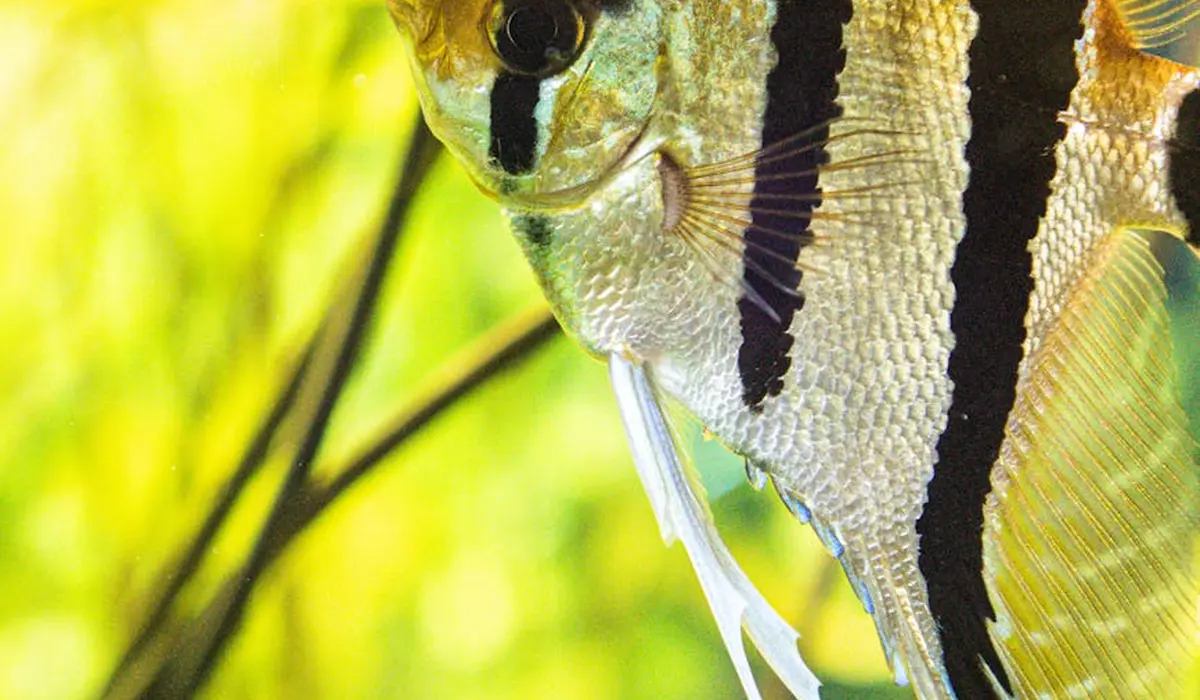
I’ve seen many beautiful tanks suffer from simple gas-exchange errors. Getting this wrong can turn your aquascape from a thriving ecosystem into a stressful environment in hours. The most critical mistake is assuming your plants will produce all the oxygen your fish need, especially during the night when the process reverses. They’re a classic pitfall in planted tank pitfalls. They’re one of the eight common mistakes that can turn a healthy tank into an algae farm.
Overdosing CO2: The Silent Killer
It’s tempting to crank up the CO2 to make plants pearl, but this is the fastest way to harm your fish. I learned this the hard way with my betta, Captain Fin, who became lethargic after I got overzealous with my new regulator.
- Symptom: Fish gasping at the surface, especially in the morning.
- Cause: CO2 levels are too high, displacing oxygen and lowering pH sharply.
- Fix: Install a drop checker. It gives a visual cue of your CO2 concentration. Aim for a lime green color, not yellow.
A sudden pH drop is a major red flag. Your tank’s pH can swing dramatically with CO2 injection, which is more stressful for fish than a consistently slightly acidic or alkaline environment. Test your water at the same time each day to understand your tank’s natural rhythm.
Neglecting Surface Agitation
This is the number one oversight for oxygen. A completely still water surface looks clean, but it creates a barrier that traps CO2 and prevents oxygen from entering.
- Position your filter output to create a gentle ripple across the entire surface.
- A surface skimmer is a fantastic dual-purpose tool that removes protein film and increases gas exchange.
- At night, consider a small air stone on a timer. The bubbles themselves don’t add much oxygen, but the surface disturbance they create is invaluable.
That gentle ripple is the lifeline of your tank, facilitating the vital gas exchange that keeps your fish breathing comfortably and your water parameters stable. You should be able to see a slight shimmer and movement at all times.
Mismatching CO2 and Light Intensity
Think of CO2, light, and fertilizers as a three-legged stool. If one leg is shorter, the whole thing tips over.
- High Light + Low CO2: This is an algae farm recipe. Your plants can’t use the intense light without ample CO2, so algae eagerly takes advantage of the unused resources.
- Low Light + High CO2: A waste of CO2 and money. Your low-light plants are maxed out on their growth potential and can’t utilize the extra carbon.
Balance is everything: aim for a fertilizer schedule and CO2 injection rate that directly supports your lighting period and plant mass. Start your CO2 diffuser about an hour before lights come on so it’s saturated when photosynthesis begins.
Forgetting the Fish’s Needs
We get so focused on plant growth that we forget who else lives in the tank. Fish like Goldie, my Oranda, and bottom-dwellers like Shadow, my Corydoras, have high oxygen demands.
- Fast-swimming fish and larger species need more oxygen than a slow-moving betta.
- Overstocking a high-tech CO2-injected tank is a recipe for disaster, as the biological load consumes oxygen rapidly.
- Warm water holds less dissolved oxygen than cool water. A tank at 80°F is far more susceptible to low-oxygen crises than one at 72°F.
Always prioritize the breathing requirements of your livestock over the aesthetic desires for maximal plant growth. A tank with healthy fish and slower-growing plants is always more successful than a lush tank with stressed inhabitants.
FAQs
Is CO2 the same as oxygen?
No, CO2 (carbon dioxide) and oxygen (O2) are distinct gases with different chemical compositions and roles in your aquarium. CO2 is primarily used by plants for photosynthesis, while oxygen is vital for fish respiration and bacterial processes. Understanding this difference is key to maintaining a healthy balance in your tank. In a planted tank, light drives photosynthesis and works with CO2 and nutrients to fuel plant growth. Balancing light, CO2, and nutrients helps manage plant health and oxygen levels for all inhabitants.
What is the difference in weight between CO2 and oxygen molecules?
CO2 has a molecular weight of approximately 44 grams per mole, while oxygen (O2) weighs about 32 grams per mole. This makes CO2 denser than air, which can influence how it settles in your tank if not properly diffused. However, in a well-circulated aquarium, water movement helps distribute both gases effectively for plant and animal needs. If you’re planning to add CO2 to your aquarium, follow a step-by-step guide to do it safely and effectively. A clear, structured approach helps maintain stable CO2 levels and protect your fish and plants.
How does the density of CO2 compare to oxygen in aquarium water?
CO2 is more soluble in water than oxygen, but its higher density doesn’t typically cause stratification in a properly agitated tank. Adequate surface agitation and water flow prevent CO2 from accumulating in low areas, ensuring both gases mix well. This promotes even access for plants and fish, supporting overall ecosystem stability.
What is an O2 sensor and how is it used in aquariums?
An O2 sensor is a device that measures dissolved oxygen levels in water, providing real-time data to help prevent hypoxia in your fish. It’s especially useful in high-tech planted tanks with CO2 injection, as it allows you to adjust aeration or CO2 rates based on accurate readings. Regular use can help you maintain optimal oxygen levels for livestock health and comfort.
Your Path to a Thriving Planted Tank
Focus on maintaining a stable CO2 level that supports plant growth without compromising oxygen for your fish. Use surface agitation from your filter or an air stone to ensure proper gas exchange and prevent low oxygen stress. This approach also helps improve water quality for a healthy aquarium. Healthy water supports thriving fish.
Responsible fish keeping means always prioritizing the health of your aquatic pets through careful observation and adjustment. Continue learning about water chemistry and fish behavior to build a beautiful, balanced aquarium that brings you joy. In our ultimate guide to aquarium territorial behavior, you’ll learn how to map territories and reduce aggression. These practical steps help maintain a peaceful, thriving tank.
Further Reading & Sources
- CO2 in Planted Aquariums: What Does It Really Do and Is It Natural? – Aquarium Co-Op
- Aquarium Gardens CO2 Set Up guide
- How to set up a CO2 system for the first time – The 2Hr Aquarist
- How to Set Up a CO2 System for Planted Aquariums the Easy Way – Aquarium Co-Op
- The Ultimate Guide To Using CO2 In The Planted Aquarium – AQUAPROS
Lia is an expert in aquarium and pet fish care. Having worked in the marine industry and having cared for multiple pet fish, she has acquired first hand expertise on aquarium care, maintenance and setup. She always brings her practical expertise and science to help solve any aquarium related queries.
Water Quality