
Fish Food Face-Off: Decoding Flakes, Pellets, and Gels for a Thriving Aquarium
Hello fellow fish keepers! Have you ever stared at the rows of fish food, wondering which type will truly keep your aquatic pals vibrant and healthy? Choosing the right food can feel overwhelming, but it’s the key to unlocking your fish’s full color and vitality.
This guide will walk you through the essentials, including:
- A direct nutritional comparison of flakes, pellets, and gels
- The specific pros and cons for different fish and situations
- Practical feeding tips to reduce waste and boost health
With years of hands-on experience breeding fish and managing complex planted tanks, I’ve fed thousands of meals to finned friends just like yours.
- ✓
- ✓
- ✓
- ✓
- ✓
- ✓

The Basics of Fish Nutrition
Think of your fish’s diet like a balanced meal for a top athlete. They need the right mix of building blocks and fuel to thrive. Getting their nutrition right is the single biggest factor you control for their long-term health and brilliant colors.
Protein acts as the fundamental building block for your fish’s body. It’s what repairs tissue, builds strong muscles, and powers growth in young fish. High-quality protein sources, like fish meal or shrimp, are like the bricks and mortar for a growing fish. Carnivorous fish, like my betta Captain Fin, need a much higher percentage than omnivores like Goldie. To make this practical, a complete feeding guide for bettas covers what to feed, how much, and how often. It also answers common questions like do betta fish eat and which foods best meet their protein needs.
Fats are the pure energy source, the powerhouse that keeps your fish swimming actively. They also help with vitamin absorption. Think of fats as the long-lasting battery that fuels everything from darting across the tank to developing healthy eggs. But just like with us, too much can be unhealthy.
Carbohydrates are a tricky one. Many fish process them poorly. They are often used as a cheap binder in foods. While a small amount is okay, a diet high in carbs can lead to digestive issues and fatty liver disease in fish. It’s a component to be mindful of on the ingredient list. Understanding fish nutrition means looking at fats, proteins, and carbohydrates as a whole. Different species need different balances for growth and health.
Vitamins and minerals are the unsung heroes. They support everything from a robust immune system to proper bone formation and nerve function. I see vitamins as the daily maintenance crew that keeps the whole system running smoothly and prevents breakdowns. A deficiency can cause faded colors, fin clamping, or increased susceptibility to disease.
Flake Foods: The Surface Feeder’s Favorite
Flake food is the classic choice for most aquarists, made by mixing ingredients into a slurry, cooking it on a hot drum, and then flaking it off. Its light, airy texture means it floats perfectly for fish like bettas, danios, and guppies who are hardwired to eat from the water’s surface. Common ingredients include fish meal, wheat flour, spirulina, and various vitamin mixes.
Pros of Flake Food
- Extremely easy to use; a simple pinch is all you need.
- Its floating nature is ideal for surface-feeding species.
- You can find it at virtually any store that sells pet supplies.
- Often comes in a wide variety of formulas for different fish types.
Cons of Flake Food
- It begins to break down and dissolve within minutes, releasing oils and particles that can cloud water and fuel algae.
- The processing and large surface area cause water-soluble vitamins to degrade much faster than in other forms.
- It’s not suitable for bottom-dwellers like my corydoras, Shadow, unless it gets waterlogged and sinks.
- It’s easy to overfeed because a “pinch” can be deceivingly large.
How to Store Flake Food Properly
- Keep the flakes in their original, airtight container.
- Store the container in a cool, dark place like a pantry or cupboard, far away from heat and light.
- Never dip wet fingers into the container, as moisture introduces mold and bacteria.
- Consider buying smaller containers more frequently to ensure your fish are getting the freshest, most nutrient-rich flakes possible.
Proper storage is a non-negotiable habit that locks in the vitamins and fats your fish rely on for their health and shimmer. An old, improperly stored tub of flakes is little more than fish junk food.
Pellet Foods: Nutrient-Dense and Versatile

Pellets are a major step up from flakes in terms of targeted nutrition. The main choice you’ll face is between floating and sinking varieties. Floating pellets linger on the surface, perfect for bettas, gouramis, and other top-feeders. Sinking pellets, including slow-sinking ones, descend through the water column like gentle rain, catering to mid-water and bottom-dwelling fish like corydoras and loaches. For bottom feeders like plecos and corydoras, proper feeding means offering small, sinking portions and removing leftovers to maintain water quality. In addition, rotate in veggie-rich sinking options to keep their diet balanced and stimulating.
- Floating Pellets: Stay on the water’s surface for an extended period.
- Slow-Sinking Pellets: Sink gradually, allowing mid-water fish to feed.
- Fast-Sinking Pellets: Quickly reach the substrate for bottom-feeders.
Pros of Pellet Foods
- The dense construction of pellets is easier for a fish’s digestive system to process compared to airy flakes.
- They create far less waste because they don’t disintegrate rapidly, leading to cleaner water.
- You can buy pellets formulated for specific fish, like cichlid sticks or tiny pellets for tetras.
- The hard exterior helps wear down the teeth of species like fancy goldfish.
Cons of Pellet Foods
- Some pellets can be too hard for fish with small mouths or delicate digestive systems.
- Strict surface feeders might ignore sinking food, and shy bottom dwellers may not compete for floating food.
- Low-quality pellets often use grain fillers like wheat as the first ingredient, which offers little nutritional value to carnivorous fish.
Getting the pellet size right is critical for both palatability and health. A pellet that is too large can be a choking hazard, while one that is too small might not be seen as food. Always choose a pellet size that is slightly smaller than your fish’s eye. Soaking very hard pellets in a small cup of tank water for a minute before feeding can soften them, making them easier for all fish to eat and digest.

Gel Foods: The Customizable Aquarium Diet
Gel food is like making a fresh, home-cooked meal for your aquarium. You start with a powdered base mix, add boiling water, and stir it into a thick paste that sets into a soft, gelatinous texture as it cools. This unique consistency is a game-changer for many species.
Pros of Gel Foods
- The high moisture content in gel food is fantastic for hydrating fish, which is especially beneficial for species that don’t drink water.
- You have complete control. You can blend in extra supplements, medications, or even pureed vegetables for your specific fish.
- Its soft texture is ideal for fry, picky eaters, and fish like loaches that have delicate mouths.
- It holds its shape in water for hours without disintegrating, allowing shy fish to graze at their own pace.
Cons of Gel Foods
- It requires preparation time; you can’t just shake it from a container.
- Once prepared, it has a short fridge life of about a week before it spoils.
- Overfeeding can cause the gel to break down and cloud your water, so feed small pieces.
- It can be messier to handle and store compared to dry foods.
A Simple DIY Gel Food Hack
You can easily make a nutrient-packed gel food at home. I use this recipe for my omnivorous community fish.
- Blend 1/2 cup of fresh spinach, a peeled pea, and a small cooked shrimp into a smooth puree.
- Mix this puree with 1/4 cup of a high-quality powdered fish food or unflavored gelatin base.
- Add 1/4 teaspoon of spirulina powder for an extra health boost.
- Slowly stir in 3 tablespoons of boiling water until it forms a thick pudding-like consistency.
- Pour it into an ice cube tray, let it cool, and then refrigerate. Feed one small cube at a time, and your fish will thrive on this fresh, whole-food diet.
Matching Food Type to Your Fish’s Lifestyle
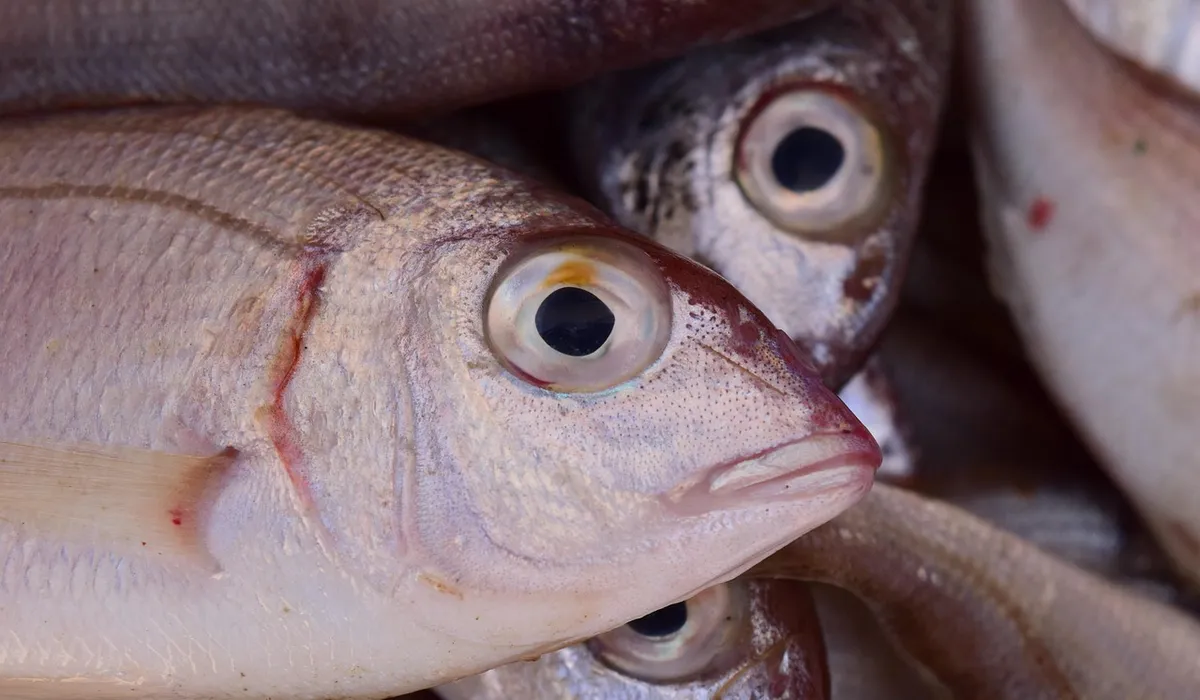
Choosing the right food isn’t just about ingredients; it’s about how your fish live and eat. You’ll see much better feeding responses and healthier fish when the food matches their natural behavior. Let’s break it down by where your fish spend their time.
Surface Feeders (Like Bettas and Gouramis)
These fish have upturned mouths designed to snatch insects from the water’s surface. My betta, Captain Fin, is a perfect example. He’ll aggressively strike at anything that lands on the top. Floating pellets are the gold standard for surface feeders, as they encourage natural hunting behavior. Flakes can work but often sink too quickly, forcing these lazy hunters to work for their meal. Gels are generally not ideal as they tend to sink.
Mid-Water Swimmers (Like Tetras and Rasboras)
This is the most common group in community tanks. They are agile and will feed throughout the water column. For these active schools, slow-sinking micro pellets or small flakes perfectly mimic their natural prey of drifting plankton. You want a food that disperses slightly, allowing the entire group to feed without competition. Gels can be a fun, occasional treat that they’ll pick at as it falls.
Bottom Dwellers (Like Corydoras and Loaches)
My corydoras, Shadow, would starve if I only used floating food. These fish are built to scavenge, with sensory barbels to find food in the substrate. You must use a sinking food, like dense pellets or algae wafers, that reaches the bottom quickly and intact. Flakes are a poor choice as they can disintegrate before sinking and foul the water. Sinking gel foods are also an excellent, highly digestible option for sensitive bottom-feeders. For fry and baby fish, the first foods are tiny and often live or micro-sized. A complete fry-feeding guide can help you navigate starting with those microfoods and progressing to appropriate sinking options as they grow.
| Fish Type | Flakes | Pellets | Gels |
|---|---|---|---|
| Surface Feeders (Bettas) | Good, but can sink too fast. | Excellent. Choose slow-sinking or floating varieties. | Poor. Typically not buoyant. |
| Mid-Water Swimmers (Tetras) | Excellent. Disperses for group feeding. | Excellent. Use micro-pellets. | Good as a supplement. Fun to watch them graze. |
| Bottom Dwellers (Corydoras) | Poor. Fouls water and is hard to find. | Excellent. Use sinking pellets or wafers. | Excellent. Highly palatable and sinks well. |
Beyond location, consider your fish’s mouth. A large Oscar needs a large pellet it can crunch, while a tiny Chili Rasbora needs nearly powdered food. Always select a food size that is easy for your fish’s specific mouth shape to consume. Observing your fish during the first few feedings with a new food will tell you everything you need to know.
Feeding Practices for a Thriving Tank
How you feed is just as critical as what you feed. Proper technique keeps your fish healthy and your water crystal clear.
Portion Control and Frequency
Overfeeding is the number one mistake in the hobby. It leads to obesity in fish and pollutes the water. A good rule is to feed only what your fish can completely consume in about two minutes. For most adult fish, this means feeding once or twice a day. Juveniles and fry need more frequent, smaller meals. If you see food settling on the bottom uneaten, you’ve fed too much.
- Prepare a tiny portion. It’s always better to underfeed slightly.
- Sprinkle or add the food gently to avoid startling fish.
- Set a timer for two minutes and watch your fish eat.
- If food remains after two minutes, siphon it out and feed less next time.
Water Quality and Food Impact
Different foods break down at different rates in your aquarium water. Low-quality flakes are notorious for disintegrating rapidly, releasing oils and particles that cloud water and spike ammonia levels. High-quality, stable pellets have a better feed conversion ratio, meaning more food is used by the fish and less becomes waste. Gel foods, being mostly water, can slightly dilute pollutants but can also make the water temporarily cloudy if overfed. To keep water safe for your fish, regularly test and monitor the tank’s essential parameters—ammonia, nitrite, nitrate, pH, and temperature. Early detection of any changes lets you adjust feeding and maintenance before problems arise.
Avoiding Common Nutritional Mistakes
Many aquarists focus only on protein and fat, ignoring the full spectrum of nutrients. Ignoring the mineral balance, especially for invertebrates like shrimp, can lead to failed molts and deaths. Similarly, vitamins degrade over time, so using old food or storing it in warm, bright places robs your fish of essential nutrients. Rotate between a few high-quality foods to ensure a broad nutritional profile and consider specific supplements for snails or shrimp.
- Do not rely on a single brand or type of food.
- Store food in a cool, dark, and dry place to preserve vitamins.
- Check expiration dates; old food loses its nutritional value.
- Add calcium-rich foods or supplements for crustaceans.
Observing Your Fish During Feeding
Feeding time is your best opportunity to check on the health of your aquarium. A sudden lack of interest in food is often the very first sign of stress or illness in a fish. Watch for fish that are struggling to eat, spitting food out, or being outcompeted by tank mates. This tells you if the food is palatable, the right size, and if your community dynamic is healthy. These symptoms are among the most common signs of stress in aquarium fish, often first noticed during feeding. Spotting them early gives you a chance to adjust feeding, tankmates, or water quality before problems escalate. The eager dash of your tetras or the focused foraging of your corydoras is a beautiful sign of a thriving tank.
Common Questions
What is the typical shelf life of flakes, pellets, and gels?
Dry foods like flakes and pellets typically last 6 to 12 months if stored properly in a cool, dark, and airtight container. Their nutritional value, especially water-soluble vitamins, degrades over time. Prepared gel food has the shortest shelf life and must be refrigerated, generally staying fresh for about one week before spoiling.
Which food type generally offers the best value for the cost?
Pellets often provide the best long-term value due to their high nutrient density and low waste, meaning you feed less for the same nutritional benefit. While flakes are cheap upfront, they can be less efficient and may foul water more easily. Gel foods offer excellent nutrition but require more effort and have a shorter shelf life after preparation. For aquarium snails, a balanced diet typically includes sinking pellets or algae wafers as a staple, with occasional greens as a supplement.
Can I mix different food types in my fish’s diet?
Yes, rotating between high-quality flakes, pellets, and gels is an excellent strategy to provide a varied and balanced diet. This approach ensures your fish receive a broad spectrum of nutrients and can help prevent nutritional deficiencies. Just be sure to adjust portion sizes accordingly to avoid overfeeding when offering multiple food types. If you’re balancing a busy schedule, an automatic fish feeder can help maintain consistent portions, while manual feeding offers more control and the chance to observe appetite cues and health.
What is the best food for a community tank with different fish species?
For a mixed community, a combination of food types often works best. You can use slow-sinking micro pellets or flakes for mid-water swimmers and specifically target bottom dwellers with sinking pellets or gel cubes. This method ensures all your fish, regardless of their feeding zone, have access to appropriate food, promoting better health and reducing competition.
Your Fish’s Feast: The Final Scoop
For a thriving tank, use high-quality pellets as a reliable staple food and supplement with flakes or gels to mimic a varied, natural diet. To identify the best food options for tropical fish, consider flakes, pellets, and other formats to match species and feeding habits. Observing how your fish eat—whether they are top, mid-water, or bottom feeders—is the single best way to choose the right food format for your specific aquarium.
The shimmer of healthy scales and the vibrant energy of your fish are the best rewards for your dedicated care. Your journey as a fish keeper is a continuous learning experience, so keep asking questions and refining your approach to create the best possible home for your aquatic pets. Improving aquarium water quality helps keep your fish healthy. Regular testing and mindful maintenance make this easier.
Further Reading & Sources
- How to Pick the Best Fish Foods That Aquarium Fish Can’t Resist
- How to choose the right fish food
- Aquarium fish feed – Wikipedia
- How To Choose The Right Aquarium Fish Food – Beginner’s Guide Ep: 36 – Bulk Reef Supply
- How to Choose and Feed Freshwater Aquarium Fish – Aquarium Connection
Lia is an expert in aquarium and pet fish care. Having worked in the marine industry and having cared for multiple pet fish, she has acquired first hand expertise on aquarium care, maintenance and setup. She always brings her practical expertise and science to help solve any aquarium related queries.
Feeding Guidelines