
Automatic Fish Feeder vs. Manual Feeding: Weighing the Options for a Thriving Tank
Hello fellow aquarists, have you ever missed a feeding time during a busy day or felt that pang of worry before a vacation? Finding the right feeding method can eliminate that stress and provide your fish with the reliable care they deserve.
This guide will walk you through the critical aspects of both approaches, covering:
- The surprising pros and hidden cons of automatic feeders
- Why manual feeding might still be your best bet
- How to set up either method for optimal fish health
- My top tips for blending both techniques in your routine
I’ve honed these insights over many years of running complex planted systems and successfully breeding sensitive fish like bettas and corydoras.
What Are Automatic and Manual Feeding Methods?
Let’s break down exactly what we’re talking about. Manual feeding is the traditional, hands-on approach where you personally add food to the tank, whether it’s a pinch of flakes for Captain Fin or a sinking wafer for Shadow. You are the sole provider, directly controlling the what, when, and how much of every meal.
Automatic feeding, on the other hand, uses a device to do the job for you. An automatic fish feeder is a small, battery-operated gadget that you mount to the rim of your aquarium and program to dispense food on a set schedule. Most use a rotating drum or a spinning disc to portion out dry foods like flakes, pellets, or granules with impressive consistency.
Automatic vs. Manual Feeding: Pros and Cons Compared
Choosing between these methods isn’t about which one is “better,” but which one is better for *your* lifestyle and your fish’s needs. Here’s a direct comparison to help you decide.
Automatic Fish Feeder: The Pros
- Consistent Schedule: Your fish get fed at the exact same times every single day, which is fantastic for reducing stress and establishing a healthy routine.
- Vacation & Busy Life Proof: It’s the ultimate solution for weekend trips or unpredictable work schedules, eliminating the need for fish-sitters for short absences.
- Portion Control: A well-calibrated feeder dispenses the same tiny amount each time, which drastically reduces the risk of overfeeding and the resulting water quality issues.
- Feeds Shy Fish: Timid bottom-dwellers like my corydoras, Shadow, often get more food because it’s dispensed whether the bold fish are at the surface or not.
Automatic Fish Feeder: The Cons
- Limited to Dry Food: You cannot use it for frozen, live, or gel foods that many fish, like bettas, thrive on. It’s strictly for dry diets.
- Risk of Mechanical Failure: Batteries die, mechanisms can jam, or humidity can cause food to clump and block the chute, leading to a missed feeding or a massive, dangerous dump of food.
- Less Bonding Time: You miss out on the daily interaction that helps fish like Captain Fin recognize you and become more personable.
- No Health Monitoring: You aren’t there to notice if a fish is lethargic, refusing food, or showing signs of illness during mealtime.
Manual Feeding: The Pros
- Diet Variety and Control: You can easily offer a rotational diet of flakes, pellets, frozen bloodworms, and blanched vegetables, tailoring meals to each fish’s specific needs.
- Stronger Human-Fish Bond: Your fish will quickly associate you with food, leading to more interactive and engaging pets. My betta, Captain Fin, will swim to the front glass the moment he sees me.
- Direct Health Checks: This is the biggest advantage. You are present to observe appetites, behaviors, and physical condition, allowing you to spot problems like swim bladder issues or fin rot early.
- Adaptable Portions: You can adjust the amount of food based on how actively the fish are foraging that day, something a machine can’t judge.
Manual Feeding: The Cons
- Inconsistent Timing: Life gets busy, and feeding times can become erratic, which can stress some species of fish.
- High Risk of Overfeeding: It’s incredibly easy to drop in that one extra pinch, which decays and spikes ammonia and nitrate levels, clouding your water and harming fish health.
- Reliance on Your Presence: You need a trusted plan for vacations or emergencies, which can involve training a friend or hiring a pet sitter.
- Potential for Human Error: Forgetting a feeding altogether is a real possibility, especially for beginners juggling a new hobby.
Best Practices for a Healthy Feeding Schedule
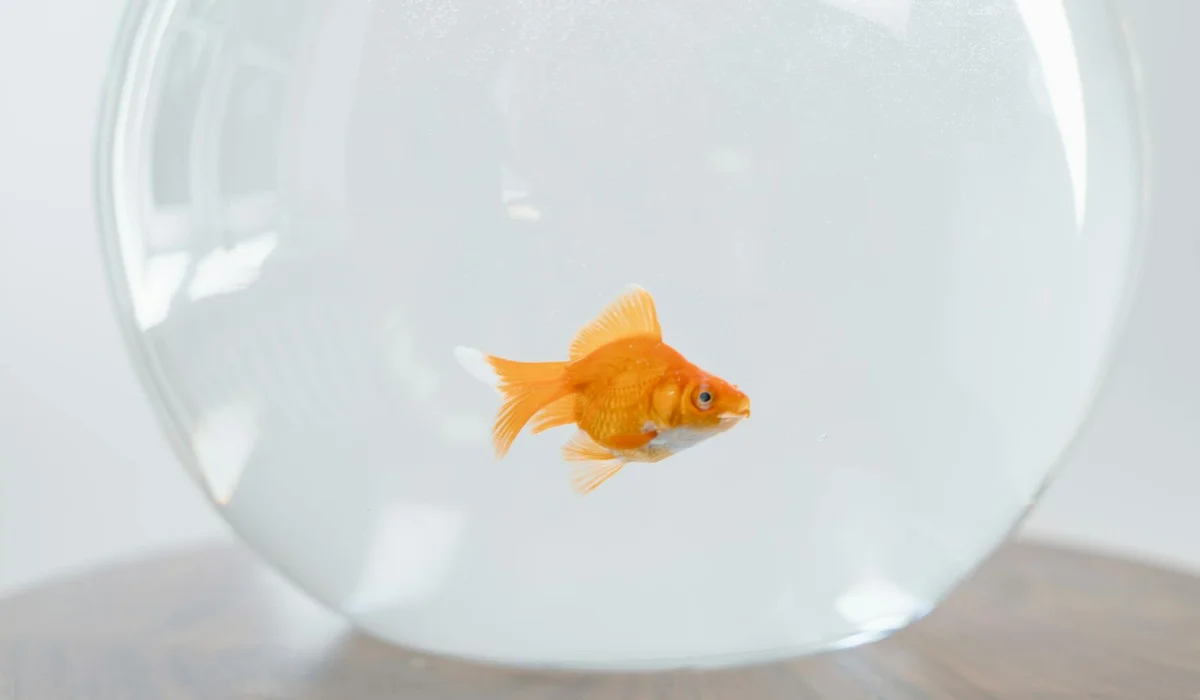
Creating a reliable feeding routine keeps your fish vibrant and your tank water crystal clear. Consistency is your best friend here, as it reduces stress and prevents water quality issues from overfeeding. In the complete guide on how often to feed your aquarium fish, you’ll find species-specific recommendations and practical schedules. This helps you tailor feeding to your tank and fish, reducing waste and stress. I’ve seen my own fish, like Captain Fin, perk up at the same times each day, which makes monitoring their health easier.
Tailor portions to what your fish can eat in about two minutes. Overfeeding is the top cause of cloudy water and algae blooms, so err on the side of less food rather than more. For Goldie, my Oranda Goldfish, I use sinking pellets to match her foraging style, while Shadow, the Corydoras, gets algae wafers after lights out.
- Feed adult fish once or twice daily; juveniles may need three smaller meals.
- Fast your fish one day a week to aid digestion and mimic natural cycles.
- Rotate food types-flakes, frozen, and live-for balanced nutrition.
- Observe fish behavior: if food is left uneaten, cut back on the amount.
Match feeding to your tank’s ecosystem. In planted tanks, I’ve found that slight underfeeding encourages fish to graze on biofilm, which supports a healthier balance. Overfeeding is a common cause of high ammonia. To fix it, remove leftovers promptly, vacuum the substrate, and run a partial water change. Always test water parameters weekly; a sudden ammonia spike often traces back to excess food decaying in the substrate.
How to Set Up and Use an Automatic Fish Feeder
An automatic feeder can be a game-changer for busy aquarists, but proper setup is key to avoid mishaps. Start by choosing a feeder with adjustable portion control to prevent over-dispensing food into the water. I learned this the hard way when my first feeder dumped too much for Captain Fin, leading to a quick water change.
- Mount the feeder securely on the tank rim, ensuring it’s level and stable.
- Fill the hopper with dry food like pellets or flakes; avoid moist foods that can clog.
- Program feeding times-typically dawn and dusk-to align with fish activity peaks.
- Set the smallest portion first, then increase gradually while watching for uneaten food.
- Run a test cycle over a bowl to check consistency before relying on it fully.
Integrate the feeder with your maintenance routine. Clean the feeder monthly with a soft cloth to prevent jams and ensure accurate dosing over time. For community tanks, I position it away from filters to distribute food evenly, so shy fish like Shadow get their share without competition. This ties into a beginner’s guide to fish health and tank maintenance. Clean feeding routines help minimize waste and reduce disease risk by keeping water cleaner.
Monitor the tank closely for the first week. Adjust settings based on how your fish respond; for example, Goldie’s hearty appetite might need slightly more than a betta’s delicate nibbles. The gentle whir of the feeder motor can become a reassuring part of your tank’s daily rhythm, but never let it replace regular check-ins on fish health and water clarity. During acclimation, watch for signs of stress as new fish adjust. If you notice rapid breathing, hiding, or a loss of appetite, slow changes and keep conditions stable.
Choosing the Right Feeding Method for Your Aquarium
Your choice between an automatic feeder and your own two hands depends entirely on your lifestyle and the specific personalities in your tank. An automatic feeder is a tool for consistency, not a replacement for your observation skills.
When an Automatic Feeder Shines
Consider an automatic feeder if any of these scenarios sound familiar:
- Your work schedule is unpredictable or involves frequent travel.
- You want to provide small, frequent meals for fish like Goldie the goldfish, who are constant foragers.
- You are feeding a species with very specific dietary needs that require multiple tiny feedings per day.
- You want to eliminate the “I forgot” or “my partner overfed” variables from your routine.
Sticking with Manual Feeding is Best When
Your direct involvement is the better option in these cases:
- You have a fussy eater like Captain Fin, my betta, who often prefers live or frozen food over pellets.
- Your tank houses bottom-feeders like Shadow the Corydoras, who need sinking wafers placed precisely near their hiding spots.
- You are treating fish for illness with medicated food that requires careful dosing.
- You are a new aquarist and that daily feeding ritual is your prime time to check on every fish’s health and behavior.
Here’s a quick comparison to help you visualize the best fit:
| Situation | Recommended Method | Reasoning |
|---|---|---|
| Frequent business trips | Automatic Feeder | Maintains a stable feeding schedule in your absence. |
| New aquarium keeper | Manual Feeding | Builds essential observation habits and a connection to the tank. |
| Tank with multiple diet types | Combination of Both | Use the auto-feeder for primary pellets, then manually supplement with specialty foods. |
| Breeding tank | Manual Feeding | Allows for precise control over food type and quantity for fry development. |
Feeding’s Role in Fish Health and Water Quality
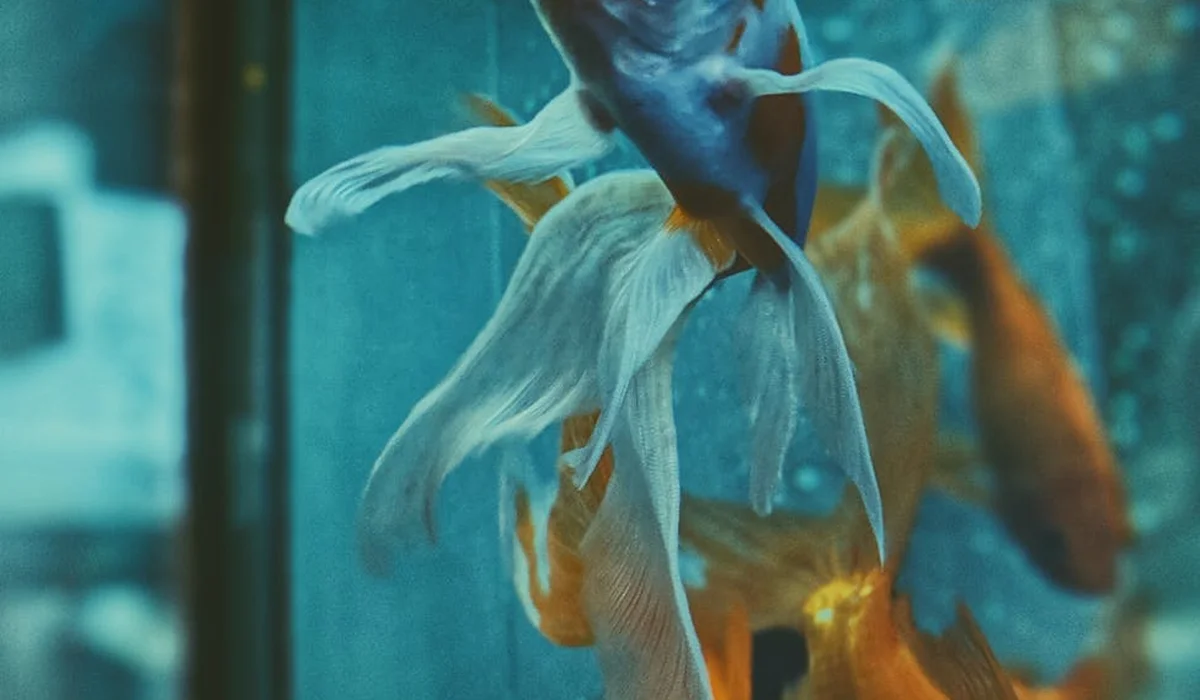
The food you provide doesn’t just vanish after your fish eat. Uneaten food is the single biggest contributor to poor water quality in a home aquarium. It decomposes, releasing ammonia and overloading your biological filter. Feed only what your fish can finish to improve water quality. Healthy water helps keep your fish healthy.
The Direct Link Between Food and Fish Health
What and how you feed directly impacts your fish’s vitality. I’ve seen it firsthand.
- Overfeeding leads to fatty liver disease and obesity, shortening a fish’s lifespan.
- Poor quality food lacks essential nutrients, leading to faded colors and a weakened immune system.
- Inconsistent feeding can cause stress, making fish like Shadow more reclusive and prone to illness.
A simple two-minute rule has never failed me: only offer an amount of food that your entire community can completely consume within two minutes. If you see leftovers, you know you’ve gone too far.
How Feeding Pollutes Your Water
Think of your aquarium as a small, closed ecosystem. Every flake that sinks to the gravel begins to rot.
- Decomposing food and fish waste produce ammonia (NH3), which is highly toxic.
- Your beneficial bacteria convert that ammonia into nitrite (NO2-), still very dangerous.
- Another batch of bacteria then converts nitrite into nitrate (NO3-), which is less harmful but must be controlled with water changes.
Overfeeding throws this entire nitrogen cycle out of balance. A sudden ammonia spike can happen in just a few hours, causing irreversible gill damage and stressing your entire tank. The water that was once crystal clear can turn cloudy almost overnight.
Proactive Practices for a Pristine Tank
You can enjoy feeding time without compromising your water.
- Implement one fasting day per week. This gives your fish’s digestive systems a break and allows your filter to catch up.
- If using an auto-feeder, always place a small dish or feeding ring underneath the dispenser to contain the food and prevent it from being swept into the filter intake.
- For manual feeding, soak dense pellet foods in a small cup of tank water for a minute before adding them. This prevents them from expanding in your fish’s stomach and makes them sink faster for bottom dwellers.
Observing the clarity of the water and the vibrant shimmer of your fishes’ scales after a proper feeding is one of the most rewarding parts of this hobby. Your feeding routine is the cornerstone of that success.
Common Questions
Can I use an automatic fish feeder for a very small tank?
Yes, you can use an automatic feeder for a small tank, but you must be extra diligent with portion control. Choose a model that allows for very fine adjustments to the serving size to avoid overfeeding, which can quickly pollute a small water volume. It is crucial to run several test cycles over a bowl first to ensure it dispenses just a few flakes or micro-pellets.
How do I install an automatic fish feeder on a tank with a lid?
Many automatic feeders are designed to clip onto the rim of the tank, and you can usually position them where the lid meets the tank’s edge. For a full hood, you may need to create a small, custom-cut opening to accommodate the feeder’s food chute. Always ensure the feeder is stable and that the lid still closes as securely as possible to prevent fish from jumping out and to reduce evaporation.
Do automatic fish feeders work well with flake food?
Automatic feeders can work with flake food, but it is one of the most problematic food types due to its light weight and susceptibility to moisture. Flakes can clump together in the hopper, leading to jams or a large, unintended dump of food. For best results, ensure the feeder’s mechanism is designed for flakes, keep the hopper lid tightly sealed, and place the feeder in a low-humidity area away from tank splashes.
Is an automatic feeder a good choice for a betta fish?
An automatic feeder can be suitable for a betta if you are away for a short period, but it has significant limitations. Bettas often thrive on a varied diet that includes frozen or live foods, which feeders cannot dispense. If you use one, program it to release a tiny amount of small, betta-specific pellets and always monitor your fish’s health and weight, as they are prone to overeating and obesity. For a complete feeding guide, see our Betta Feeding Guide. It explains how to balance pellets with frozen or live foods and how often to feed.
Finding Your Feeding Rhythm
For reliable, consistent meals during a busy week or a short vacation, an automatic feeder is a trustworthy helper. But nothing beats the control and connection of manual feeding for monitoring your fish’s appetite and health up close. If you’re planning a vacation, you may wonder: do you need to feed your fish while you’re away? Automatic feeders can cover that need, but you might still want to check in occasionally or have a backup plan in place.
Your commitment to learning and adapting is what truly keeps your aquarium thriving. In particular, a complete beginner’s guide to managing aquarium water parameters can demystify testing and adjustments for pH, ammonia, nitrite, nitrate, and temperature. Keep exploring fish care topics and water chemistry to become an even better guardian for your finned family.
Further Reading & Sources
- Automatic Cat Feeder vs. Manual Feeding: What’s Best for Your Cat?
- Automatic vs. manual feeding – which is better? – Calf Chat
- How does auto feed compare to manual feed in terms of efficiency and ease of use?
- Automated vs. Manual Pig Feeders: Which is Best for You?
- Manual or Automatic feeding? | Reef2Reef
Lia is an expert in aquarium and pet fish care. Having worked in the marine industry and having cared for multiple pet fish, she has acquired first hand expertise on aquarium care, maintenance and setup. She always brings her practical expertise and science to help solve any aquarium related queries.
Feeding Guidelines