
Do You Need to Feed Your Fish While on Vacation? Automatic Feeders & Proven Strategies
Published on: August 28, 2026 | Last Updated: August 28, 2026
Written By: Lia Annick
Hello fellow fish keepers! That thrill of planning a trip often crashes into worry when you glance at your tank, wondering how your fish will eat without you. You’re right to think about it-managing meals during a getaway is a universal fish-keeping challenge.
This guide cuts through the confusion with clear, actionable steps. I’ll cover:
- How long your specific fish can actually go without food safely
- Selecting and setting up an automatic feeder without hiccups
- Simple, low-cost DIY feeding hacks for short trips
- Critical tank prep to keep water pristine in your absence
- Spotting when to call a trusted friend instead of relying on gadgets
I’ve navigated this very dilemma for years while maintaining complex planted tanks and breeding sensitive species, so my advice comes from real trial and error.
The Truth About Fish and Vacation Fasting
Let’s tackle the big worry head-on: the image of your fish staring hungrily at an empty tank. I’ve been there, feeling that guilt before a trip. But the reality is often surprising: A healthy, well-fed adult fish in an established tank can handle a short fast better than a feeding mishap from a well-meaning neighbor.
How Long Can Healthy Fish Go Without Food?
This depends entirely on your tank’s residents. A one-size-fits-all answer doesn’t work in our diverse hobby.
- Most Adult Tropical Fish (Tetras, Gouramis, Corydoras): 5-7 days is generally safe. Your tank has natural microfauna-tiny critters in the substrate and on plants-that become a supplemental buffet.
- Bettas (like Captain Fin): 5-7 days is also fine. Their labyrinth organ lets them breathe air, but they’re prone to obesity. A short fast can be a reset.
- Goldfish (like Goldie): This is trickier. They are cold-water fish with fast metabolisms and produce a lot of waste. While they can go 5-7 days, water quality deteriorates quickly from their fasting waste. I’m cautious with goldfish past 5 days.
- Juveniles, Fry, or Newly Acquired Fish: These guys need regular meals. If your tank has babies or sick fish recovering, fasting is not the best option.
When Skipping Meals is Actually Beneficial
Believe it or not, a planned fast can be a tool for better health. I schedule a one-day fast every week in my community tanks to mimic natural foraging cycles and let digestive systems rest.
It helps prevent constipation, especially in fish like bettas and fancy goldfish. It also reduces organic waste loading, giving your biological filter a slight breather. For a short trip of 3-4 days, leaving your fish unfed is often the simplest, lowest-risk choice.
Your Automatic Fish Feeder Deep Dive
For trips longer than a week, or if you have those hungry juveniles, an automatic feeder brings peace of mind. The gentle hum of its motor becomes a welcome sound.
How Automatic Fish Feeders Work
Most are beautifully simple. A hopper holds dry food. A battery-powered motor turns a drum with portion compartments at set intervals, dropping food into the tank. The key to success isn’t the gadget’s complexity, but your precision in setting it up and testing it thoroughly.
Setting Up Your Feeder: A Step-by-Step Test Run
Never mount a new feeder and immediately leave town. Run a full test for at least 3-5 days.
- Mount it Securely: Ensure it’s clamped firmly to the tank rim or a stable stand. A dropped feeder is a disaster.
- Program the Schedule: Set it for the same times you normally feed. Consistency reduces fish stress.
- Dial in the Portion: This is critical. Use the smallest setting and increase gradually. Collect the dropped portion on a dry paper towel to measure it.
- Observe the Fall Zone: Make sure food lands in an open water area, not directly into a filter intake or a dense thicket of plants.
For Tanks with Lids
You’ll likely need to create a dedicated access hole. I use a drill with a hole saw bit, but you can also use sturdy scissors for glass lids with plastic frames. Cover any gap between the feeder and the lid with waterproof tape to prevent moisture from creeping up into the food hopper and causing clumps.
For Small Tanks and Bettas
Small tanks are the most sensitive to overfeeding. Use a feeder designed for nano tanks with micro-portions. For bettas, ensure the pellet size is appropriate. I’ve found that placing a small dish or betta leaf near the water surface underneath the drop point helps keep pellets from scattering and makes it easier for them to find.
Feeder Food: Pellets vs. Flakes
Your choice of food directly impacts the feeder’s reliability and your water quality.
- Pellets are the Superior Choice: They are consistent in size, resist humidity clumping, and provide precise portion control. Sinking micro-pellets are fantastic for community tanks with bottom dwellers like Shadow.
- Flakes are Problematic: They can clump in the hopper, creating a jam or a large, soggy dump. They also degrade water quality faster. If you must use flakes, mix them with pellets to improve flow, and never fill the hopper more than halfway.
No matter what food you use, always include a small packet of silica gel desiccant in the hopper to absorb ambient moisture and keep the food dry and free-flowing.
Pre-Vacation Tank Prep Checklist
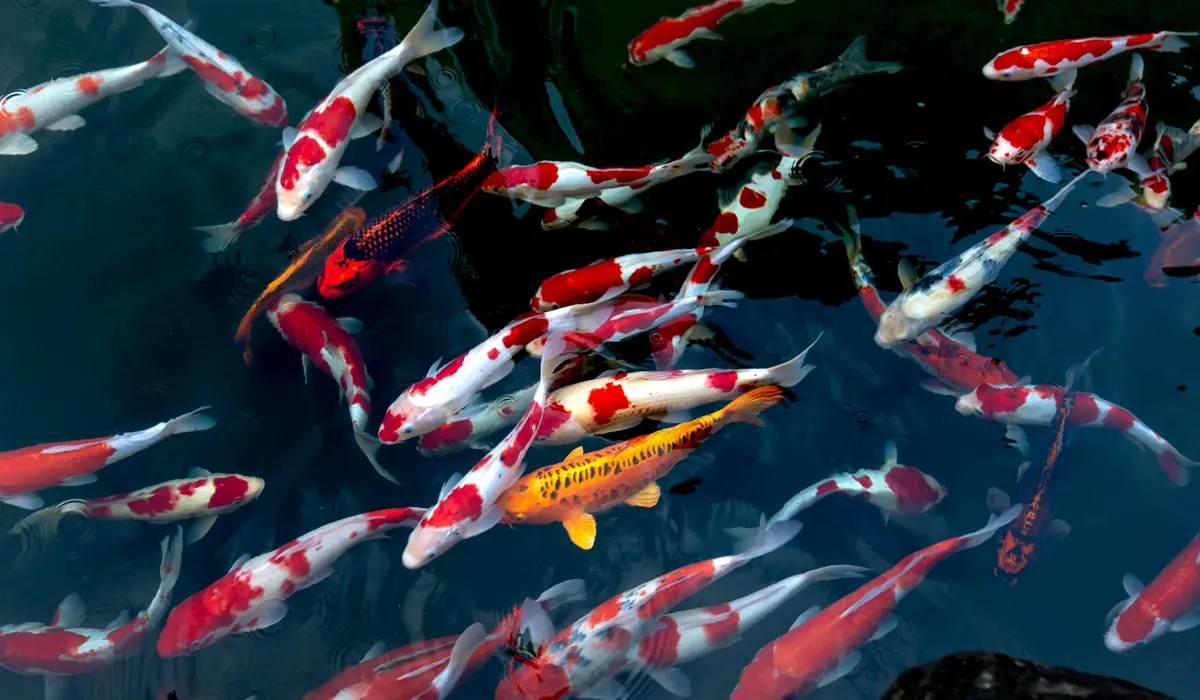
A successful vacation starts with preparation at home. Think of this as getting your tank’s house in order before you leave it to run on autopilot. A well-prepped tank is a stable tank, and stability is the ultimate goal for any absence.
The Essential Water Change
Perform a 40-50% water change one to two days before you leave. This is not the time for a small top-up. You are actively resetting the water quality by removing nitrates, phosphates, and other dissolved organics. A large, fresh water change is the single most effective thing you can do to give your fish a clean, stable environment while you’re away. Match temperature and use a water conditioner. Add the new water slowly to avoid sudden changes in temperature, pH, or dissolved gases. If possible, use a drip method or a slow-flow pour to minimize stress and avoid shocking your fish.
Test your water parameters after the change. You want to see zero ammonia, zero nitrite, and nitrate under 20 ppm. This pristine starting point gives you the biggest buffer against any gradual decline in water quality over your trip.
Equipment Health Check
Your equipment must be dependable. A failure while you’re gone is a disaster. Run through this list three days before departure:
- Filter: Rinse media pads or sponges in old tank water (never tap water) to clear debris without killing beneficial bacteria. Check impellers for unusual noise.
- Heater: Visually inspect for any cracks or mineral buildup. Confirm it’s maintaining the correct temperature by monitoring it over a 24-hour period.
- Lids & Covers: Ensure they are secure. This prevents evaporation from lowering your water level too much and is a critical step for jumpers like many bettas.
- Lights: Plug them into a simple, reliable timer. Consistent photoperiods reduce fish stress and combat explosive algae growth.
Final Touch: Algae and Light Control
In the days before you go, manually remove as much algae as you can from the glass and decorations. This removes a food source for new algae blooms. Take a moment to clean algae from the rocks and other decorations as well. This helps ensure surfaces stay clearer and less prone to regrowth. Set your tank light timer for a shorter photoperiod, about 6-8 hours maximum, to dramatically slow algae growth in your absence. A dark tank is a calm tank for fish, and they won’t mind the extra “night” time.
Do not fertilize live plants for the week before you leave. You want them to use up existing nutrients, not have excess that algae can exploit. Trim any overgrown stems to keep water flow optimal.
Tailored Vacation Feeding Plans by Fish Type
Feeding is not one-size-fits-all. A betta’s needs differ wildly from a goldfish’s, and a community tank requires a balanced approach. When choosing tank mates, pick compatible fish whose temperaments and care needs align with your setup. This compatibility helps prevent stress and aggression, letting your fish thrive. Your fish’s biology dictates the safest plan.
Betta Fish Vacation Care
Bettas, like my Captain Fin, are labyrinth fish with a slow metabolism. They are prone to overfeeding and constipation. For trips under 7 days, a healthy adult betta is best left completely unfed. They will be fine. I’ve done this many times with no issues. Want a complete feeding guide? It explains what bettas eat, portion sizes, and how to plan fasting days.
For longer trips of 7-14 days, you must provide food. An automatic feeder with a tiny, pre-portioned setting is ideal. Test it for a week to ensure it doesn’t jam or over-dispense. Vacation feeder blocks are a poor choice for bettas as they can foul the water quickly in their typically smaller tanks.
Goldfish and Fancy Goldfish Guidance
Goldfish like Goldie are perpetual foraging machines with a high waste output. Their vacation plan prioritizes water quality. For trips up to 5 days, consider a light fast. A short fast is often healthier for goldfish than risking a massive ammonia spike from decaying food in an unattended tank.
For longer absences, a high-quality automatic feeder is a necessity. Set it to dispense a very small amount of food once per day, only what they can consume in 30 seconds. For bottom-dwelling fish like plecos and Corydoras, use sinking pellets or wafers that the feeder can dispense near the substrate. This helps ensure they receive nutrition even when you’re away and keeps waste from building up in the water. Never use a “weekend” feeder block; they dissolve too fast and create a polluted mess that fancy goldfish, with their delicate constitutions, cannot tolerate.
Community Tropical Fish Schedule
A tank with tetras, corydoras like Shadow, and other small tropicals needs a steady, minimal hand. These fish are accustomed to daily feeding but handle short fasts well.
- 1-4 Days: Do not feed. They will pick at biofilm and microfauna.
- 5-10 Days: Use an automatic feeder. Portion out a tiny amount of their primary flake or micro-pellet food. This is the most reliable method.
- 10+ Days: An automatic feeder is mandatory. Consider asking a trusted friend for a mid-trip check, not to feed, but to ensure the feeder is working and the equipment is running.
For community tanks, I always choose a programmable automatic feeder over dissolving blocks, as they offer precise control and don’t cloud the water or alter pH unpredictably.
Choosing Your Fish Care Strategy
Picking the right approach depends on your trip length, your tank’s complexity, and your peace of mind. Your goal is to maintain that crystal-clear water and happy, shimmering fish without constant supervision. Let’s break down the three most reliable paths to keeping your fish tank healthy while you’re away.
Option 1: The Fully Automated Tank
This is my go-to for any trip over five days. A truly automated system combines a dependable feeder with timers for your lights and perhaps even an auto-top-off unit for evaporation. It mimics your daily routine, keeping the ecosystem in balance.
For a planted community tank around 78°F, I program the feeder for two tiny meals daily and set the lights for a steady 8-hour photoperiod. This consistency prevents stress-induced algae blooms and keeps fish like Captain Fin, my betta, from flaring at shadows.
- Core Components: Automatic feeder, digital light timer, reliable heater with a guard.
- Best For: Tech-comfortable aquarists, longer absences (1-2 weeks), sensitive species that need stable conditions.
- Water Chemistry Tip: Perform a 25% water change and test parameters (aim for 0 ammonia, 0 nitrite, <20 ppm nitrate) right before you leave.
Option 2: Enlisting a Fish-Sitter
A good fish-sitter is gold, but a misinformed one can cause a nitrate spike overnight. You must be brutally specific: overfeeding is the number one danger from even the most well-meaning helper.
I pre-portion food daily doses into labeled pill containers or small bags. This physical limit stops your sitter from dumping in “just a little extra” for Goldie the goldfish, who will always act starving.
- Choose someone detail-oriented, not just available.
- Create a one-page cheat sheet with emergency contacts, your vet’s number, and clear feeding instructions.
- Do a live walkthrough, showing how to check the filter’s hum and the heater’s indicator light.
Option 3: Simple DIY Solutions for Short Trips
For a long weekend, most adult fish are perfectly fine without food. Fasting for two to three days can actually improve water clarity and give a fish’s digestive system a healthy reset.
If you’re uneasy about fasting, a simple DIY feeder can work. I’ve used a clean, plastic pill organizer with tiny holes poked in the compartments, filled with a day’s food each, and floated it on the surface.
- Warning: Commercial “weekend feeder” blocks can dissolve quickly, fouling the water in small tanks under 10 gallons.
- Best Practice: Only use DIY methods for trips of 3 days or less, and always test the setup for a day before you rely on it.
- For Bottom Feeders: Drop in a few extra algae wafers for your corydoras like Shadow; they’ll graze on them slowly.
Selecting and Troubleshooting Your Automatic Feeder
Not all automatic feeders are created equal. Picking the right model and testing it thoroughly is the difference between coming home to vibrant fish and a cloudy tank disaster. Choose the best feeder for your needs to ensure your aquatic pets are well-fed even when you’re away.
Key Features for Different Aquariums
Match the feeder to your tank’s specific needs. A feeder for a 5-gallon betta tank needs much finer portion control than one for a 55-gallon cichlid community. In an ideal betta tank setup, aim for a compact, stable 5-gallon or similar enclosure. Pair this with precise feeding to maintain clean water and a healthy betta.
- Small Tanks (5-20 gallons): Look for feeders with a small, adjustable opening to prevent over-dispensing flakes. Battery-powered, compact models work well.
- Large Tanks (40+ gallons) or Multiple Tanks: Choose a feeder with a large hopper capacity and/or multiple programming channels. Plug-in power with battery backup is ideal.
- For Sticky Foods: If you use granular or small pellet food, ensure the feeder has an anti-clogging agitator. Humidity is the enemy.
Common Feeder Problems and Fixes
Even the best feeder can fail if you don’t anticipate these issues. I learned about moisture the hard way when a humid summer day caused my feeder to jam solid.
Here’s how to tackle frequent headaches:
- Problem: Food Jamming. Fix: Always store your feeder’s hopper in a cool, dry place. Add a silica gel desiccant packet inside the hopper with the food.
- Problem: Dead Batteries. Fix: Install brand new batteries right before your trip. Better yet, use a model that plugs into AC power but has battery backup.
- Problem: Inconsistent Portion Sizes. Fix: Run the feeder over a paper towel for a full week before departure. This shows you exactly how much food it drops each time.
Final Pre-Departure Run-Through
Do this checklist 48 hours before you walk out the door. This calm trial run catches problems while you’re still there to fix them.
- Secure the feeder firmly to the tank lid or stand so vibrations can’t knock it loose.
- Verify all other equipment: filter flow rate, heater temperature (set to 78-80°F for tropicals), and light timers.
- Conduct a final water test. Ammonia and nitrite must be zero, and nitrate should be low.
- Trim any overgrown plants to reduce decaying organic matter while you’re gone.
- Place your fish-sitter guide and emergency numbers in a visible spot, even if you’re using automation.
## Common Questions
What should I look for in an automatic feeder for a very small tank or betta?
For nano tanks and bettas, precision is everything. Choose a feeder specifically designed for micro-portions to prevent dangerous overfeeding, which can quickly foul a small volume of water. Ensure the food chamber can reliably dispense your betta’s specific pellet size, and always run a multi-day test using a dry paper towel to measure the exact portion dropped.
How do I safely use an automatic feeder on a tank with a full hood or glass lid?
You will need to create a dedicated access hole for the feeder’s dispensing chute. Carefully cut or drill an opening in the plastic or glass frame, ensuring it’s just large enough for the food to fall through. Crucially, seal any gaps between the feeder and the lid with waterproof tape to prevent humid tank air from rising into the hopper and clumping the food.
Can I use an automatic fish feeder for an outdoor pond?
Yes, but you must select a model built for outdoor use, designed to be weatherproof and secure against pests. Mount it on a stable post or ledge, protecting it from direct rain and wind. For ponds, a feeder with a large hopper and robust programming is ideal to handle larger food portions and potentially longer vacation periods.
Is it okay to put flake food in an automatic feeder?
It is generally not recommended, as flakes are prone to clogging the mechanism and can clump together due to humidity, leading to inconsistent feeding or a complete jam. If you must use flakes, mix them with dry pellets to improve flow, never fill the hopper more than halfway, and include a silica gel packet inside to absorb moisture.
Setting You Up for Success
For most vacations, a pre-trip feeding and a clean tank are all your fish need, but investing in a reliable automatic feeder or a simple feeding block brings real peace of mind for longer getaways. The single best thing you can do is a full practice run of your chosen method while you’re still home to watch it work. If you’re wondering how often you should feed your aquarium fish, our complete guide covers species-specific needs and vacation feeding tips. It also explains how to adjust portions during longer trips.
Being a great fish keeper means always looking for ways to better understand the silent world in your tank. Staying curious about their needs makes the hobby more rewarding and keeps your aquatic pets thriving for years to come.
Further Reading & Sources
- Fish Feeders
- Moultrie Automatic & Directional Fish Feeders
- Automatic Pond & Lake Fish Feeders For Sale
- North 40 Outfitters
- Amazon.com: Automatic Fish Feeder
Lia is an expert in aquarium and pet fish care. Having worked in the marine industry and having cared for multiple pet fish, she has acquired first hand expertise on aquarium care, maintenance and setup. She always brings her practical expertise and science to help solve any aquarium related queries.
Feeding Guidelines