
The Aquarist’s Conscience: Your Guide to Ethically Stocking Your Tank
Hello fellow fish keepers. That moment in the fish store is magical, but a quiet question often nags: “Where did this beautiful creature actually come from?” You’re not just choosing a pet; you’re making a choice that ripples through entire ecosystems.
This guide will help you navigate those murky waters with confidence, covering:
- How to spot the difference between a reputable breeder and an irresponsible source.
- The real impact of wild-caught versus captive-bred fish on their natural habitats.
- Practical questions you can ask your local fish store to hold them accountable.
- Recognizing the subtle signs of stress and poor health that reveal a fish’s troubled past.
I’ve spent years cultivating thriving aquariums and breeding fish, learning these lessons through both success and hard-won experience.
What Does Ethical Fish Sourcing Really Mean?
Ethical sourcing is about knowing the journey your fish took before it arrived in your home. It’s the story behind the shimmer in the water. You are not just buying a pet; you are casting a vote for a specific set of practices with your wallet.
At its heart, ethical sourcing prioritizes the health of the individual fish, the sustainability of wild populations, and the overall welfare of the aquatic ecosystem. It means your new finned friend wasn’t a casualty of its own capture.
The Three Pillars of an Ethical Purchase
- Sustainable Collection: Wild fish are collected using methods that don’t destroy their habitat, like coral reefs. Think hand-netting over cyanide or dynamite fishing, which stuns fish but poisons the entire environment.
- Humane Treatment: From the moment of capture to the store tank, the fish experiences minimal stress. This includes proper holding facilities, careful transport with correct water parameters, and adequate acclimation at every stop.
- Supporting Conservation: Your purchase should support businesses that invest in the long-term health of the hobby and the natural world, not just short-term profit.
You can often feel the difference when you walk into a store that sources ethically; the tanks are cleaner, the fish are active and alert, and the staff can actually tell you about the fish’s origin. That clarity of information is a wonderful sign.
Captive-Bred or Wild-Caught: Which Path Should You Choose?
This is one of the biggest questions you’ll face. I’ve kept both, and each has its place, but one option is almost always the better choice for the average aquarist.
For 90% of home aquarists, captive-bred fish are the most ethical and practical choice you can make. They are acclimated to life in an aquarium from birth, which means they are hardier and less prone to the shock of transition. For a community tank, choose compatible, captive-bred species that share your water parameters and temperament.
The Case for Captive-Bred Fish
- Hardiness: Bred in water similar to your tap water, they handle typical home aquarium conditions far better than their wild cousins.
- Disease Resistance: They are less likely to arrive with hidden parasites or illnesses common in wild populations.
- Predictability: You know their adult size, temperament, and dietary needs with much greater certainty.
- Conservation: Choosing captive-bred puts zero pressure on wild ecosystems. You get vibrant color morphs developed over generations.
When Wild-Caught Might Be Your Only Option
Some fish, like certain types of wild discus, altum angelfish, or many delicate marine species, are nearly impossible to find as captive-bred. If you must choose a wild-caught specimen, your responsibility as an aquarist increases tenfold. You need to be prepared for a more sensitive animal and a rigorous quarantine process. Additionally, never release aquarium plants or animals into the wild. Even small releases can become invasive, disrupt local ecosystems, and spread disease.
I learned this the hard way with a beautiful wild-caught cardinal tetra years ago. Despite my best efforts, it never thrived like my captive-bred school. The hum of the filter seemed to stress it in a way it never did for the others.
A Quick Comparison
| Factor | Captive-Bred | Wild-Caught |
|---|---|---|
| Hardiness | Very High | Variable, Often Low |
| Impact on Wild Populations | None | Can be Significant |
| Availability of Species | Common Species & Color Morphs | Rare & Unique Species |
| Initial Cost | Generally Lower | Generally Higher |
| Long-Term Care Difficulty | Easier | More Demanding |
My personal rule is to only consider a wild-caught fish if I have a species-specific tank set up to mimic its exact natural habitat and I have a reliable, transparent supplier. For a peaceful community tank, captive-bred is the clear path for your conscience and your success. Weighing wild-caught versus captive-bred fish is about ethics as well as practicality. Choose with ecological impact, welfare, and source transparency in mind.
Understanding Fish Sourcing Certifications and Standards
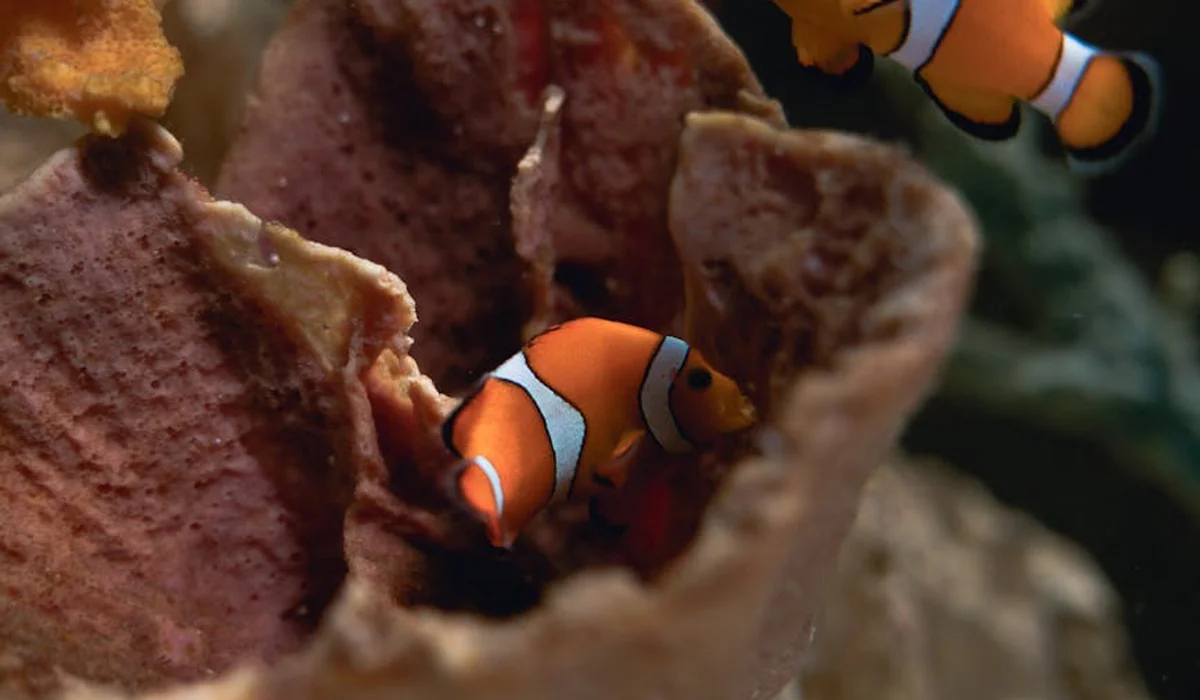
Walking into a fish store, it’s easy to feel overwhelmed by the wall of tanks. But behind the shimmer of scales lies a complex supply chain. Knowing where your fish come from is the single most powerful step you can take toward ethical fishkeeping. It separates hobbyists who simply own fish from those who truly steward an aquatic ecosystem.
Key Certifications for Responsible Aquatics
Certifications are like report cards for the industry. They give you a quick, reliable way to gauge a supplier’s practices. Look for these labels and ask about them.
- Marine Aquarium Council (MAC) Certification: Primarily for saltwater fish and corals, this is a gold standard. It ensures fish are collected using non-destructive methods, like hand nets, and are handled properly from reef to retail. A MAC-certified fish has a much higher survival rate.
- Ornamental Aquatic Trade Association (OATA) Membership: While not a certification on individual fish, an OATA-member supplier adheres to a strict code of practice. I always feel more confident buying from an OATA member because their entire operation is committed to animal welfare and sustainable sourcing.
- Aquaculture Stewardship Council (ASC): You’ll see this more on food fish, but it’s becoming relevant for certain farmed ornamental species. It certifies that farmed fish are raised with minimal environmental impact and good social responsibility.
- Breeder’s Choice (A Hobbyist Standard): This isn’t an official label, but a mindset. Many of the healthiest, most vibrant fish I’ve owned came from local breeders. Choosing a locally-bred fish dramatically reduces transport stress and supports the hobby’s sustainability directly.
How to Verify Certification Claims
Anyone can say their fish are “sustainably sourced.” A responsible seller will be proud to prove it. Don’t be shy about asking for details.
- Ask for Documentation: A legitimate supplier will have certificates or invoices from certified collectors or farms. They should be able to explain their chain of custody.
- Check for Physical Labels: Look for tags on tanks or stickers on the glass that specify the certification. If they’re not displayed, ask why.
- Research the Store Online: Visit the store’s website. Ethical businesses typically highlight their partnerships and sourcing policies front and center.
- Trust Your Eyes: Certifications are fantastic, but they aren’t a substitute for observation. A certified fish in a dirty, overcrowded tank is a major red flag that the store might not be upholding the standard in practice.
How to Identify an Ethical Fish Store
The hum of powerful filters and the smell of clean water are the first good signs. An ethical store is a healthy environment, and that care is reflected in every detail.
- Clean, Clear Tanks: Tanks should be free of excessive algae and debris. The water should be crystal clear, not cloudy or yellowed.
- No Dead or Dying Fish: While a rare loss can happen in any system, seeing multiple dead fish across several tanks indicates poor husbandry and a lack of daily care.
- Appropriate Stocking Levels: Tanks should not be overcrowded. Fish should have room to swim naturally without constantly bumping into each other.
- Healthy, Active Fish: Look for fish with erect fins, vibrant color, and no visible sores or spots. They should be alert and responsive, not listless or gasping at the surface.
- Knowledgeable, Candid Staff: The staff should be able to answer your questions about a fish’s origin, adult size, and temperament. I value a store that refuses a sale over making a bad one, like stopping someone from putting a common pleco in a 10-gallon tank.
Questions to Ask Before You Buy
Arming yourself with a few key questions turns you from a passive buyer into an informed advocate. A good store will welcome these questions.
- “Where is this fish from? Is it wild-caught or captive-bred?”
- “How long has this fish been in your store’s system?” (A longer quarantine period is better).
- “What is the full adult size and temperament of this species?”
- “Do you have a specific sourcing policy for your fish and corals?”
- “Can you tell me about the diet and water parameters this fish is currently on?”
A trustworthy store will see these questions as a sign of a dedicated aquarist and will be happy to engage. If you get vague answers or defensiveness, it’s a clear signal to take your business-and your conscience-elsewhere.
Your Role in Building a Sustainable Fish Trade
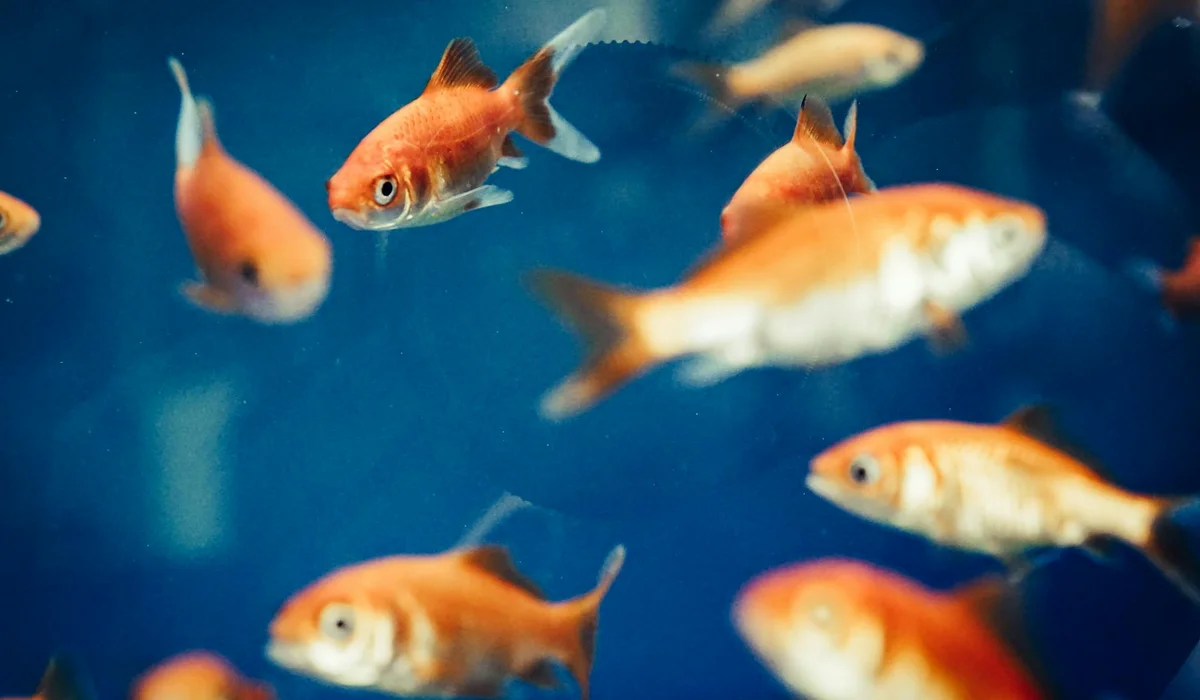
Supporting Conservation Through Your Choices
Every fish you purchase is a vote for the practices that brought it to you. Your buying decisions directly influence which collection and breeding methods suppliers will continue to use. It’s a powerful responsibility, but also a fantastic opportunity to be a force for good.
Prioritizing captive-bred fish is one of the most impactful choices you can make. I almost always choose captive-bred for common species like neon tetras, angelfish, and most livebearers. This takes pressure off wild populations and their delicate ecosystems. For beginners, the easiest freshwater fish are often captive-bred and hardy. They tend to tolerate beginner mistakes and a range of water conditions. Captive-bred fish are often hardier and better adapted to life in an aquarium, which means a smoother experience for you and a healthier life for them.
When you do seek out wild-caught specimens, do your homework on the supplier. Look for those who partner with conservation projects or are transparent about their collection areas and methods. Supporting vendors who use non-destructive techniques, like hand-catching instead of cyanide fishing, helps protect coral reefs from irreversible damage. The extra few dollars you spend are an investment in the hobby’s future.
- Ask Questions: Don’t be shy! Ask your local fish store where their fish come from. Your curiosity shows there’s demand for ethical sourcing.
- Choose Captive-Bred: For many species, this is the single best way to ensure your hobby isn’t harming natural environments.
- Support Certifications: Look for and ask about certifications like the Marine Aquarium Council (MAC) certification for marine fish.
- Breed Your Own: Consider breeding easier species like guppies or corydoras. It’s rewarding and reduces the need for commercial supply.
Ethical Acclimation and Care for New Fish
Setting Up a Quarantine Tank
Bringing a new fish home is exciting, but the most ethical thing you can do is slow down. Skipping quarantine is the number one mistake I see, and it often leads to disaster. A quarantine tank isn’t just an extra box of water; it’s a crucial safety net that protects your entire established community. It’s a non-negotiable part of responsible fish keeping. To put this into practice, set up a quarantine tank before introducing new fish. A simple quarantine setup lets you observe health and treat any issues away from your main tank.
You don’t need a fancy setup. A simple 10-gallon tank with a basic sponge filter and a heater is perfect. I keep one running at all times, seeded with media from my main filter so it’s always ready for newcomers. The goal is to provide a stable, sterile environment where you can observe the new fish for signs of illness without the stress of competition or established tank pathogens. For proper fish quarantine, you need dedicated equipment for that tank—separate sponge filter and heater, plus clean nets and equipment to avoid cross-contamination. A compact quarantine setup makes it easier to manage health checks and water changes without risking the rest of your aquarium.
- Set Up the Tank: Use a simple tank (5-20 gallons depending on fish size), a heater set to the correct temperature (78°F is a good standard for most tropical fish), and a gentle sponge filter. No substrate is needed, but a PVC pipe or clay pot provides a hiding place to reduce stress.
- Acclimate Properly: Float the bag to equalize temperature, then slowly add small amounts of your tank water to the bag over 30-45 minutes. This gradual introduction prevents pH shock, a common killer of new fish.
- Observe and Treat: Keep the fish in quarantine for at least 2-4 weeks. Watch for flashing, clamped fins, rapid breathing, or spots. I always do a preventative treatment for parasites as many are present even on healthy-looking fish.
- Introduce to Main Tank: After the quarantine period, use the same slow acclimation process to introduce the fish to your main display tank.
This process requires patience, but it’s the best way to ensure a new fish is healthy and won’t introduce disease. Watching a new fish thrive after a careful quarantine is one of the most satisfying feelings in the hobby. You’ve given them the best possible start in their new home. A proper quarantine of new fish prevents disease from spreading to established tank mates. Isolating newcomers for a period and monitoring for symptoms keeps your tank healthy.
Common Questions
What is ethical fish sourcing?
Ethical fish sourcing means prioritizing the welfare of the fish, the sustainability of wild populations, and the health of aquatic ecosystems. It involves choosing fish that were collected or bred using methods that minimize stress, avoid habitat destruction, and support long-term conservation. Essentially, it’s about knowing and approving of the journey your fish took before arriving in your aquarium.
Why is ethical sourcing important for the aquarium hobby?
Ethical sourcing is crucial because your purchasing decisions directly impact wild ecosystems and animal welfare. By choosing ethically sourced fish, you help discourage destructive collection practices and support businesses that invest in the hobby’s future. It also often results in healthier, hardier fish that are better suited for life in a home aquarium, leading to a more successful and rewarding experience for you. If you ever need to rehome a fish, following a guide to responsible fish rehoming helps ensure unwanted pets are placed in appropriate homes. Responsible rehoming is part of ethical stewardship for the hobby.
What is a fish ethical sourcing certification?
A fish ethical sourcing certification is an independent verification that a fish was collected or farmed according to specific welfare and sustainability standards. These certifications, like the Marine Aquarium Council (MAC) label, assure that the fish was caught using non-destructive methods and handled properly throughout the supply chain. They act as a reliable guide for aquarists who want to make responsible choices.
How can I verify a store’s claims about ethical sourcing?
You can verify these claims by asking the store for documentation, such as certificates from certified collectors or farms. Look for physical labels on the tanks and research the store’s sourcing policies on their website. A trustworthy store will be transparent and proud to provide this information, while vague answers or an inability to show proof are significant red flags.
Your Path to Responsible Fishkeeping
Start your aquarium journey by always sourcing fish from reputable, transparent breeders who prioritize animal welfare and sustainable practices. Matching your tank’s size, water parameters, and community dynamics to your fish’s natural needs is the foundation of a thriving, ethical aquarium.
Treat fishkeeping as a lasting commitment that grows with your knowledge and dedication to your pets’ well-being. Stay engaged with the community and continue learning about water chemistry and species-specific care to ensure your aquarium remains a healthy, vibrant ecosystem.
Further Reading & Sources
- AqAdvisor – Intelligent Freshwater Tropical Fish Aquarium …
- Stocking of an Aquarium
- Stocking guidelines | UK Aquatic Plant Society
- Welfare and Ethics in Aquatic Collections
- Aquarium Stocking | Tropical Fish Hobbyist Magazine
Lia is an expert in aquarium and pet fish care. Having worked in the marine industry and having cared for multiple pet fish, she has acquired first hand expertise on aquarium care, maintenance and setup. She always brings her practical expertise and science to help solve any aquarium related queries.
Fish Species