
The Real Price Tag of a 55-Gallon Aquarium: Your First-Year Financial Dive
Hello fellow aquarists, that initial excitement of choosing a 55-gallon tank can quickly turn to sticker shock when you start adding up all the extras. You’re not just buying a glass box; you’re building a living, breathing ecosystem, and its true cost is often a well-kept secret.
This guide pulls back the curtain, giving you a transparent, line-by-line look at what you’ll actually spend. We’ll cover:
The complete equipment list beyond the tank and filter
How your electricity and water bills will be affected
The ongoing price of food, water conditioners, and test kits
Budgeting for fish, plants, and unexpected vet visits
Proactive maintenance costs that prevent expensive disasters
I’ve navigated these financial waters for years while running complex planted systems and breeding delicate fish.
Breaking Down Your Initial Equipment Investment
Filtration System: The Heart of Your Tank
The gentle hum of a good filter is the sound of a healthy tank. This is your single most important purchase. Choosing the right filter directly impacts water clarity, fish health, and how much maintenance you’ll be doing each week.
Here are the common filter types for a 55-gallon tank:
- Hang-on-Back (HOB) Filter: A popular, user-friendly choice. Average cost: $50 – $120. Annual media (cartridges, carbon, biomax) replacement: $30 – $60.
- Canister Filter: My personal favorite for a 55-gallon. Superior mechanical and biological filtration. Average cost: $150 – $300. Annual media replacement: $40 – $80.
- Sponge Filter: Excellent for fry tanks or supplemental filtration. Very affordable. Average cost: $20 – $40 (including air pump). Media is the sponge itself, which you rinse and reuse for years.
Follow these steps to choose your filter:
- Determine the tank’s total water volume (55 gallons).
- Look for a filter rated for at least 4 times the tank volume per hour. For a 55-gallon, aim for 220 Gallons Per Hour (GPH) or more.
- Consider your livestock. Heavily stocked tanks or messy fish like goldfish need the extra power of a canister filter.
- Think about maintenance. HOBs are easier to clean quickly, while canisters require a bit more effort for a deeper clean.
Heating and Lighting: Climate Control for Your Fish
Your tropical fish rely on you to recreate their natural climate. A steady temperature prevents stress and disease, while the right light makes your aquascape pop and your plants thrive.
For heaters, the rule of thumb is 3-5 watts per gallon. A 55-gallon tank needs a 200-300 watt heater. I always recommend using two smaller heaters (e.g., two 150-watt) instead of one large one. This provides a safety net; if one fails, the other can maintain a safe temperature while you replace it. A good submersible heater costs between $40 and $80.
Lighting has shifted almost entirely to LED technology.
- LED Lights: Higher upfront cost ($100 – $300) but last for years and use very little electricity. They produce less heat and are fantastic for plant growth.
- Fluorescent Lights: Lower initial price ($50 – $150) but bulbs must be replaced every 12-18 months to maintain spectrum, adding to long-term cost.
| Equipment | Wattage | Daily Cost* | Annual Cost* |
|---|---|---|---|
| Canister Filter | 20W | $0.06 | $21.90 |
| 300W Heater (Cycles On/Off) | ~75W Avg. | $0.23 | $83.95 |
| LED Light Fixture | 40W | $0.12 | $43.80 |
*Estimate based on 10 cents per kWh, 12 hours of light daily, and heater runtime varying with room temperature.
Substrate and Decor: Building a Home Base
This is where your tank gets its personality. Substrate isn’t just decoration; it’s home to beneficial bacteria and a rooting medium for plants. Choosing the right substrate is essential for maintaining a healthy aquarium.
Substrate options and costs for a 55-gallon tank:
- Basic Gravel: Inexpensive and easy to clean. You’ll need about 55-65 pounds. Cost: $25 – $60.
- Pool Filter Sand: A very cheap and natural-looking option. Rinse it thoroughly! Cost for 100 lbs: $15 – $25.
- Planted Aquarium Substrate: Specially formulated with nutrients for root-feeding plants. More expensive but a game-changer for a planted tank. Cost for 20-30 lb bags: $80 – $200.
Your fish need places to hide, explore, and establish territories, which drastically reduces their stress levels. Here is a list of essential decor items:
- Driftwood or Spiderwood (1-2 large pieces)
- Aquarium-safe rocks like Seiryu Stone or Dragon Stone
- Live or Silk Plants (avoid sharp plastic plants, especially with fish like bettas)
- Potential caves or terracotta pots for shy bottom-dwellers like Corydoras
Calculating Recurring Operating Expenses
Electricity Usage: Powering Your Aquatic World
That shimmering underwater world does have a power bill, but it’s probably less than you think. Let’s demystify the calculation.
You can easily estimate your tank’s annual electricity cost with a simple formula, giving you complete control over your budget.
Follow these steps:
- Find the wattage of each device (it’s on the label).
- Convert watts to kilowatts (kW) by dividing by 1000. (Example: 50W / 1000 = 0.05 kW)
- Multiply kW by the hours you run the device each day.
- Multiply that result by your cost per kilowatt-hour (kWh), found on your electricity bill (the US average is about $0.15).
- Multiply the daily cost by 365 for an annual total.
Example for a 50W filter running 24/7:
(50W / 1000) = 0.05 kW
0.05 kW x 24 hours = 1.2 kWh per day
1.2 kWh x $0.15 = $0.18 per day
$0.18 x 365 days = $65.70 per year
Water Treatment and Testing: Keeping Things Crystal Clear
Tap water is safe for us but contains chlorine and chloramines that are toxic to fish. Consistent water treatment is non-negotiable. Understanding the difference between chlorine and chloramine helps explain why both may need removal. We’ll cover how to safely remove both from tap water.
Your essential consumables shopping list:
- Water Conditioner: Neutralizes chlorine/chloramines. A bottle for a 55-gallon tank costs $10-$20 and lasts 6-12 months.
- Liquid Master Test Kit: Far more accurate than test strips. Tests for pH, Ammonia, Nitrite, and Nitrate. A kit is about $35 and lasts over a year.
- Algae Control: A magnetic glass scraper ($15) is your best tool. Algae-inhibiting solutions can cost $15-$20 per bottle.
- Fertilizers: If you have live plants, expect to spend $20-$40 every few months on liquid or root fertilizers.
Sticking to a regular maintenance schedule is the cheapest form of health insurance for your fish. Here is a simple routine:
- Weekly: Test water parameters. Change 25-30% of the tank water (about 15 gallons for a 55-gallon tank). Vacuum the substrate to remove waste.
- Monthly: Gently rinse filter media in old tank water you removed during a water change. This preserves the beneficial bacteria. Inspect equipment for wear.
- Every 6 Months: Replace chemical filter media like carbon or purigen if you use it. Check and replace heater or filter impellers as needed.
Stocking Your Tank: Fish, Plants, and Livestock Costs
Freshwater vs. Saltwater: A Cost Comparison
The choice between a freshwater or saltwater tank is the single biggest financial decision you’ll make after buying the tank itself. I always recommend beginners start with freshwater; the initial investment is far lower and the margin for error is much more forgiving. You can find a detailed comparison of freshwater and saltwater aquariums to help you decide which is best for beginners.
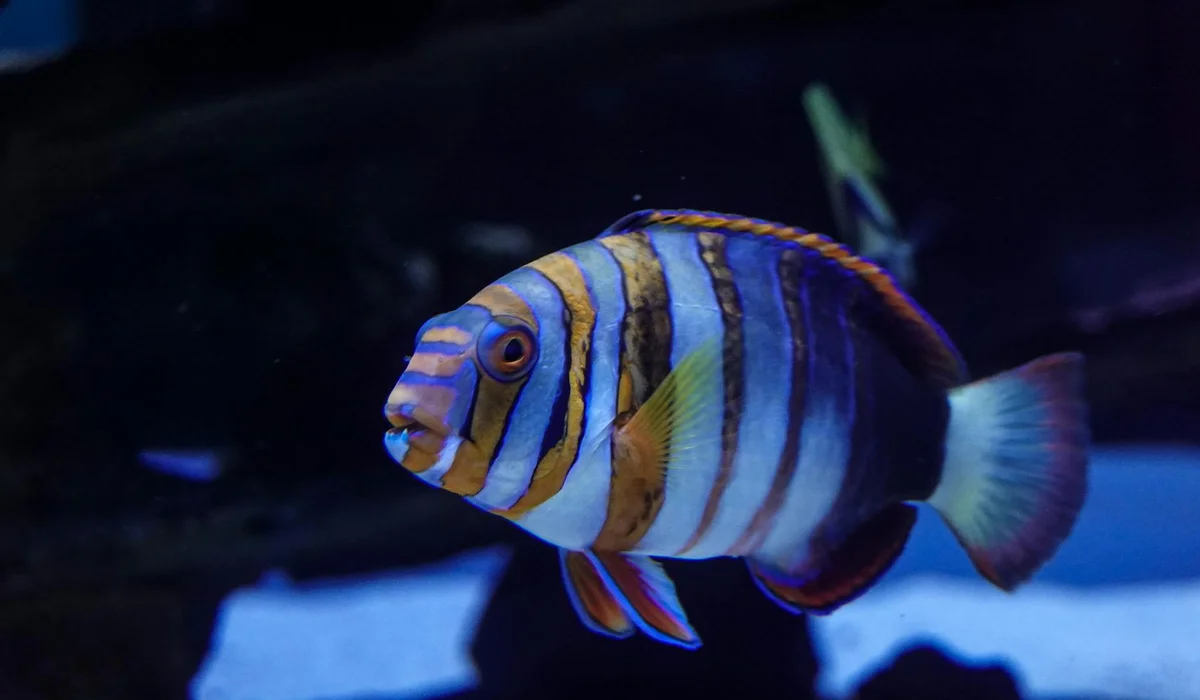
Saltwater fish and corals are often wild-caught, requiring intricate shipping and holding periods that skyrocket their price. A single, stunning saltwater fish can easily cost what you’d spend to stock your entire 55-gallon freshwater community. This begs the question: how does the cost of a saltwater setup compare with a freshwater one? We’ll break down upfront and ongoing costs to help you decide.
- Freshwater Common Species: Neon Tetra ($3-$4), Corydoras Catfish ($5-$8), Platy ($4-$6), Dwarf Gourami ($8-$12), Bristlenose Pleco ($10-$15).
- Saltwater Common Species: Ocellaris Clownfish ($40-$60), Royal Gramma ($40-$50), Cleaner Shrimp ($30-$40), Firefish Goby ($30-$40). A single beginner-friendly coral like a Zoanthid colony can start at $50.
The real long-term difference lies in ongoing care; saltwater requires pricier salt mixes, more potent filtration, and relentless water parameter stability. The key differences in water chemistry—salinity and mineral balance—drive those care needs. A single minor fluctuation in a saltwater tank can be devastating, while a freshwater tank offers more resilience.
Live Plants and Algae Control: Adding Natural Balance
I consider live plants non-negotiable for a healthy 55-gallon tank. They aren’t just decoration; they are a functional part of your filter system, competing with algae for the very nutrients that cause green water and slimy surfaces. Find out more about the benefits of live plants in your aquarium.
A well-planted tank can cut your algae scraping time in half. You’ll spend less on chemical algae removers and enjoy a more natural, stable environment where your fish truly thrive. Proper algae control starts with a well-planted tank.
Starting a planted tank is simpler than it looks. Here’s how to do it right.
- Choose Beginner-Friendly Plants: Start with hardy species like Java Fern, Anubias, or Amazon Sword. These cost between $8 and $15 per plant and are difficult to kill.
- Prepare Your Substrate: If you’re using inert gravel, add root tabs ($10 for a pack of 10) near the base of root-feeding plants. They act like little nutrient power packs.
- Plant Carefully: For plants like Java Fern, don’t bury the rhizome (the thick green stem where leaves grow out). Instead, attach it to driftwood or a rock with cotton thread or super glue gel.
- Add Liquid Fertilizers: Once a week, add a comprehensive liquid fertilizer ($15-$20 per bottle, lasts months) after your water change. This feeds the water-column feeders and keeps all your plants vibrant.
This initial investment of $50-$100 in plants and fertilizers will pay for itself in reduced maintenance and a dramatically healthier aquarium. You’ll see your fish, like my Corydoras Shadow, become more active and confident with the extra cover.
Maintenance and Replacement Parts: Handling Wear and Tear
Filter Media and Replacement Bulbs: Upkeep Essentials
Your filter and lights are the workhorses of your aquarium, but their parts don’t last forever. Planning for their replacement prevents a sudden crash of your tank’s ecosystem.
Filter media is the heart of your biological filtration. Never replace all of it at once, as this throws out the beneficial bacteria you’ve worked so hard to cultivate. Instead, rinse sponges in old tank water during a water change and replace chemical media like carbon or purigen on a schedule. Replacement frequency depends on media type. Chemical media like carbon or purigen is typically refreshed every 2–4 weeks, while biological media is left in place unless it becomes clogged or deteriorates.
- Filter Media: Replacement foam blocks ($10-$15) and chemical media bags ($10) should be replaced every 4-6 weeks for optimal chemical filtration, but the biological media (ceramic rings, bio-balls) should last for years.
- Light Bulbs/Tubes: Even if they still turn on, the spectrum of your aquarium light degrades over time. Replace fluorescent T5HO bulbs every 12 months and LED units every 5-7 years. A new set of T5HO bulbs runs about $50-$70.
A good rule of thumb is to budget around $150 annually for these consumable parts to keep your water crystal clear and your plants growing vigorously. You’ll know it’s time when your light looks dimmer or your water develops a slight yellow tint.
Unexpected Costs: Planning for the Unplanned
Every seasoned aquarist has a story about an unexpected expense. A heater sticks on and cooks the tank. A fish shows signs of ich. A powerhead dies overnight. Setting aside a small “aquarium emergency fund” is the smartest thing you can do for your peace of mind.
Medications are a common unplanned cost. A quality ich treatment or antibacterial medication will cost $15-$25. It’s far better to have it on hand than to watch a disease spread while you wait for a shipment.
Use this checklist to prepare for your tank’s annual upkeep and surprises.
- Quarantine any new fish in a separate, simple tank to prevent disease outbreaks.
- Keep a spare heater and air pump in your supply closet. A basic 100-watt heater costs about $25.
- Test your water parameters weekly with a liquid test kit. Catching a problem early is always cheaper than fixing a disaster.
- Budget for an annual deep clean, which might include replacing tubing or cleaning impellers you don’t touch during regular maintenance.
By anticipating these costs, you transform potential panic into a simple, manageable part of your hobby. This proactive approach saves money, and more importantly, it saves the lives of your aquatic pets.
Pulling It All Together: Your Total Annual Cost Breakdown
Summarizing Expenses: From Utilities to Stocking
Let’s tally up the numbers so you can see where your money goes each year in a 55-gallon setup. Knowing these costs upfront helps you plan better and avoid surprises that could strain your budget. I’ve based this on my own experience running multiple tanks, using average prices for common supplies and energy rates.
| Category | Estimated Annual Cost | Notes |
|---|---|---|
| Equipment Replacements | $50 – $100 | Covers filter media, air stones, and heater replacements; spread out over time to ease the hit. |
| Utilities (Electricity) | $60 – $120 | Depends on your local rates; a filter and heater running 24/7 add up, but efficient models cut this. |
| Maintenance Supplies | $100 – $200 | Includes water conditioners, test kits, algae scrapers, and fish food; bulk buying saves here. |
| Stocking (Fish/Plants) | $50 – $150 | For new additions or replacements; start with hardy species to reduce losses and costs. |
| Total Estimated Annual Cost | $260 – $570 | This range reflects a well-maintained tank; skimping can lead to higher costs from fish health issues. |
Budgeting tip: I set aside $20-$40 each month in a dedicated fund, so when replacement time comes, it doesn’t feel like a big expense. Tracking your spending in a simple notebook or app makes it easier to spot trends and adjust your habits. Always prioritize water quality items like dechlorinator and test kits-they’re non-negotiable for a thriving tank.
Smart Savings Tips: Cutting Costs Without Compromise
You can trim expenses without sacrificing your fish’s health or the tank’s beauty. Small changes in your routine add up to big savings over a year, letting you enjoy the hobby without financial stress. Here are my top energy-efficient and DIY practices that I use in my own aquariums.
- Switch to LED lighting-they use less power and last years longer than traditional bulbs, reducing your electric bill and replacement frequency.
- Make your own filter media by cutting aquarium-safe sponge to fit; it’s reusable and costs a fraction of brand-name cartridges.
- Use a timer for lights to mimic natural day cycles, which prevents overuse and algae growth, saving on electricity and cleaning supplies.
- Prepare homemade fish food with blanched vegetables and gelatin; it’s nutritious and cheaper than processed options, but research your fish’s dietary needs first.
- Perform regular water changes with a Python-style gravel vacuum to remove debris; this simple step avoids costly treatments for water quality issues down the line.
I’ve found that keeping up with weekly maintenance prevents emergencies that drain your wallet. Consistency in care is the real secret to a budget-friendly aquarium that stays crystal clear and full of life. Test your water parameters often to catch problems early, and you’ll spend less on fixes later. Checking out essential maintenance tasks and their frequency can help you stay on track.
## Quick Answers
What is the most expensive part of running a 55-gallon aquarium?
The most significant ongoing expense is typically the electricity for the heater, especially in colder climates. Following that, the recurring costs for maintenance supplies like water conditioners, test kits, and filter media add up consistently throughout the year. Budgeting for these operational costs is crucial for long-term success.
Is a 55-gallon tank more expensive to maintain than a smaller one?
Generally, yes, a 55-gallon tank will have higher operational costs than a smaller aquarium. It requires a more powerful heater and filter, leading to a slightly higher electricity bill. You will also use more water conditioner and other supplies during larger weekly water changes.
How much will my water bill increase with a 55-gallon tank?
Your water bill will see a minor increase based on your weekly water changes. For a 55-gallon tank, a 25-30% weekly change uses about 15 gallons of water, totaling around 780 gallons per year. The actual cost impact is usually low, but it depends on your local water rates.
What is the single best way to save money on aquarium costs?
The most effective way to save money is through consistent, proactive maintenance. Performing weekly water changes and testing your water prevents major health issues and equipment failures that lead to large, unexpected expenses. Investing in reliable equipment from the start also avoids costly replacements down the line.
Your Investment in a Living Ecosystem
Plan for a significant initial setup cost and a consistent monthly budget for supplies to keep your 55-gallon tank thriving. Even on a budget under $100, you can still craft a stunning display on a budget by prioritizing essentials and affordable decor. Smart budgeting and DIY options help keep costs down while maintaining a healthy environment. The most predictable expense is your time, dedicated to weekly maintenance and observing your aquatic pets.
View these costs not as a burden, but as the foundation for a healthy, beautiful habitat for your fish. Stay curious, keep learning about water chemistry and fish behavior, and your aquarium will reward you with years of tranquil beauty.
Further Reading & Sources
- Aqueon Standard Glass Aquarium Tank 55 Gallon | Petco | 55G Fish Tank, 55Gal Fish Tank, 55 Gallon Aquarium, 55 Gallon Tank Dimensions
- r/Aquariums on Reddit: Price range for selling 55 gallon fully equipped fish tank
- Aquariums: 55-210 gal.
- Fish Tanks Aquariums 55 Gallon
- How much is a 55 gallon fish tank? – FishTankBank
Lia is an expert in aquarium and pet fish care. Having worked in the marine industry and having cared for multiple pet fish, she has acquired first hand expertise on aquarium care, maintenance and setup. She always brings her practical expertise and science to help solve any aquarium related queries.
DIY Projects