
Integrated Pest Management for Aquariums: Your Blueprint for a Pest-Free Tank
Published on: February 21, 2026 | Last Updated: February 21, 2026
Written By: Lia Annick
Hello fellow fish keepers, I see you staring into your aquarium, spotting a tiny snail or a patch of algae where it shouldn’t be. That moment of discovery can send a shiver down any aquarist’s spine, but a reactive panic isn’t your only option.
This guide lays out a proactive plan to manage pests, covering:
- Identifying the most common aquarium invaders
- Building your first line of defense with quarantine
- Employing natural predators for biological control
- Adjusting tank conditions to discourage outbreaks
- Implementing safe, targeted treatments when needed
My advice is grounded in years of hands-on experience maintaining complex planted systems and breeding sensitive fish.
Understanding Integrated Pest Management
Integrated Pest Management, or IPM, is a smart, layered strategy that focuses on preventing problems before they start. Instead of reaching for chemicals at the first sign of trouble, IPM encourages you to build a resilient tank environment where pests are less likely to take hold. I think of it like a well-trained immune system for your aquarium-it uses a combination of good habits, biological controls, and only as a last resort, targeted treatments.
In my own tanks, like the one housing Captain Fin, I’ve seen how a sudden snail outbreak can stem from overfeeding. IPM taught me that managing pests begins with controlling the food source, not just removing the pests themselves. This approach saves you time, money, and stress while protecting your fish from harsh side effects. Knowing what causes these infestations is the first step to preventing them.
You’ll use methods like quarantining new plants, maintaining perfect water parameters, and introducing natural predators. A key part of IPM is regular monitoring—the gentle hum of your filter should be the only surprise in a well-managed tank. Regular tests help you monitor essential water-quality parameters—ammonia, nitrite, nitrate, pH, temperature, and dissolved oxygen. Catching shifts early lets you adjust care before problems affect your Goldie. By staying proactive, you keep the water clear and your fish, like the ever-foraging Goldie, thriving without constant interventions.
Identifying Common Aquarium Pests
Freshwater Aquarium Pests
In freshwater setups, pests often sneak in on plants or decor. Early identification is your best defense against an infestation that can cloud your water and stress your fish. Here are some frequent offenders:
- Pest Snails: Like bladder or ramshorn snails, these reproduce quickly. I once found them hitching a ride on plants for Shadow’s hiding spots; their gelatinous egg clusters are a telltale sign.
- Algae Types: Hair algae forms green, fuzzy strands, while green spot algae appears as hard dots on glass. Both thrive in nutrient imbalances, often from excess light or overfeeding.
- Planaria: These flatworms have a distinct arrow-shaped head and can harm shrimp or small fish. Spotting their slimy trails on the glass means it’s time to act.
- Hydra: Tiny, tentacled creatures that sting and capture prey; they often appear in tanks with high organic waste.
Saltwater Aquarium Pests
Saltwater systems face unique invaders that can disrupt coral health and water clarity. Many saltwater pests, like aiptasia, can spread rapidly if not caught early, turning your reef into a battleground. Keep an eye out for these common issues:
- Aiptasia: These anemones look harmless but sting corals and multiply fast. Their translucent bodies and retractable tentacles make them tricky to spot.
- Bristle Worms: While some are beneficial, overpopulations can harm corals. Their bristly segments and nocturnal habits mean you might only see them at night.
- Cyanobacteria: Often called “red slime algae,” it forms slimy mats that smother surfaces and indicate poor water flow or nutrient buildup.
- Flatworms: These can be colorful but toxic; a sudden bloom might tint your water and outcompete corals for space.
Steps for Accurate Pest Identification
Misidentifying a pest can lead to ineffective treatments, so take your time with this process. Accurate identification starts with careful observation and a methodical approach to avoid harming your aquatic friends. Follow these steps to get it right:
- Observe Physical Features: Use a magnifying glass to note size, color, and shape. For example, planaria have that unique head shape, while snails leave shiny trails.
- Monitor Behavior: Watch how the pest moves and where it congregates. Does it come out at night? Is it attached to plants or floating freely?
- Check Water Parameters: Test pH, ammonia, and nitrate levels. Many pests, like algae, flourish in specific conditions-say, pH above 7.5 with high nitrates.
- Compare with Reliable Resources: Use aquarium guides or trusted online forums with photos. I often cross-reference what I see in Goldie’s tank with expert databases.
- Document and Act: Take notes or photos to track changes. If you’re unsure, hold off on treatments and focus on improving water quality first.
Preventing Pest Infestations Proactively
Quarantine New Additions
Think of a quarantine tank as your aquarium’s security checkpoint. Every single new plant, piece of decor, or fish can be a secret taxi for pests like snail eggs or parasitic worms. I keep a simple 5-gallon tank with a sponge filter running at all times for this exact purpose. When bringing in new fish, I set up a dedicated quarantine tank and monitor them for signs of illness before introducing them to the main tank. This extra step helps keep the entire aquarium safer in the long run.
A strict, no-exceptions quarantine period is the single most effective thing you can do to protect your main tank’s ecosystem. For live plants, I follow a multi-step dip process that has never failed me, while new fish get a full observation period. That observation should occur in a proper quarantine tank, separate from the display tank, for several weeks. Only after no signs of illness are observed should the fish be introduced to the main aquarium.
Here is my personal quarantine protocol:
- For New Plants: Dip them for 5-10 minutes in a solution of 1 part bleach to 20 parts water, then rinse thoroughly in dechlorinated water. For sensitive plants, a 5-minute dip in a potassium permanganate solution works wonders.
- For New Fish & Invertebrates: Isolate them in a separate tank for a minimum of 2 weeks, but 4 weeks is ideal for observing potential illness.
- Monitor closely: Watch for signs of flashing, lethargy, or unusual spots during this period before they ever meet your display tank.
Smart Feeding and Stocking Habits
Overfeeding is an open invitation for a pest population explosion. Excess food rots, spiking nitrate and phosphate levels, which is a gourmet feast for pests like planaria and nuisance algae. I feed my crew, like Captain Fin and Goldie, only what they can completely finish in about two minutes.
An understocked tank is a resilient tank, giving you a much larger buffer for error when it comes to water quality and pest resistance. Crowding fish creates stress and waste, weakening their immune systems and making them easy targets for parasites.
Adopt these habits to keep pests from ever getting a foothold:
- Feed small amounts twice a day instead of one large daily feeding.
- Use a turkey baster to spot-clean any uneaten food immediately after feeding time.
- Follow the “one inch of fish per gallon” rule as a starting point, but always research the specific adult size and bioload of your fish.
- Incorporate one “fasting” day per week to let your fish’s digestive systems clear and to starve out any micro-pests.
Safe and Effective Pest Control Methods
Biological Control Options
This is my favorite method—using nature’s own checks and balances. Introducing a natural predator is a sustainable, hands-off way to manage pests. This is a practical example of pest snail removal methods using biological control. For a snail problem, a single Assassin Snail will quietly hunt down its pest snail cousins without bothering your plants.
Biological controls create a self-regulating system, turning your pest problem into a sustainable food source for another member of your aquarium community. It’s a beautiful solution that requires no chemicals and very little effort from you once established.
Here are some of the best natural pest controllers:
- For Small Worms & Planaria: A small group of Zebra or Dwarf Loaches will hunt them relentlessly.
- For Pest Snails: Assassin Snails (as mentioned) or certain Botia loaches like the Clown or Yo-yo Loach.
- For Algae: A team of Amano Shrimp, Nerite Snails, and Otocinclus Catfish is an unbeatable cleanup crew.
Mechanical and Chemical Controls
When you need immediate action, mechanical removal is your first line of defense. This simply means physically removing the pests yourself. For a sudden snail outbreak, I drop a blanched zucchini slice in the tank at night and remove it, covered in snails, first thing in the morning. For detailed guidance on manually removing pest snails without chemicals or predators, check out this resource.
Manual removal is instant, chemical-free, and gives you direct control over the severity of an infestation without disrupting your tank’s balance. A simple glass scraper takes care of algae on the walls, while a fine net can skim hydra from plant leaves.
Chemical treatments are your last resort. They can be harsh on sensitive fish, shrimp, and your beneficial filter bacteria. Disinfecting the fish tank can help break disease cycles when used appropriately. If you must go this route, always:
- Identify the pest precisely to choose the correct medication.
- Remove any chemical filtration like carbon or Purigen from your filter.
- Follow the dosage instructions on the bottle exactly-never guess.
- Be prepared to perform a large water change after treatment to remove the chemical residue.
Monitoring Water Quality to Reduce Pest Outbreaks
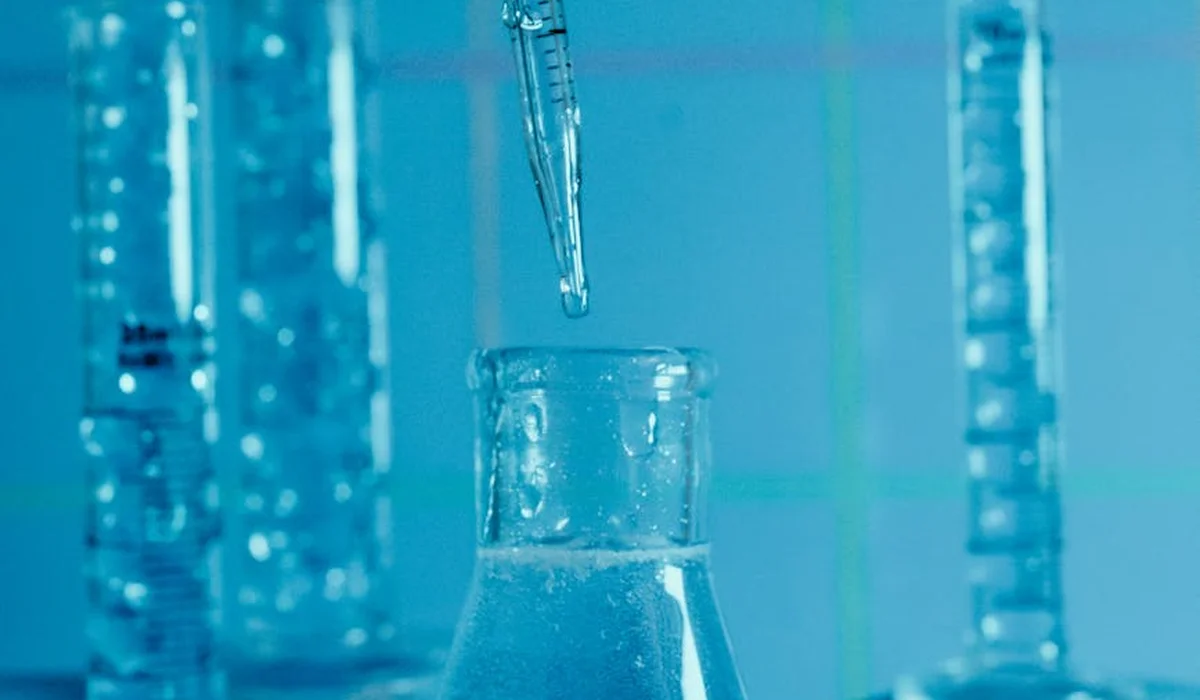
Think of your aquarium’s water as the immune system for your entire ecosystem. When it’s strong and balanced, pests struggle to gain a foothold. I’ve found that consistent, high-quality water is your single most effective defense against everything from planaria to hydra. These nuisance organisms thrive in specific, often neglected, conditions.
Key Parameters to Watch
You don’t need to test for everything every day. Focus on these core parameters that directly influence pest populations.
- Nitrates: Keep them consistently below 20 ppm. Algae and many pests use excess nitrate as a free buffet. A sudden spike often precedes a green water bloom.
- Phosphates: Aim for levels under 1.0 ppm. This is another major algae fuel. If you’re fighting stubborn algae, test your phosphate-you might be surprised.
- Dissolved Organics: You can’t test for this with a kit, but you can see it. Yellowish water is a sign of built-up waste, a perfect breeding ground for pests. Regular water changes and chemical filtration with activated carbon or Purigen keep it clear.
Your Weekly Testing Ritual
Make this a quick, non-negotiable habit. It takes me less than ten minutes every Saturday morning.
- Check nitrate and phosphate levels with a reliable liquid test kit. The strip tests just aren’t accurate enough for this.
- Look for any cloudiness or tint in the water. Crystal-clear water is usually a sign of a healthy, low-waste system.
- Observe your filter’s flow rate. A slowdown can mean decomposing debris is trapped inside, releasing nutrients back into the water column.
This simple routine gives you an early warning system long before you see a single pest. If your numbers are creeping up, you can do a small water change and clean the filter before a problem ever starts.
Building a Proactive Pest Management Routine
Reactive pest control is stressful. You see a problem, panic, and often use harsh chemicals that can harm your fish and beneficial bacteria. A proactive routine is about creating an environment where pests simply can’t get comfortable. My philosophy is to work with the tank’s natural balance, not against it with chemical warfare.
The Weekly “Pest Patrol” Checklist
During your regular maintenance, add these specific checks to your list.
- Inspect New Plants: Before any new plant touches your main tank, I give it a quick dip. A five-minute bath in a solution of 1 part bleach to 20 parts water, followed by a thorough rinse with dechlorinator, kills most hitchhikers.
- Check the Glass: Look for tiny snails, snail eggs (clear, gelatinous blobs), or the tell-tale trails of planaria. A clean razor blade scrapes them off easily.
- Examine Plant Leaves: Turn over a few leaves. Look for hydra (tiny, sticky-looking anemones) or colonies of pest snails. Removing them by hand early is incredibly effective.
Smart Feeding Habits
Overfeeding is the number one cause of pest problems in my experience. It’s the equivalent of leaving a pizza box open on your kitchen counter-it attracts everyone you don’t want.
- Feed only what your fish can completely consume in two minutes.
- For bottom feeders like my Corydoras, Shadow, I target feed a sinking wafer right near him so it doesn’t dissolve elsewhere.
- Consider one “fasting” day per week. This gives your cleanup crew a chance to catch up on any leftover scraps and reduces the overall nutrient load.
A hungry tank is often a healthy tank, and it directly starves out pest populations before they can explode. You’ll notice less waste on the substrate and clearer water almost immediately.
Creating a Balanced Cleanup Crew
Not all snails are pests! Introducing the right animals can do your pest control for you.
| Cleanup Crew Member | What They Control | Notes |
|---|---|---|
| Amano Shrimp | Hair Algae, Leftover Food | Incredible algae eaters, but need a mature tank. |
| Nerite Snails | Diatoms, Green Spot Algae | They cannot reproduce in freshwater, so no population explosions. |
| Assassin Snails | Pest Snails (like Ramshorns) | A natural and fascinating predator for snail infestations. |
By adding these allies, you’re not just cleaning up-you’re actively deploying a defense force that works 24/7. They turn potential pest food into a valuable resource for your ecosystem.
FAQs
What are signs of pest infestation versus normal tank changes?
Signs of infestation include sudden, rapid increases in pest populations like snails or algae, visible worms such as planaria on glass, or unusual slime or mats that persist. Normal changes might involve temporary cloudiness from bacterial blooms in new setups or minor diatom growth that clears with time. Consistent observation helps differentiate between harmless fluctuations and issues requiring action.
How does overcrowding or overfeeding contribute to pest problems?
Overcrowding leads to excess waste, raising nitrate and phosphate levels that fuel pest outbreaks like algae or planaria. Overfeeding provides leftover food that decomposes, creating a rich food source for pests to multiply rapidly. By maintaining balanced stocking and controlled feeding, you reduce the nutrients that attract and sustain pests.
Are there biological controls that help manage pests?
Yes, introducing natural predators such as assassin snails for pest snails or loaches for worms can effectively curb infestations. When considering the best natural predators for aquarium pest snails, assassin snails often top the list. They target pest snails without harming plants. Cleanup crews like Amano shrimp and nerite snails consume algae and detritus, reducing pest food sources. This method leverages the aquarium’s ecosystem to maintain balance without chemical interventions.
What precautions should I take when using chemical treatments?
Always identify the pest correctly to choose the appropriate treatment and avoid harming beneficial organisms. Remove chemical filtration media like carbon during application to prevent it from neutralizing the treatment. Follow the product’s dosage instructions exactly and perform a water change after treatment to remove any residual chemicals.
Your Healthy Tank Journey Starts Now
A proactive pest management plan is your best defense, built on quarantining new additions and fostering a balanced ecosystem. By using natural controls and targeted treatments only when necessary, you protect your fish and plants from harm.
Staying observant and continuing to learn is one of the most rewarding parts of being a fishkeeper. Your commitment to this ongoing process is what creates a truly thriving underwater world for your aquatic pets. Understanding which maintenance tasks are essential and how often they should be done helps you keep on top of their frequency. Regular checks and timely care prevent problems before they start.
Further Reading & Sources
- Learning About Integrated Pest Management : Great Lakes Aquarium
- Mastering the Art of Aquarium Pest and Disease Identification and Treatment – King Aquarium
- Integrated Pest Management (IPM) Principles | US EPA
- Integrated pest management – Aquaculture North AmericaAquaculture North America
- Cornell Integrated Pest Management | CALS
Lia is an expert in aquarium and pet fish care. Having worked in the marine industry and having cared for multiple pet fish, she has acquired first hand expertise on aquarium care, maintenance and setup. She always brings her practical expertise and science to help solve any aquarium related queries.
Algae Control