
Do You Need CO2 for a Planted Tank? The Honest Answer
Published on: February 12, 2026 | Last Updated: February 12, 2026
Written By: Lia Annick
Hello fellow aquascapers, that question about adding CO2 is one of the biggest crossroads we face. It seems simple, but the choice between a low-tech or high-tech tank shapes everything from your plant selection to your weekly maintenance.
This guide will walk you through the key factors, including:
when CO2 is truly necessary versus when you can skip it,
how to create a lush low-tech tank without pressurized gas,
what equipment you actually need if you decide to start, and
a real-world breakdown of the costs and commitment.
I’ve run everything from simple Walstad jars to high-tech Dutch aquariums, so I can help you navigate this decision.
Is CO2 Necessary for Your Planted Aquarium?
This is the million-dollar question, and the honest answer is: it depends entirely on your goals. You can absolutely have a beautiful planted tank without injecting CO2. Many thriving low-tech aquariums rely solely on the CO2 naturally produced by fish respiration and organic decay. I’ve run several stunning low-tech tanks myself, filled with hardy plants like Java Fern and Anubias. But it’s especially important for high-tech setups.
When You Can Skip the CO2
If you’re aiming for a low-maintenance, natural-looking aquarium, you might not need a CO2 system. Your success hinges on choosing the right plants. For a no CO2 aquarium setup, choose hardy species like Java fern, Anubias, and moss that thrive on low light. These are among the best plants for a low-tech no CO2 aquarium and help keep maintenance minimal.
- Low-light, slow-growing plants (e.g., Java Fern, Anubias, Mosses)
- Tanks with a low to moderate light intensity
- Aquariums with a low fish bioload
- Your goal is a stable, easy-care ecosystem
When CO2 Becomes a Game-Changer
If you dream of a densely planted “aquascape” with vibrant reds and lush carpets, CO2 is often non-negotiable.
- Demanding, fast-growing plants (e.g., Dwarf Baby Tears, Rotala)
- High-intensity lighting setups
- You want to significantly reduce algae competition
- You desire explosive, vibrant growth and pearling
The real magic of CO2 injection is that it unlocks the full potential of your plants, allowing them to outcompete algae for resources. Think of your tank’s needs as a triangle: Light, Nutrients, and CO2. If you increase the light, you must balance it with more CO2 and nutrients, or you’ll just grow algae. Ready to take the next step? Our step-by-step guide on adding CO2 to your aquarium walks you through choosing a system, installation, dosing, and monitoring.
Benefits of Adding CO2 to Your Planted Tank
How CO2 Supercharges Plant Growth
CO2 is the main building block for plant life. Adding it is like giving your plants a superfood smoothie every single day.
- Explosive Growth Rates: Plants that once grew slowly will suddenly put out new leaves weekly.
- Vibrant Colors: Red and pink plants develop deeper, richer hues because they can produce more pigments.
- Healthier Leaves: Leaves become larger, thicker, and more resistant to damage.
- Pearling: You’ll see tiny oxygen bubbles forming on plant leaves, a sign of peak photosynthesis.
Watching your plants pearl is one of the most rewarding sights in the hobby-it’s visible proof your ecosystem is thriving. In my high-tech tank, my Rotala bushes pearl so much after a water change it looks like they’re covered in glitter.
Beyond Growth: The Algae Solution
This is a benefit many don’t anticipate. A consistent CO2 supply gives your plants a massive advantage.
- Healthy, fast-growing plants consume more nutrients from the water column.
- This starves algae of the food it needs to establish itself.
- You get clearer water and spend less time scrubbing the glass.
Stable CO2 is one of the most effective, long-term weapons you have in the fight against persistent algae. It shifts the biological balance in favor of your plants, creating a cleaner, more resilient aquarium. In practice, that balance means pairing CO2 with adequate oxygen and surface agitation to keep dissolved O2 steady. Too much CO2 without sufficient O2 can stress fish and slow plant growth, so monitor both sides of the balance.
Signs Your Plants Are Craving More CO2
Your plants will tell you when they’re struggling. You just need to know what to look for. I’ve learned to spot these cries for help in my own tanks over the years.
One of the most obvious signs is painfully slow or completely stunted growth. If your plants seem frozen in time while algae is having a party, it’s often a clear signal of a carbon shortage. They simply can’t build new cells efficiently.
Factors to Weigh Before Investing in CO2
Jumping into a CO2 system is a commitment. It’s not just about the initial purchase. Before you decide, honestly assess these points.
- Your Budget: A reliable system isn’t just a cylinder and a diffuser. You need a regulator, solenoid valve, bubble counter, and drop checker. This is a real financial investment.
- Maintenance Time: You will be refilling CO2 cylinders, adjusting the bubble rate, and monitoring pH swings. It adds another layer of routine tank care.
- Your Plant Goals: Do you dream of a lush, dense carpet of Dwarf Hairgrass or vibrant red Rotala? Those require CO2. Are you happy with slower-growing Anubias and Java Fern? You can probably skip it.
- Fish Stocking: Introducing CO2 changes your water chemistry. You must be extra vigilant to avoid CO2 overdoses, which can suffocate your fish. My Betta, Captain Fin, is sensitive to these shifts.
Think of it as the difference between a casual garden and a professional greenhouse. CO2 injection is the single biggest factor that separates low-tech from high-tech aquascaping. It unlocks a plant’s full potential for color and form.
High-Tech vs. Low-Tech Planted Tanks
This is the fundamental choice every planted tank enthusiast faces. I’ve run both, and they offer completely different experiences. That’s the high-tech vs low-tech planted aquarium debate in a nutshell. I’ll share an honest comparison of what each approach takes and what it delivers.
A high-tech tank uses pressurized CO2, high-output lighting, and daily nutrient dosing. This setup allows for explosive growth and lets you cultivate the most demanding, colorful plant species. The trade-off is more cost, more work, and less stability if you miss a step.
A low-tech tank relies on lower light, fish waste, and root tabs for nutrients. The beauty of a low-tech tank is its stability and lower maintenance; it’s a relaxed, self-regulating ecosystem that forgives the occasional missed water change. Watching my Corydoras, Shadow, shimmer against the gentle green leaves of a low-tech tank is its own special kind of magic.
Thriving Without CO2: Low-Tech Plant Choices
You can have a stunning planted aquarium without a CO2 system. The secret is choosing the right, resilient plants. These species are adapted to lower carbon levels. Light, CO2, and nutrients are interrelated factors that together govern plant growth in a planted tank. When you balance these elements, even low-tech setups can display lush growth and vibrant health.
- Anubias: Nearly indestructible. Attach it to driftwood or rocks. It grows slowly but steadily.
- Java Fern: Another attachable plant. It propagates by growing tiny plantlets on its leaves. My Goldie loves swimming through its tall fronds.
- Java Moss: Perfect for creating green carpets on hardscape or as a safe haven for shrimp and fry.
- Cryptocoryne: Comes in many shapes and colors. It might “melt” when first added but will regrow stronger leaves adapted to your water.
- Vallisneria: Sends out runners to create a beautiful background grass jungle. It’s a nitrate hog, which helps keep your water clean.
Focus on these hardy species. By selecting plants that match your tank’s natural CO2 levels, you set yourself up for long-term success with far less fuss. A balanced low-tech tank is a truly rewarding sight. To choose the best plants for your aquarium, see our complete guide for step-by-step selection and care tips. It also covers how to match lighting, substrate, and CO2 needs to your tank.
Setting Up a CO2 System in Your Aquarium
Getting a CO2 system running might seem intimidating, but it’s a straightforward process once you understand the pieces. The gentle hum of a stable CO2 system is the sound of your plants thriving, and setting it up correctly from the start saves you countless headaches later. For hobbyists on a budget, a DIY CO2 system using yeast and sugar can deliver reliable, steady bubbles. This approach is a common entry point for DIY co2 system aquariums, letting you fuel plant growth without hefty expenses.
Choosing the Right CO2 Equipment
You have a few main paths here, and your choice depends heavily on your tank’s size and your commitment level. For most dedicated planted tank enthusiasts, a pressurized system is the gold standard. For planted tanks, many ask what the best filter media is, since media affects plant health and algae control. In practice, quality bio-media paired with gentle filtration is a strong default.
A complete pressurized CO2 system consists of four key components that work together like a well-rehearsed team.
- CO2 Cylinder: This is your gas supply. A 5-pound cylinder is perfect for most tanks between 20 and 60 gallons. You can often exchange empty ones at welding supply stores or breweries.
- Regulator: This is the most critical piece. It takes the high-pressure gas from the cylinder and reduces it to a safe, usable pressure for your aquarium. Look for one with a solenoid valve, which lets you plug it into a timer.
- Needle Valve: This is your fine-tuning knob, attached to the regulator. It gives you precise control over the bubble rate, allowing you to make tiny adjustments for perfection.
- Diffuser/Reactor: This is the final piece that gets the CO2 into your water. A ceramic diffuser creates a mist of fine bubbles, while a reactor dissolves the CO2 completely before it enters the tank. I prefer the mist for its visual confirmation that everything is working.
For a small tank under 10 gallons, a disposable paintball canister setup can be a more compact and affordable entry point into pressurized gas.
DIY CO2: A Budget-Friendly Approach
If you’re just dipping your toes into the CO2 world or are on a tight budget, the DIY yeast method is a fascinating place to start. I’ve used DIY CO2 on small nano tanks with great success, but you must be ready for its inherent inconsistency. It works through a simple fermentation process.
You’ll need two plastic bottles, tubing, a check valve, and a diffuser. Here is the basic recipe I’ve used:
- Fill a 2-liter bottle with 2 cups of sugar.
- Add a teaspoon of baker’s yeast and a half teaspoon of baking soda.
- Fill the bottle with warm (not hot) water, leaving some air space.
- Shake vigorously to dissolve the sugar, then attach your lid with the airline tubing.
The mixture will begin producing CO2 within a few hours and can last for two to four weeks before needing a refill. The major downside is that CO2 production is highest in the first week and then slowly declines, making stable levels a real challenge. Always use a second bottle as a bubble counter and gas trap to prevent your sugar-water from siphoning back into the tank.
Monitoring and Maintaining CO2 Levels
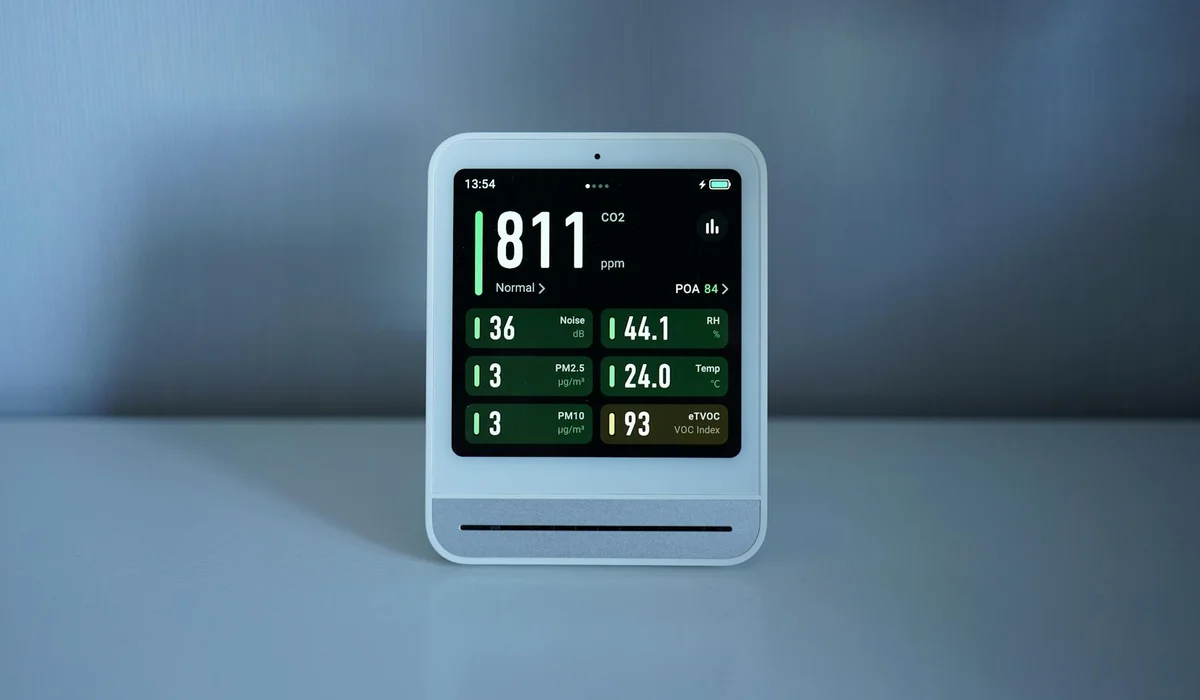
Adding CO2 is only half the battle; keeping it at the right level is where the real art lies. Too little and you see no benefit; too much and you risk harming your fish.
The most reliable tool for monitoring CO2 is a drop checker, a simple device that gives you a constant visual readout of your water’s CO2 concentration. It uses a pH-sensitive fluid that changes color based on CO2 levels.
- Blue: Not enough CO2. Your plants are likely growing slowly.
- Green: The perfect target. This indicates about 30 ppm of CO2, which is ideal for most plants and safe for fish.
- Yellow: Danger! CO2 is too high and can suffocate your livestock.
You should also set your CO2 to turn on about an hour before your lights and turn off an hour before they go out. This simple timing trick aligns the CO2 availability with the plants’ photosynthetic period, making your system incredibly efficient. Plants don’t use CO2 in the dark, so there’s no point in gassing your fish all night.
Avoiding CO2-Related Issues in Your Tank
The biggest fear with CO2 is accidentally gassing your fish. Seeing your fish like Goldie gasping at the surface is a heart-stopping moment I’ve experienced, and it demands immediate action.
If you suspect a CO2 overdose, immediately perform a large water change (50% or more) and increase surface agitation to help the gas dissipate quickly. Turning off the CO2 and pointing a powerhead at the surface can be a lifesaver.
To prevent this from happening, follow these simple rules:
- Never adjust your needle valve more than a quarter-turn at a time. Patience is key.
- Ensure you have good surface movement. A gentle ripple across the entire surface promotes gas exchange without driving off all your CO2.
- Watch your fish in the first hour after the CO2 turns on. If they seem stressed or are piping at the surface, your bubble rate is too high.
Algae blooms can also signal a CO2 problem. Inconsistent CO2 levels are a primary cause of stubborn algae outbreaks, as fluctuating levels stress plants and give algae a competitive edge. A stable, green drop checker is one of your best defenses.
FAQs
What is typically included in a CO2 kit for a planted aquarium?
A standard CO2 kit usually contains a CO2 cylinder, a regulator with a solenoid valve, a needle valve for precise control, a bubble counter, and a diffuser or reactor. It may also include essential accessories like tubing and check valves to ensure safe and efficient operation. These kits provide a convenient all-in-one solution for beginners starting with CO2 injection.
How can I find trustworthy reviews for CO2 systems?
Seek out reviews on dedicated aquarium forums, YouTube channels run by experienced aquarists, and e-commerce sites with detailed customer feedback. Focus on comments about reliability, ease of adjustment, and long-term performance to gauge overall satisfaction. Personal testimonials from fellow hobbyists can offer practical insights beyond manufacturer claims.
How do I set the ideal CO2 bubbles per second for my tank?
Begin with a conservative rate, such as 1 bubble per second, and use a drop checker to monitor CO2 levels, aiming for a stable green indication. Gradually increase the rate if needed while observing fish for any signs of distress, like gasping at the surface. Fine-tuning should be done slowly over days to avoid sudden changes that could harm livestock.
What is the difference between a CO2 diffuser and a reactor?
A CO2 diffuser releases tiny bubbles directly into the water, allowing for visual monitoring of CO2 mist and dissolution. In contrast, a reactor fully dissolves CO2 into the water before it enters the tank, often providing higher efficiency without visible bubbles. Your choice depends on factors like tank size, aesthetics, and desired dissolution method.
Your Path to a Thriving Planted Tank
Ultimately, your need for CO2 boils down to your plant selection and your vision for the tank. You can cultivate a beautiful, healthy aquarium with easy-going plants and good lighting, while CO2 injection becomes the key to unlocking rapid, dense growth and vibrant colors in more demanding species. To support that growth in a planted aquarium, many hobbyists set up a CO2 system. In practice, this means planning a regulator, diffuser, and proper dosing schedule for a balanced system.
The most successful aquarists are those who view their tank as a continuous learning experience. Prioritize the well-being of your fish by researching their needs and understanding your aquarium’s unique ecosystem, as this journey of discovery is one of the most rewarding parts of the hobby.
Further Reading & Sources
- Is CO2 necessary for a planted aquarium?
- r/PlantedTank on Reddit: My experience before and after using CO2
- CO2 – How much is needed? | The Planted Tank Forum
- CO2 in Planted Aquariums: What Does It Really Do and Is It Natural? – Aquarium Co-Op
- Aquarium Gardens CO2 Set Up guide
Lia is an expert in aquarium and pet fish care. Having worked in the marine industry and having cared for multiple pet fish, she has acquired first hand expertise on aquarium care, maintenance and setup. She always brings her practical expertise and science to help solve any aquarium related queries.
Aquatic Plants